















1. Overview of Sa Pa Ethnic Cultural Experiences
Sa Pa has long been known as one of Vietnam's most distinctive destinations when it comes to Sa Pa ethnic cultural experiences, a place where many ethnic communities converge and interact, such as the H'Mong, Red Dao, Tay, and Giay people. Each ethnic group possesses its own unique identity, clearly expressed through traditional costumes, housing architecture, customs, and especially daily life. This diversity has created a vibrant "living cultural tapestry," making Sa Pa not just a scenic tourist spot but also a place to explore the depth of local culture.
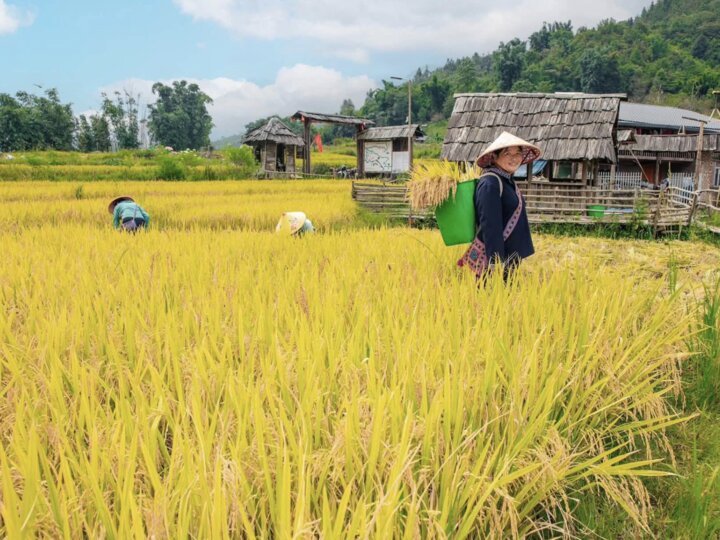
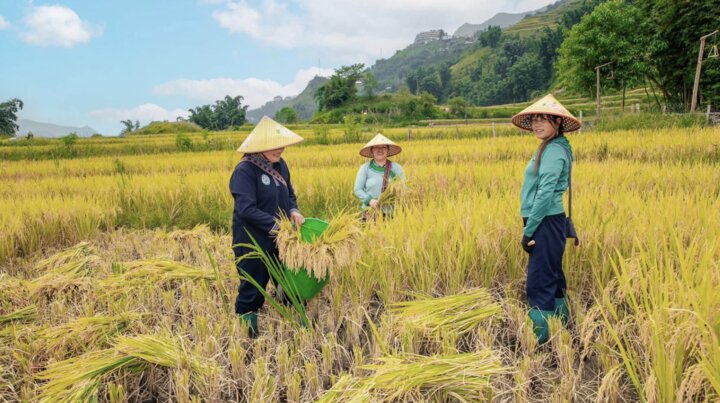
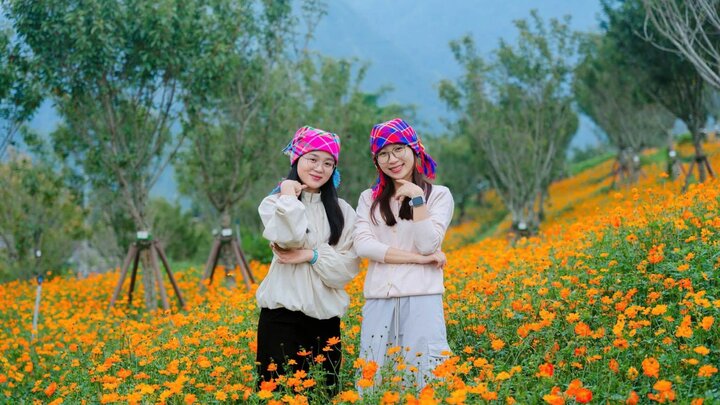
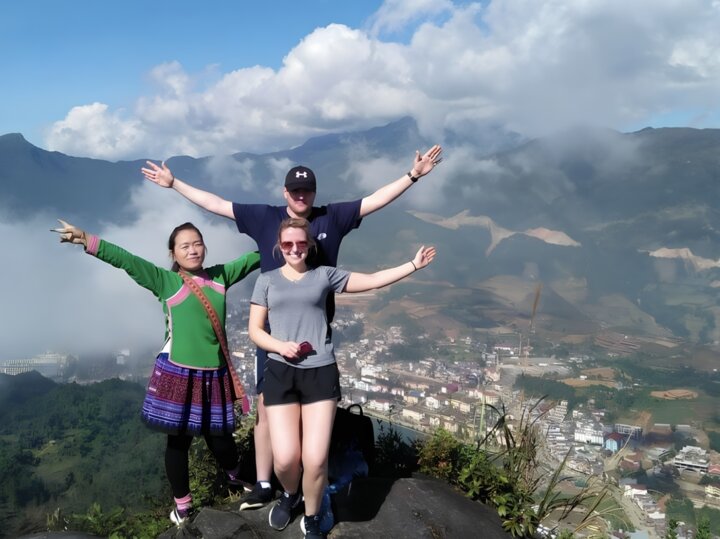
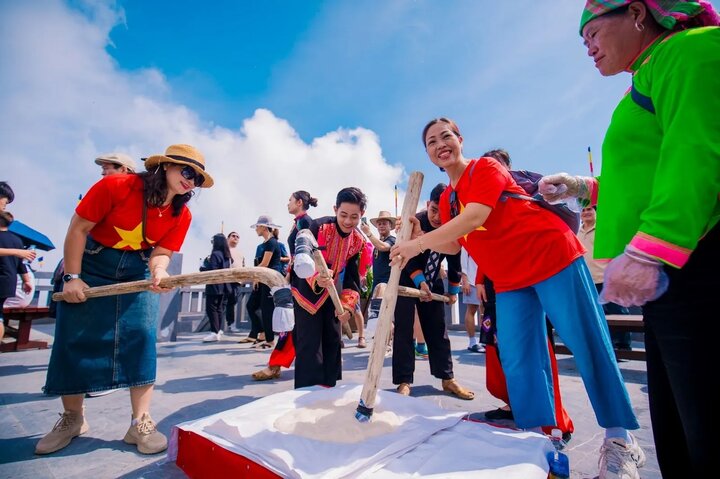
Tourists enjoy experiencing ethnic cultures in Sapa
When participating in a cultural experience journey in Sapa, tourists have the opportunity to step into the real living space of the highland people, where traditional values are still preserved through many generations. From villages nestled amidst the mountains like Cat Cat, Ta Van, Ta Phin to community living areas, each place reflects a unique rhythm of life connected to nature. Tourists can observe how people weave brocade, farm, cook with firewood stoves, or participate in highland markets – where not only goods are exchanged but also a space for characteristic cultural exchange.
Not stopping at sightseeing, experiencing the cultures of Sapa ethnic groups offers a deeper interactive aspect as tourists directly participate in daily activities with the locals. From trying on traditional costumes, learning to cook local dishes, to joining folk dances and songs or drinking corn wine by the fire, all help tourists feel more clearly the hospitable spirit and community-oriented lifestyle of the people here. It is the blend of majestic nature and unique cultural identity that has created Sapa's sustainable attraction, making it an unmissable destination for those who love exploring highland cultures.
2. Popular forms of cultural experience among Sapa ethnic groups today
During the journey of experiencing the cultures of Sapa ethnic groups, tourists not only stop at sightseeing but also have the opportunity to delve into the daily life, customs, and activities of ethnic communities such as the H'Mong, Red Dao, Tay, and Giay people. Each experience offers a unique cultural slice, helping tourists better feel the diversity and depth of the Northwest highland identity.
2.1. Cultural experience at Ban May Fansipan
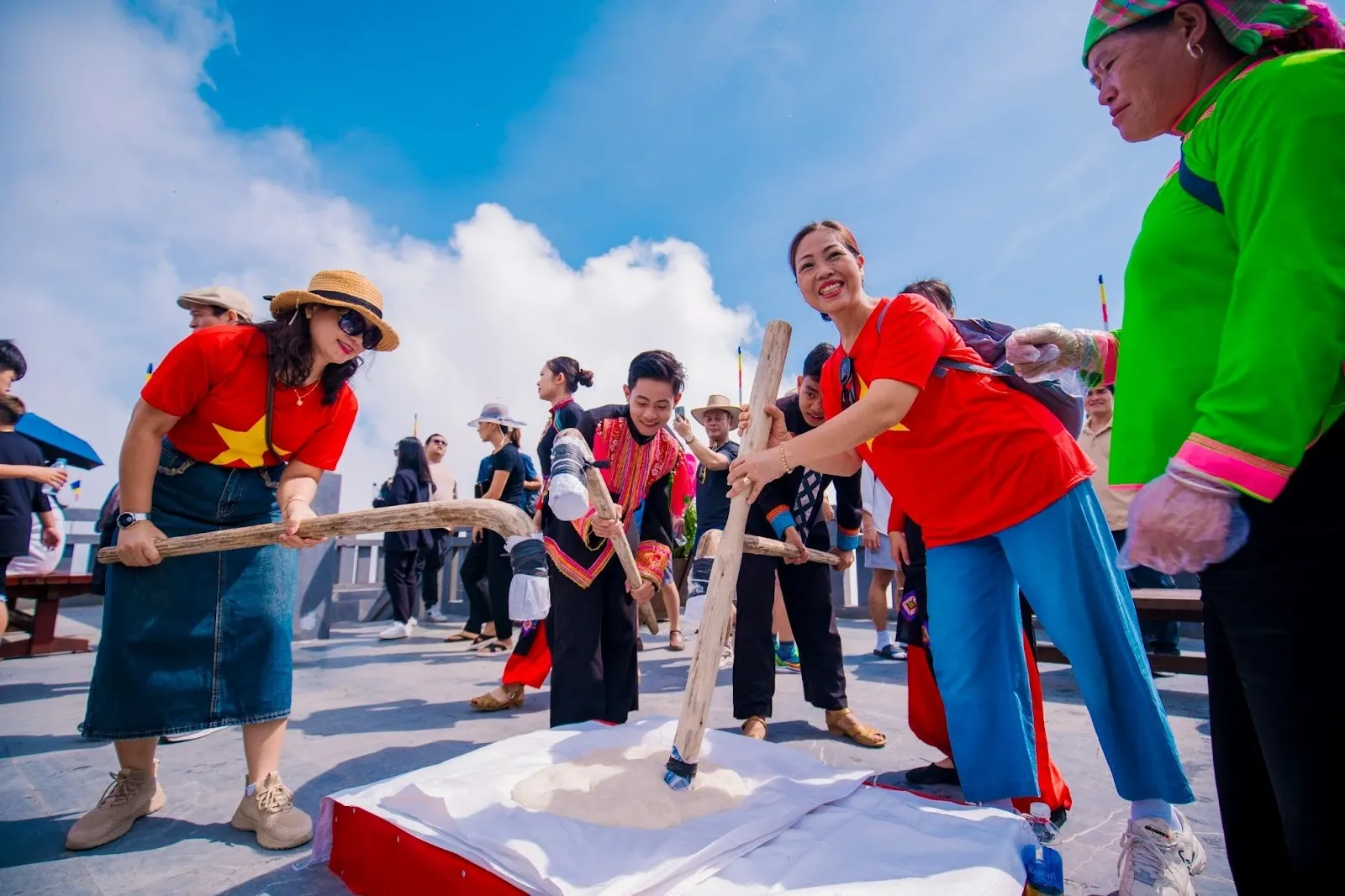
Ban May Fansipan is one of the outstanding highlights when mentioning cultural experiences in Sapa, where the living space of many highland ethnic groups is vividly recreated within a single complex. The space here is designed like a "miniature village," combining traditional architecture with the majestic mountain scenery of Fansipan peak, creating a feeling that is both authentic and culturally symbolic.
Tourists enjoy experiencing the ethnic cultures of the Northwest at the Ban May area in Fansipan
At Ban May, tourists can visit the traditional houses of each ethnic group, learn about the arrangement of living spaces, labor tools, and characteristic cultural values. Not only observing, but tourists also participate in interactive activities such as experiencing handicraft professions, watching folk performances, interacting with locals, and learning the cultural stories behind each custom.
Especially, Ban May Fansipan also offers a holistic experience between culture and landscape, where tourists can explore local life while admiring the sea of clouds and the majestic mountain scenery. This combination makes it an ideal destination for those who want to understand Sa Pa culture quickly, yet comprehensively and vividly.
2.2. Visiting traditional villages Cat Cat, Ta Van, Ta Phin
Villages like Cat Cat, Ta Van, and Ta Phin are the most typical spaces to clearly feel the cultural life of the ethnic people of Sa Pa. This is where the traditional housing architecture, terraced fields, small streams, and characteristic stone paths of the highlands are preserved almost intact.
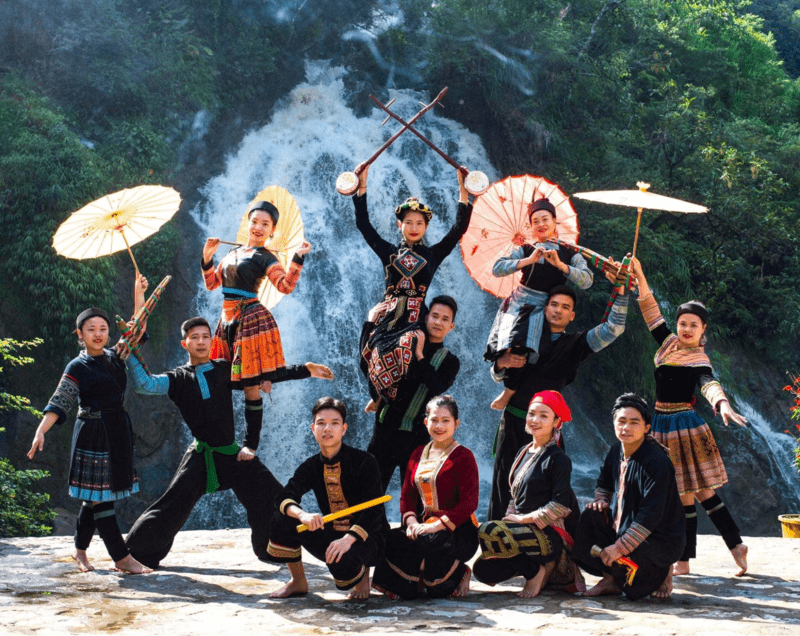
Traditional cultural performances at Cat Cat Village
Upon entering these villages, visitors can easily encounter images of people weaving brocade, dyeing indigo, farming, or gathering around the fire. Each activity reflects a part of the long-standing cultural life, closely associated with nature and the slow pace of mountain life.
The village space not only offers sightseeing value but also helps visitors feel the community connection and how people adapt to specific living conditions. This is a foundational experience, helping to better understand Sa Pa's culture before engaging in deeper activities.
2.3. Homestay experience with locals
Homestay is an increasingly popular experience for tourists who want to explore Sa Pa's culture more deeply. When staying in traditional stilt houses or wooden houses, visitors are not just observers but become part of the daily life of the local family. In the homestay space, visitors share simple meals with characteristic dishes such as wild vegetables, mountain pork, free-range chicken, and stream fish… At the same time, they also have the opportunity to participate in daily activities such as cooking, going to the market, chopping firewood, or chatting by the fire. These seemingly small experiences help create a genuine connection between tourists and local people.
In addition, some homestays also organize cultural exchange activities such as folk singing, drinking corn wine, or storytelling about customs and traditions, helping tourists understand more about the rich spiritual life of the ethnic groups in the highlands.
2.4. Exploring Sa Pa's highland markets
Market days are one of the indispensable cultural characteristics when mentioning Sa Pa. This is not only a place for goods exchange but also a space for cultural interaction among the highland ethnic communities.
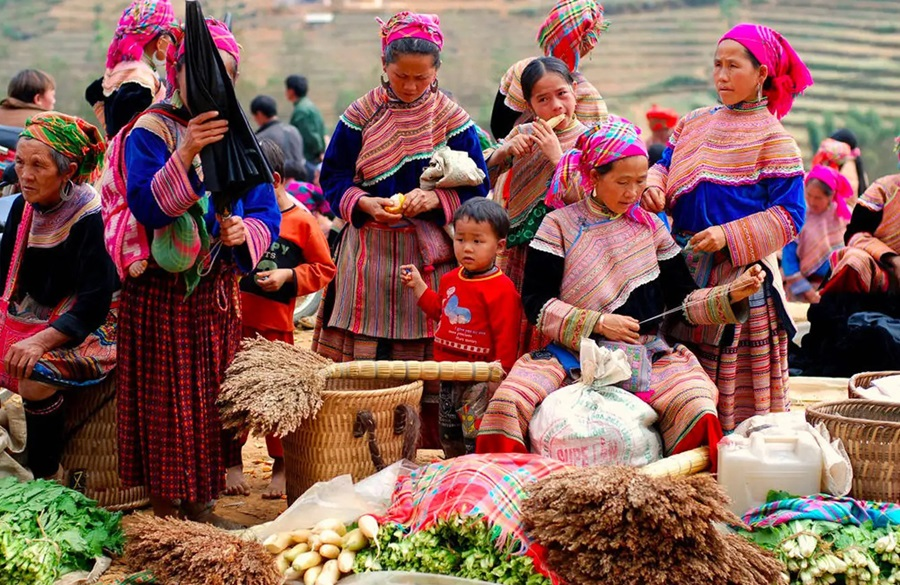
The lively atmosphere at the market fair in Sa Pa
At the market fair, visitors can see people in vibrant traditional costumes, bringing agricultural products, livestock, or handicrafts to trade and sell. The atmosphere of the market fair is always lively yet retains the rustic, close-knit charm unique to the Northwestern mountains.
Notably, this is also a place that clearly reflects the spiritual life of the local people, from their communication and exchange methods to community activities. Visiting the market fair helps tourists gain a deeper understanding of the economic, social, and cultural role of the market in the lives of Sa Pa residents.
2.5. Highland Ethnic Cuisine Experience
Cuisine is an inseparable part of the cultural exploration journey in Sa Pa. Dishes such as grilled free-range chicken, local pork, stream fish, wild vegetables, thang co, or corn wine all carry the distinctive flavors of the mountains and forests, reflecting how people utilize natural ingredients to create their daily meals.
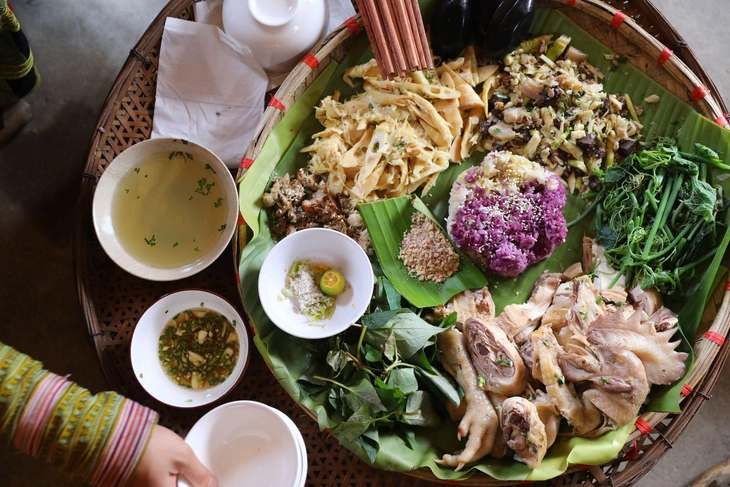
Ethnic culinary experience is an interesting experience for many tourists when visiting Sa Pa
Tourists can enjoy cuisine in villages, homestays, or during specially organized cultural experience programs. Not only stopping at eating, but many activities also allow tourists to participate in cooking with locals, thereby understanding more about cooking techniques and traditional culinary habits.
2.6. Participate in traditional festivals
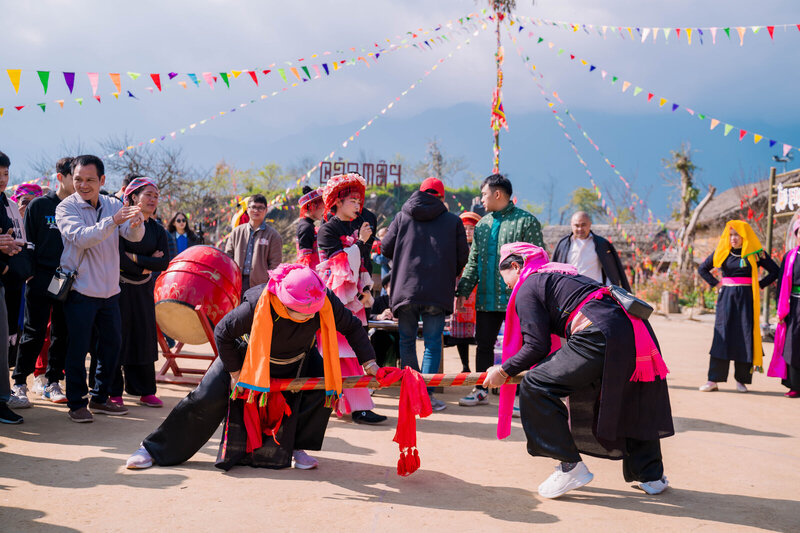
Sa Pa is where many unique traditional festivals of ethnic groups take place, such as the Gau Tao festival of the Hmong people, the Cap Sac ceremony of the Red Dao people, or community-oriented harvest festivals. These are important occasions of the year, closely linked to the spiritual life and beliefs of the local people.
When participating in these festivals, tourists will witness traditional rituals, folk dances, songs, and a very characteristic community atmosphere. The festival space often fosters strong connections, clearly demonstrating the spirit of solidarity and belief in life of the highland people.
2.7. Experience traditional handicrafts
Another interesting experience is learning about and participating in traditional handicrafts such as brocade weaving, hand embroidery, indigo dyeing, or silver making by the ethnic people of Sa Pa. These crafts are closely tied to the long-standing lives of the people, while also showcasing the dexterity and creativity in the indigenous culture.
Tourists can directly observe the production process or try making simple products themselves under the guidance of local people. This experience is not only entertaining but also...
3. Tips for the most complete and meaningful cultural experience of Sa Pa's ethnic groups
To make the cultural experience of Sa Pa's ethnic groups truly profound and go beyond mere sightseeing, tourists should prepare thoroughly regarding time, activity selection, and attitude when interacting with the local community. Sa Pa is a place where indigenous culture is still preserved quite intact, so every small action of a tourist can affect the experience and interaction with ethnic people like the Hmong, Red Dao, Tay, or Giay.
3.1. Choose the right time and itinerary
The timing plays a very important role in determining the quality of the cultural experience in Sa Pa. Each season of the year brings a different hue: spring has traditional festivals, summer is cool with agricultural activities, autumn is the season of golden ripe rice, and winter brings a characteristic cold atmosphere with activities around the fireplace.
Besides the seasonal factor, tourists should also arrange a reasonable itinerary to combine multiple experiences in one trip, such as visiting villages during the day, participating in homestays in the evening, and spending time exploring the market or Ban May Fansipan. Reasonable time allocation will make the journey more seamless and rich in experience.
3.2. Respect the culture and customs of the locals
One of the most important factors when participating in the cultural experience of Sa Pa's ethnic groups is a respectful attitude towards the customs and lives of the local people. Each ethnic group has its own rules of life, beliefs, and habits, so tourists should avoid actions that are intrusive or disrupt their living space.
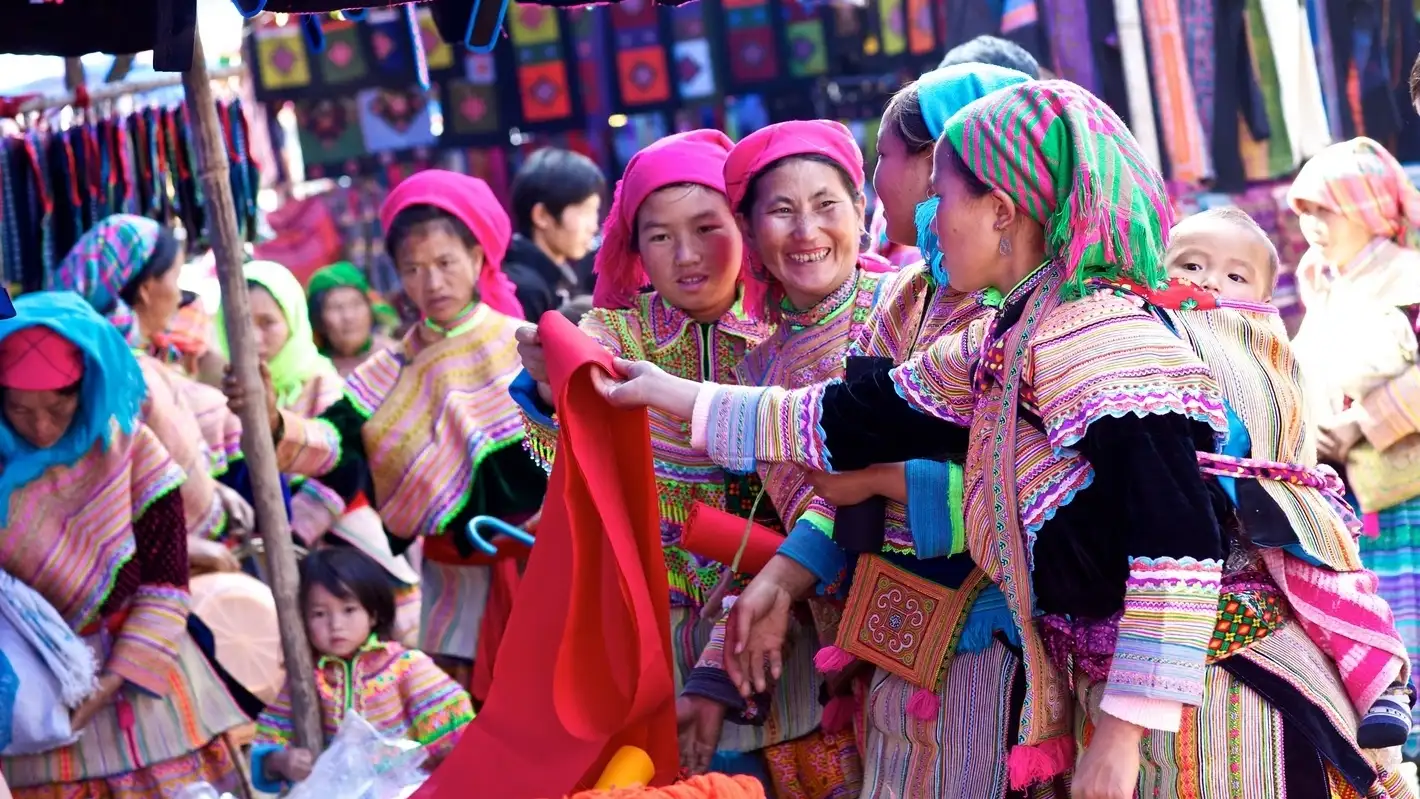
Visitors should note the importance of respecting the culture of ethnic groups when experiencing their customs
Asking for permission before taking photos, refraining from entering private living areas without consent, and maintaining polite communication are essential. When visitors show respect, local people will also be more open to sharing their culture, thereby creating more authentic and memorable experiences.
3.3. Proactively interact to deeply understand local culture
Instead of just observing, visitors should actively participate and interact directly to better feel the cultural life of Sa Pa. Activities such as cooking with locals, learning to weave brocade, participating in local markets, or mingling in community gatherings will make the experience much more vivid.
This two-way interaction helps visitors not only "watch culture" but also "live in culture," thereby gaining a deeper understanding of the spiritual values, community cohesion, and the relationship between people and nature in the highlands. This is also what makes Sa Pa one of the most distinctive cultural destinations in Vietnam.
The journey of experiencing the culture of Sa Pa's ethnic groups is not merely a tour but also an opportunity for visitors to touch the depth of culture, people, and life in the Northwest highlands. Each activity, from exploring Ban May Fansipan, visiting villages, staying in homestays, to participating in local markets or traditional festivals, contributes to creating a vivid and emotional cultural tapestry. If visitors choose the right time and maintain an open, respectful attitude towards local culture, they are sure to have a memorable journey with many meaningful experiences in Sa Pa.