
















1. Overview of the formation history and the name Sa Pa
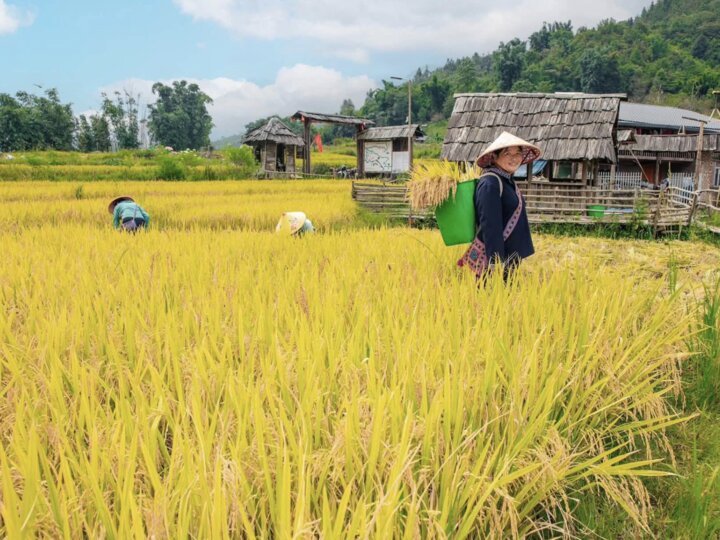
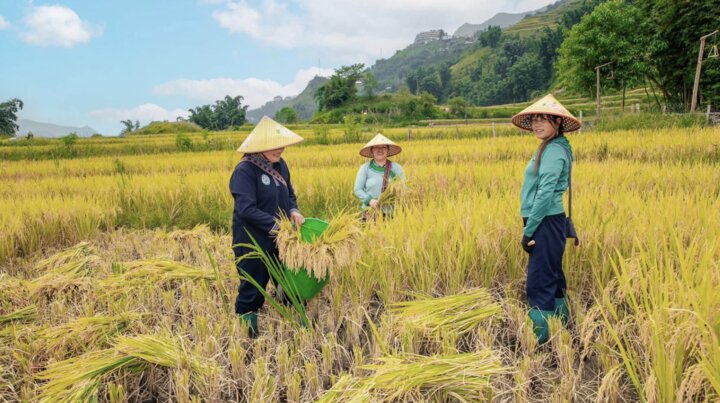
Sa Pa helps tourists better understand the highland region. (Source: Collected)
Sa Pa is not only famous for its majestic mountain scenery but also possesses a rich history and unique culture. Learning about the formation process and the origin of the name Sa Pa will help tourists better understand this highland region and the traditional values preserved through many generations.
1.1. The origin of the name Sa Pa is linked to the indigenous people
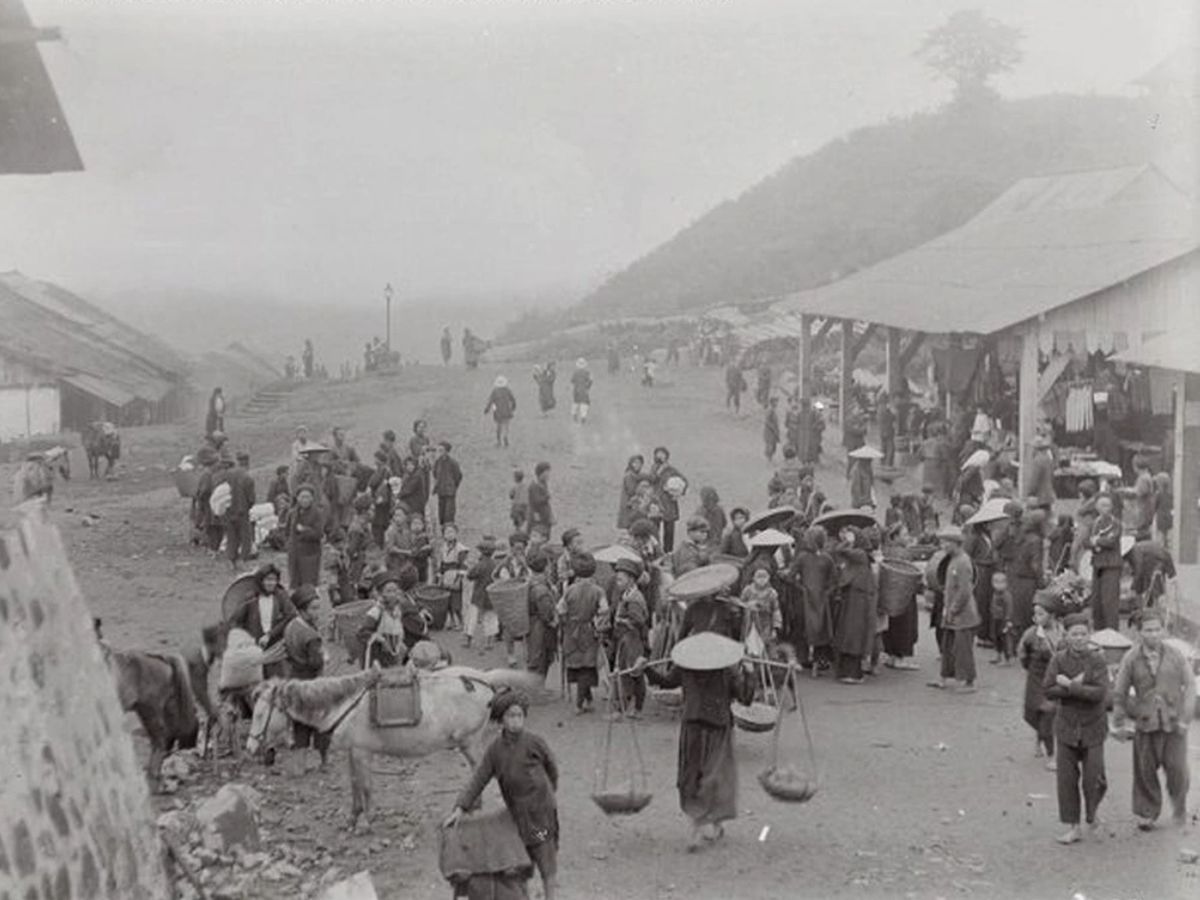
In the journey to explore the history of Sa Pa, the origin of the region's name has always been a topic that attracts the interest of many tourists. The name “Sa Pa” is believed to originate from Old Mandarin, meaning “golden sand,” reflecting the characteristic terrain of the area. Previously, local people often referred to this place by pronunciations such as Sa Pa or Sa Pa, showing closeness and familiarity in daily life.
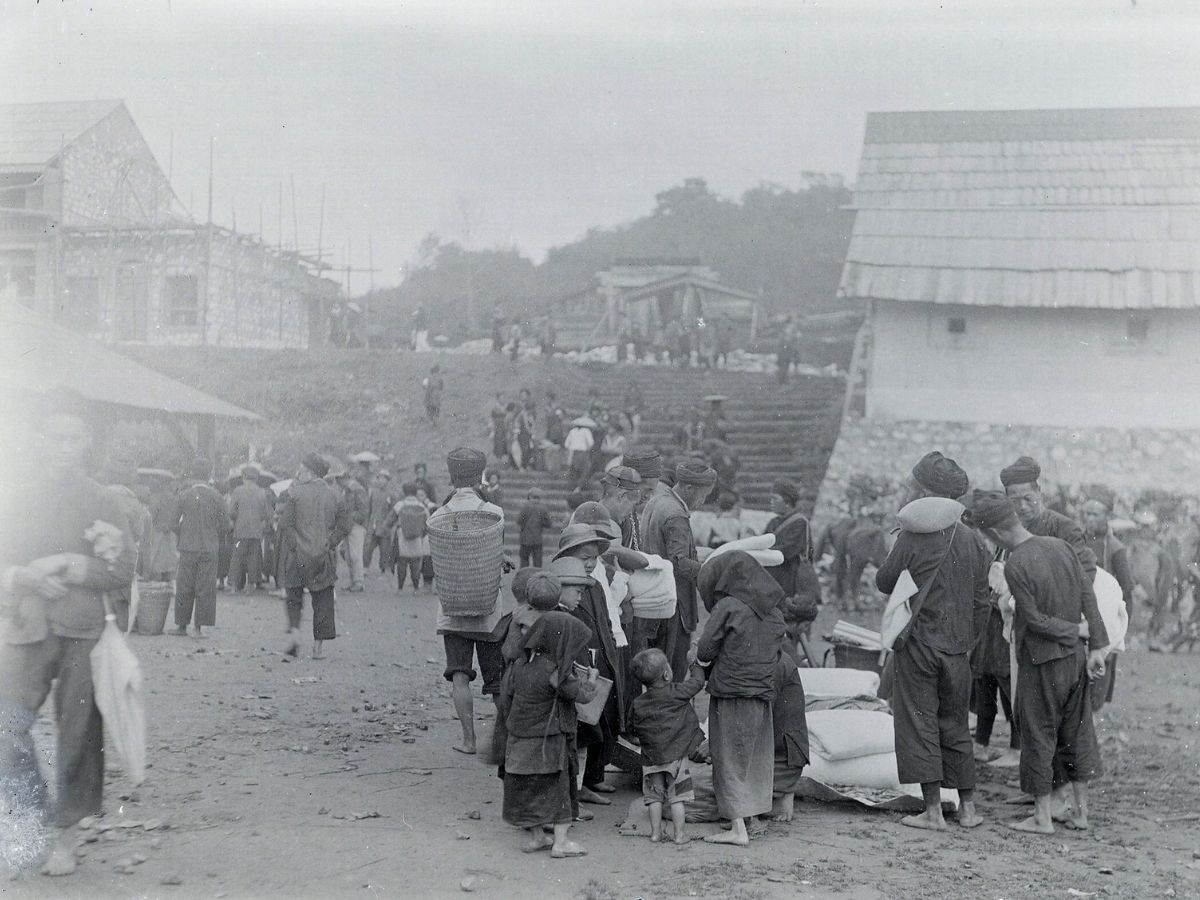
Before becoming a famous destination, Sa Pa was known as Hung Ho, meaning “Red Stream,” belonging to Thuy Vi district, Quy Hoa prefecture, Hung Hoa province under the feudal era. At that time, local residents' markets often convened on a sandy area located near the present-day Sa Pa area, about 32 km from Lao Cai city. This is considered an early form of trade, contributing to the formation of a stable community in this highland region.
Over generations, the H'Mong, Dao, and Giay ethnic groups have lived and been long associated with Sa Pa, creating a rich and sustainable cultural foundation. Not only is Sa Pa known for its cool climate year-round, but it is also a place that preserves many unique customs, traditions, and cultural values of ethnic minorities, creating an unmixable identity.
1.2. Geographical location characteristics and initial cultural factors
In the past, Sa Pa was part of the Lo Suoi Tung plateau, covered by dense primeval forests, belonging to Ngòi Bo camp and later Huong Vinh district, Thuy Vi prefecture, Hung Hoa province. Its location deep in the high mountains of the Northwest, far from major urban centers, inadvertently helped Sa Pa preserve its traditional cultural values almost intact for centuries.
The nature here is blessed with a cool climate, majestic landscapes including winding terraced fields, lush pine forests, and the poetic Muong Hoa valley. The harmonious connection between humans and the natural environment laid the foundation for the formation of Sa Pa's unique cultural identity. Notably, the discovery of ancient carved stones in 1925 further confirms the long-standing human settlement, enriching the historical and cultural value of this land.
2. Sa Pa during the French colonial period: The first milestones (1903 – 1945)
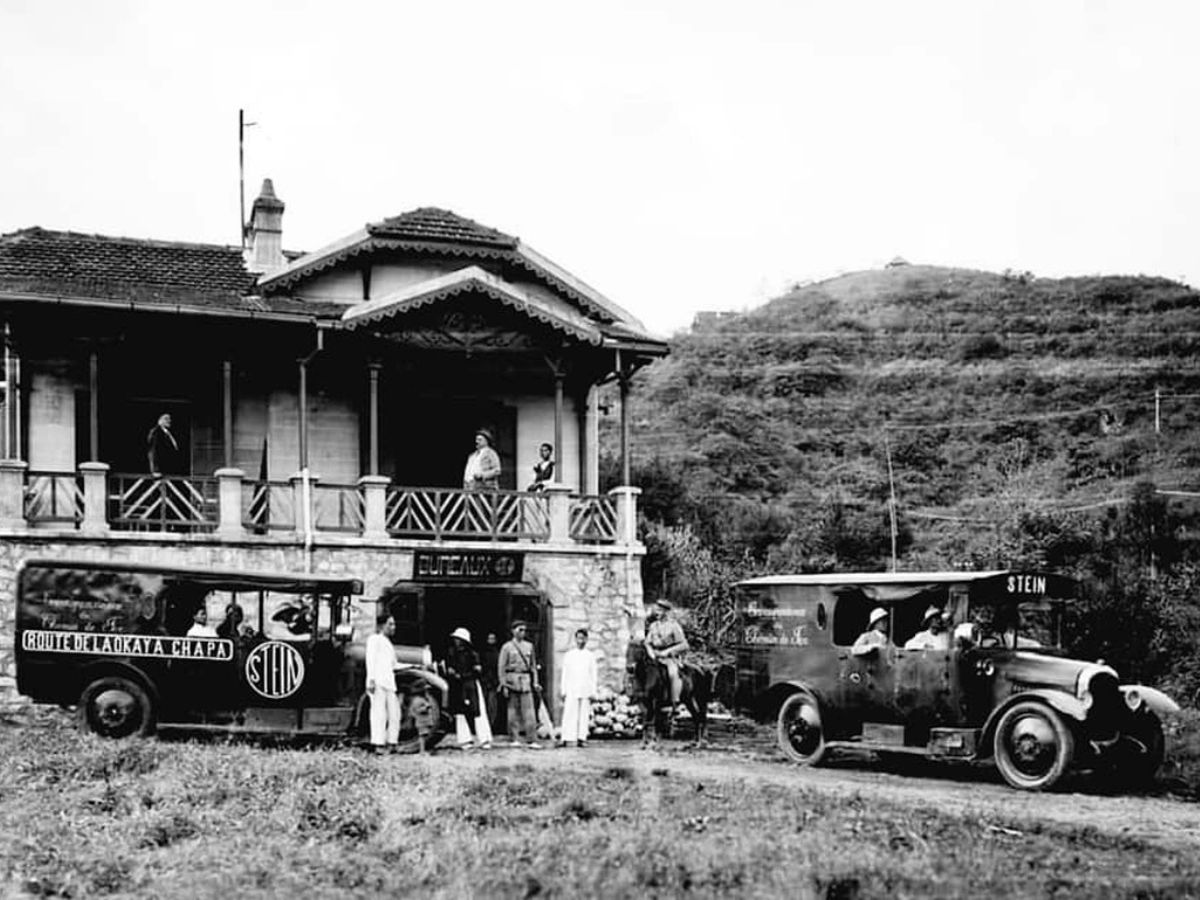
The French colonial period marked a turning point for Sa Pa. (Source: Collected)
The French colonial period marked a significant turning point in Sa Pa's history, as this wild mountainous region began to be systematically explored and planned. Milestones from 1903 to 1945 laid the foundation for Sa Pa's formation as a famous resort, leaving many architectural and cultural imprints that still exist today.
2.1. Exploration and Survey of Sa Pa in the late 19th – early 20th century
In the history of Sa Pa's formation, 1897 is considered an important milestone when the French colonial administration began conducting population surveys in the high mountainous areas of the Northwest. From here, Sa Pa first came into the observation of Western researchers and managers.
By the winter of 1903, the survey team from the Indochina Geographical Service, while mapping, discovered the Lồ Suối Tủng plateau and the village of Sa Pả. This event is considered the starting point for the birth of Sa Pa town, and simultaneously laid the foundation for its development into a famous resort destination.
In 1905, the French continued to conduct in-depth studies on Sa Pa's terrain, climate, and ecosystem. With its cool climate year-round and attractive mountainous scenery, Sa Pa was quickly promoted as an ideal resort destination for officials and the upper class at the time. Notably, in 1925, archaeologist Victor Goloubev discovered ancient rock carvings in the Mường Hoa valley, contributing to confirming the long-standing historical value of this land.
2.2. Construction of Resorts and Infrastructure Development
During the French colonial period, Sa Pa received significant investment in infrastructure. In 1909, the first sanatorium officially began operations, marking the initial development of resort tourism. By 1917, the Sa Pa tourism office was established to systematically manage and plan tourism activities.
In 1918, the first resort villa was built, initiating the formation of high-class accommodation facilities. By 1920, the Hanoi – Lào Cai road was completed, making access to Sa Pa more convenient. Concurrently, the electricity system was invested in with the Cát Cát hydroelectric power plant, with a capacity of about 100 kW, which began supplying electricity to the town from 1925.
In the 1920s, nearly 300 European-style villas were successively built, forming neighborhoods such as Khách Street, An Nam Street, and Xuân Viên Street. By 1943, Sa Pa possessed about 200 fully equipped villas, becoming a large-scale resort center with many iconic structures such as hotels, the stone church of Sa Pa, the meteorological station, and Villa Mengon for high-ranking officers.
2.3. Realizing Memories: French Architectural and Cultural Heritage Remaining
To this day, many structures built by the French still stand as historical witnesses to Sa Pa during the French colonial era. Notable examples include the stone church of Sa Pa, the ancient Tả Phìn monastery, the Cát Cát hydroelectric power plant, and ancient villas scattered on the slopes of Hàm Rồng mountain – all bearing a distinct European architectural style.
Sa Pa's landscape was once likened to a "miniature European town" amidst the Northwest mountains, with rows of cypress trees and peach orchards interspersed with ancient villas. These architectural heritages not only reflect a special historical period but also contribute to creating a unique identity, making Sa Pa a prominent destination on the Vietnamese and international tourism map. Many structures are still preserved and utilized for tourism to this day.
3. Period of Destruction, War, and Transformation (1945 – 1979)
The period of destruction slowed down the development of this land. (Source: Collected)
After a period of brilliant development, Sa Pa entered a prolonged period of destruction and disruption by war and major historical upheavals. From 1945 to 1979, this land experienced many losses but also quietly accumulated important prerequisites for its subsequent transformation.
3.1. Sa Pa during the resistance against France and America
In Sa Pa's history, the period from 1945 to the early 1950s was a time of great upheaval and challenges. Along with Lao Cai province, Sa Pa was heavily affected by the war, causing tourism activities to almost completely cease, and many architectural structures to be damaged or abandoned.
In April 1951, before withdrawing from the area, the French army carried out the destruction of most of the structures that had been built in Sa Pa. The system of villas, resorts, and tourist infrastructure was almost wiped out, returning the town to a state of wilderness as it had been decades earlier. Faced with this reality, many believed that Sa Pa would find it difficult to regain its role as a resort destination as it had in its golden age.
In the following years, the prolonged resistance against America continued to plunge Sa Pa into a state of quietude. The vibrant traces of the 1920–1930 period gradually faded into memory, giving way to a long period of silence, when tourism was no longer the main activity of this land.
3.2. Impact of the 1979 Sino-Vietnamese border war
From the 1950s to the late 1980s, Sa Pa went through many major historical events, facing successive wars, natural disasters, and the erosion of time. Many architectural structures that survived the French colonial period continued to deteriorate, creating a desolate landscape that lasted for many years.
Notably, the 1979 Sino-Vietnamese border war left deep losses for Sa Pa. The implementation of scorched-earth tactics led to the severe destruction of many architectural values and cultural heritage. The strong social and life changes also directly affected the local resident communities.
During this period, Sa Pa was mainly known for its cool climate and pristine natural landscape, while its indigenous cultural values were not yet focused on exploitation. The lack of a systematic tourism development orientation caused many traditional aspects to gradually fade, posing many challenges for Sa Pa in preserving its identity and position on the Vietnamese tourism map.
4. Reconstruction and modernization: Sa Pa rises after 1990
After decades of heavy impact from war, Sa Pa began its journey of reconstruction and strong resurgence from the 1990s. This period marked a significant transition, transforming Sa Pa from a quiet highland town into a modern national and international tourism center.
4.1. Rebuilding the town, developing tourism services
Entering 1991, along with Vietnam's policy of openness and economic integration, Sa Pa officially entered a new phase of recovery and development. After many years of quietude, domestic and international tourists began to return, creating a significant impetus for the revival of the local tourism industry.
A series of infrastructure projects were synchronously invested in, from renovating old hotels and villas to building many new modern accommodation facilities. Concurrently, the transportation, electricity, water systems, and tourism support services were upgraded, helping Sa Pa gradually meet the increasing demands of tourists.
2017 marked an important milestone when Sa Pa was recognized as a National Tourist Area with an international development orientation. This event opened up great opportunities for attracting investment, promoting its image, and improving service quality. By January 1, 2020, the establishment of Sa Pa town according to the Resolution of the National Assembly Standing Committee affirmed the locality's new position on the national economic-tourism map.
4.2. Changing landscape: From a small town to a national tourism center

The experience at Fansipan carries strong local imprints. (Source: Collected)
Today, Sa Pa has emerged as one of Vietnam's leading tourist centers, with an average annual tourism growth rate exceeding 45%. Each year, the town welcomes millions of visitors, frequently appearing on lists of the most beloved domestic destinations and ranking among the world's most attractive locations.
One of the most prominent marks of Sa Pa's modernization is the establishment of the Fansipan cable car system, making the ascent to the "Roof of Indochina" easier and safer. Sun World Fansipan Legend tourist area not only offers spectacular landscape experiences but also skillfully integrates the culture of the Northwest into its modern tourist space. At the summit of Fansipan, a large-scale spiritual complex has formed a new highlight, harmoniously combining ecological tourism with religious elements.
Furthermore, Hoang Lien National Park is being developed for sustainable ecotourism, contributing to the conservation of nature and biodiversity. Currently, Sa Pa town boasts 13 officially recognized tourist sites, including many community-based tourism routes linked to the lives, customs, and cultures of ethnic minorities. It is this blend of modernity and tradition that creates Sa Pa's unique identity, helping it maintain its distinct appeal to tourists.
5. Sa Pa's Historical Value for Tourism and Highland Development
Sa Pa's historical value lies not only in its milestones of formation through different periods but also as a crucial foundation shaping the cultural identity and development direction of highland tourism. The sustainable exploitation and preservation of its history have helped Sa Pa become a representative destination, conserving heritage while promoting local economic and social development.
5.1. Inspiring History: Culture, Identity, and Ethnic Villages
Sa Pa is considered a "living museum" preserving the unique cultural values of the H'Mong, Red Dao, and Giay ethnic groups, formed over hundreds of years of history. Looking back at the summary of Sa Pa's history, it is evident that preserving traditional identity is not only culturally significant but also plays a key role in sustainable tourism development. The image of people adorned in brocade costumes, ancient rituals, and long-standing handicraft villages creates a unique allure for Sa Pa compared to many other destinations.
Community tourism in Sa Pa thrives by being closely tied to the daily lives of the local people. In Cat Cat village, tourists can directly experience linen weaving, natural indigo dyeing, and learn about H'Mong customs. Meanwhile, Ta Van village attracts visitors with activities such as traditional Do paper making, crafting silver jewelry, and its peaceful village atmosphere amidst the Muong Hoa valley.
In addition to folk cultural values, Sa Pa also possesses many important spiritual and archaeological sites such as Mau Son Temple, Mau Thuong Temple, Hang Pho Temple, and the Sa Pa Ancient Rock Carvings Site – all recognized as National Historical Sites. These destinations help tourists gain a deeper understanding of the historical depth and spiritual life of the residents in the Northwest highlands.
5.2. Sa Pa – Gateway to Tourism, Local Economic Development

Sun World Fansipan Legend offers majestic mountain and forest views.
(Source: Compilation)
With its strategic location in the Northwest mountainous region, Sapa serves as a tourism transit hub, connecting famous attractions and strongly promoting the local economy. Among these, Sun World Fansipan Legend is a leading highlight, attracting millions of visitors annually thanks to its modern cable car system conquering Fansipan peak – the “Roof of Indochina”. This tourist area not only offers spectacular landscape experiences but also creates thousands of jobs for local people in the service, accommodation, and commercial sectors.
Besides Fansipan, landmarks such as Sapa stone church, Muong Hoa valley, Ham Rong mountain, Cat Cat village, Lao Chai – Ta Van village, or Hoang Lien National Park are also famous destinations, contributing to the diversification of tourism products. The synchronous development of these sites has helped Sapa become the economic and tourism leader of Lao Cai province, while also improving the income and quality of life for the highland communities.
By harmoniously exploiting the blend of historical values, traditional culture, and modern tourism infrastructure, Sapa is not only an attractive destination but also a prime example for sustainable tourism development strategies in the northern mountainous region.
Hopefully, the Sapa history summary has helped you better understand the formation and development journey of this misty land, from a peaceful ancient village to a famous tourist destination. The historical and cultural imprints are the foundation that creates Sapa's special charm today. This is also why Sapa always captivates travelers who love exploration and experience.