















1. What is Sa Pa Dried Buffalo Meat (Thit Say Khang Gai)?
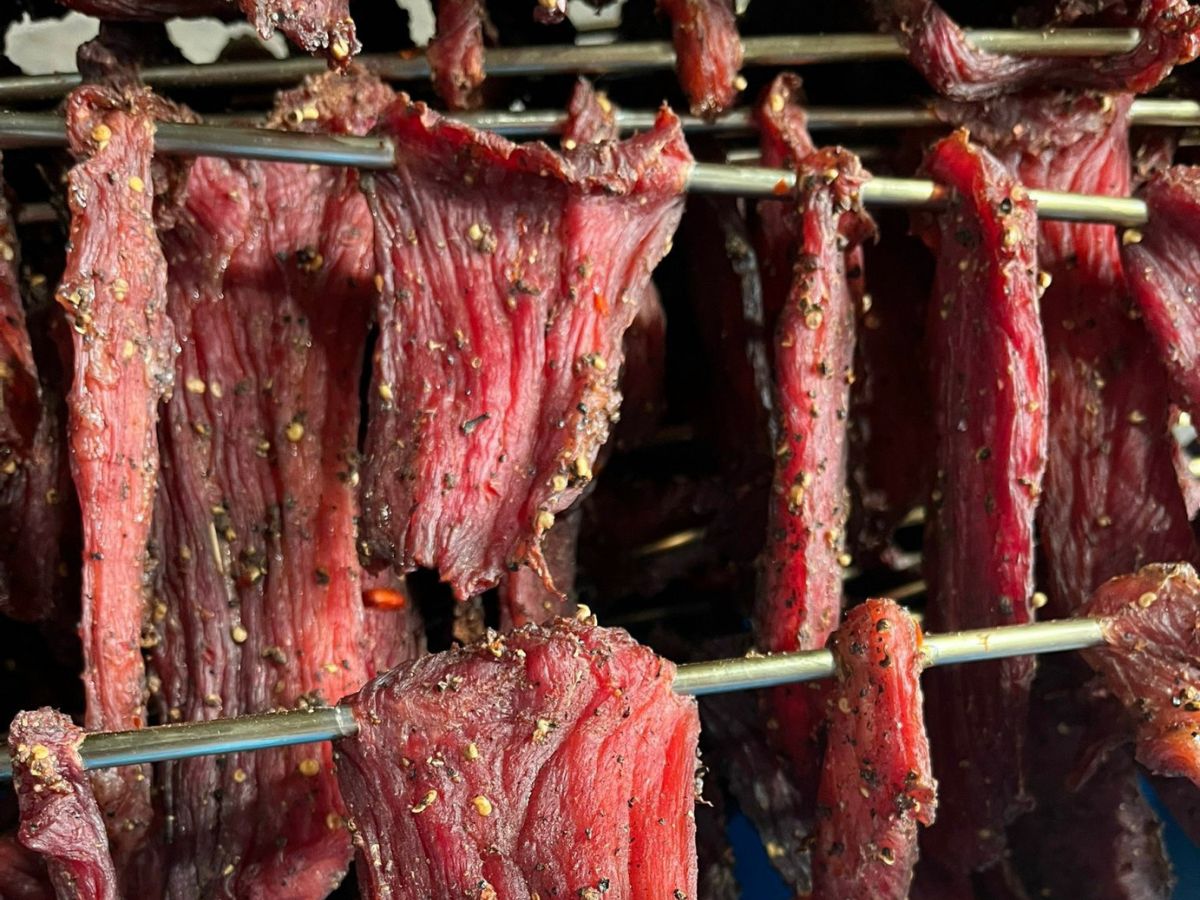
Meat is hung over the kitchen stove to dry naturally. (Source: Collected)
Khang Gai dried meat of Sa Pa is a traditional specialty dish of the H'Mong people, prepared by hanging meat over the kitchen stove to dry naturally using smoke and heat from a wood fire. Large pieces of meat, usually cut thick and weighing about 2–3 kg, are strung together in bunches and hung high in the house. Over time, the meat tightens, dries gradually, but still retains its firmness and rich flavor, becoming an important preserved food source for cold winters or long rainy seasons in the mountainous regions.
In the villages of Sa Pa, the sight of kitchen stoves hung with dried meat, corn, rice, and agricultural products is a familiar scene that has existed for generations. Khang Gai dried meat clearly reflects the creativity in food preservation methods of the highlanders, while also demonstrating their skillful adaptation to the harsh climate of the Northwest mountains. Without preservatives or modern machinery, the meat is dried entirely by the kitchen smoke, imparting a characteristic aroma, a rich sweet taste, and a unique chewy, crispy texture.
The origin of this dish is closely linked to the cultural life of the H'Mong people – a community that has lived in Sa Pa, Lao Cai for a long time. In every traditional wooden house, the hearth is not only for cooking and warming but also serves as a natural "storage pantry." Above the hearth, alongside golden ears of corn, are dark-colored pieces of khang gai meat, regularly dried in the constant smoke from the kitchen fire. Along with thang co, corn wine, or 'pig carried on the arm' (lon cap nach), khang gai dried meat is an indispensable part of the H'Mong people's meals, symbolizing their strong connection to the traditional way of life.
Compared to Sa Pa's buffalo meat hung to dry (thit trau gac bep), khang gai dried meat has several distinct differences. Thit trau gac bep is usually cut into small pieces, marinated with spices, and smoked for short-term use or as a specialty gift. Meanwhile, khang gai primarily aims for long-term preservation and can be made from various types of meat such as buffalo, beef, horse, or 'pig carried on the arm' (lon cap nach). In particular, 'pig carried on the arm' meat when made into khang gai retains its natural flavor and can be consumed year-round, surpassing conventional preparation methods.
2. Origin and Method of Making Sa Pa Khang Gai Dried Meat
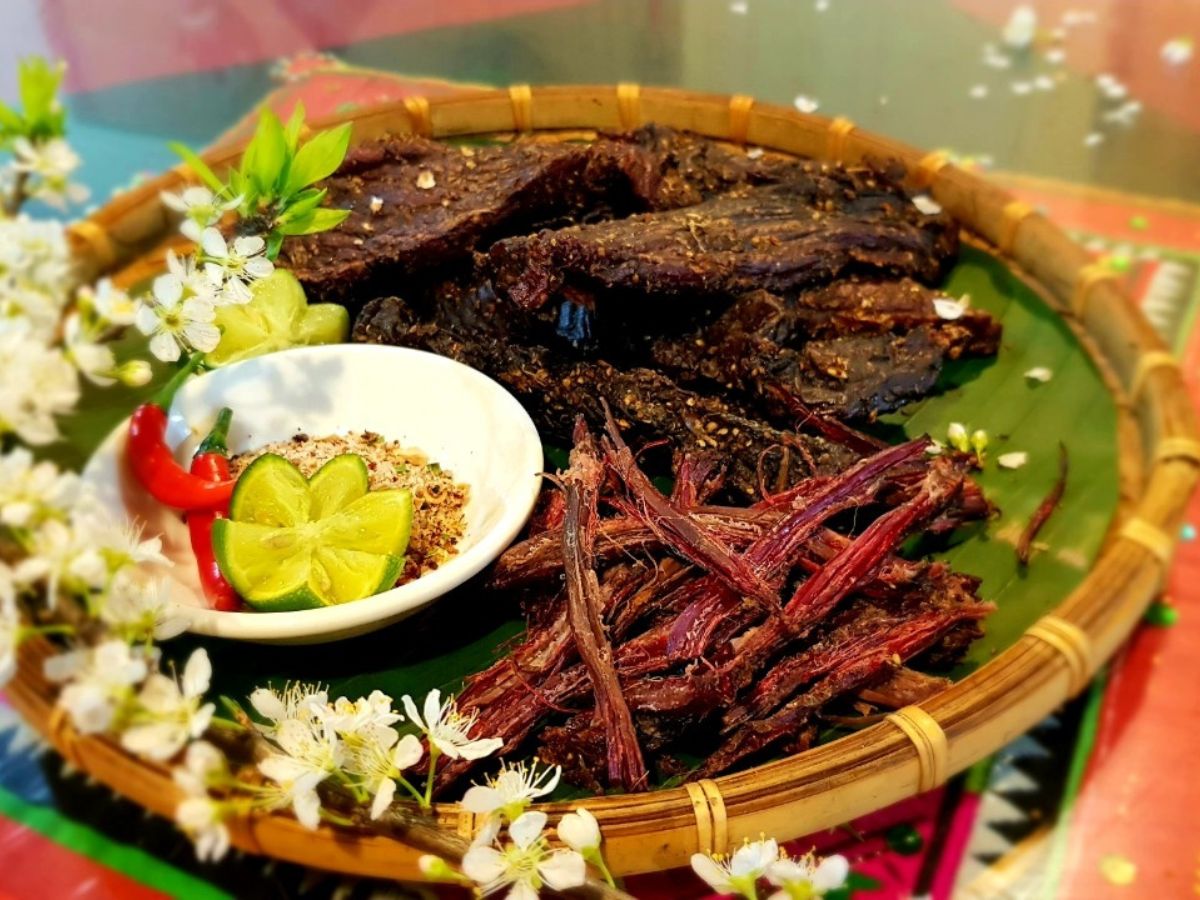
Dishes that carry the imprint of highland cuisine. (Source: Collected)
Khang gai dried meat from Sa Pa is not only outstanding for its natural sweetness, mild smoky flavor, and firm texture, but also reflects the essence of H'Mong culinary culture. The traditional processing from ingredient selection to meticulous smoking not only helps preserve it for a long time but also retains the characteristic delicious aroma of the Northwest mountains.
2.1. Ingredient Selection and Preparation Process
To create authentic Sa Pa khang gai dried meat, the H'Mong people prioritize meats such as horse, beef, buffalo, or locally raised free-range pigs. Especially, Sa Pa's "heo cắp nách" (piglet carried on the arm) is highly favored for its firm texture, rich sweetness, and low fat content. Livestock are raised naturally on mountain slopes, feeding on grass and wild vegetables, and exercising regularly, resulting in firm, aromatic meat of high quality.
During preparation, the meat is cut along the grain into large, thick strips. Choosing lean meat with a bit of fat ensures the khang gai, after drying, is not too dry, is easy to preserve for a long time, and retains its natural flavor.
After selection, the meat is cleaned, drained, and cut into large pieces of 2–3 kg before marinating. The spices used for khang gai are deeply rooted in highland culture, such as mac khen, wild pepper seeds (hat doi), cinnamon, star anise, cardamom, and wild chili. These ingredients not only create a distinctive aroma but also help with antibacterial properties, suitable for the humid and cold climate.
The difference lies in the moderate use of spices, which do not overpower the original sweetness of the meat. As a result, when smoked, the meat's aroma naturally blends with the scent of firewood, creating a unique signature for Sa Pa's khang gai.
2.2. The H'Mong's Characteristic Khang Gai Smoking Technique
After marinating, the meat is skewered with bamboo sticks or tied with straw, then hung on a wooden rack above the hearth – the center of the home. The H'Mong hearth is kept burning year-round for cooking and heating, and also provides a stable source of smoke for drying food.
The smoke evenly permeates the enclosed space, allowing the meat strips to dry gradually over time, absorbing the scent of forest wood. This method is entirely natural, requiring no sun-drying or modern drying equipment, ensuring the meat dries slowly, evenly, and retains a firm texture.
The time taken to make khang gai depends on the size of the meat pieces, the amount of smoke, and weather conditions. Typically, a 2–3 kg piece of meat needs to be hung above the hearth for several months to reach ideal dryness. When finished, the meat surface has a dark brown color, the smoke is clearly visible, it feels firm and dry to the touch, and emits a characteristic woody smoke aroma.
A prominent advantage of Sa Pa's khang gai dried meat is its ability to be hung above the hearth for many years while remaining safe. The continuous smoke helps limit bacteria and insects, preserving the meat's color and flavor.
Unlike many places that sun-dry or use industrial dryers, khang gai is naturally smoked indoors, maintaining a stable temperature and not depending on the weather. The purpose of making khang gai is also different: it is a reserve food for the family, prioritizing quality over quantity, and not mass-produced for sale.
The flavor is therefore very distinctive: not too salty, not overly sweet, no additives, just the original meat sweetness blended with a mild smoky scent, difficult to confuse with any other type of dried meat.
2.3. Preservation Purpose and Notes on Making Dried Meat
Sa Pa's climate is cold in winter with prolonged rain and humidity, making it difficult to preserve fresh food. Khang gai dried meat becomes an effective storage solution, helping the H'Mong people always have a stable source of protein during harsh times.
For villages far from markets and centers, khang gai is not only convenient but also carries cultural value. Having dried meat readily available at home signifies thorough preparation, readiness to welcome guests, and care for the family.
If hung correctly above the hearth, khang gai dried meat can maintain its quality for up to 3 years. The continuous smoke coating creates a natural antibacterial environment, limiting mold and insects. Thanks to this, the H'Mong people can make khang gai at the most favorable time of the year for gradual consumption.
During freezing cold days, khang gai is a precious food source, easily prepared into various dishes, making meals warmer and more nutritious. During Tet holidays or family gatherings, khang gai dried meat often appears with corn wine, symbolizing hospitality and community bonding.
Today, Sa Pa's khang gai dried meat is also chosen by many as a gift, as a way to convey the flavors of the mountains and the traditional culture of the Northwest highlands.
3. Flavor and How to Enjoy Sa Pa Khang Gai Dried Meat
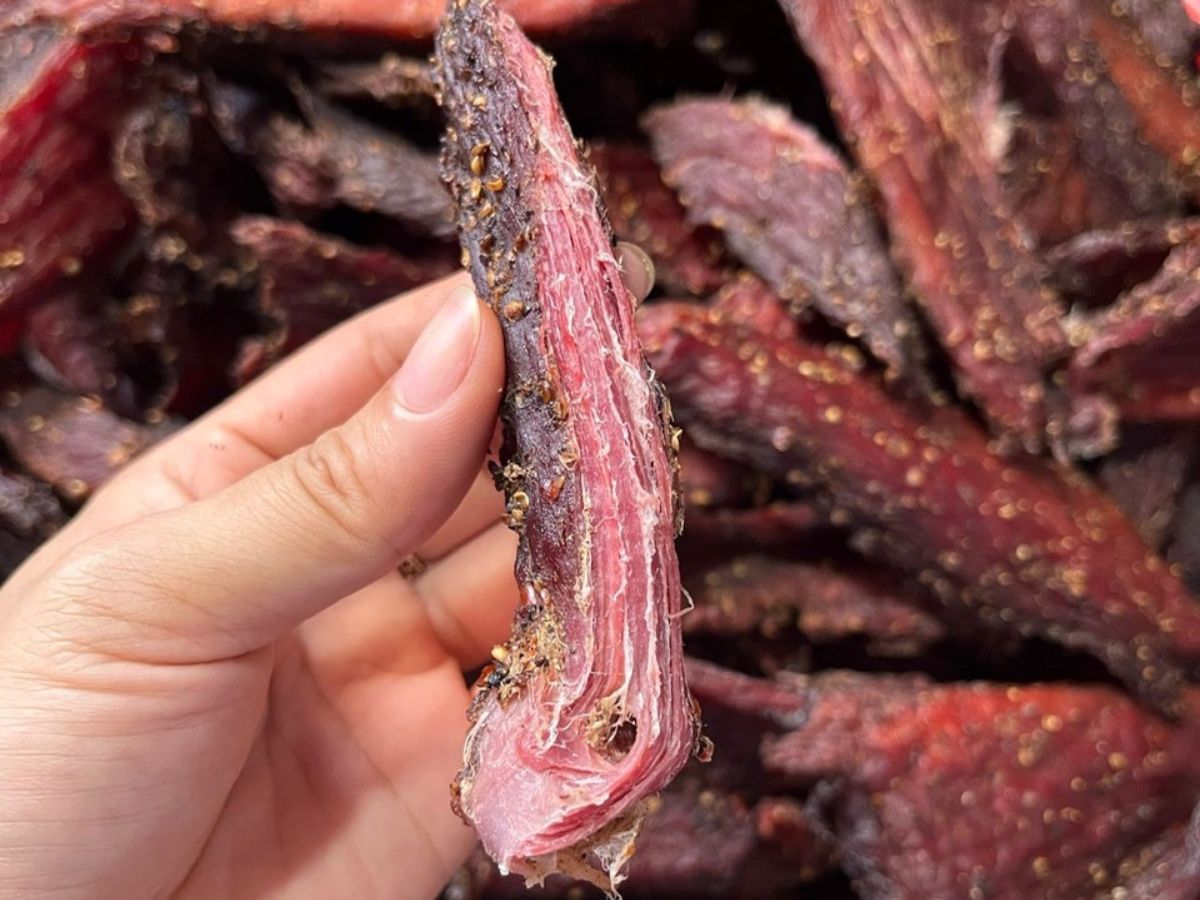
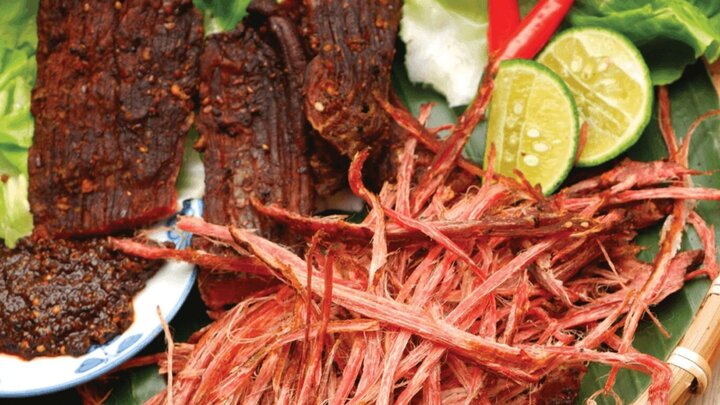
Smoke and heat from the wood stove create a distinctive flavor. (Source: Collected)
Khăng gai dried meat from Sa Pa stands out with its natural sweetness, mild smoky aroma, and a chewy yet tender texture, deeply reflecting the H'Mong ethnic cuisine of the Northwest mountains. To fully enjoy it, consumers can dip it in chẳm chéo (a special dipping sauce), chili salt, or cook it with wild vegetables and sour bamboo shoots, while also applying simple preservation tips to keep it fresh at home.
3.1. Identifying the Distinctive Flavor
Khăng gai dried meat from Sa Pa impresses with the natural sweetness of local meat, its dark exterior from long smoking. When tasted, you will clearly feel the slight crispness on the outside, a firm yet tender texture inside, accompanied by the aroma of wood smoke permeating every fiber of the meat.
The smoky scent of khăng gai is not harsh but gentle, evoking a warm feeling like gathering around a highland bonfire. Chewing slowly, the meat gradually softens, leaving a pleasant, slightly sweet and savory aftertaste. Compared to gác bếp buffalo meat, which is chewy and intensely flavored, khăng gai offers a more harmonious flavor, being easier to eat and suitable for a wider audience.
Thanks to the diverse use of ingredients such as suckling pig, beef, buffalo, or horse, khăng gai dried meat from Sa Pa has a flexible texture, not too tough, and is easy to prepare. The delicate, sweet meat flavor combined with the characteristic smoky aroma makes this dish suitable to eat with rice and ideal as a snack during gatherings.
3.2. How to Enjoy Khăng Gai Dried Meat Properly
Khăng gai dried meat from Sa Pa is not only delicious due to its natural flavor but also best appreciated when enjoyed correctly to fully capture the essence of H'Mong cuisine. Pairing it with chẳm chéo, chili salt, or cooking it with wild vegetables and sour bamboo shoots enhances its sweet and savory taste, offering an authentic Northwest mountain experience.
According to the traditional H'Mong method, khăng gai is taken down from the drying rack, cleaned of excess smoke, and then cut into bite-sized pieces. The most popular way to eat it is by dipping it in chẳm chéo – a famous Northwest condiment made with chili, mắc khén, and wild herbs, which enhances the sweetness and richness of the dried meat.
Besides chẳm chéo, many people enjoy khăng gai with chili salt or a squeeze of lime or kumquat to add a slight tanginess and reduce any feeling of richness. This way of eating is especially suitable when paired with corn wine, offering a true Sa Pa experience.
Khăng gai dried meat is also very versatile: stir-frying it with chayote, cabbage, sour bamboo shoots, or wild vegetables all result in a flavorful and nutritious dish. In particular, khăng gai stir-fried with sour bamboo shoots creates a balance between sweet richness and a light sourness, a combination highly favored by many highland families.
During guest receptions, hosts often grill khăng gai in the embers until hot, then pound it gently to loosen the meat, preserving its smoky flavor while creating a tender and sweet texture. This is a highly favored appetizer or snack with wine during holidays and gatherings with friends.
3.3. Tips for Preservation and Enjoyment at Home
To fully enjoy the distinctive flavor of khăng gai dried meat from Sa Pa at home, proper preservation is key to maintaining its crispness and natural aroma. Simple tips like storing it in a dry place, wrapping it with absorbent paper, or using the refrigerator's cool compartment will help keep khăng gai fresh and ensure it's safe to eat or give as a gift.
To preserve the full flavor of khăng gai dried meat from Sa Pa, it should be stored in a dry, cool place, away from direct sunlight. If you don't have a drying rack, you can wrap the meat in newspaper or absorbent paper and place it in a sealed container to limit moisture.
Avoid using plastic bags as they can trap moisture and cause mold. Check periodically and replace the wrapping paper when it becomes damp. For long-term storage, khăng gai can be sealed and kept in the refrigerator's cool or freezer compartment, provided the meat was completely dried beforehand.
When buying khăng gai dried meat from Sa Pa as a gift, prioritize vacuum-sealed or well-packaged products from reputable stores to ensure quality. If traveling long distances, keep the meat in your carry-on luggage, away from hot and humid areas, and add extra padding to protect it, ensuring the khăng gai retains its deliciousness and characteristic aroma.
4. Cultural Significance and Tourism Value of Khăng Gai Dried Meat from Sa Pa
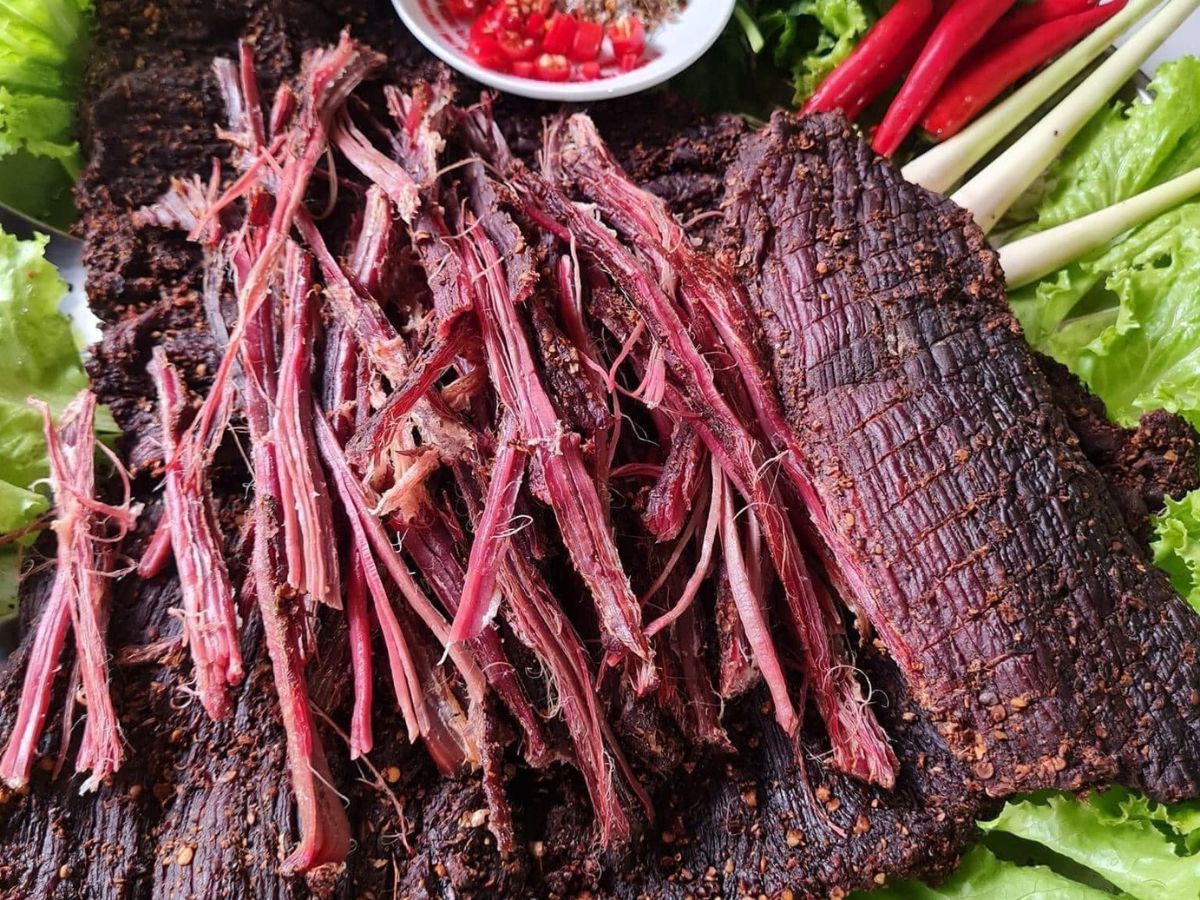
Handmade processing preserves local cultural nuances. (Source: Collected)
Dried Khang Gai Meat of Sa Pa is not only a traditional dish associated with the life of the H'Mong people but also carries profound cultural value, demonstrating the ingenuity, patience, and hospitality of the ethnic people in the highlands. Today, Khang Gai has become a unique tourist specialty, helping visitors experience the rustic mountain flavors and bring back unforgettable culinary memories from Sa Pa.
4.1. Role in the life of the H'Mong people
For the H'Mong people in Sa Pa, dried Khang Gai meat is not just a familiar food but also carries deep spiritual value. On the kitchen racks of each traditional wooden house, the hanging meat strips silently represent thorough preparation for a long life, while also holding family affection through every rainy and sunny season.
During Tet holidays, weddings, or community gatherings, Khang Gai meat is always present on the feast table, becoming a bond connecting members and demonstrating the solidarity of the village. Enjoying dried meat together is not simply about eating and drinking but also a way to share and encourage each other to overcome the difficulties of highland life.
In the cold winter or when welcoming distinguished guests, Dried Khang Gai Meat of Sa Pa is often prepared, showing the hospitality and respect of the host. Each piece of meat is the result of meticulous work, requiring experience and patience passed down through generations.
Through the process of making Khang Gai, H'Mong mothers and grandmothers not only teach their children and grandchildren food preservation techniques but also impart lessons about caring for the family, preserving traditions, and responsibility to the community. For many children who have left their hometowns, the taste of Dried Khang Gai Meat of Sa Pa evokes childhood memories, warm hearths, and family ties in the village.
4.2. Dried Khang Gai Meat of Sa Pa in the tourist experience
Today, Dried Khang Gai Meat of Sa Pa has gradually become a popular gift chosen by many tourists when visiting this land. The unique name and the cultural story behind the dish make many people curious, wanting to experience and learn more about the local cuisine.
Bringing Khang Gai meat home as a gift is not just about sharing the specialty's flavor, but also a way to recount memorable experiences from the Sa Pa trip to relatives and friends. Many tourists, after tasting it, are impressed with the natural sweetness and the subtle smoky aroma, considering it one of the unforgettable culinary highlights.
Among many famous specialties such as grilled buffalo meat, suckling pig, salmon, corn wine, or apple cider wine, Dried Khang Gai Meat of Sa Pa still creates its own distinctiveness thanks to its traditional processing method and long-standing cultural value. This is not a mass-produced dish, but a product closely tied to the life of the H'Mong people, reflecting the harmonious relationship between humans and the mountain nature.
Furthermore, its long shelf life makes dried Khang Gai meat very convenient for long-distance travel, suitable as a tourist souvenir. For those who love exploring local cuisine, Khang Gai is not only attractive for its rustic flavor but also for the cultural stories, customs, and way of life embedded in each piece of meat, offering a complete experience when visiting Sa Pa.
5. Reputable places to buy Dried Khang Gai Meat of Sa Pa
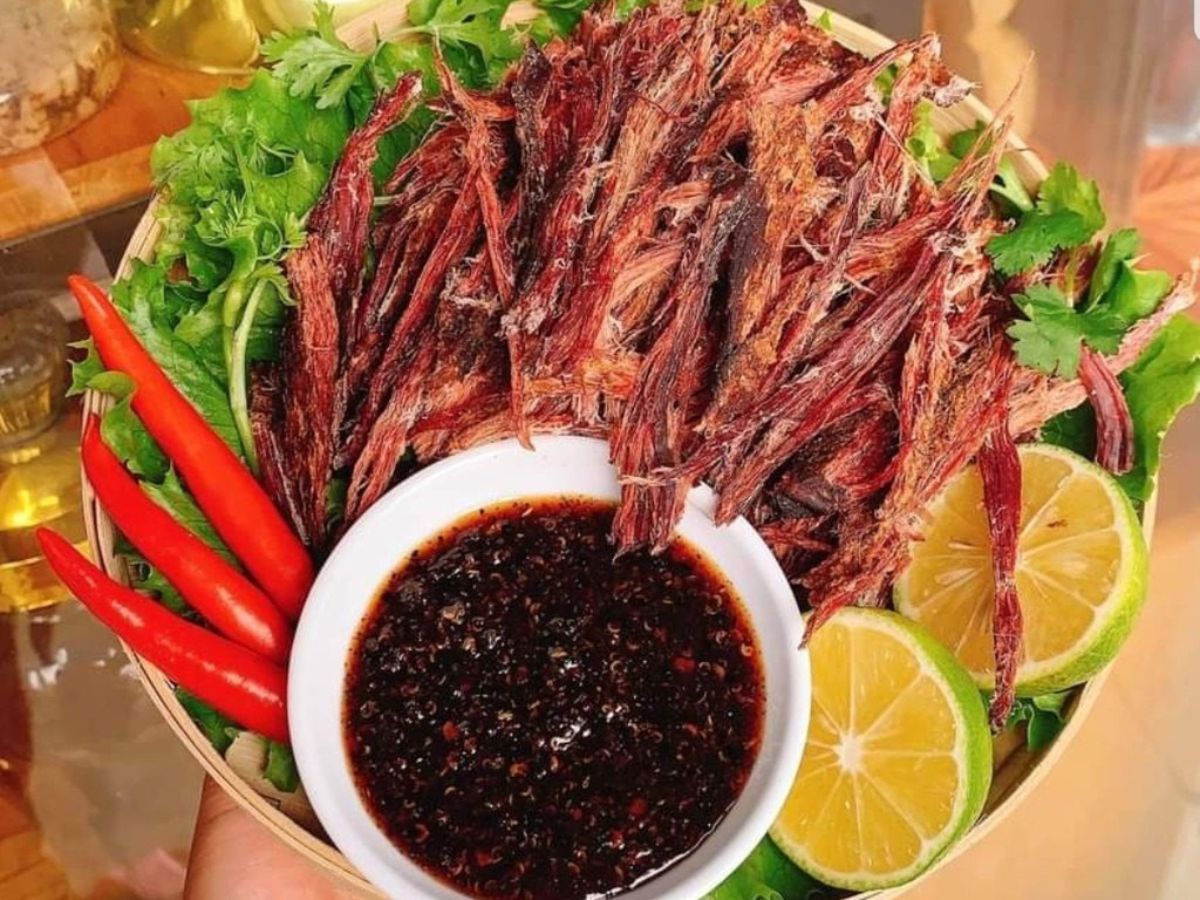
Dishes carrying deep cultural value of the highlanders. (Source: Collected)
If you want to enjoy authentic khang gai dried meat Sapa or buy it as a gift, choosing a reputable address is very important. Many shops, night markets, and traditional villages in Sapa not only provide quality products but also offer a unique culinary cultural experience of the Hmong ethnic group.
To enjoy the authentic flavor or choose to buy khang gai dried meat Sapa as a gift, you can visit Viet’s Farm store at 26 Dong Loi Street, Sapa, Lao Cai. This is a trusted address for many tourists thanks to its clear origin, stable quality, and careful packaging, suitable for long-distance travel.
Besides, the Sapa walking streets and Dien Bien Phu street night market also have many shops selling highland specialties. Here, khang gai dried meat is often sold alongside many other smoked meats, allowing you to easily compare and choose according to your needs and desired price.
If you love local experiences, you should spend time visiting Hmong villages such as Cat Cat, Ta Van, Ta Phin. Not only can you enjoy authentic khang gai made by the locals themselves, but you also have the opportunity to observe the traditional meat drying process directly and understand more about the unique culinary culture of the Sapa highlands.
6. Tourism combined with Sapa culinary experience

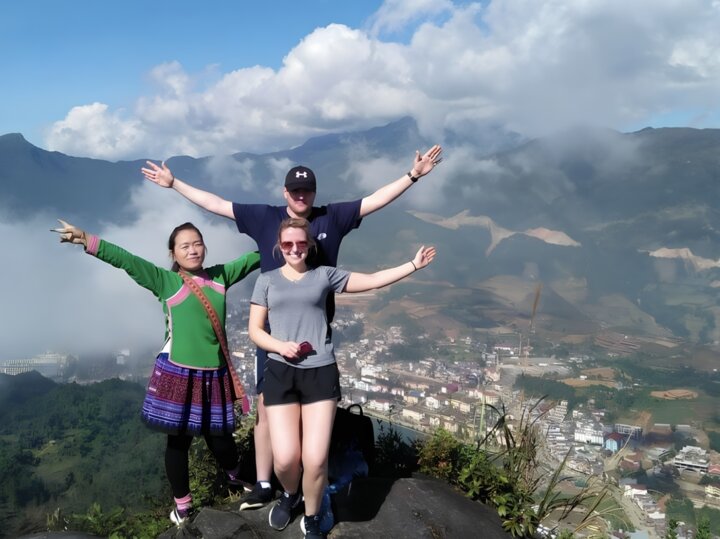
Sun World Fansipan Legend offers majestic mountain and forest views.
(Source: Collected)
The journey to discover Sa Pa dried meat (khang gai) will be more complete when combined with famous sightseeing activities.
After experiencing the cable car at Sun World Fansipan Legend and conquering Fansipan peak – the “Roof of Indochina”, visitors can stop to enjoy characteristic highland specialties, among which khang gai is always a favorite choice. Not only impressing with its landscape and spiritual structures, Sun World Fansipan Legend also provides a space for visitors to access the culture of ethnic groups in the Northwest. Here, many restaurants serve diverse local cuisine such as dried meat (khang gai), thang co, suckling pig, stream fish, corn wine… offering a culinary experience full of Sa Pa flavor. Combining sightseeing with local culinary exploration makes the Sa Pa trip richer, satisfying both the eyes with majestic nature and the palate with unforgettable mountain flavors.
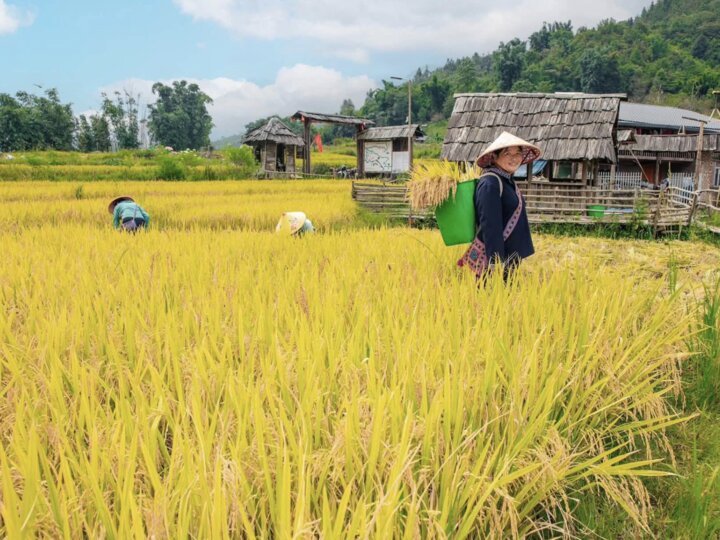
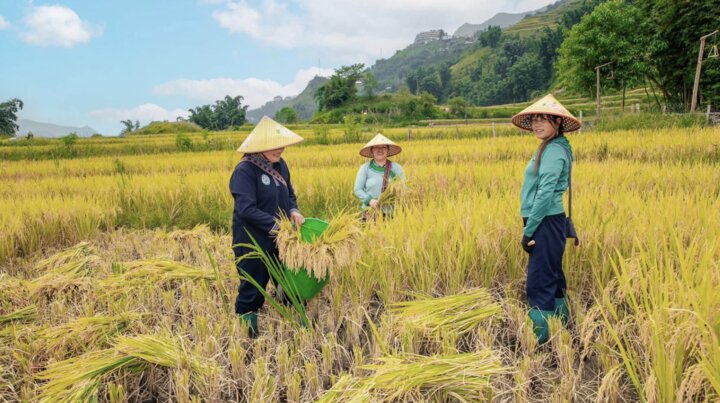
To understand more about Sa Pa dried meat (khang gai), you should take time to visit the H'Mong villages around the center. Cat Cat village with winding paths amidst mountains, Ta Van known for its long terraced fields, or misty Ta Phin are all attractive destinations for cultural exploration. In the villages, visitors have the opportunity to witness firsthand the traditional process of making khang gai: from selecting meat, preparing it, to hanging it over the kitchen stove and smoking it for months. Local people are always open and willing to share stories, experiences, and the cultural significance associated with this dish. Especially, you can also buy dried meat (khang gai) directly from the production site, ensuring the original flavor without intermediaries. This is not only a meaningful specialty gift but also a memorable souvenir of Sa Pa's culture, people, and cuisine.
Sa Pa dried meat (khang gai) is a specialty that carries the culinary cultural imprint of the Northwest highlanders. With its rich flavor, smoky aroma, and traditional preparation method, this dish leaves many visitors with a lasting impression from the first taste. If you have the chance to visit Sa Pa, don't forget to explore and experience dried meat (khang gai) to fully appreciate the culinary essence of this region.