















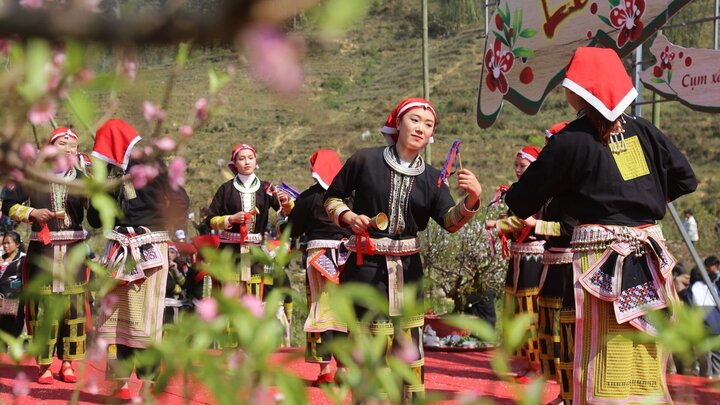
1. Overview of the culture of the Red Dao people of Sapa
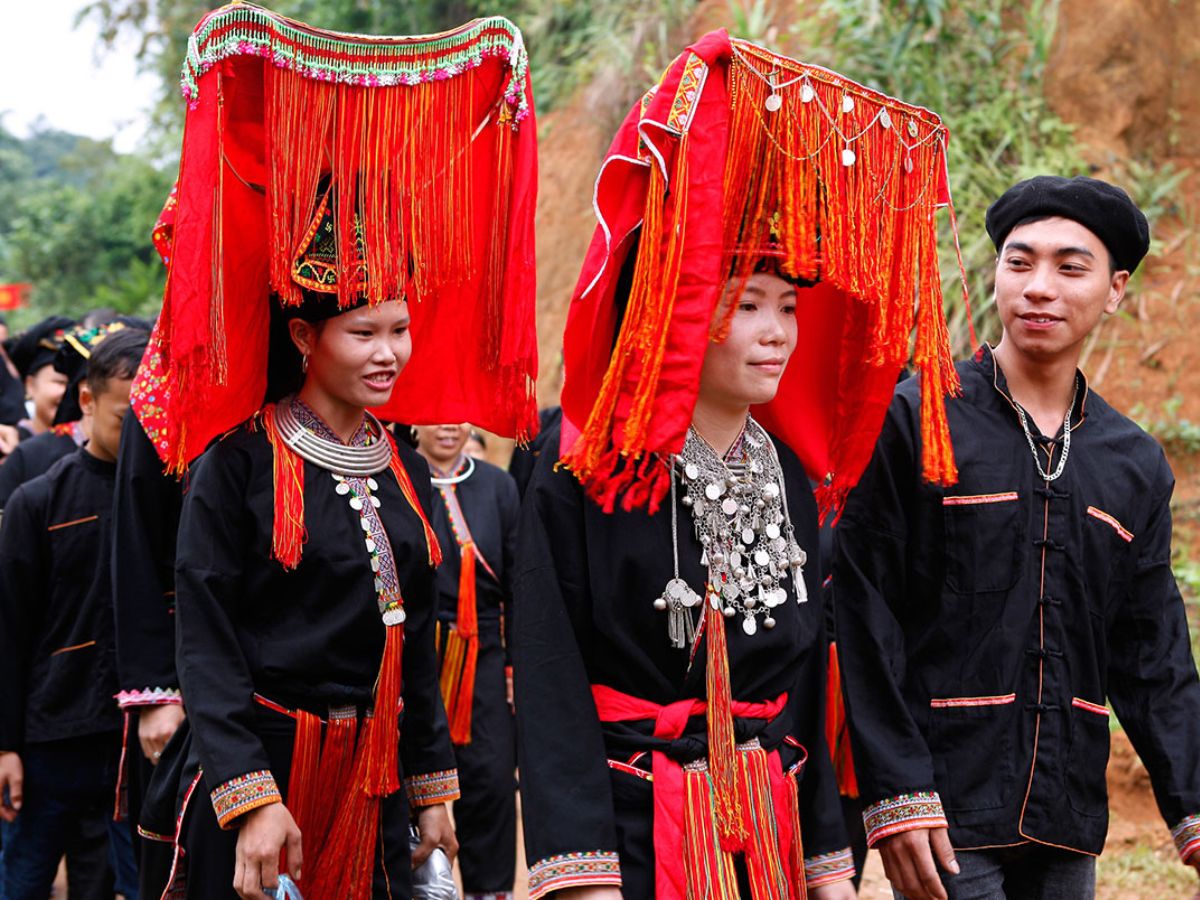
The Red Dao people of Sapa are a representative ethnic community of the Northwest.
(Source: Compilation)
The Red Dao people of Sapa are one of the representative ethnic minority communities of the Northwest mountainous region, and rank second in population in Sapa, after the H'Mong people. Over many generations of settlement and living, the Red Dao people have formed a unique culture, clearly expressed through traditional festivals, elaborate handmade costumes, and a spiritual ritual system with its own identity.
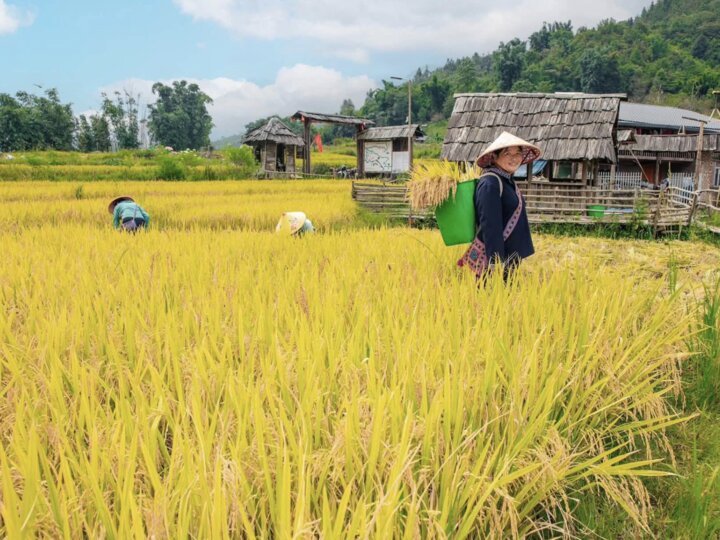
One of the striking differences of the culture of the Red Dao people in Sapa lies in their living space. Instead of choosing high mountain slopes like the H'Mong people, the Red Dao people often settle in low valleys, near streams and natural water sources. This creates favorable conditions for rice cultivation, animal husbandry, and stable agricultural development. Their lifestyle, closely connected with nature, has contributed to forming a cultural identity that is both simple and enduring over time.
The cultural origins of the Red Dao people began with migrations from the northern mountainous regions down to Sapa hundreds of years ago. During the process of adapting to the rugged terrain and harsh climate, this community not only preserved the traditional values of their ancestors but also created many new customs and practices suitable for the local living conditions, forming a distinct cultural character that cannot be mistaken.
Ta Phin village is considered the cradle of the Red Dao people in Sapa, where tourists can experience the culture of the Red Dao people in Sapa most authentically. Located about 12 km from the center, this village is situated amidst a lush green valley, nổi bật with terraced fields winding along the mountain slopes, creating a harmonious and peaceful natural landscape.
The housing architecture of the Red Dao people is mainly wooden stilt houses, designed to suit the cold and humid climate of the highlands. The house is not only a place for family activities but also the space where community activities take place, such as weaving, embroidering traditional patterns, and teaching handicrafts to the younger generation. By cultivating terraced fields and utilizing natural water sources, the Red Dao people maintain a stable life, closely bound to the land and nature of Sapa.
2. Traditional costumes of the Red Dao people in Sapa
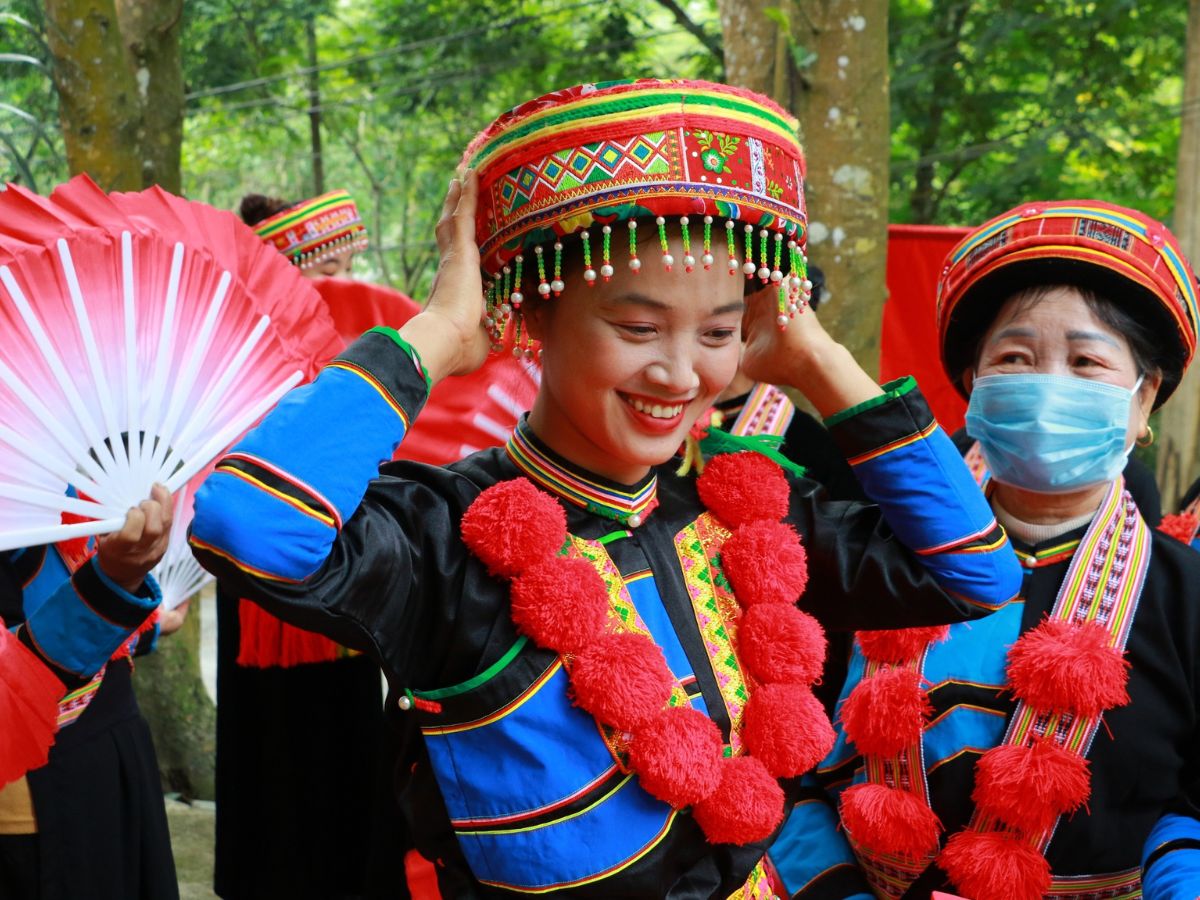
Elaborate handmade costumes showcase craftsmanship and unique identity. (Source: Collected)
In the colorful tapestry of the culture of the Red Dao people of Sapa, traditional costumes are always the most prominent and recognizable feature. Each outfit not only serves daily life but also measures age, status within the community, and the skill of Red Dao women. Through every stitch, the costumes become a means of preserving cultural memories passed down through generations.
2.1. Outstanding Features of the Costumes
The Red Dao costumes make a strong impression with the prominent red color on the headscarves – a symbol of vitality, belief, and good luck. A complete traditional costume typically includes a long-sleeved shirt, an embroidered bodice, leg wraps, and a red scarf, all handcrafted with high sophistication.
The main material is self-woven linen fabric, notable for its durability, good warmth retention, and suitability for the cool climate of Sapa's highlands. Hand-embroidered patterns depict mountains, rivers, streams, and spiritual symbols, reflecting the strong connection between humans and nature. Additionally, silver jewelry such as necklaces, earrings, and bracelets not only enhances the beauty of the costumes but also carries meanings of protection and good fortune according to folk beliefs.
Embroidery art plays a central role in the lives of the Red Dao people and is taught directly from mother to daughter. This is not just a life skill but also a way of preserving cultural identity through generations.
2.2. Traditional Embroidery and Weaving Craft
In Ta Phin village, the brocade weaving craft of the Red Dao people has become an attractive cultural feature, drawing many tourists who want to learn more about the culture of the Red Dao people of Sapa. To complete a traditional costume, the Red Dao people must go through many meticulous stages such as growing flax, separating fibers, spinning thread, weaving fabric, and embroidering patterns, a process that can take months.
Girls in the Red Dao community usually start learning embroidery at a very young age, around 7–8 years old. They observe adults, practice stitches, and gradually master color combinations and the creation of complex patterns. Each family possesses its own unique patterns, preserved as a "signature" of the lineage, contributing to the richness and uniqueness of the traditional weaving and embroidery art of the Red Dao people of Sapa.
3. Festivals and Traditional Ceremonies of the Red Dao People of Sapa Culture
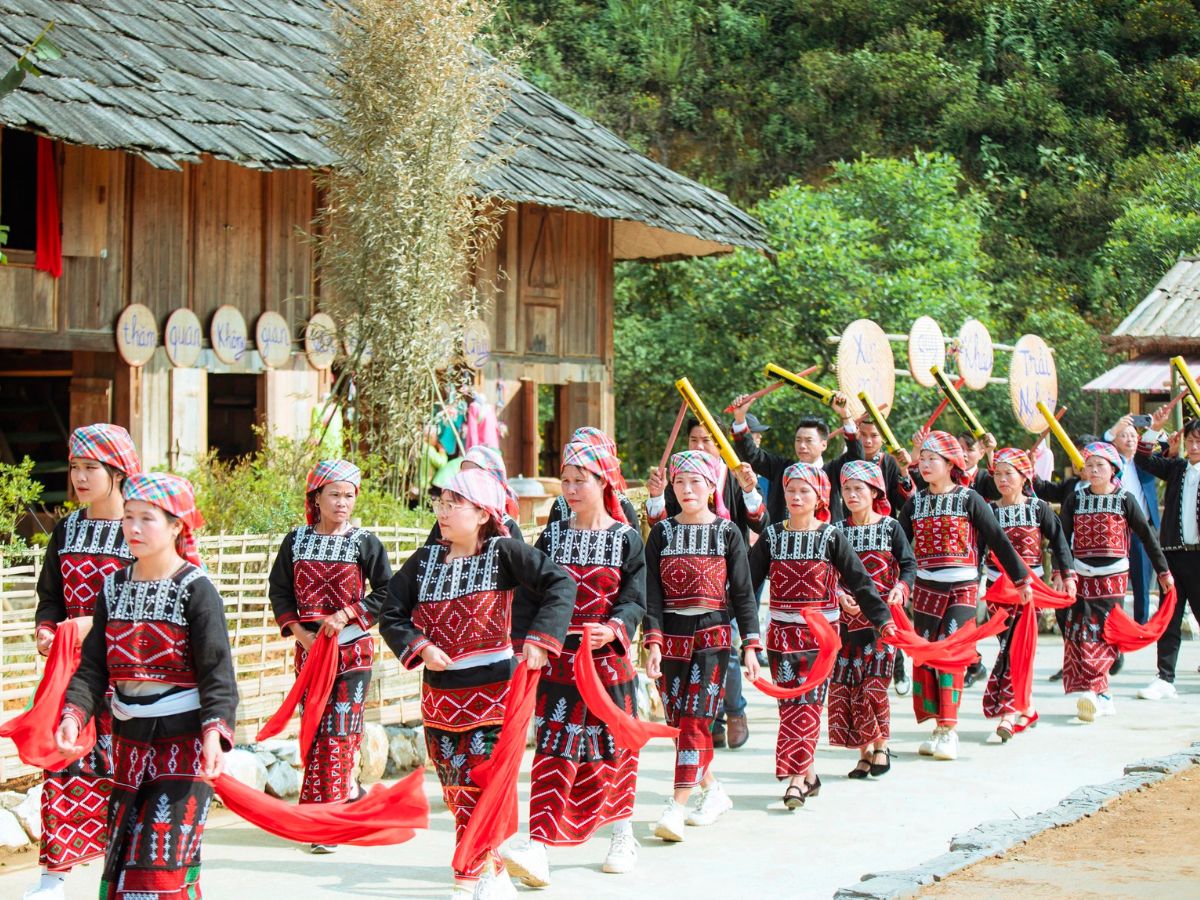
Traditional festivals deeply reflect the local cultural life. (Source: Collected)
The system of festivals and folk rituals is the "soul" that creates depth for the culture of the Red Dao people of Sa Pa. Through sacred rituals held periodically, the community not only expresses spiritual beliefs but also strengthens kinship ties, preserves, and passes down cultural identity to subsequent generations.
3.1. Cap Sac Ceremony: A Sacred Rite of Passage
In the spiritual life of the Red Dao people, the Cap Sac ceremony holds a particularly important position, considered a milestone confirming the maturity and social status of men. This ritual is usually organized for odd numbers of participants, from 3, 5, 7, up to a maximum of 13 people, lasting from 3 to 7 days depending on the scale of each family.
Preparations for the Cap Sac ceremony require the participation of the entire family and clan. The shaman plays a central role, responsible for choosing auspicious dates, arranging offerings, and directing the entire ritual according to ancient traditions. After completing the Cap Sac ceremony, the person who received the blessing is officially recognized by the community, has the right to participate in communal rituals, discuss village affairs, and receive respect in social life. This is not only a personal ritual but also signifies the affirmation of community order and discipline within the culture of the Red Dao people of Sa Pa.
3.2. Tet Nhay, Put Tong, and Seasonal Festivals
Put Tong, also known as Tet Nhay (Jumping Festival), is the most typical and colorful traditional festival of the Red Dao people, usually taking place in the first lunar month. In the Dao language, "Put" means jump, and "Tong" means general, expressing the spirit of solidarity as the entire community joins in sacred dances to pray for peace, health, and abundant harvests.
The Put Tong ritual consists of 11 main rites presided over by the shaman, among which the most prominent is the ritual of jumping over hot coals – also known as the charcoal bath ritual, exclusively for men. Overcoming the glowing coals is believed to dispel bad luck, purify the body, and bring good fortune for the new year. The festival space becomes lively with the sounds of drums and gongs echoing throughout the village, creating an atmosphere that is both sacred and festive.
Besides the spiritual aspect, the Put Tong festival is also an occasion for young Red Dao people to meet and interact through traditional folk songs, contributing to community bonding and maintaining the unique cultural flow of the Red Dao people of Sa Pa.
4. Cultural Experiences of the Red Dao People of Sa Pa for Tourists
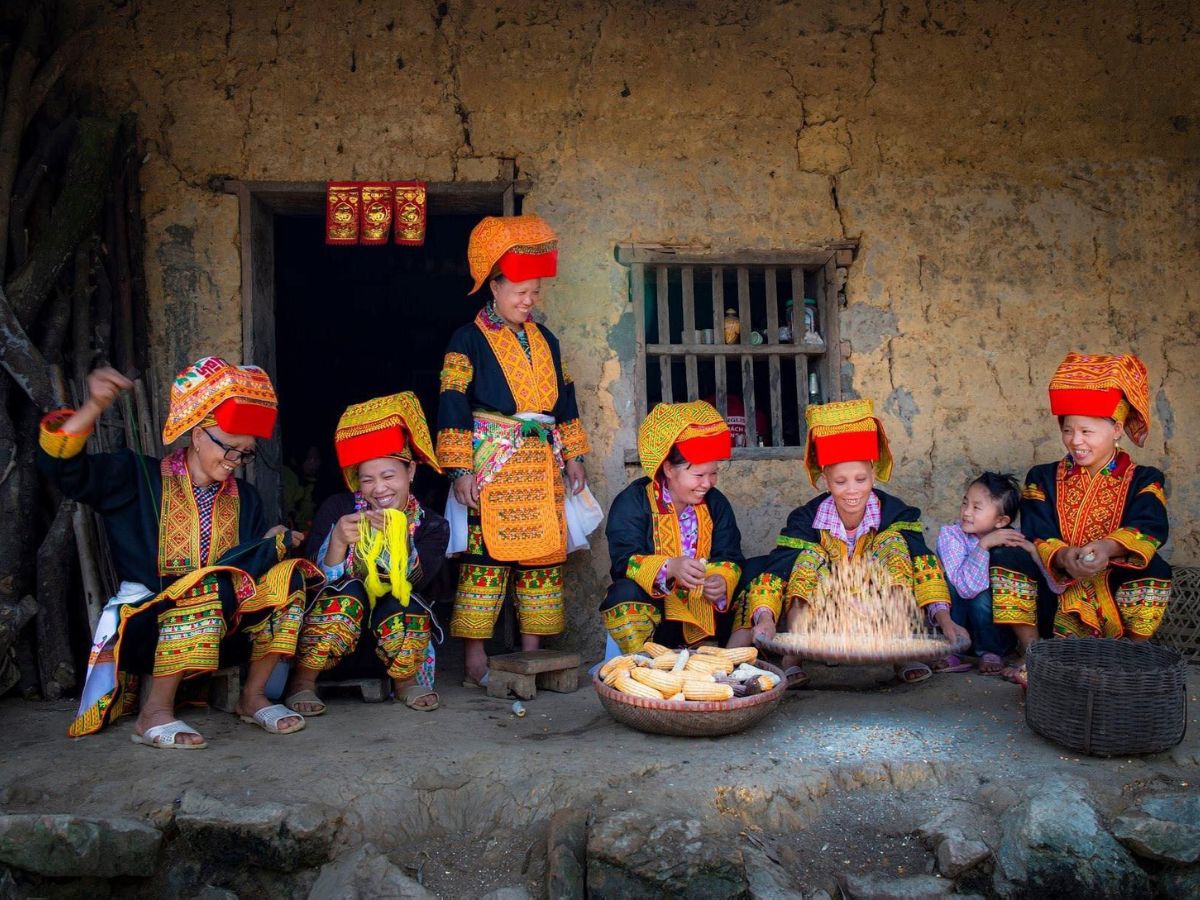
Red Dao culture contributes to the unique character of Sa Pa. (Source: Collected)
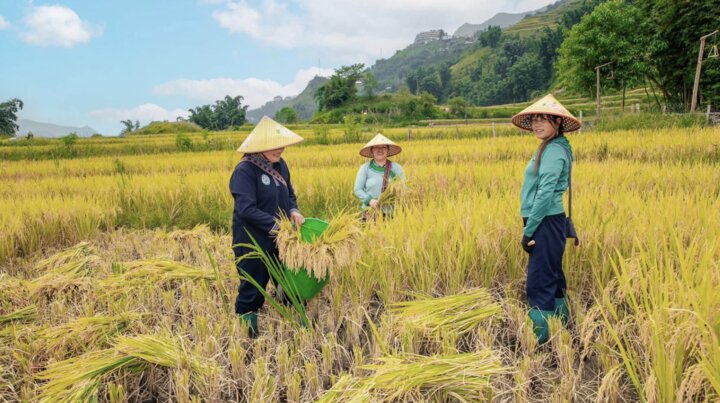
Exploring the culture of the Red Dao people of Sa Pa through community-based tourism is becoming a popular trend among many tourists, especially for those who want to authentically understand local life. Instead of just hearing stories, visitors have the opportunity to directly participate in daily activities, labor, and traditional customs, thereby clearly feeling the cultural identity of the Red Dao people amidst the Northwest mountains.
Besides the familiar Ta Phin village, Ban May Sa Pa is emerging as a typical destination to experience the Red Dao culture combined with many other ethnic minorities such as Hmong, Giay, and Tay. The space of Ban May is built according to an open cultural village model, where tourists can observe and participate in handicraft activities, folk rituals, and traditional cultural performances in a harmonious natural setting. This is an ideal destination for those who want to understand the overall colorful cultural tapestry of Sa Pa, in which the Red Dao people play a prominent role.
In the villages of the Red Dao people, tourists can directly learn traditional brocade weaving under the guidance of experienced elders. From the process of processing flax fiber, setting up the loom, to the techniques of embroidery and color coordination, each stage offers an interesting and culturally rich experience. Trying on Red Dao costumes with their characteristic red color is also a highlight that many tourists love when exploring the culture of the Red Dao people of Sa Pa.
Another essential experience is the Red Dao herbal bath, using forest herbs collected according to traditional family recipes. According to folk beliefs, this therapy helps relax the body, restore health after a long journey, and bring a sense of balance to both physical and mental well-being. Additionally, choosing to stay at a Red Dao homestay allows tourists to immerse themselves in daily life, cooking, farming, caring for livestock with the host family, and listening to cultural stories passed down through generations.
5. Useful Tips for Exploring the Culture of the Red Dao People of Sa Pa
Exploring the culture of the Red Dao people of Sa Pa is an enriching journey, bringing visitors closer to the life, beliefs, and unique customs of one of the prominent ethnic communities in the Northwest region. To ensure a smooth and memorable trip, equipping yourself with useful tips from the start is essential.
To make your journey of discovering the culture of the Red Dao people of Sa Pa complete and meaningful, tourists should prepare in advance both knowledge and personal belongings. Preliminary research on the customs, beliefs, and lifestyle of the Red Dao people will not only help you easily integrate into local life but also show respect for the local community, minimizing unnecessary misunderstandings.
The most ideal time to visit the Red Dao villages is in the first lunar month, when many traditional festivals are held vibrantly, notably the Pút Tồng festival (New Year's Dance). This is a rare opportunity for tourists to witness fire dancing rituals, folk performances, and community activities imbued with unique cultural identity. Regarding clothing, prioritize comfortable, warm clothing and low-heeled shoes for easy movement on hilly terrain and terraced fields.
During your visit and photography, especially when attending spiritual ceremonies, tourists must ask for permission from the locals or the village chief before taking pictures. Avoid using flash, maintain a quiet atmosphere, and refrain from standing too close to the ritual area to ensure solemnity. When invited to participate in traditional meals or enjoy local wine, you should follow the order of toasts from the elders in the village, showing respect for customs and proper cultural exchange.

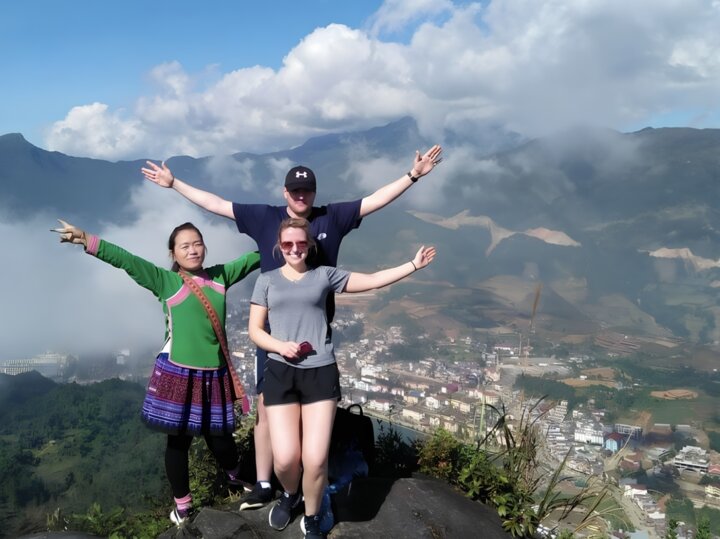
Sun World Fansipan Legend offers majestic mountainous scenery views.
(Source: Collected)
Besides the journey of exploring the life and culture of the Red Dao people in the highland villages, visitors can spend more time visiting Sun World Fansipan Legend for a complete Sapa trip. This tourist complex not only offers the experience of conquering Fansipan peak by its modern cable car system but also impresses with majestic natural landscapes and the characteristic cultural – spiritual space of the Northwest region. Combining a visit to Sun World Fansipan Legend helps visitors gain a comprehensive perspective on the natural beauty, beliefs, and cultural depth of Sapa after learning about the traditional identity of the Red Dao people.
The culture of the Red Dao people in Sapa is a vibrant picture crystallized from ethnic identity, traditional festivals, and characteristic highland cuisine. Learning about the life and customs of the Red Dao people not only makes the trip more meaningful but also provides a deep insight into the culture of the Northwest. Hopefully, the above sharing will inspire you to explore Sapa in a more complete and authentic way.