















1. Overview of the dining experience with Sa Pa ethnic people
The dining experience with Sa Pa ethnic people is not merely a meal, but a journey to fully explore the cultural life of the Northwestern highlanders. Amidst the characteristic chilly atmosphere of Sa Pa at night, sitting by a warm fire, enjoying traditional dishes, and listening to the everyday stories of the H'Mong, Red Dao, or Tay people offers a very different feeling compared to ordinary restaurants. This is one of the experiences many tourists love for its authenticity, closeness, and emotional richness.
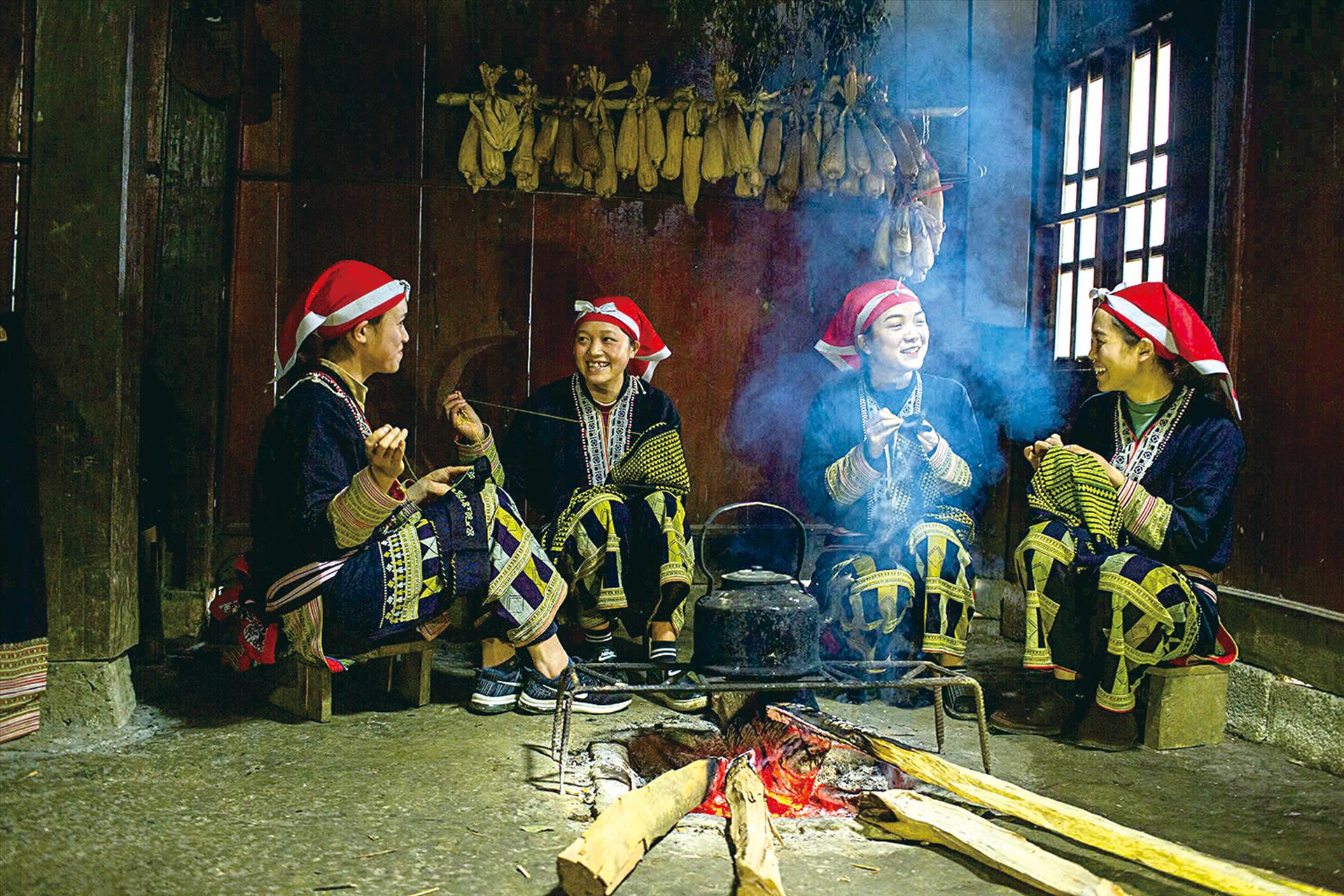
Experiencing dinner with the ethnic people of Sa Pa is an interesting experience for many tourists
Dinner is usually prepared in a traditional style with local ingredients such as free-range chicken, local pork, wild vegetables, fresh bamboo shoots, or stream fish. The dishes are prepared simply but retain the natural, characteristic flavors of the Sa Pa mountains. In the space of wooden houses or stilt houses, tourists can enjoy the meal while observing how the locals cook, arrange dishes, and share their culinary culture through each dish. It is this simplicity that creates a special attraction, making dinner a part of the cultural experience rather than just a dining activity.
Not only stopping at cuisine, the experience of dining with the ethnic people of Sa Pa also opens up very interesting cultural exchange opportunities. Tourists can listen to stories about customs, daily life, or participate in small exchange activities such as folk singing, drinking corn wine, or gathering around the fire. The connection between people in that simple space makes the Sa Pa trip more profound, leaving many unforgettable memories of a land that is both majestic and rich in identity.
2. Popular forms of dining experience with ethnic people in Sa Pa
2.1. Dinner and cultural exchange at Ban May Fansipan
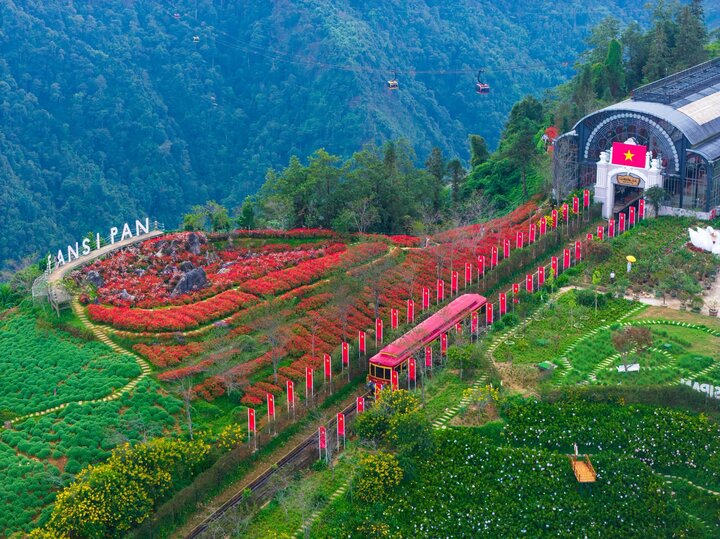
Among the forms of dining with ethnic people in Sa Pa, the experience at Ban May Fansipan is considered one of the most special choices thanks to its space that vividly and organizedly recreates the highland culture. Located within the Fansipan tourist complex, Ban May is not only a sightseeing spot but also a place that recreates the life, architecture, and living of many ethnic groups in the Northwest such as H'Mong, Dao, Tay... in a unified space, both familiar and rich in experience.
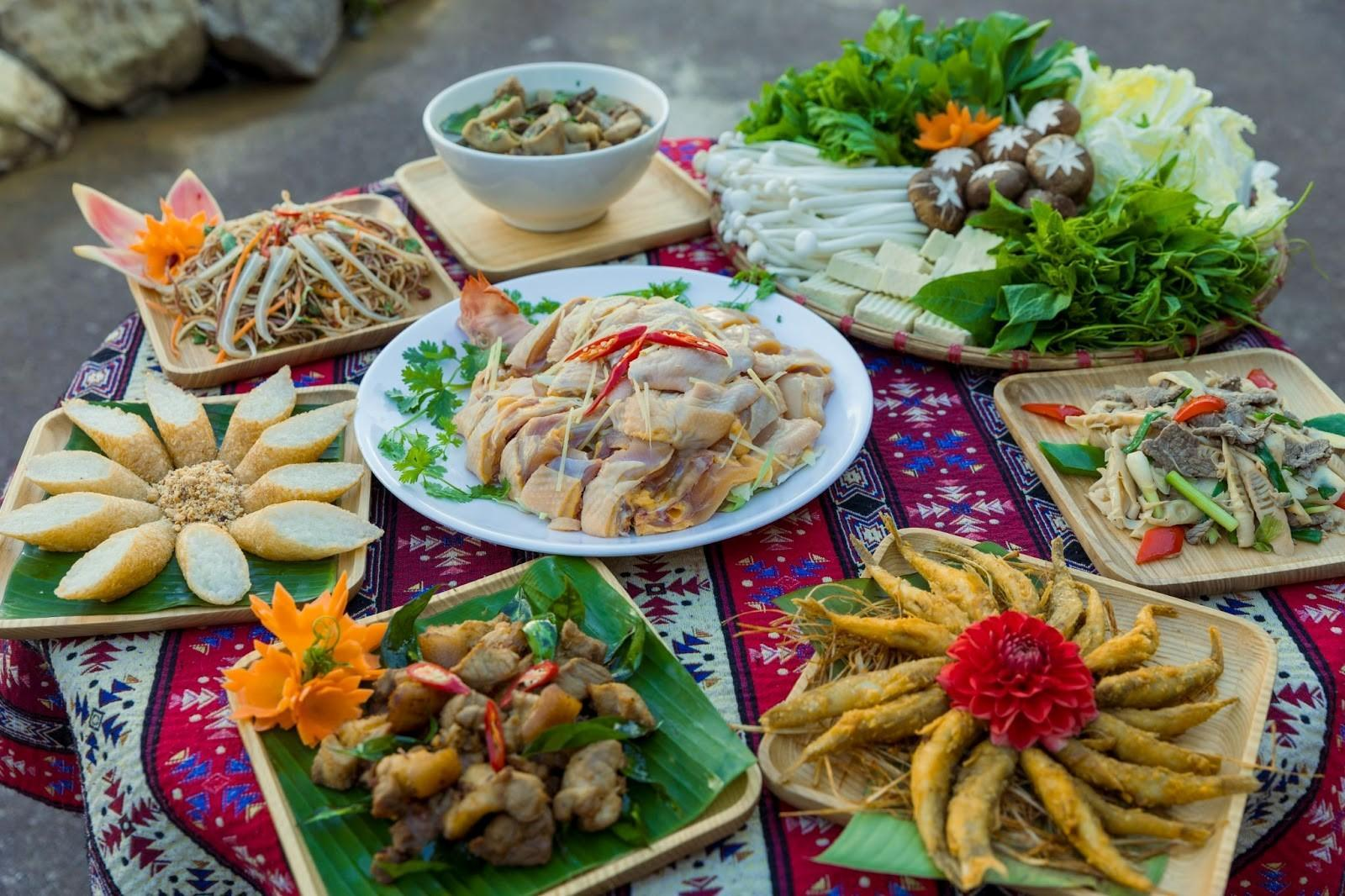
Traditional Northwestern dishes prepared by the ethnic people at Ban May Fansipan
Dinner at Ban May is usually served in the traditional house space, where visitors can enjoy dishes with the distinct flavors of the highlands such as grilled free-range chicken, local pork, wild vegetables, fresh bamboo shoots, or dishes prepared in ethnic style. The space is decorated in a village style, combined with warm yellow lighting and wooden architecture, creating a cozy yet distinctly cultural atmosphere. The special thing is that visitors do not just eat and drink simply but are placed in the context of "living with culture", making dinner a more profound experience.
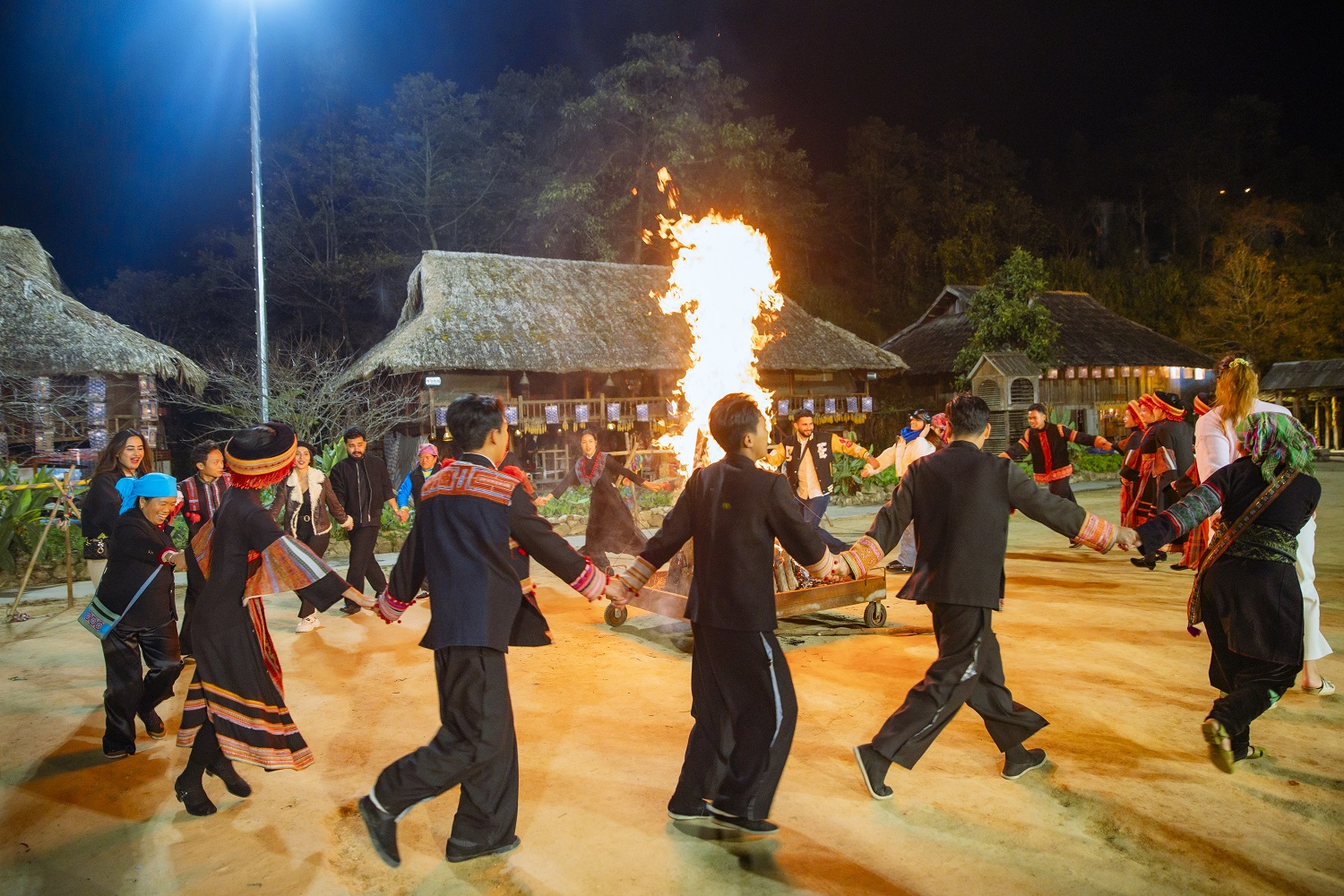
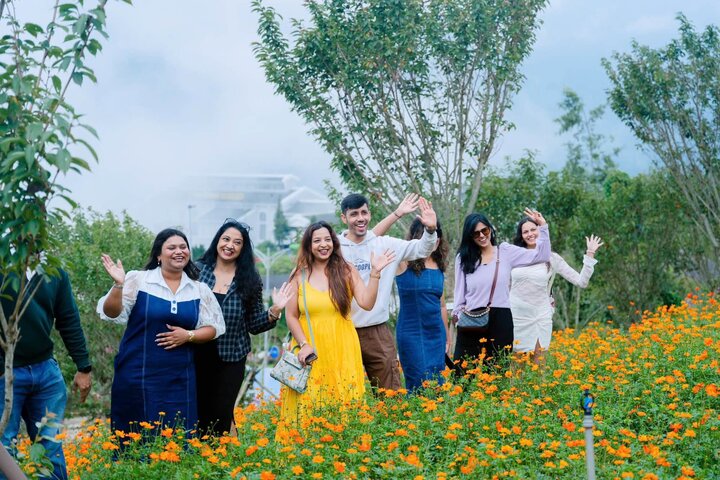
Tourists can have cultural exchange with the ethnic community after the main meal
After the meal, the experience at Ban May Fansipan continues to expand with unique cultural exchange activities. Tourists can enjoy traditional dance performances, folk singing, or participate in community activities with the local people. In the Fansipan mountain space and the characteristic cool climate, these activities bring a feeling of closeness, connection, and rich emotions. This is the distinguishing feature that makes Ban May not just a place for dinner, but also a miniature journey to explore the culture of the Northwest.
2.2. Dinner at local ethnic houses in Cat Cat, Ta Van, Ta Phin
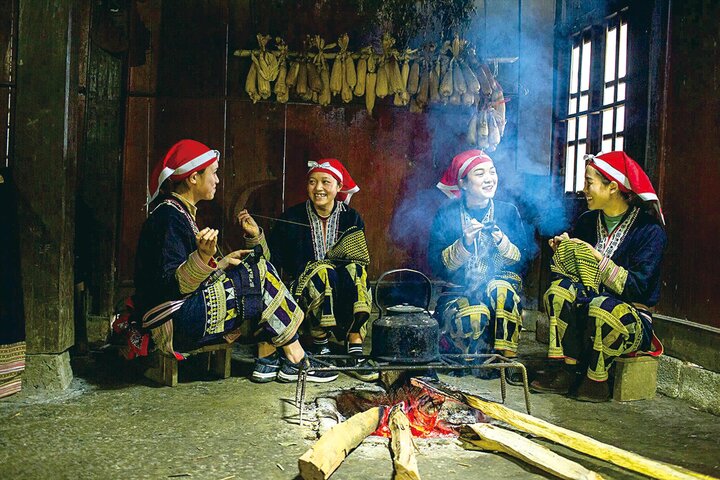
One of the most traditional and intimate forms of the experience of dining with ethnic people in Sa Pa is to have a meal right at the homes of local people in villages such as Cat Cat, Ta Van, or Ta Phin. The space is usually a stilt house or a simple wooden house, where the fire is always burning, creating a characteristic warmth amidst the cool climate of Sa Pa at night.
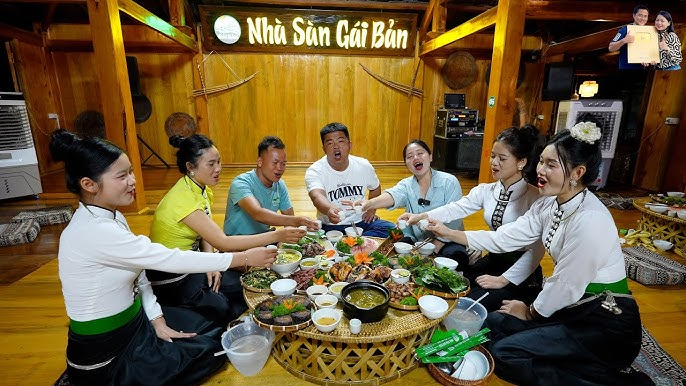
Tourists experience dinner with ethnic people in the villages
The dinner here is very family-oriented, with familiar highland dishes such as free-range chicken, local pork, wild vegetables, fresh bamboo shoots, stream fish… prepared in a traditional way, with few spices but retaining their natural flavors. Tourists will sit and eat with the hosts, observe how they cook, prepare the meal, and chat about daily life. This simplicity makes the experience more authentic, not commercialized but focused on natural cultural exchange.
2.3. Dinner at a homestay – a cozy community experience
Besides local houses and Ban May, dining at homestays is also very popular for tourists who want to experience dinner with Sa Pa ethnic people in a more convenient way while still preserving the local cultural identity. Homestays are often designed in ethnic architecture, using wood, bamboo, and stone materials, and arranged with open spaces to help tourists easily blend in with nature.
Dinner at a homestay is usually a shared meal between the hosts and guests, creating a close and friendly atmosphere. In addition to traditional highland dishes, tourists also have the opportunity to interact, chat, and share travel experiences with people from different regions. Some homestays also organize additional activities such as bonfires, corn wine drinking, or cultural performances, making the evening more lively and culturally rich.
3. Tips for a complete and authentic "village style" dinner experience with Sa Pa ethnic people
3.1. Choose and book your experience in advance
To have a complete dinner experience with Sa Pa ethnic people, choosing the right format and booking in advance is very important. Currently, experiences at Ban May Fansipan, homestays, or dining at local houses are quite popular, especially during peak tourist seasons like the rice harvest season, weekends, or holidays. If you don't book in advance, you may encounter overcrowding or be unable to select a suitable time slot.
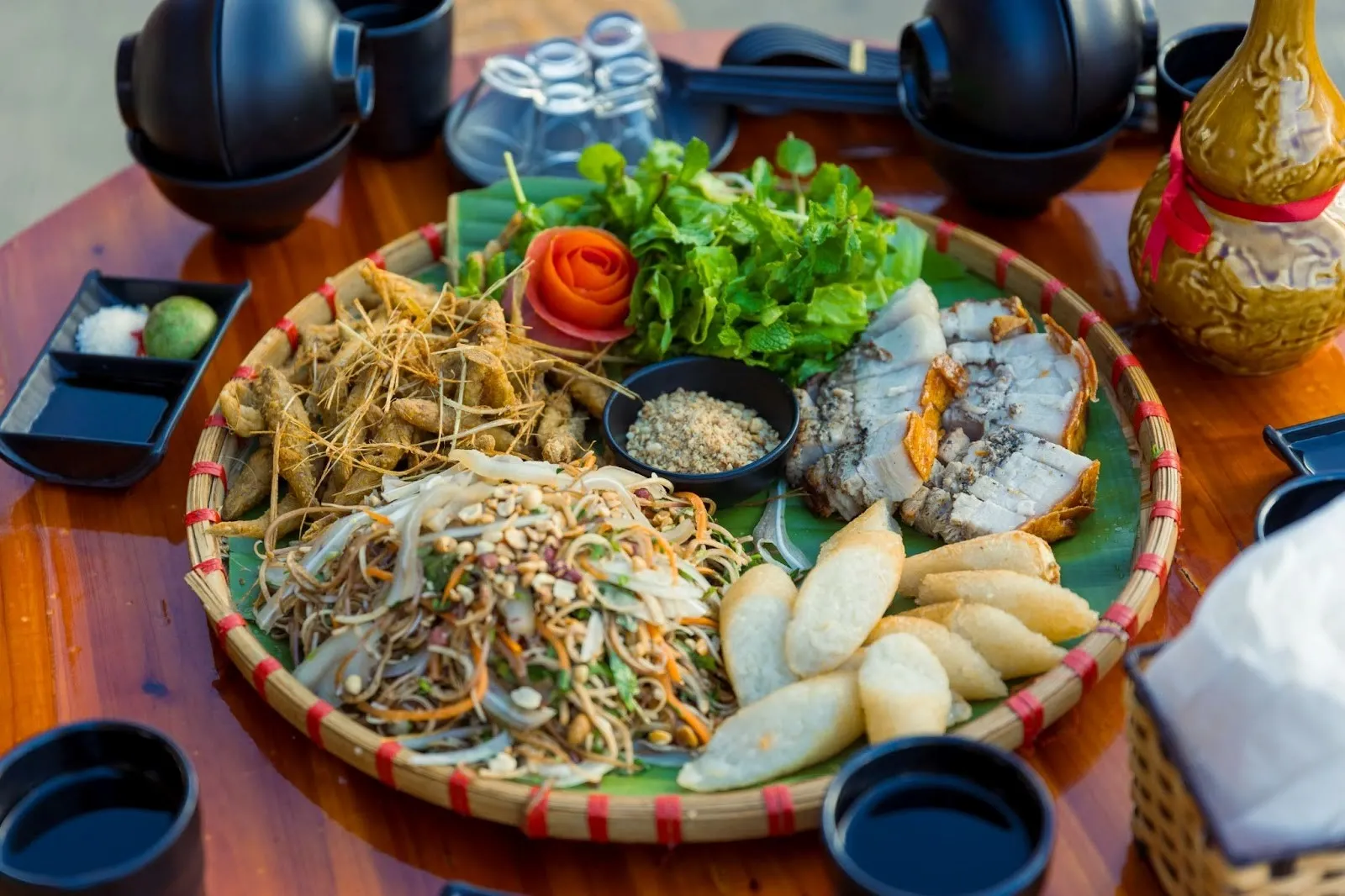
Visitors should pre-order with the locals so they have time to prepare the best ingredients and cook them meticulously.
Pre-ordering also helps you be more proactive in your journey, from arranging travel time, choosing menus to participating in accompanying activities such as cultural exchange or art performances. In addition, you should prioritize reputable organizers or those with local guides to ensure a safe experience while preserving the authenticity of Sapa culture.
3.2. Choose a dinner time that suits the highland lifestyle
Unlike cities, life in Sapa happens earlier, especially in the evening. The ideal time to have dinner with Sapa ethnic people is usually from around 18:00 to 19:30. This is when families have finished their day's work, preparing meals and cozy living spaces by the fire.
Eating dinner within this time frame not only helps tourists sync with local life but also avoids the deep cold of Sapa at night. At the same time, if combined with post-meal exchange activities such as watching performances or chatting with locals, the experience will become more seamless and emotional.
3.3. Respect culture and proactively interact with locals
One of the most important factors when experiencing dinner with Sapa ethnic people is your attitude and respect for local culture. Each village has its own customs and living habits, so tourists should limit arbitrarily changing the decoration, eating, or living arrangements in the locals' space.
Instead, maintain an open, friendly attitude and be willing to interact. Proactively chatting and learning about the food, cooking methods, or daily life will make the experience much deeper. If you have the opportunity, you can also participate in small activities such as helping prepare meals, pouring corn wine, or sitting around the fire to chat, thereby better feeling the hospitality and cultural beauty of the Sapa ethnic people.
The experience of having dinner with Sapa ethnic people is not just a meal but also a journey to the cultural depths of the Northwest highlands. In the characteristic cold of Sapa at night, tourists gathering around the fire, enjoying rustic dishes like free-range chicken, local pork, wild vegetables, or corn wine, and listening to the everyday stories of the locals brings a warm and unforgettable feeling. It is the interaction between cuisine, people, and the mountain and forest landscape that transforms a seemingly simple dinner into an emotional experience, making the Sapa trip more profound.