
















In early 2026, the online travel platform Agoda ranked Sa Pa among the fastest-growing destinations in Asia in 2025. Comparing international searches and bookings from January to November 2025 with the same period in 2024, the "town in the mist" jumped 15 places in the ranking of the top 100 destinations in Asia. Following Sa Pa were destinations including Okayama, Matsuyama, Takamatsu (Japan), and Bandung (Indonesia).
Mr. Vu Ngoc Lam, Country Director of Agoda Vietnam, commented that Sa Pa is increasingly loved by international tourists thanks to its relaxing resort experience and fresh air. Agoda's representative also stated that Sa Pa's continuous rise in rankings is a positive signal for Vietnam's tourism.
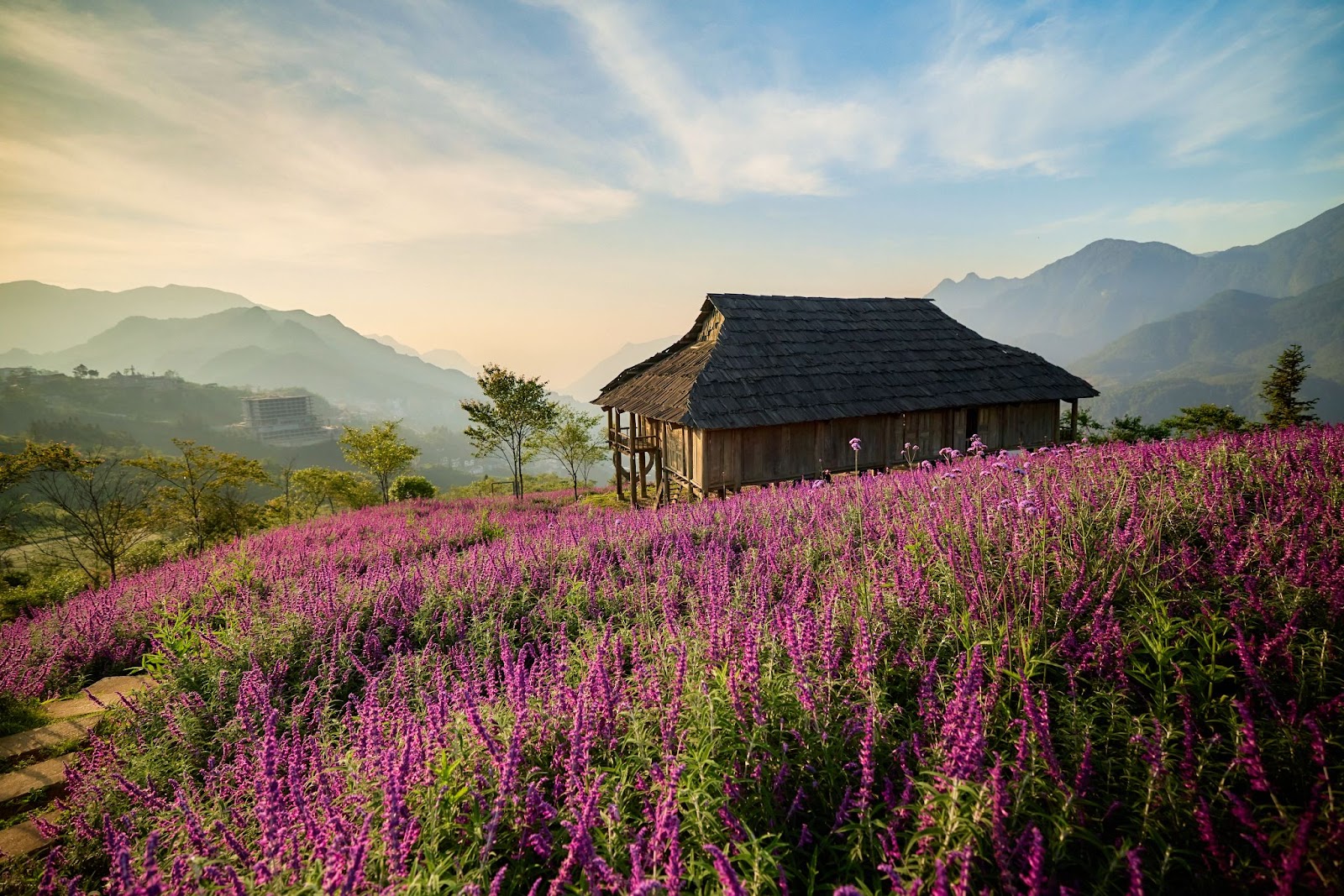
Sa Pa, four seasons of blooming flowers, mountains and forests showing off their colors, conquering every visitor
It's no coincidence that Sa Pa has made such a strong impression. This highland town has long been a symbol of tourism in the northern mountains, with its advantage of majestic mountainous scenery, cool climate all year round, and the cultural depth of the indigenous ethnic groups. Each season of the year brings its own beauty, with a characteristic flower color. However, these "natural" elements were once only enough for Sa Pa to serve as an experiential destination, not yet creating a significant surge in scale and frequency of tourism.
Going back more than a decade, Fansipan was still mainly a destination for trekking enthusiasts, with multi-day mountain climbing journeys requiring stamina and time. In 2012, Sa Pa only welcomed over 500,000 visitors in the whole year, with a short average stay of less than 2 days. Tourism revenue of Lao Cai province before 2015 also stood at a few trillion VND, clearly reflecting the limitations of a tourism model heavily dependent on seasonality and accessibility.
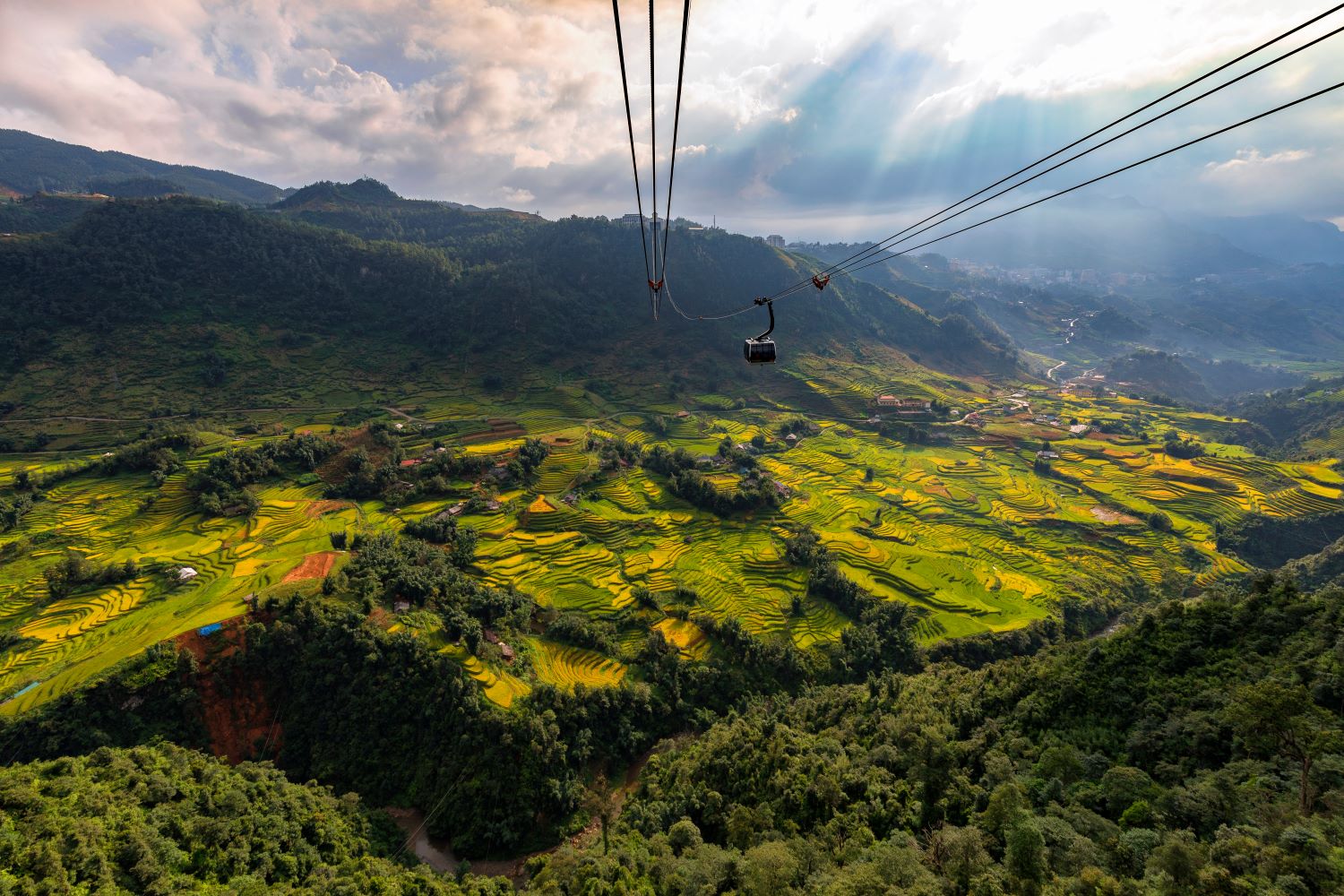
The record-breaking Fansipan cable car line takes tourists to touch the "roof of Indochina" in just 15 minutes
The turning point came from the period when Sa Pa was more heavily invested in infrastructure and tourism products. Since 2016, when the Fansipan cable car began operation, the number of visitors to Sa Pa and Lao Cai recorded remarkable growth. In the first year of the Fansipan cable car's operation, Sa Pa surpassed the milestone of one million visitors for the first time; during the period 2016–2019, the total number of tourists to Lao Cai increased significantly compared to the previous period. This growth momentum has continued in recent years, evidenced by Sa Pa's ability to welcome hundreds of thousands of visitors during peak holidays – a number that was hard to imagine more than 10 years ago. During the recent 4-day New Year holiday alone, Sa Pa welcomed approximately 148,000 visitors – nearly one-third of the total visitors for the entire year 2012, dispelling the notion of a tourist town that only "hides in the mist."

Sa Pa transforms with modern tourism infrastructure, attracting domestic and international tourists
From a destination that "chooses its guests" due to its remote terrain and limited accessibility, Sa Pa is gradually opening its doors to mass tourists, while also attracting resort guests and international visitors. Shortening the access time to the Fansipan peak area not only changes how tourists experience the Hoang Lien Son mountain range but also helps the image of the "Roof of Indochina" appear more frequently in international tourism publications and media. In recent years, Sa Pa has been continuously mentioned by reputable organizations and magazines such as World Travel Awards or Travel + Leisure as a prominent destination in Vietnam and the region.
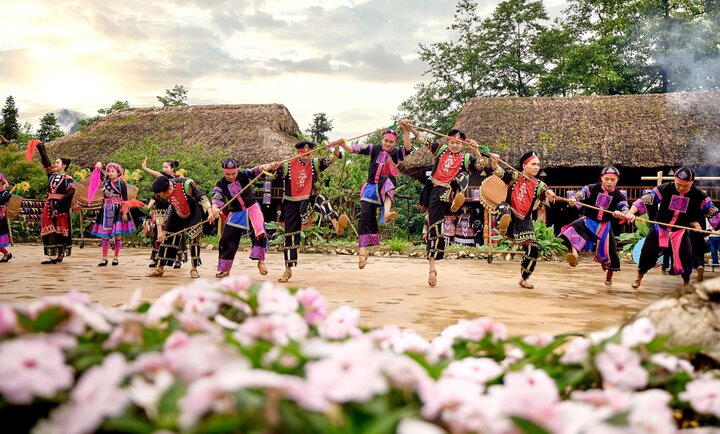
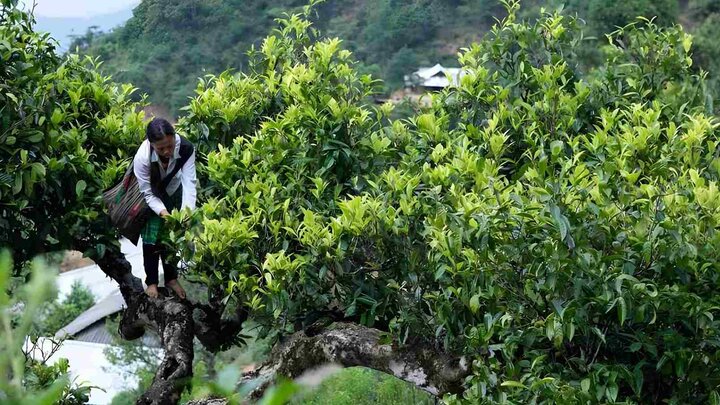
Behind Sa Pa's rapid rise is the formation process of a relatively synchronized tourism ecosystem, developed over a long period around the infrastructure-service axis. Experience products have been expanded from landscape sightseeing and mountain resorts to cultural-spiritual tourism. Spaces that honor local identity, recreating the lives of the Hmong, Dao, and Tay communities, along with seasonal festivals and highland markets, contribute to keeping Sa Pa from deviating from its inherent identity amidst the wave of development.
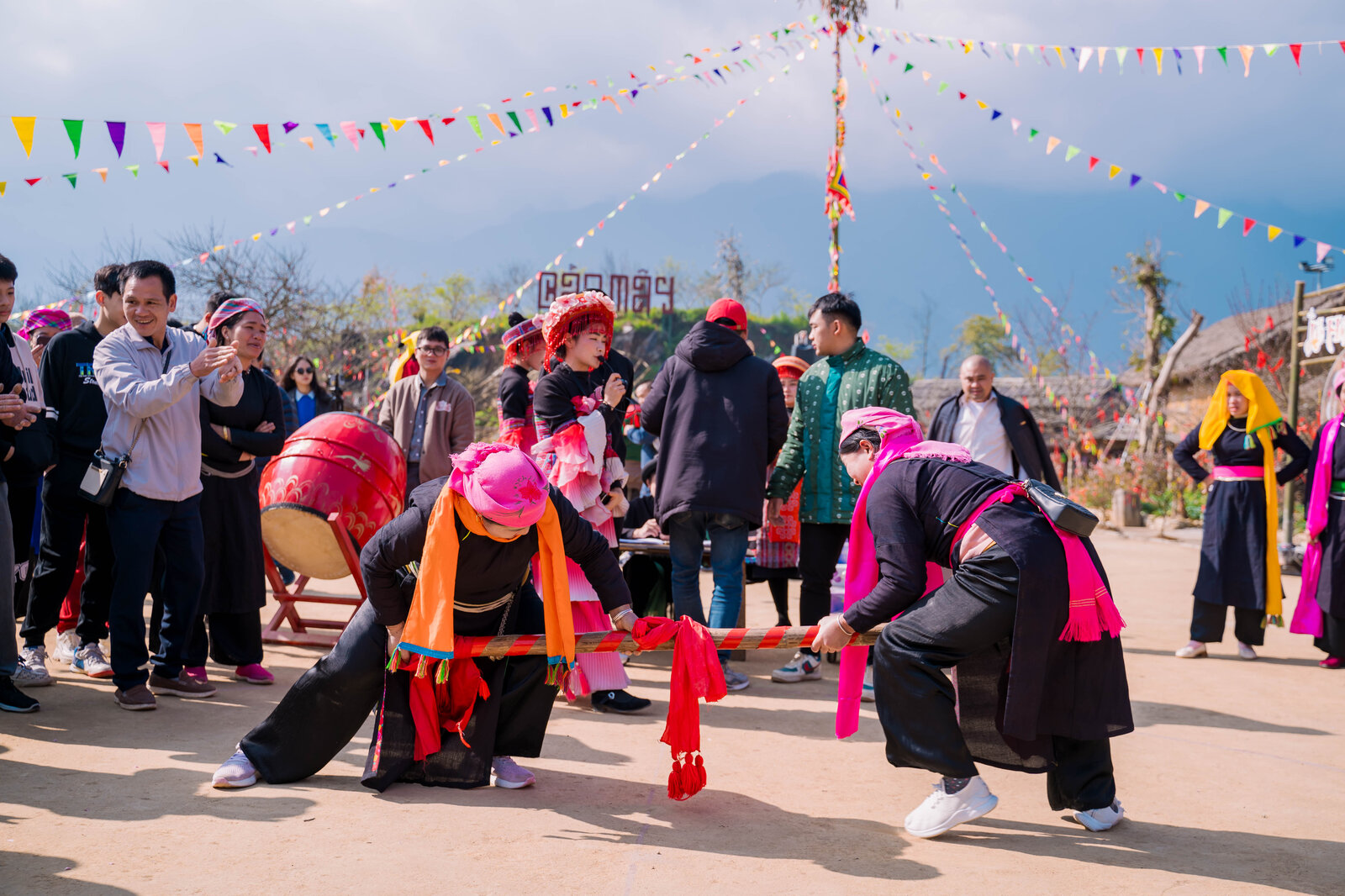
Tourists fully experience the authentic highland life rhythm at the Ban May cultural festival.
Sa Pa's increase of 15 places in just one year on Agoda's rankings shows that the tourism development strategy based on improving accessibility, upgrading experiences, and extending stays is proving effective. After more than a decade of transformation, Sa Pa is no longer just mentioned as a misty resort town, but is gradually asserting its position as a sustainable attractive destination in Asia – a place where tourism growth goes hand in hand with efforts to preserve the landscape and highland culture.