















1. What's interesting about the July journey: An overall perspective
1.1. Climate developments during the peak rainy season
When choosing to travel to Tay Bac in July, you will enter the peak rainy season, where the weather fluctuates significantly between days and even within the same day. The rains often appear in the afternoon or evening, do not last too long but are enough to change the atmosphere and landscape. This makes the journey more flexible, requiring you to adjust your itinerary according to reality.
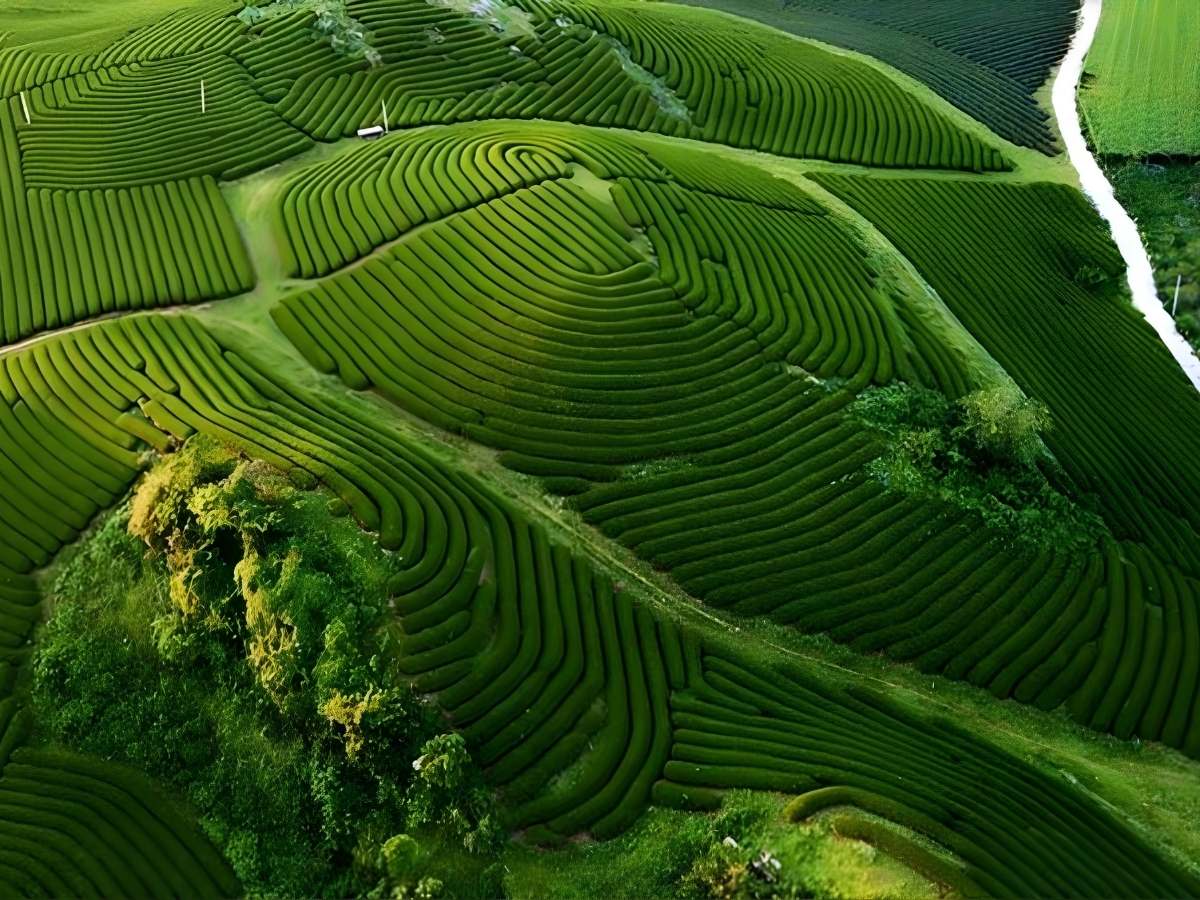
The weather in Northwest Vietnam in July is humid and rainy, so the plants grow lush and green. (Source: Collected)
In fact, the rain does not reduce the attractiveness but also helps the scenery become fresh and green, especially the terraced fields and mountains. After each rain, the air becomes cool and fresh, creating a pleasant feeling when continuing to move or visit. This is also an ideal time to clearly feel the vibrancy of the highland nature.
Furthermore, the July climate in Northwest Vietnam is often considered cooler than the plains, helping tourists avoid the harsh summer heat. This makes the region an ideal destination for those seeking a relaxing space amidst nature.
1.2. Temperature differentiation between areas by altitude
A notable feature when experiencing travel in Northwest Vietnam in July is the clear temperature difference between areas at different altitudes. Low-lying areas like valleys are warmer, while higher areas like passes or mountain peaks are significantly cooler. This creates climatic diversity within a short journey.
In reality, as you move from low to high altitudes, you will clearly feel the change from warm to cool, even chilly in the afternoon. This is especially noticeable when passing through mountain passes or areas with a lot of fog, where the temperature drops rapidly with altitude. This factor makes the journey more interesting but also requires you to prepare appropriate clothing.
In addition, temperature differentiation also affects the landscape, as each area has a different natural state. Low areas are often dark green and more humid, while high areas have fog and more airy conditions. This allows you to experience various types of environments within the same trip.
1.3. Impact of humidity on the feeling of movement
During your travel in Northwest Vietnam in July, high humidity directly affects the feeling of movement, especially in areas with a lot of rain or fog. Humid air can make you feel a bit heavy when exercising continuously, especially when moving on steep slopes. This requires you to adjust your pace and rest appropriately.
In reality, high humidity also increases the risk of slipperiness on dirt paths or trails in villages. Choosing suitable shoes and paying attention to each step will help you minimize risks when exploring. This is an important factor but often overlooked when planning mountain trips.
However, humidity also brings benefits by making the air cooler and more pleasant than dry, hot environments. You will clearly feel the difference when breathing fresh air after rain or when passing through green areas. This contributes to a more complete and memorable natural experience.
2. Most beautiful destinations for traveling in Northwest Vietnam in July
2.1. Sapa in the rainy and misty season
Sapa, located in Lao Cai province, is a familiar destination for tourists who love high mountain climates and natural landscapes. In July, scattered rain combined with morning fog makes the town's atmosphere cooler than the plains. Daytime temperatures usually range from 23–24°C, creating a comfortable feeling when moving outdoors.
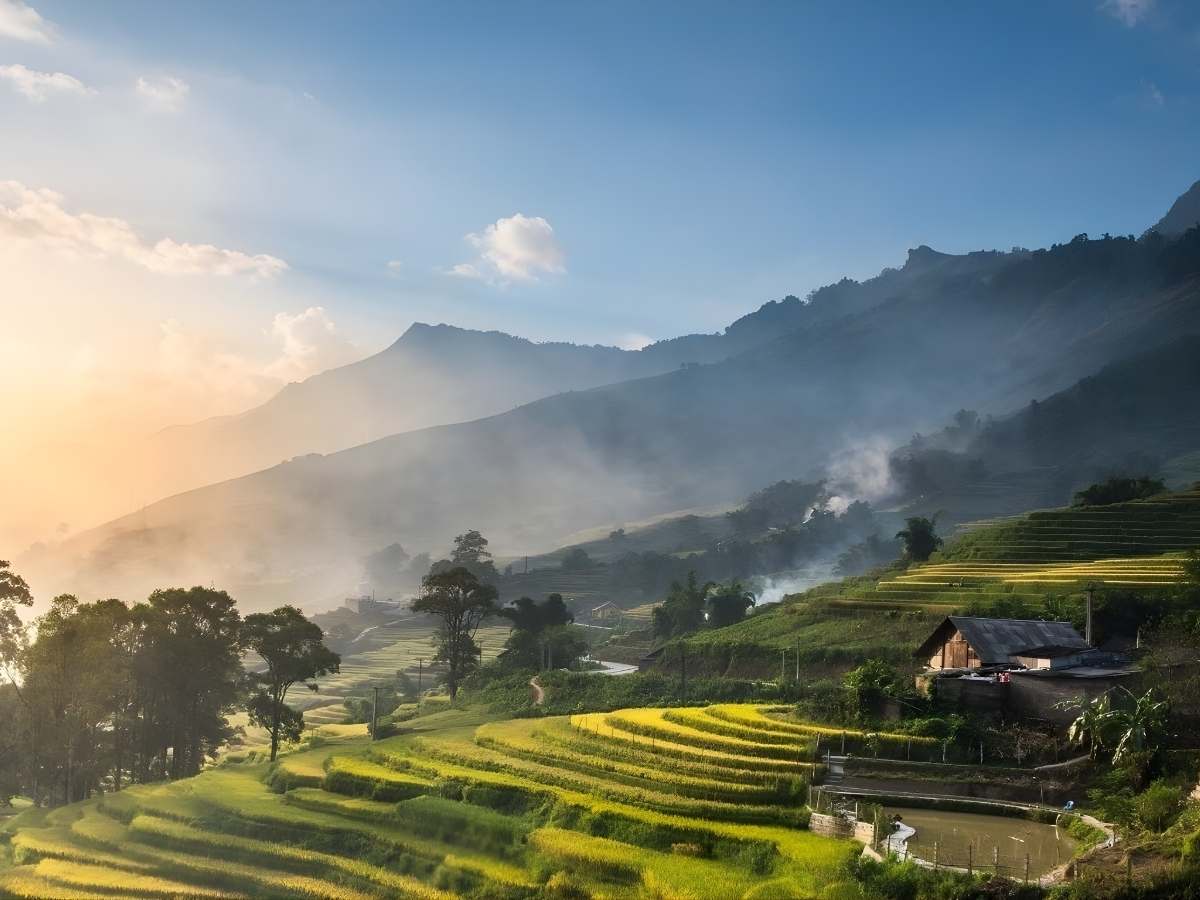
The scenery of Sapa in the rainy season appears magical amidst rolling mountains. (Source: Collected)
High areas around the ward and the Hoang Lien Son mountain range often see clouds hanging across the mountainsides in the early morning. The clouds, combined with the hilly terrain, create layered landscapes that change throughout the day. This is a factor that makes Sapa in the rainy season still attract nature lovers.
Terraced fields in villages on the outskirts of the ward, such as Ta Van and Lao Chai, are entering the water-flooding season. The field surfaces reflect the sky and mountain clouds, creating a harmonious scene between people and nature. Waterfalls in the area also have increased water flow, contributing to a more vibrant atmosphere and offering a memorable experience for fans of Northwestern travel in July .
2.2. Mu Cang Chai during the water-flooding season
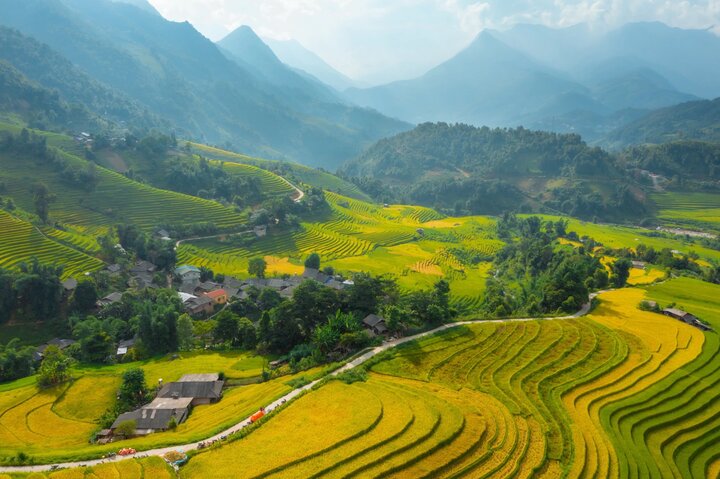
Mu Cang Chai, located in Lao Cai province, is an area nổi bật with its terraced rice fields stretching across the mountainsides. July is the time when water begins to be channeled into the fields, creating water surfaces that reflect natural light. This landscape offers a different perspective compared to the familiar ripe rice season.
Villages such as La Pan Tan and Che Cu Nha are known for their winding fields that follow the terrain. When water covers the surface of the fields, the cultivation lines become clearly visible amidst the mountainous landscape. The combination of clouds, water, and the green hues of vegetation creates a harmonious whole.
Khau Pha Pass is the route connecting Van Chan and Mu Cang Chai, passing through many terraced field valleys. In July, the early rains soften the scenery along the route. This is an area where tourists often stop to observe and capture the natural landscape.
2.3. Y Ty and the highland villages
Y Ty, located in Lao Cai province, is a highland area situated at an altitude of over 2,000 meters above sea level, boasting characteristic mountainous scenery and skies filled with clouds. In July, light rain and fog frequently appear in the morning, creating favorable conditions for observing layers of clouds forming and dissipating over the valleys. The atmosphere here feels tranquil, suitable for tourists seeking a slow-paced experience.
From high points around Y Ty, visitors can look down upon scattered villages nestled in the valleys and on the mountainsides. As clouds drift at eye level and gradually dissipate, the landscape reveals itself in distinct layers with fields, forests, and traditional stilt houses. This experience often occurs in the early morning, when the light is soft and the air is fresh.
2.4. Mai Chau and Moc Chau in July
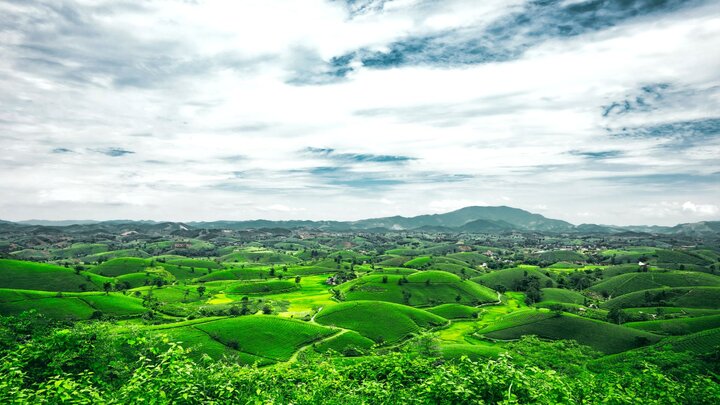
Mai Chau, located in Hoa Binh province, is a wide valley with fields and villages interspersed among rolling hills. In July, the seasonal rains help the plants and fields flourish, creating an open and pleasant atmosphere for sightseeing. The climate here is warmer than in the highlands but still maintains the necessary balance for a trip.
The villages of the Thai and Muong people around Mai Chau still maintain their traditional stilt house architecture and community life connected to the fields. The peaceful atmosphere of the valley allows visitors to easily observe local life without interruption. This is a suitable stop for journeys focused on cultural experiences.
3. Important notes for traveling to Northwest Vietnam in July
3.1. Choosing safe transportation and routes
Traveling to Northwest Vietnam in July often involves seasonal rain, making many mountain passes slippery and visibility limited due to fog. Routes such as O Quy Ho, Khau Pha, or Pha Din have many sharp turns and steep gradients, which need careful consideration when traveling in unstable weather conditions. Proactively choosing daytime travel hours helps reduce risks on the road.
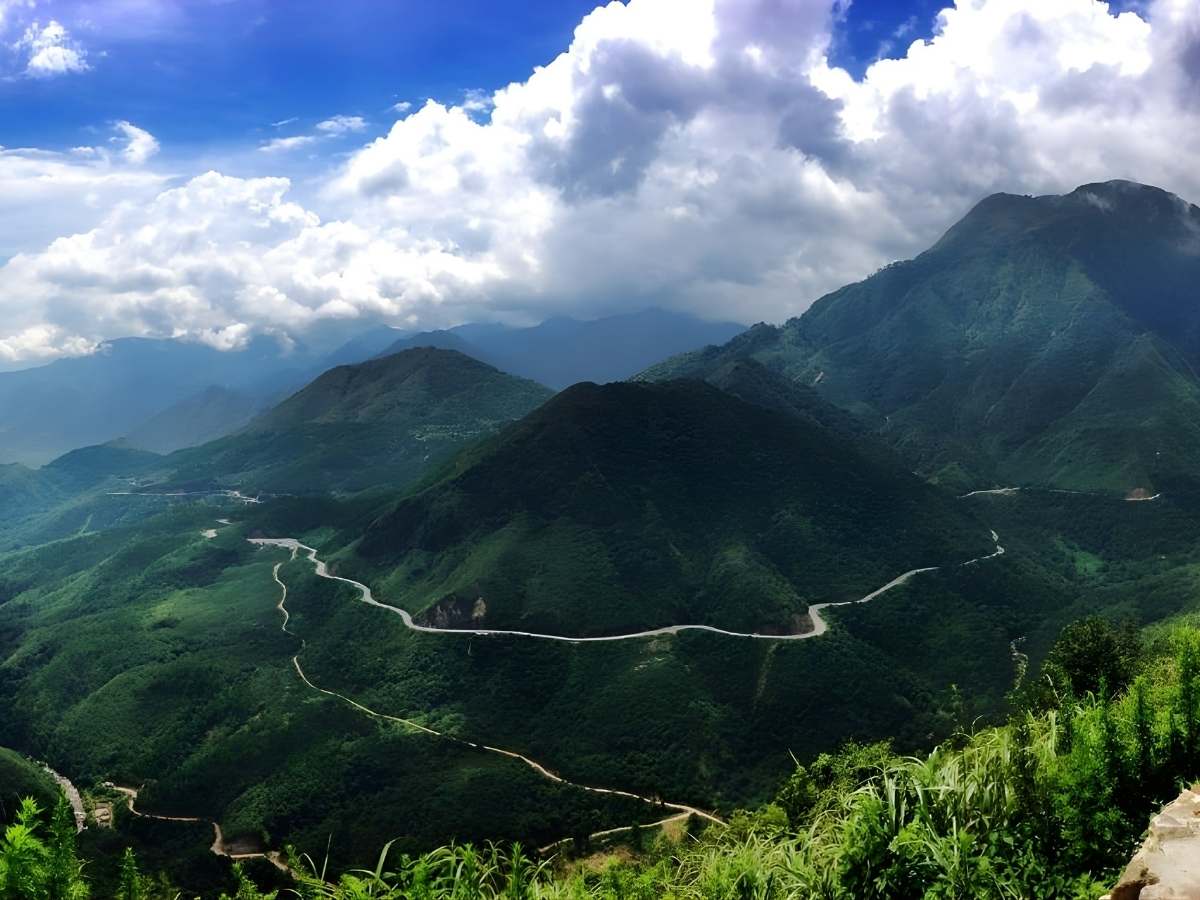
Tourists travel by motorbike on wide roads and always wear protective gear. (Source: Collected)
For tourists traveling by motorbike, checking brakes, tires, and lights before the trip is a necessary step to ensure safety. When encountering heavy rain, it is advisable to reduce speed and maintain a suitable distance from vehicles ahead to avoid skidding. The experience of moving slowly also helps to better observe the scenery in the characteristic weather conditions of the rainy season.
3.2. Prepare suitable clothing and luggage
July is the rainy season in the Northwest, so clothing should prioritize quick-drying materials that allow for easy movement outdoors. Waterproof jackets or lightweight raincoats help keep the body dry during sudden downpours. Choosing appropriate attire makes the trip more comfortable despite changing weather.
Footwear should be chosen for good grip to prevent slipping on wet roads or rocky paths after rain. Tourists should bring a pair of dry replacement shoes or sandals for use during breaks or when visiting villages.
3.3. Weather risks to avoid
Summer rain in the Northwest can last for many hours, increasing the risk of landslides and localized flooding in some mountainous areas. Sections of road along streams or near steep slopes are often clearly affected by heavy rain. Tourists need to proactively avoid stopping for long periods in areas with complex terrain.
In prolonged rainy conditions, water from streams and mountainsides can rise rapidly and flow strongly across the road surface. This phenomenon poses a risk of losing control of the vehicle, especially on narrow bends. Observing the water flow and temporarily stopping when necessary is the safe choice.
4. Share a 2 to 3-day Northwest itinerary
4.1. 2-day itinerary focusing on one area
With a 2-day timeframe, Sa Pa is a suitable choice to limit long-distance travel in the summer rainy conditions. The first day can be spent mostly exploring the central town area, combined with rest and acclimatization to the high mountain environment. Moving slowly helps the body adapt to the altitude and humid weather.
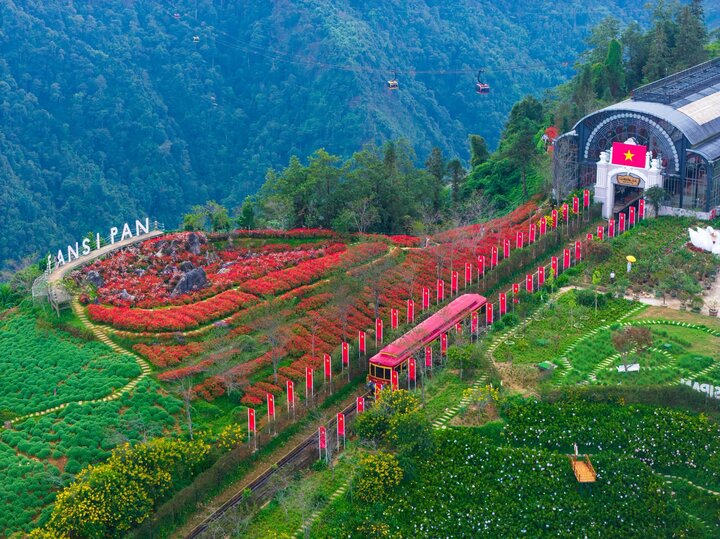
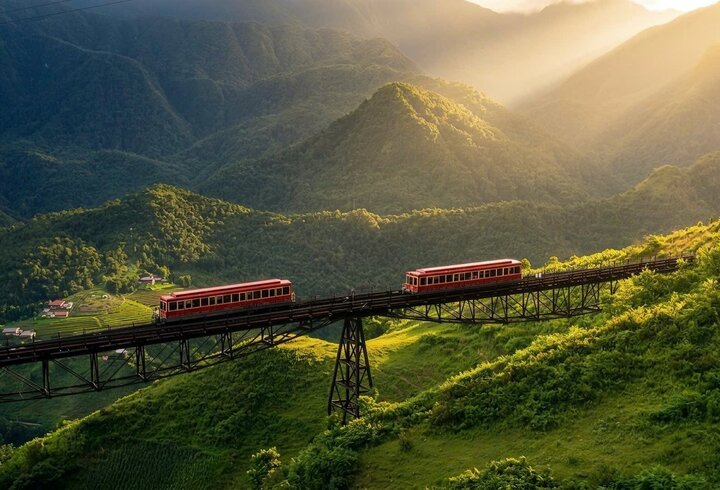
On the first day, tourists can arrange to visit the Sun World Fansipan Legend tourist area developed by Sun Group to experience the high mountain space without long trekking. The cable car route shortens travel time and reduces the impact of rain or fog on mountain roads. After the visit, it is advisable to return to town to rest and limit travel in the evening.
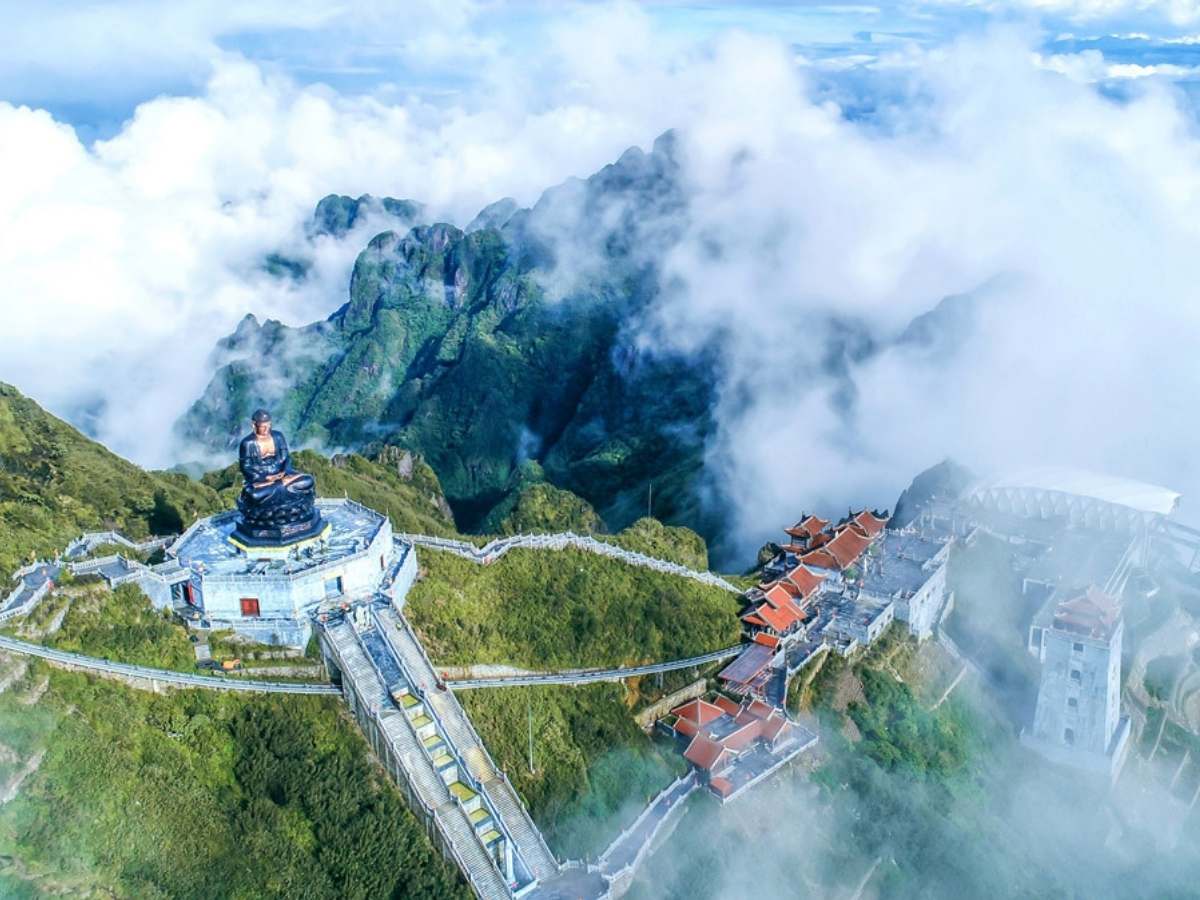
Visitors can focus on fully experiencing the majestic Fansipan peak. (Source: Collected)
The second day should prioritize spots near the center, such as Muong Hoa Valley or some nearby villages. Finishing the itinerary early in the day helps avoid weather risks in the afternoon and evening. This arrangement is suitable for families or tourists who want a gentle journey.
4.2. 3-day itinerary for relaxation and light sightseeing
With a 3-day itinerary, tourists have more time to allocate reasonably between sightseeing and rest in rainy season weather conditions. The first day can be dedicated to traveling to Sa Pa and getting acquainted with the town's atmosphere. Staying at a hotel or accommodation with a mountain view helps the body recover after a long journey.
The second day is suitable for fully experiencing the Sun World Fansipan Legend tourist area. Traveling by cable car helps minimize the impact of rain and slippery terrain, while also saving time compared to traditional trekking methods. Visitors can spend the whole day sightseeing and resting in this area.
The last day should prioritize light activities such as visiting villages near the center or resting before returning. Not scheduling too many destinations on the last day helps the journey end more comfortably. This arrangement is suitable for tourists who want to balance experiences with relaxation.
Traveling to the Northwest in July offers a very different perspective compared to the rice ripening season or winter. Tourists can combine a trip to the Northwest in July with an experience at Sun World Fansipan Legend to fully explore the beauty of the mountains and forests. By preparing carefully and choosing suitable destinations, a trip to the Northwest in mid-summer can still be a memorable and emotional journey.