















1. Overview of Sa Pa market session
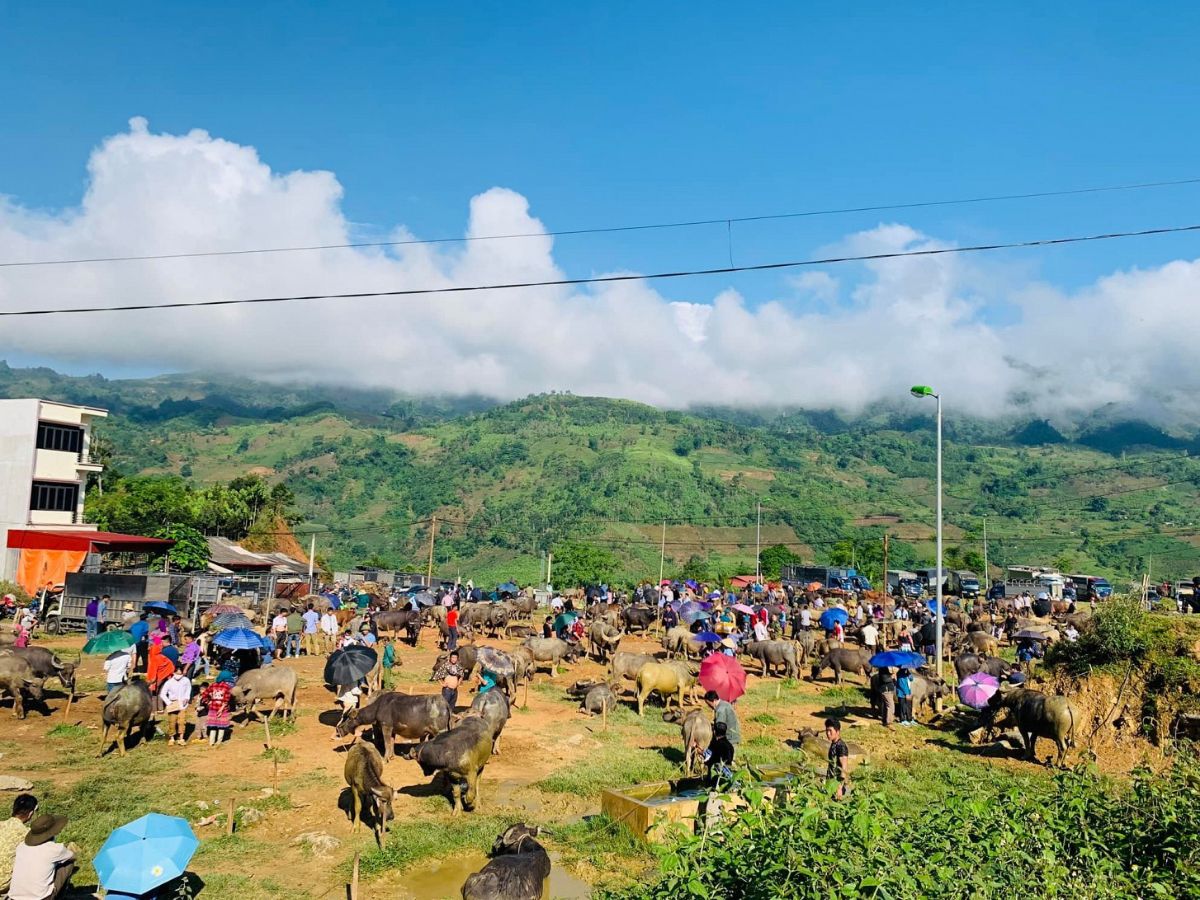
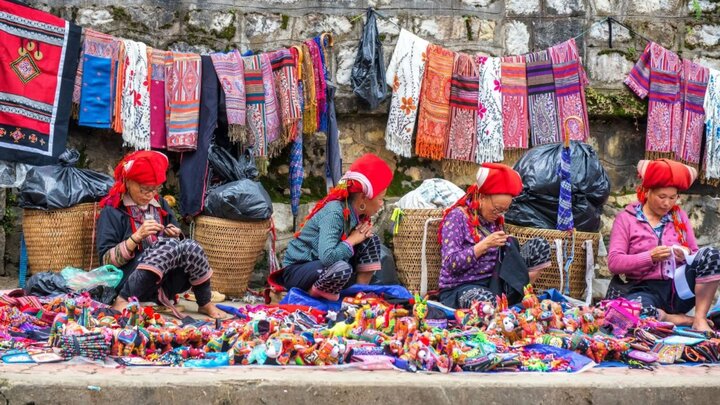
Bustling, colorful scene of Sa Pa market. (Source: Collected)
Sa Pa market is located right in the center of Sa Pa town, Lao Cai province, serving as a meeting and trading place for ethnic communities such as H'Mong, Dao, Tay, and Giay. It is not only a market for exchanging goods but also a unique cultural space where customs, traditions, languages, and folk arts are preserved and passed down through each market session. Sa Pa market has become a vibrant symbol of intangible heritage, while also connecting ethnic communities from generation to generation.
Dubbed the "living museum" of Northwestern culture, Sa Pa market offers visitors the opportunity to experience daily life, admire traditional costumes, and enjoy folk art forms. The market's special feature lies in its authentic atmosphere, rich in ethnic identity, and minimally affected by commercialization. When visiting the market, tourists not only shop but also immerse themselves in the local life, enjoy traditional cuisine, and participate in characteristic folk cultural activities.
The market retains its rustic charm, close to the mountains and forests, with simple displays and a bustling atmosphere from early morning. Unlike tourist-oriented markets, Sa Pa market maintains a bartering system, emphasizing trust and community spirit. It is a convergence of many ethnic groups with rich colors of costumes, sounds, and languages, creating a unique identity that cannot be compared anywhere else.
2. What is unique about the time and space of the Sa Pa market?
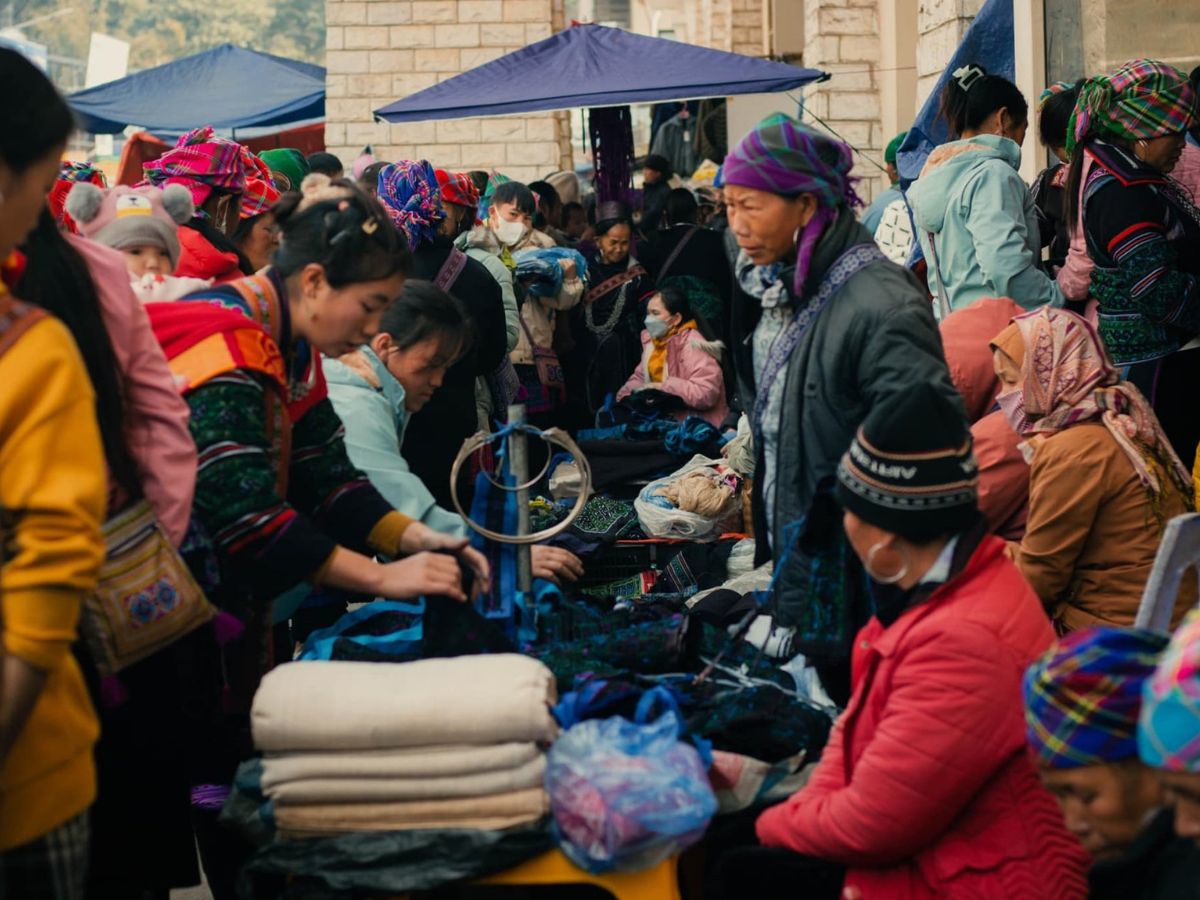
Discover the vibrant and colorful market scene at Sa Pa market. (Source: Collected)
Sa Pa market stands out with its unique combination of fixed meeting times and majestic mountain scenery, offering tourists an authentic Northwest cultural experience. Each stall, adorned with vibrant brocade, local products, and the bustling life amidst lush green valleys, creates a space that is both intimate and colorful.
2.1. Special features of market meeting times
Sa Pa market deeply embodies traditional culture, usually convening every Sunday, becoming an occasion for locals and tourists to experience local life together. Besides, other famous markets like Bac Ha, Muong Hum also take place on Sundays, while Coc Ly convenes on Tuesdays, and Can Cau on Saturdays, each market having its own schedule, creating diversity and richness in mountain tourism experiences. In addition to fixed market sessions, many villages also organize their own 'market days', simulating the daily life of mountain people, allowing tourists to explore the Northwest culture authentically and vividly.
2.2. Traditional market space amidst the mountains of Sa Pa
Sa Pa market is often held outdoors or under traditional canopies, nestled amidst lush green valleys and majestic mountains, creating a spacious, airy, and distinctly local atmosphere. As the sun still peeks through the mist, groups of people from all the villages bring their products to the market, making it bustling and lively. Along the stalls, the vibrant colors of brocade dresses, scarves, and floral hats of the H'Mong, Dao, Tay, Giay people... create a vivid picture, both intimate and captivating, offering an unforgettable experience for tourists exploring the Sa Pa market.
3. Characteristic products and unique goods at Sa Pa market
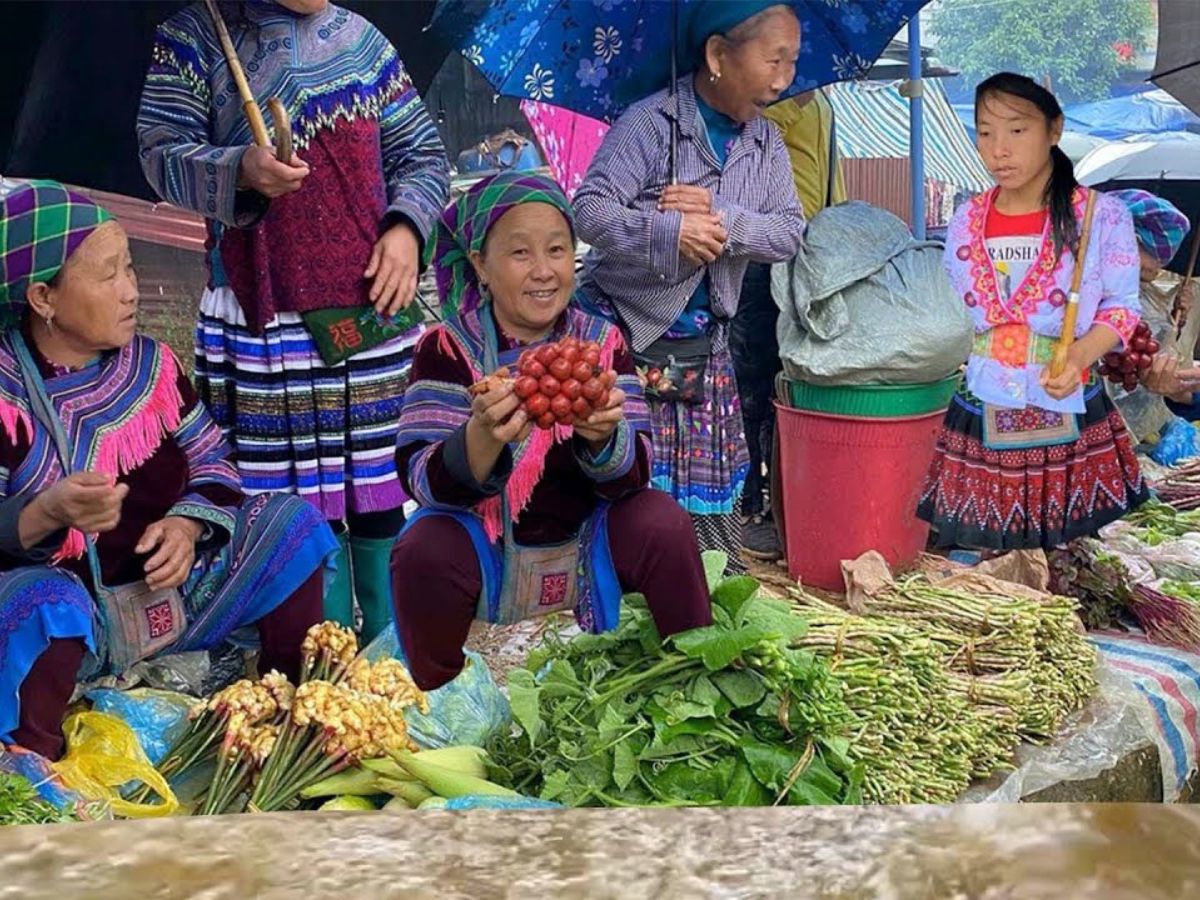
Discover highland specialties at the Sa Pa market stalls. (Source: Collected)
Sa Pa market is an attractive destination with its abundance of mountain produce and unique handicrafts, reflecting the characteristic culture of ethnic minorities. Not only diverse in agricultural products, precious medicinal herbs, and exquisite brocade, the market also preserves a friendly and interesting traditional trading style for visitors to explore.
3.1. Diverse local products: Wild vegetables, agricultural products, precious medicinal herbs
Sa Pa market stands out with fresh produce from the Northwestern mountains. Visitors can enjoy wild vegetables such as Mèo cabbage, Dong Quy vegetables, young chayote, along with many other characteristic fruits and vegetables picked directly from the garden, retaining their pristine natural flavors. Additionally, precious medicinal herbs like shiitake mushrooms, notoginseng, wild honey, earth ginseng, Xa Den herb, or traditional tonics are all cared for and handcrafted by the local ethnic people. These products not only have nutritional value but also reflect traditional organic farming methods, preserving the long-standing cultural practices and customs of the ethnic minority communities.
3.2. Brocade and handicrafts
Brocade is the "soul" of Sa Pa market, with a variety of products such as scarves, skirts, bags, hand-embroidered wallets, and silver jewelry. All are meticulously crafted by the Hmong, Dao, Tay, and Giay people, with each stitch containing folk tales, beliefs, and distinct cultural values. Brocade not only holds material value but also serves as a spiritual symbol, expressing the identity, personality, and creativity of the local community, making each product a unique work of art.
3.3. What's unique about the traditional trading methods?
Sa Pa market still maintains its traditional goods exchange method, making it unique. People can exchange cakes, fabrics, poultry, etc., for other products based on agreement, without being entirely dependent on cash. This activity not only meets daily needs but also creates opportunities for exchange and community connection through smiles and friendly handshakes. This trading style not only maintains trust but also strengthens community bonds, offering an authentic and close cultural experience for visitors exploring Sa Pa market.
4. Experience the cultural exchange space at Sa Pa market
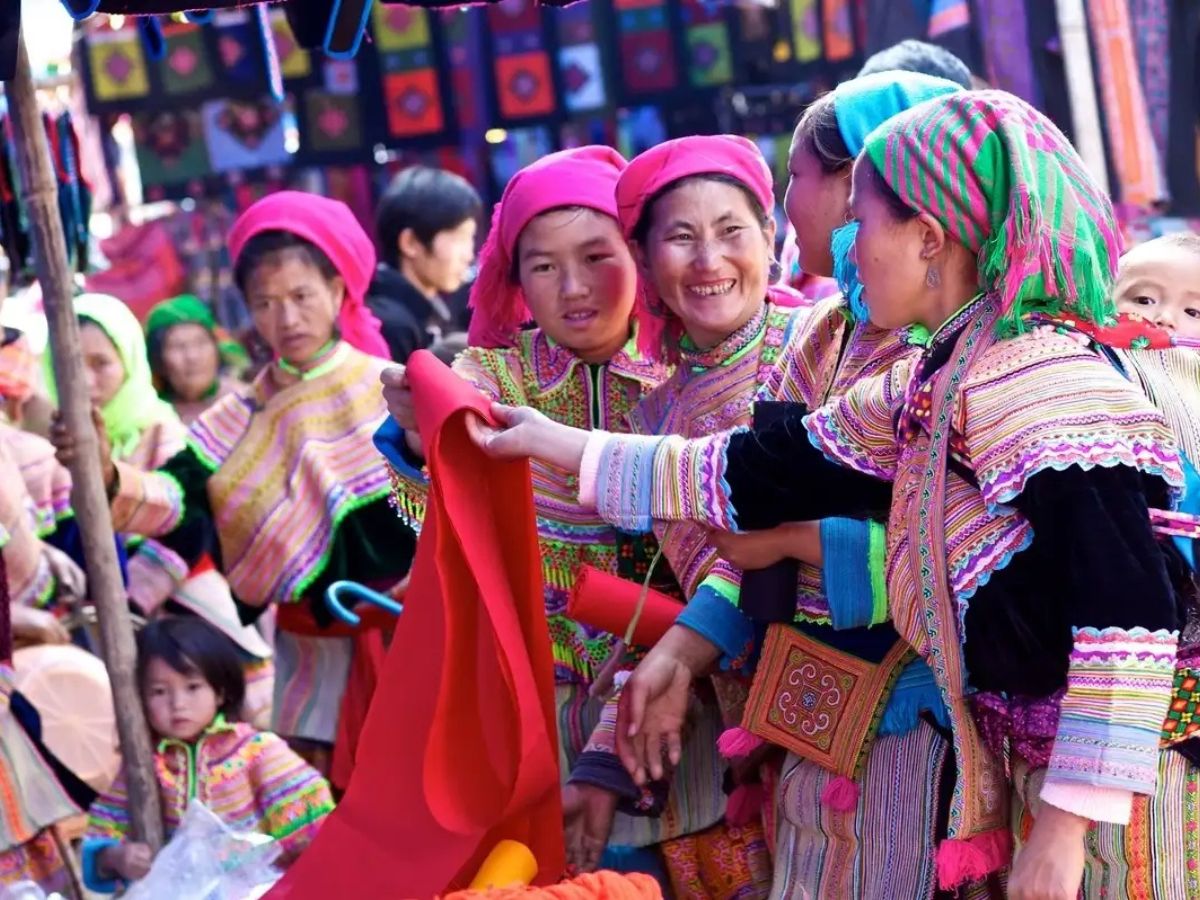
Shopping and immersing yourself in the vibrant cultural atmosphere of the Northwest ethnic groups. (Source: Collected)
Chợ phiên Sa Pa offers a unique experience by combining shopping with the vibrant cultural exchange of the Northwest ethnic groups. From romantic love markets to folk songs and traditional dances, visitors can immerse themselves in the colorful and culturally rich local life.
4.1. Sa Pa Love Market
The Sa Pa Love Market is usually held every Saturday evening near the stone church, it is an occasion for young men and women from the villages to gather, interact, get to know each other, and find love through traditional games, rituals, and courtship songs. The vibrant colors of ethnic costumes, the sounds of flutes, pipes, and folk dances create a lively festival atmosphere, deeply imbued with the cultural identity of the Northwest. Visitors here not only enjoy the art but also have the opportunity to directly experience traditional customs preserved through generations.
4.2. Folk Art Exchange
The Sa Pa market is also a lively stage for folk songs, folk dances, and call-and-response singing between young men and women from the villages. The sounds of flutes, dances, and songs, deeply imbued with the cultural influences of the Mong, Dao, Tay, and Giay ethnic groups, help visitors immerse themselves with the local people. Participating in traditional art activities not only brings an interesting experience but also helps visitors better understand the cultural life and community spirit of the highlands.
4.3. Sa Pa Market – a place preserving highland customs and way of life
The Sa Pa market is not only a place for trading goods but also a "living museum" preserving the customs, traditions, language, cuisine, beliefs, and traditional festivals of the ethnic communities. Activities at the market contribute to preserving and passing down cultural values to the younger generation, while also enriching the intangible heritage of the Northwest. The most special aspect of the Sa Pa market is its ability to combine tourism development with tradition preservation, creating a unique and authentic experience for visitors to the highlands.
5. What's unique about Sa Pa market cuisine?
Sa Pa market cuisine offers a unique culinary experience with the distinctive flavors of the Northwest mountains. From Thang Co, 'piglet carried on the arm', five-colored sticky rice to Men Men or warm corn wine, each dish reflects the culture and culinary customs of the highland ethnic groups.
5.1. Must-try specialty dishes
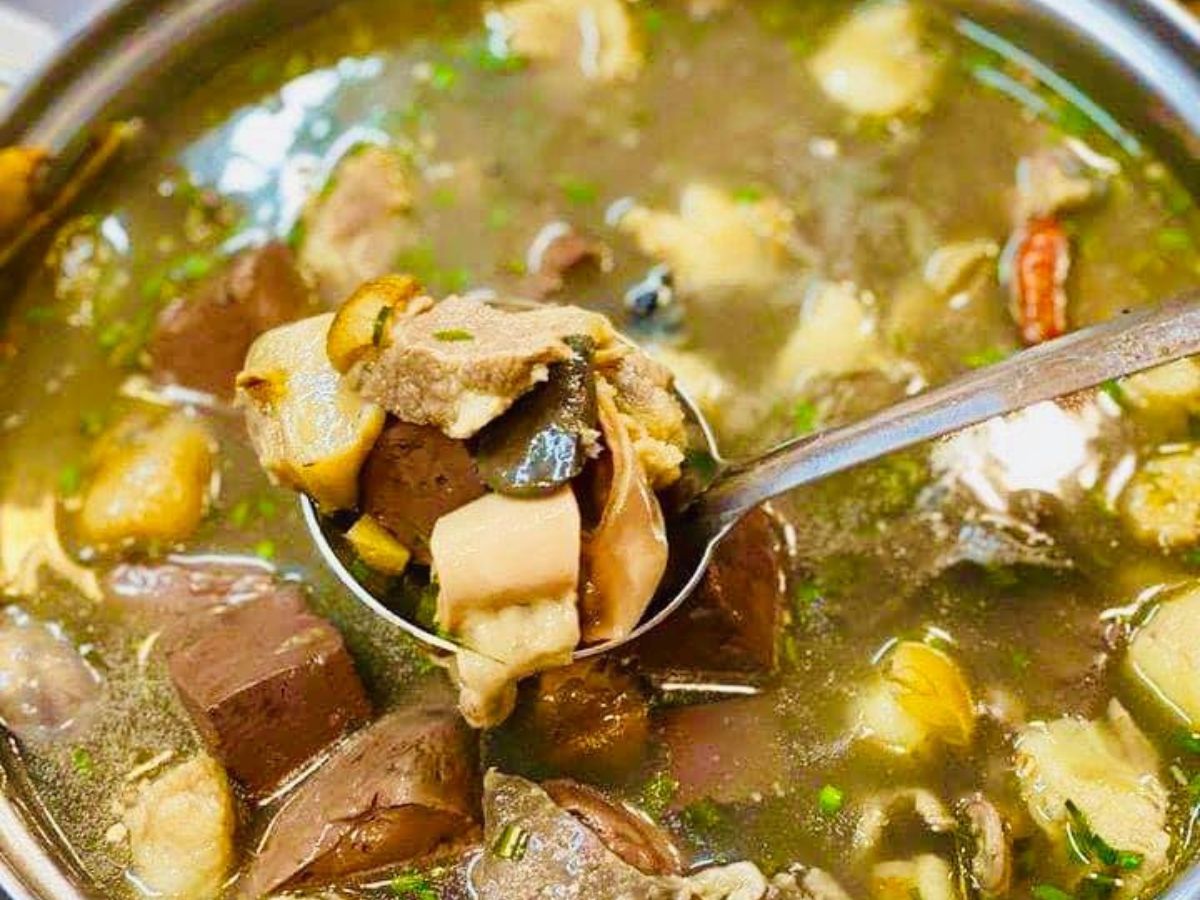
Enjoy thang co, a unique traditional dish of the Northwestern mountainous region. (Source: Collected)
The Sa Pa market fair is a culinary paradise of the Northwestern mountainous region with many characteristic delicious dishes. Thang co of the Mong people, made from beef or horse meat and offal combined with mountain forest spices, brings an unforgettable rich flavor. Local free-range piglets, when grilled or roasted, result in firm, delicious meat. Five-colored sticky rice is cooked from mountain sticky rice combined with forest leaves to create natural colors and a special aroma. Men men, sweet and savory from steamed ground corn, com lam, smoked buffalo meat, salmon, sturgeon, black chicken, wild vegetables, and honey are also dishes worth trying. Warm and strong corn wine is a traditional drink that strengthens bonds of kinship and adds to the unique culinary experience.
5.2. Suggestions for places to enjoy Sa Pa market fair specialties
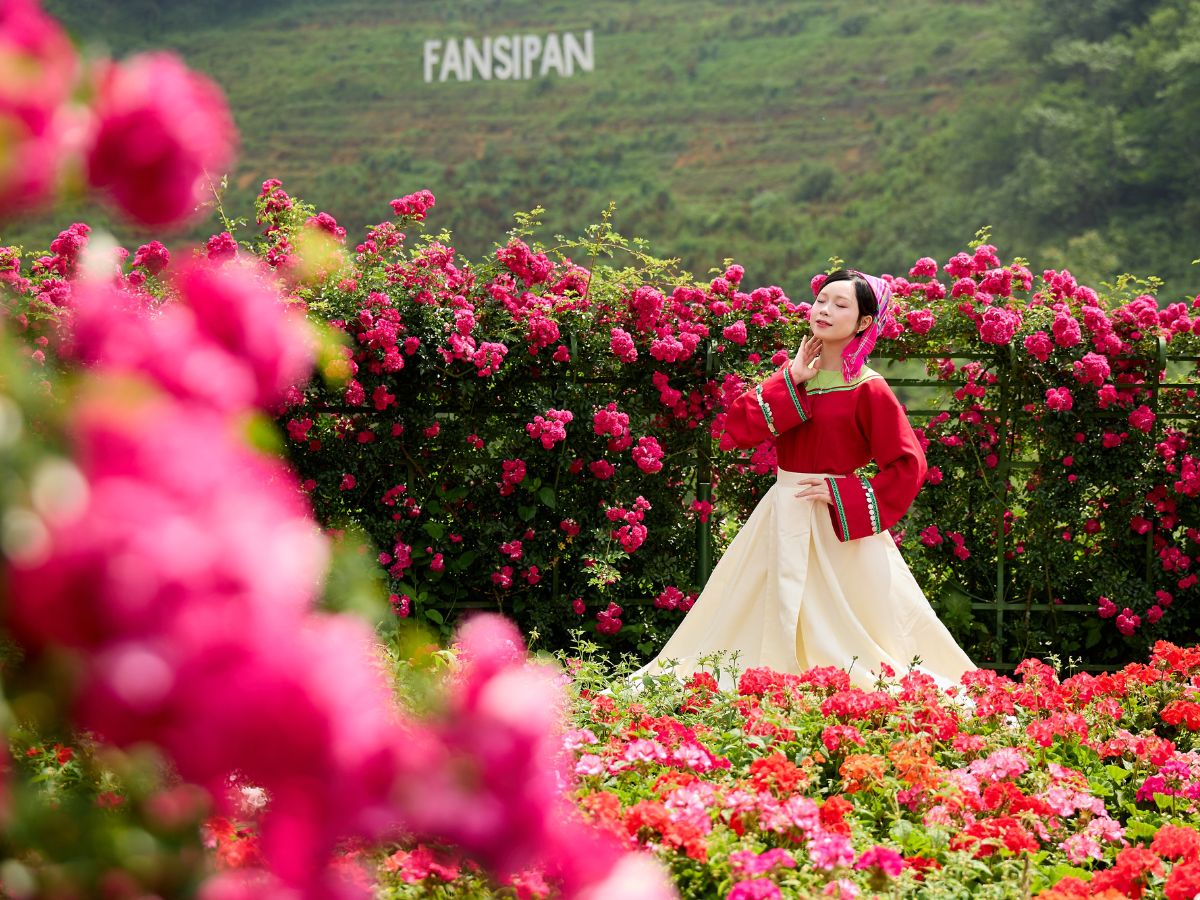
Travel experience at Sun World Fansipan Legend. (Source: Collected)
To fully explore the unique highland cuisine, visitors can visit prominent locations around Sa Pa, from traditional restaurants to bustling market fairs. Each place not only offers unique local specialties but also blends cultural experiences with the majestic nature of the Northwest.
Sun World Fansipan Legend: This resort area is not only famous for its cable car and Fansipan peak but also has many eateries serving highland specialties. Visitors can combine sightseeing with culinary enjoyment, creating a complete and multi-experience journey.
A Phu Restaurant (15 Fansipan): This is a famous address for Northwest specialties, from smoked buffalo meat to fresh salmon hotpot. The cozy space, rich in ethnic culture, is suitable for enjoying traditional meals.
Sa Pa Night Market (Dien Bien Phu Street): Visitors can explore food stalls and booths selling local specialties such as Thang Co, five-colored sticky rice, and grilled skewers. The bustling night market offers a vibrant and authentic local culinary experience.
Coc Ly and Bac Ha Markets: These are prominent market fairs around Sa Pa, where many ethnic dishes are sold at affordable prices. Visitors can enjoy local cuisine while learning about the cultural life of ethnic minorities.
Ham Rong Mountain, Cat Cat Village, Silver Waterfall: These attractions offer beautiful scenery and local specialty stalls. Visitors can enjoy food while exploring the culture and nature of the Northwest.
With its unique cultural features, handicrafts, and highland cuisine, What is unique about Sa Pa market fairs? highlights it as an unmissable destination to experience local life. Here, visitors can shop for agricultural products and brocade items, and immerse themselves in the bustling, colorful atmosphere of the market. Visit Sa Pa market fairs on your 2025 travel journey to fully enjoy the unique experience and preserve unforgettable moments.