















1. Why Fansipan peak is always an attractive destination in Sa Pa
1.1. The journey to reach the roof of Indochina is easier
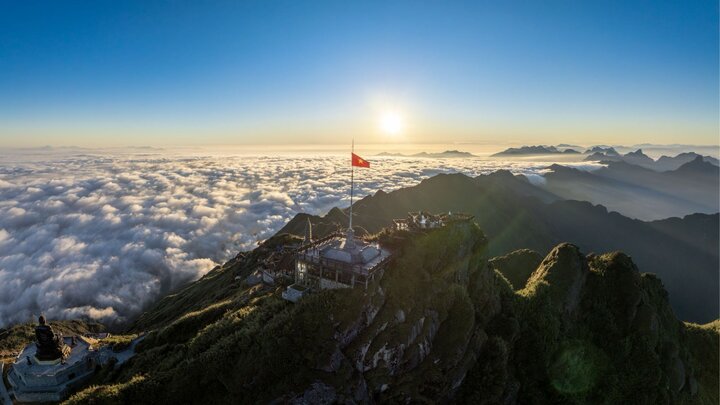
When mentioning Sa Pa, many tourists will immediately think of Fansipan, known as the roof of Indochina with a height of 3,143 m. Not only is it a prominent tourist symbol of the Northwest, but Fansipan has also become an iconic destination for nature lovers, explorers, and those who want to experience the feeling of standing amidst a sea of clouds on the highest mountain peak in Vietnam.
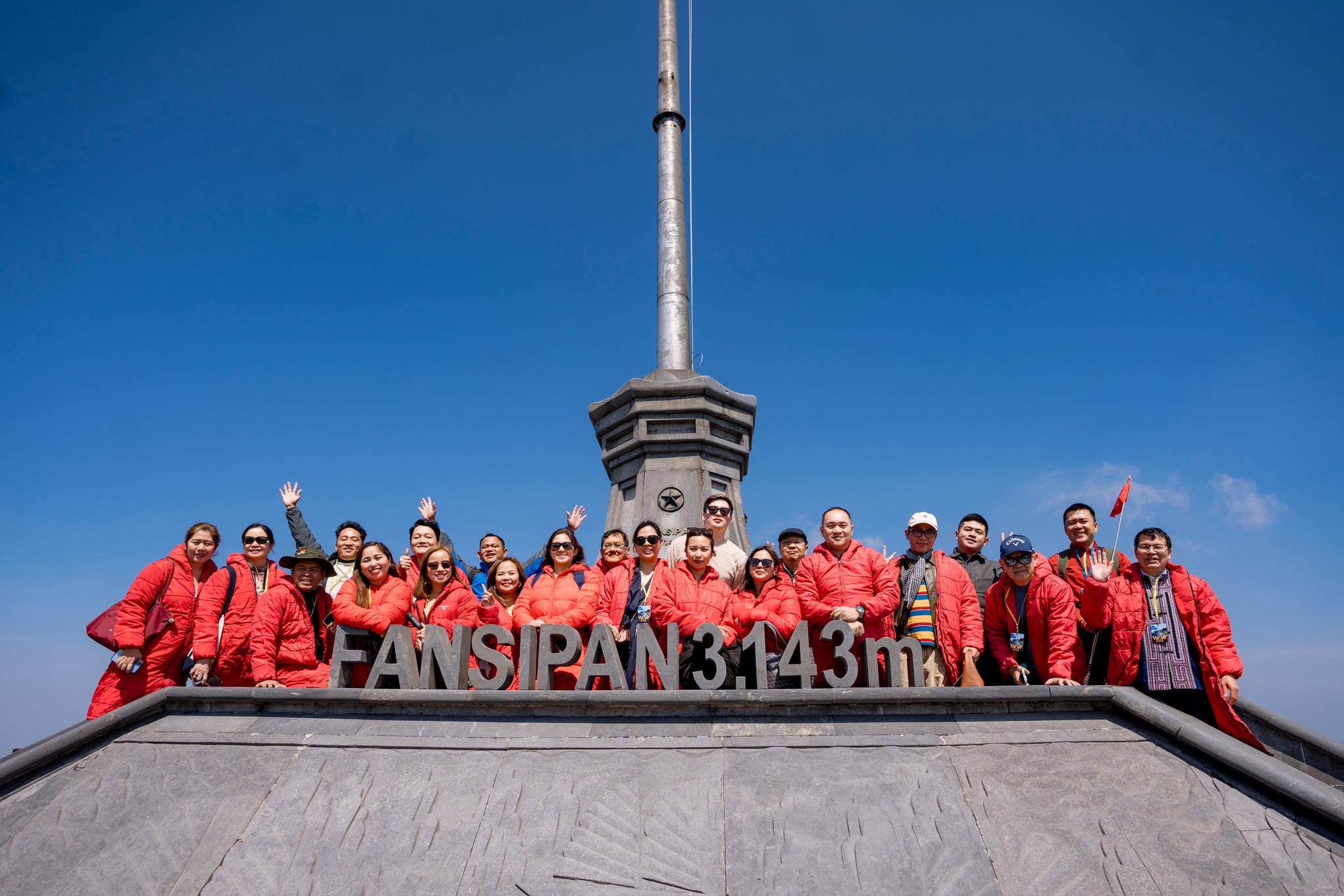
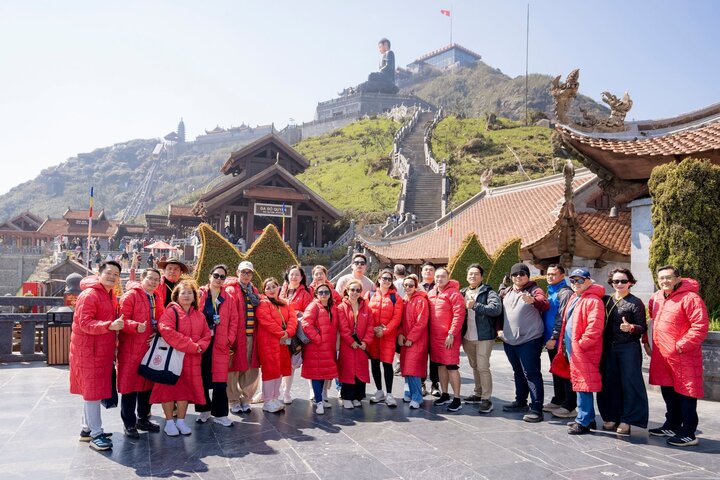
Tourists reach the summit of Fansipan, the roof of Indochina at 3,143 m. (Source: Collected)
If previously conquering Fansipan required tourists to trek through the forest for many days over treacherous terrain, now the modern cable car system has made the journey to the summit much easier. In just about 15 minutes in a cabin, tourists can cover a distance of kilometers through the Hoang Lien Son mountain range to get close to the highest peak in Indochina.
1.2. Climate and scenery change with each season
One of the things that makes tourists always want to return to Fansipan is the constantly changing scenery throughout the year. Each season here wears a different appearance.
Spring is highlighted by peach and plum blossoms and highland cultural festivals. Summer is the ideal time to escape the heat, hunt for sea of clouds, and admire the vibrant flower valleys amidst the Hoang Lien Son mountains. Autumn makes Fansipan enchanting with the golden color of the Muong Hoa terraced fields during the ripe rice season. Meanwhile, winter brings a mystical beauty of frost and occasional rare snowfall in Vietnam.
The space on Fansipan's summit changes with each moment of the day. In the morning, a thick sea of clouds often appears, blanketing the spiritual structures. By noon, the sky clears up, making it convenient to admire the panoramic view of the Hoang Lien Son range. In the late afternoon, the sunset light bathes the layers of clouds in gold, creating a scene that many tourists do not want to leave.
2. What outstanding experiences does Fansipan peak offer?
Many people have asked what outstanding experiences Fansipan peak offers that make it the most famous destination in the Northwest. In reality, the journey to explore Fansipan is not just about taking the cable car or taking photos at the summit, but also a continuous series of experiences amidst nature, culture, and spirituality.
2.1. Take the cable car to admire the Hoang Lien Son range from above
One of the most impressive experiences at Fansipan is the journey by cable car through the clouds amidst the Hoang Lien Son mountains. The cabins with transparent glass design open up a panoramic view, allowing tourists to easily observe the majestic beauty of the Northwest from above.
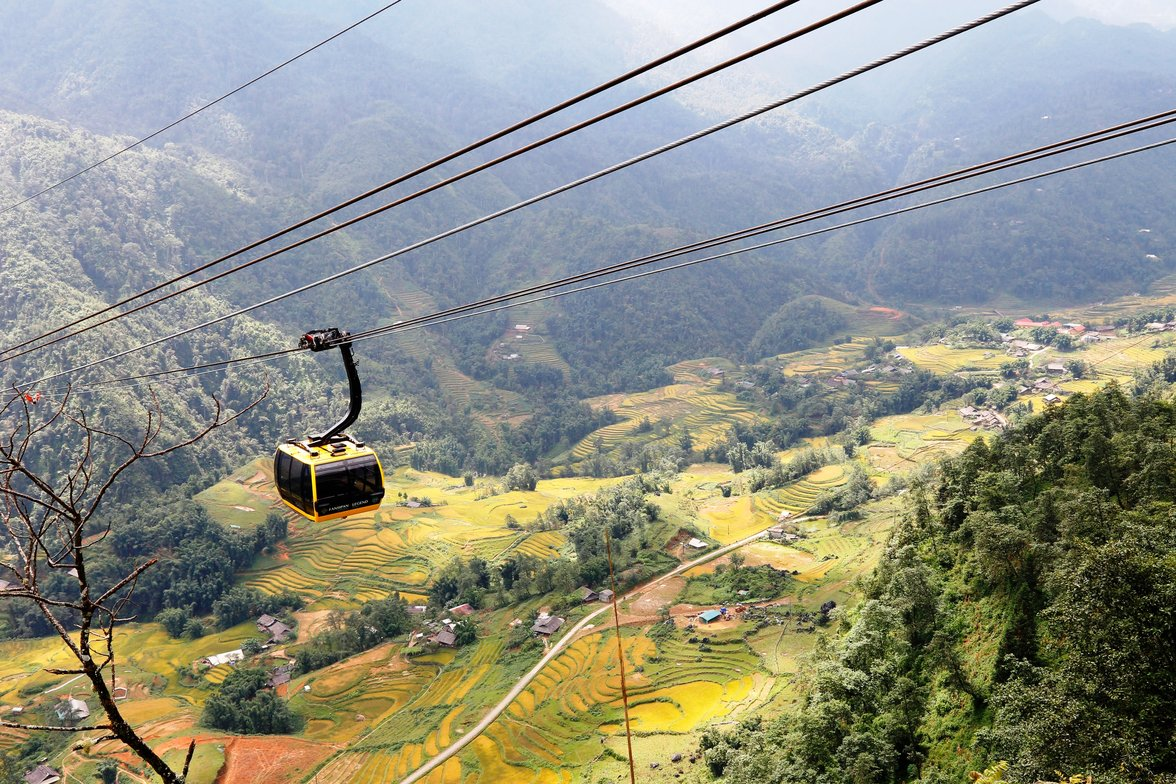
Terraced fields and Muong Hoa valley appear from the Fansipan cable car cabin. (Source: Collected)
As soon as the cabin leaves Hoang Lien station, the scenery below gradually appears with winding terraced fields, small hamlets nestled on the mountainside, and streams winding through the Muong Hoa valley. During the water pouring season from May to June, the fields reflect the sunlight, sparkling like giant mirrors amidst the mountains and forests.
As the cabin ascends, the feeling of floating amidst a sea of clouds becomes an experience that delights many tourists. On some days, clouds cover the entire valley, making the scenery below almost disappear, creating a feeling of flying in the sky.
2.2. Worshiping the spiritual architectural complex amidst clouds and sky
One of the most special landmarks at Fansipan is the spiritual cultural complex located at an altitude of over 3,000 m. The space here creates a sense of tranquility amidst majestic mountains and is often covered by white clouds.
The most prominent is the 21m-high bronze Amitabha Buddha statue situated amidst the sea of clouds of Hoang Lien Son. This is considered one of the famous check-in spots and a place where many tourists stop to pay homage when visiting Fansipan.
Besides, there is Bich Van Zen Monastery located in a high, airy position with architecture typical of ancient Vietnamese pagodas. From this area, visitors can gaze down at the valley below on clear days.
Kim Son Bao Thang Pagoda, the Arhat path, the statue of Quan The Am Bodhisattva, and stone stupas scattered on the mountainside also create a rare and special spiritual journey in Vietnam.
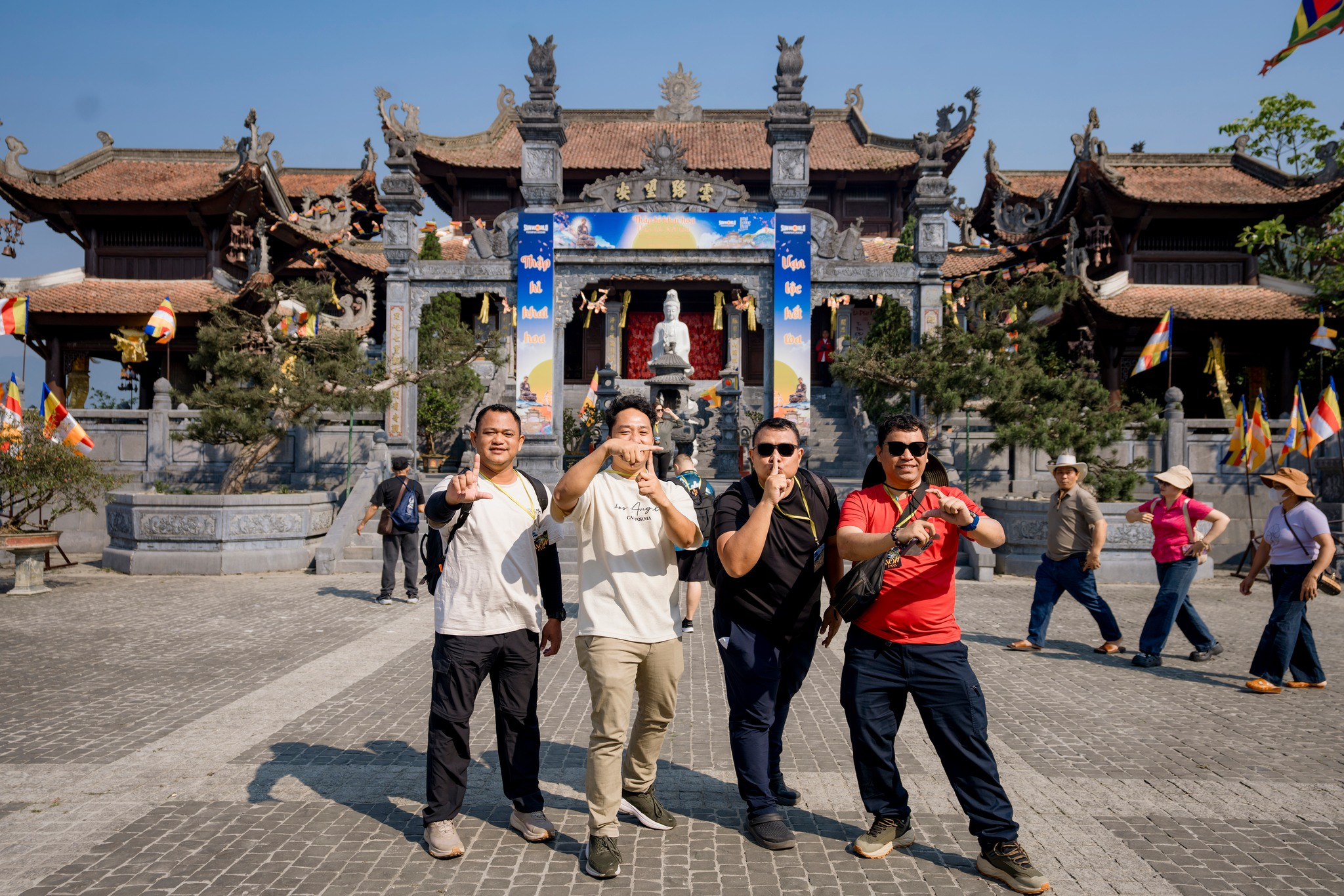
Visitors pay homage at spiritual structures in Fansipan. (Source: Collected)
In the early morning or after rain, a sea of clouds often appears densely around the mountain peak area. The clouds cover the paths, weave through each stone step, and drift around the spiritual complex, making the space become mystical like a fairyland.
2.3. Check in at the 3,143m milestone and the National Flagpole
After overcoming the final stone steps, visitors will reach the 3,143m milestone, the symbol marking Vietnam's highest peak. This is almost an unmissable check-in point for anyone visiting Fansipan. The moment of standing amidst clouds and sky, with the Hoang Lien Son mountain range stretching endlessly below, creates a very special feeling. For many visitors, this is not just a souvenir photo but also a milestone marking an emotional conquering journey.
The area around the National Flagpole is also a favorite spot for many. The red flag with a yellow star fluttering amidst the blue sky and white sea of clouds creates a scene full of pride on the roof of Indochina.
2.4. Experience the Muong Hoa mountain climbing train
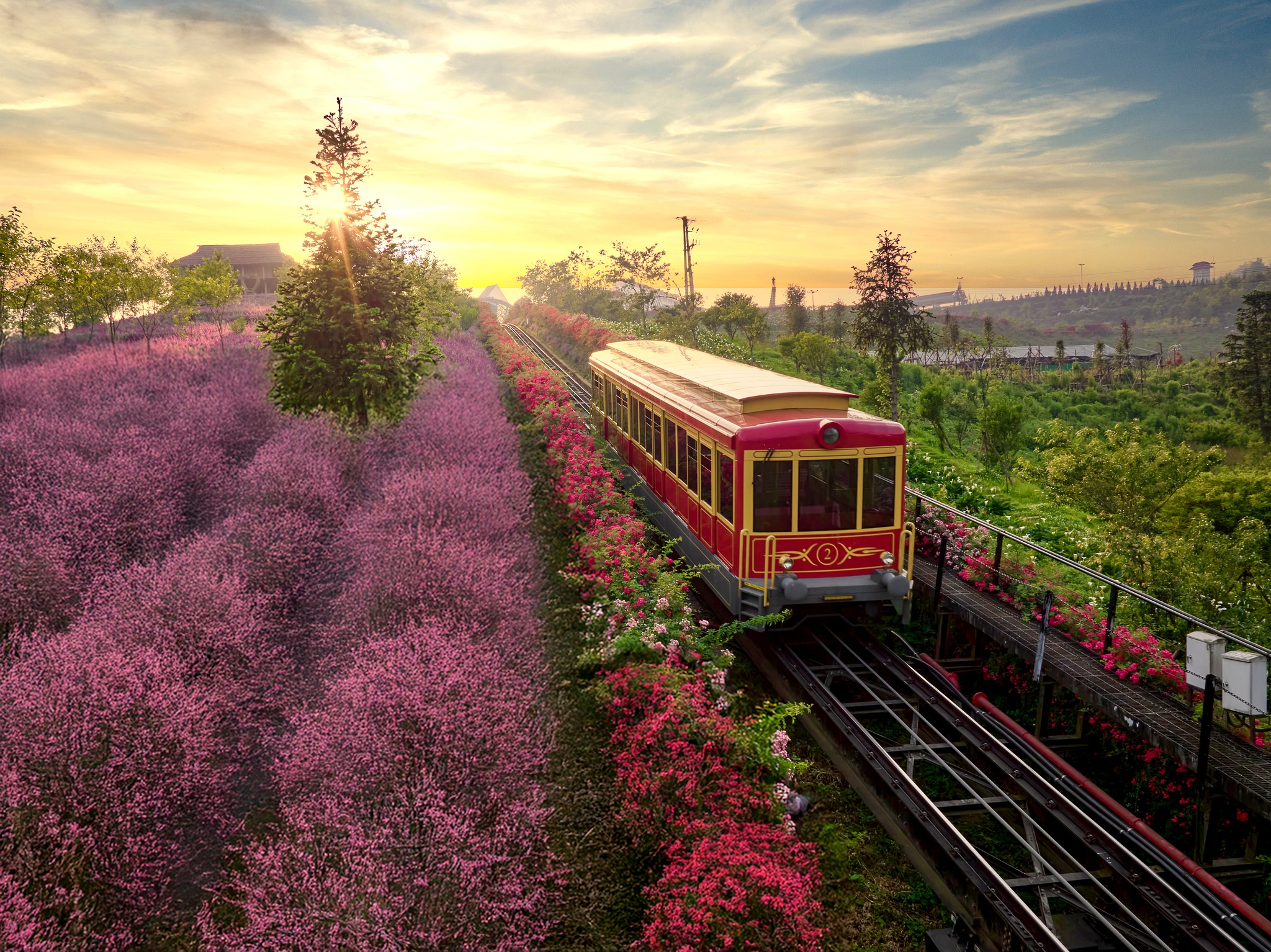
The Muong Hoa mountain train has a classic European style. (Source: Collected)
Besides the cable car, the Muong Hoa mountain train is also a very worthwhile experience when visiting Fansipan. The approximately 2 km long train route connecting Sun Plaza to Hoang Lien station is designed in a classic European style. The station space impresses with its large dome, delicate decorative details, and antique French-inspired interior. Many tourists liken this place to a European train station nestled amidst the Northwest mountains and forests.
Throughout the approximately 6-minute journey, the train slowly passes through the Muong Hoa valley, flanked by terraced fields, green mountain slopes, and distant drifting clouds. This is also a chosen experience for many families because it is both convenient and makes the journey to explore Fansipan more interesting.
2.5. Discover Ban May and the Fansipan flower paradise
If you are still wondering what experiences Fansipan peak offers besides cloud hunting and taking the cable car, Ban May and the flower valley are definitely worth exploring.
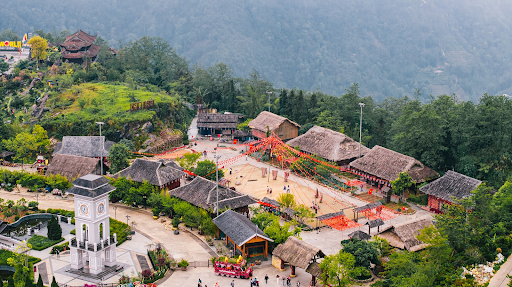
Ban May (Cloud Village) is peaceful with wooden houses nestled on the mountainside. (Source: Collected)
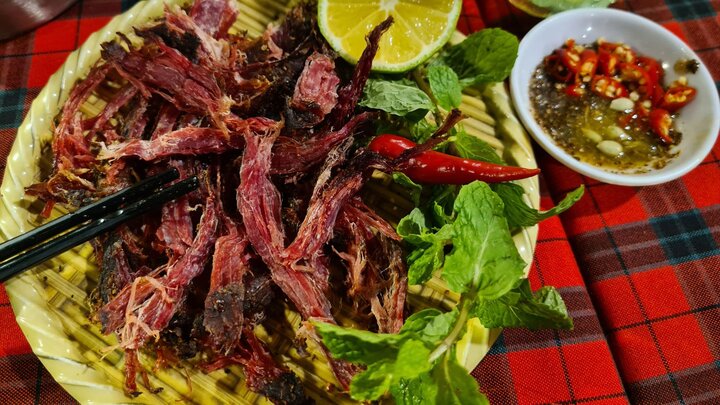
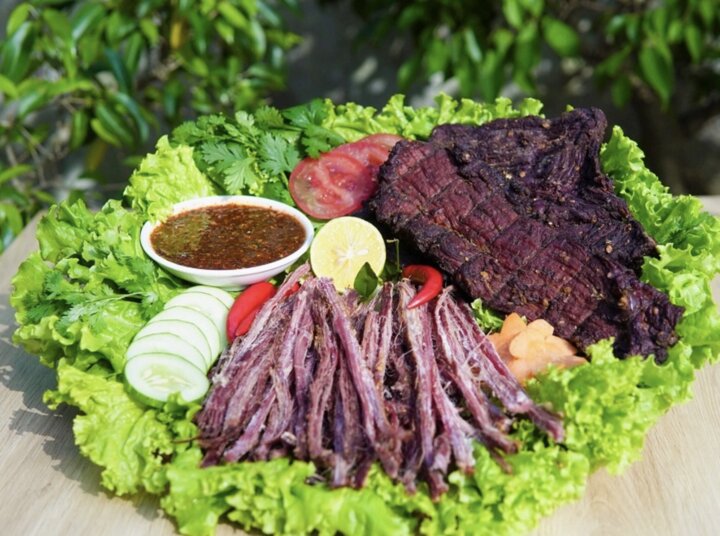
Ban May is built as a space recreating the Northwest culture with the presence of many ethnic groups such as H'Mong, Dao, Tay, Giay, or Ha Nhi. Traditional wooden houses nestled amidst mountains and forests create a landscape rich in highland character. Here, visitors can watch locals weave brocade, make cakes, perform khen dances, or enjoy specialty dishes such as sticky rice cooked in bamboo tubes, grilled meat, thang co, and corn wine.
The rose valley near Ban May is one of the most prominent check-in spots at Sun World Fansipan Legend, with a vast flower space stretching between the mountains and forests of the Northwest. This area boasts approximately 300,000 rose bushes, meticulously cared for and planned, covering all pathways, slopes, and miniature landscapes within the valley.

Flower-covered paths at Sa Pa rose valley. (Source: Collected)
On an area of about 50,000 m2, visitors can find over 150 different rose varieties, from familiar old Sa Pa roses to many world-famous foreign roses such as Juliet, Black Baccarat, or Abraham Darby. The combination of red, pink, yellow, orange, and white colors creates a vibrant space stretching across the cool weather of Hoang Lien Son.
3. Suggested itinerary for exploring Fansipan in one day
3.1. Morning: Conquer Fansipan peak and visit the spiritual complex
The morning is the best time to explore Fansipan as the weather is usually clear, with more clouds and better visibility. Visitors should depart early to catch the sea of clouds on the mountaintop.
After taking the cable car and mountain train, the journey continues with spiritual attractions such as the Great Buddha Statue, Bich Van Zen Monastery, and the Arhat path before reaching the 3,143m milestone.
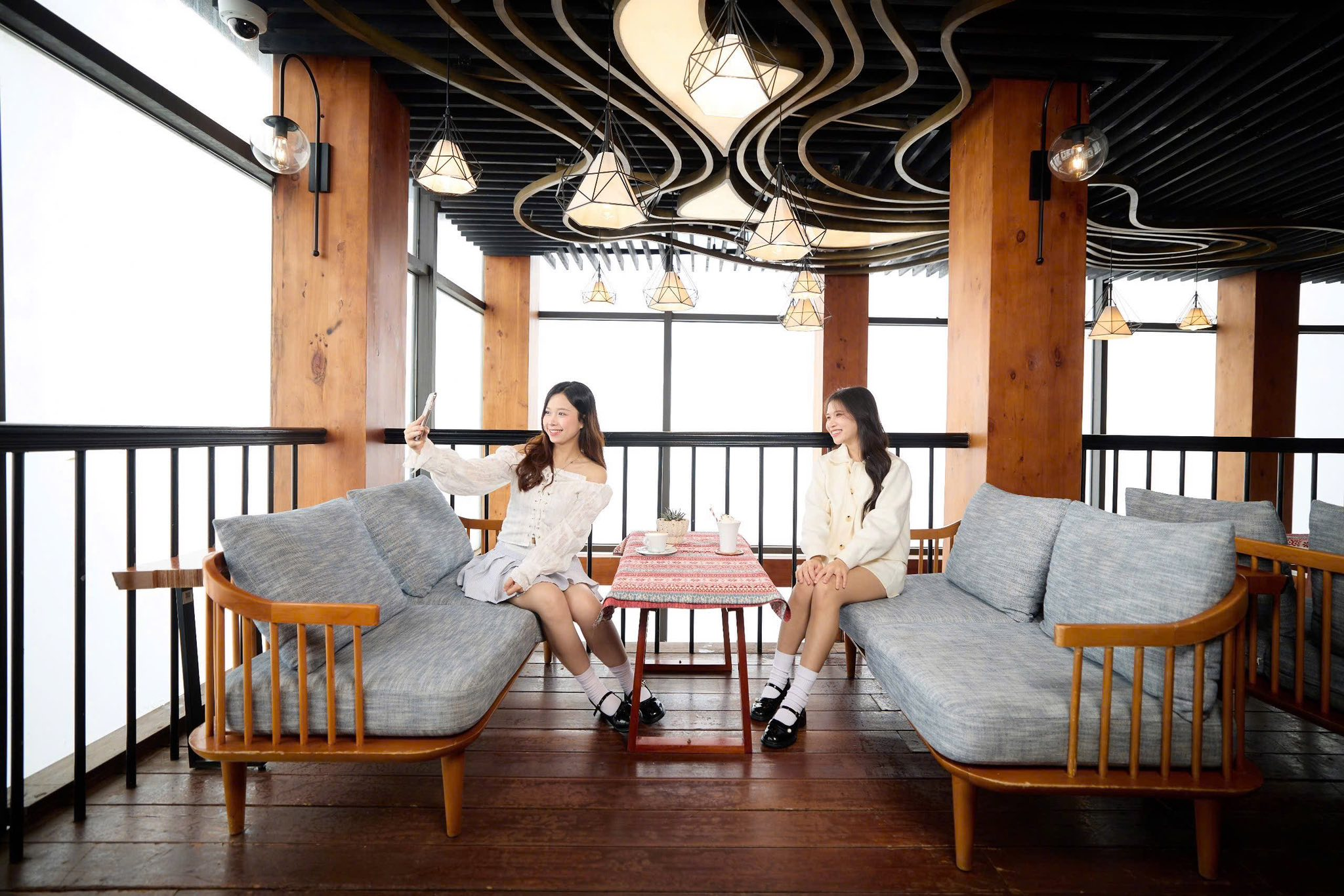
Tourists enjoy coffee amidst a sea of clouds at Du Soleil. (Source: Collected)
After the sightseeing tour, tourists can relax at the Du Soleil cafe. This is a 2-story cafe located in the flagpole area on the Fansipan peak, immediately impressing with its modern glasshouse architecture. The wide glass frame surrounding the space allows tourists to easily gaze out at the sea of clouds and rolling mountains, with almost no limited viewing angles.
In the weather of only about over 10 degrees Celsius on the mountain peak in the early morning, the feeling of sitting and sipping a hot cup of coffee amidst the sea of clouds creates a very different experience compared to many other tourist destinations in Vietnam.
3.2. Lunch: Enjoying Northwest Specialties
After exploring the mountain peak, tourists can rest and have lunch at the Van Sam buffet restaurant located near Hoang Lien station.
The restaurant stands out with its spacious, modern Northwest-style ambiance and a capacity of up to thousands of guests. It serves many famous specialties of Sa Pa such as salmon, sturgeon, local pork, black chicken, wild vegetables, or characteristic highland grilled dishes. Besides Northwest dishes, Van Sam buffet also offers a variety of Asian and European dishes suitable for both international guests and families with young children.

Tourists enjoy a delicious lunch at Van Sam restaurant. (Source: Collected)
3.3. Afternoon visit to Ban May and the rose valley
The afternoon is a suitable time to explore Ban May and the flower gardens around Fansipan. Gentle sunlight and cool air make walking and sightseeing more pleasant. Ban May brings a sense of peace with wooden houses nestled on the mountainside, the echoing sound of khen, and the aroma from the hearths of the highland people.
Meanwhile, the rose valley creates a romantic scene with millions of flowers blooming amidst the mountains and forests. Paths covered in flowers, European-style miniatures, and the blue sky of Sa Pa make this a favorite photo spot for many tourists.
4. Tips for a more convenient Fansipan exploration
4.1. When is the best season to visit Fansipan?
Fansipan can be visited year-round, but the periods from March to May and from September to November are generally considered the most beautiful. Summer from May to August is suitable for escaping the heat and hunting for sea of clouds. Meanwhile, autumn is when the Muong Hoa terraced fields turn a striking golden yellow.
4.2. Prepare your outfit
Even in summer, the temperature on Fansipan peak is significantly lower than in the central Sa Pa area. Tourists should bring a light jacket to avoid the cold when hunting for clouds in the early morning. Additionally, non-slip sports shoes are essential as the summit area has many stone steps and steep paths.
Fansipan is not just a journey to touch the roof of Indochina; it also opens up a world of diverse experiences amidst the nature, culture, and spirituality of the Northwest highlands. If you are still wondering what experiences Fansipan offers, the answer is certainly more than just a typical tour. It is a journey to discover the majestic beauty of Hoang Lien Son, enjoy the year-round cool climate, and fully experience the unique charm of Sa Pa amidst the clouds of the Northwest.