















1. Why is cloud hunting in Sapa attractive to tourists?
1.1. Characteristics of Sapa's climate and landscape
Sapa is located at an average altitude of 1,500 to 1,800 meters above sea level, belonging to the majestic Hoang Lien Son mountain range. This special geographical location has created a rare temperate mountain climate in Vietnam, with four seasons in a day and mist appearing almost year-round. Unlike clouds drifting lazily over the plains, Sapa's clouds often form thick layers, swirling between deep valleys. When the temperature drops sharply at night and in the early morning, the water vapor in the air condenses, creating fluffy "sea of clouds" that cover terraced fields, villages, and mountain peaks. This is precisely what makes cloud hunting in Sapa a unique experience. What's even more special is that the clouds in Sapa do not stand still. In just a few minutes, visitors can witness clouds rising, dissipating, and then returning, blending with the morning sunlight, creating a scene that is both majestic and poetic.
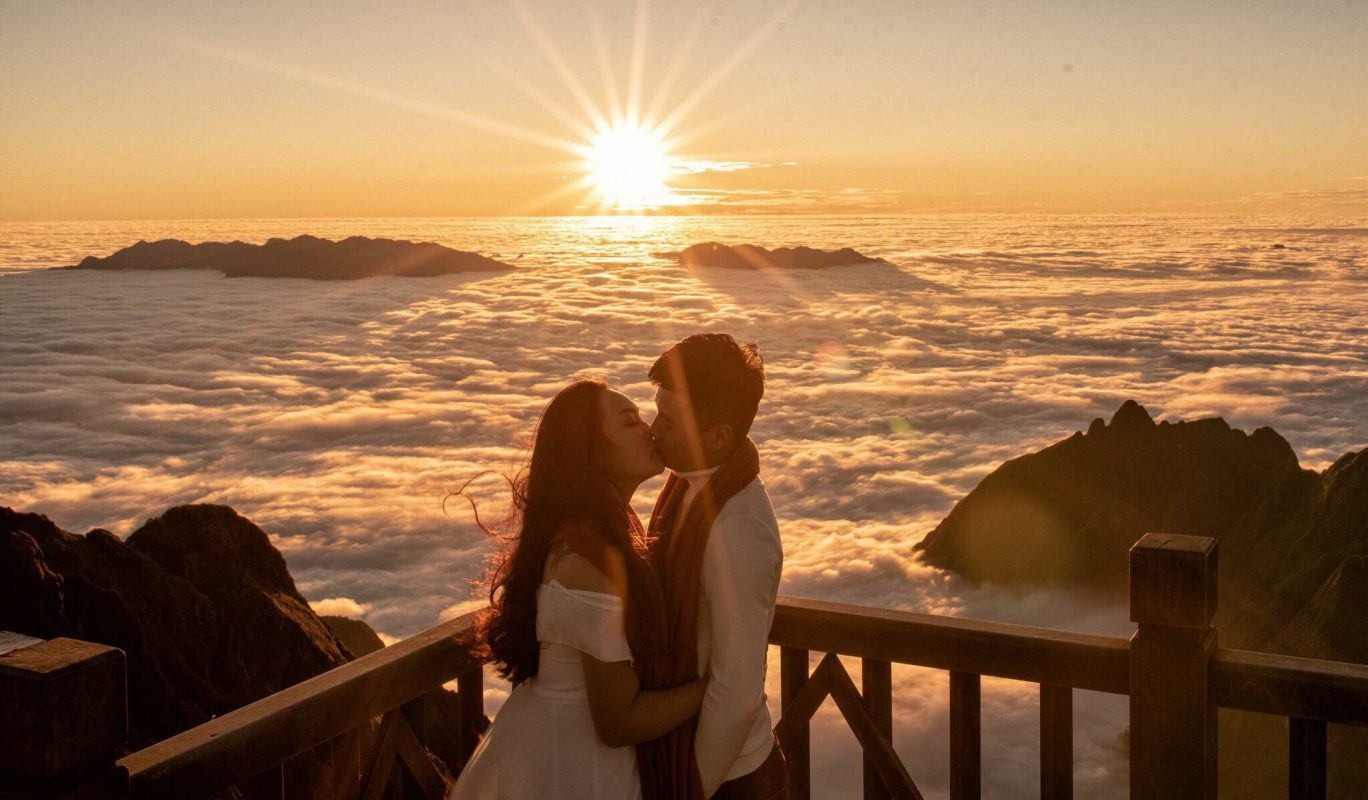
The combination of sky, mountains, terraced fields, and local life makes every cloud hunting moment in Sapa possess a unique, unrepeatable beauty. (Source: Collected).
1.2. Which month is best for cloud hunting in Sapa – a question of interest to travelers
Amidst countless "million-like" check-in photos on social media, the question of which month is best for cloud hunting in Sapa has always been a top concern for domestic and international tourists. It's not always possible to encounter a thick, beautiful, and floating sea of clouds as expected every time you visit Sapa. Choosing the right time not only determines the success rate of cloud hunting but also directly affects the overall travel experience. Favorable weather helps you move around easily, enjoy the scenery safely, and capture the most impressive photos. Conversely, if you visit during the rainy season or when the clouds are too thick with fog, limiting visibility, the cloud hunting experience may not meet expectations.
2. Which month is best for cloud hunting in Sapa during the year?
2.1. Cloud hunting in Sapa from October to April – the best cloud season
According to the experience of many travel and photography enthusiasts, the period from October to April of the following year is considered the best season for cloud hunting in Sapa. This is when Sapa enters its cold dry season, with little rain, high humidity, and low nighttime temperatures, which are very conducive to cloud formation.
During this time, the temperature difference between day and night is quite large. The cold nights cause strong condensation, forming thick, floating clouds that spill over the valleys in the early morning. As the sun rises higher, sunlight shines through the clouds, creating a scene that is both mystical and brilliant. A great advantage of this period is the relatively accurate weather predictability. Tourists can easily track cold air masses to choose the "golden" time to visit Sapa for cloud hunting, increasing the success rate.
2.2. Characteristics of cloud hunting in Sapa from October to December
From October to December, Sapa officially enters winter. The average temperature ranges from 8 to 18 degrees Celsius. Thick fog often appears at night and in the early morning. This is when clouds form abundantly and beautifully, especially between 5:30 AM and 7:30 AM. However, thick fog can sometimes affect visibility, especially on days with very high humidity.
For tourists who love the misty, chilly feeling and the quiet atmosphere of the mountains and forests, this is the ideal time. The clouds at this time often cling to the mountainsides, weaving through the villages, creating a very cinematic scene. Towards the end of November to early December, as the weather becomes drier, the chances of a thick and clear sea of clouds increase, making it very suitable for cloud hunting combined with artistic photography.
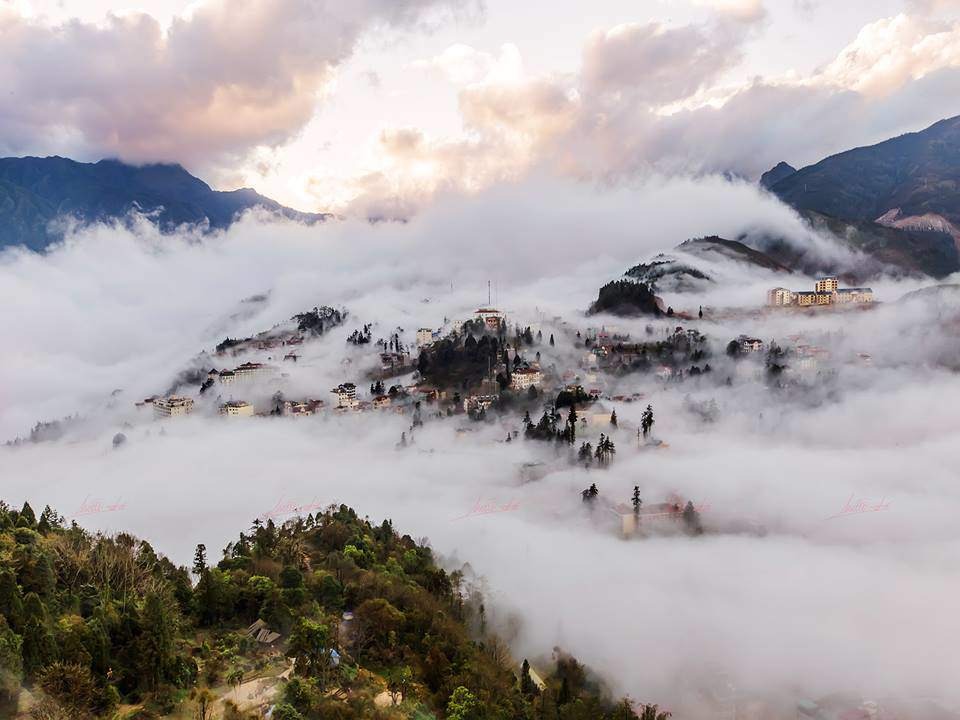
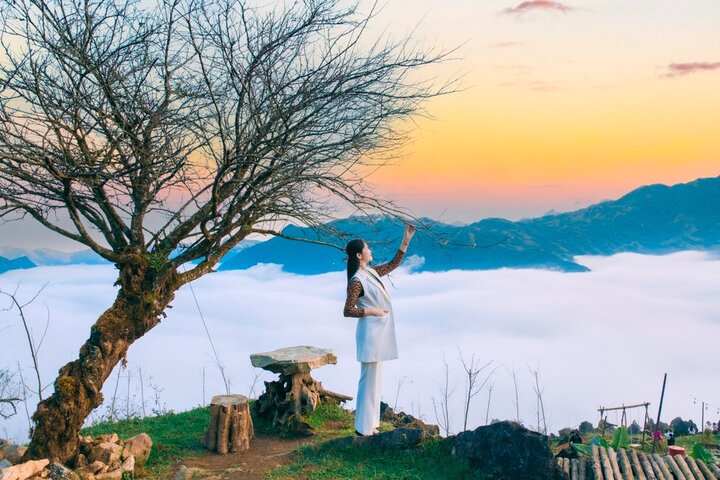
Sapa appears and disappears in the early morning mist, hazy and peaceful like an ink wash painting amidst the mountains and forests of the Northwest. (Source: Collected).
2.3. Cloud hunting combined with snow hunting from January to early February
January to early February is the coldest period of the year in Sapa. Temperatures can drop below 0 degrees C during severe cold spells, creating conditions for frost and even snowfall on Fansipan peak. This is a special time for tourists who love experiencing a true winter. Cloud hunting at this time is not just about admiring the clouds, but also a rare opportunity to witness Sapa in its pristine white coat of ice and snow. The clouds are often thick and low-lying, combined with frost, creating a scene like a miniature Europe in the heart of the Northwest. However, the weather during this period is quite harsh. Tourists need to prepare carefully in terms of clothing, health, and closely monitor weather forecasts to ensure safety when traveling.
2.4. Spring travel and cloud hunting in Sapa from late February to April
From late February to April, Sapa gradually warms up, entering spring. Temperatures range from 15 to 22 degrees C, with pleasant weather and little rain, making it very suitable for family trips or vacations combined with cloud hunting. The clouds during this period usually appear in the early morning, not as thick as in winter but with a fluffy and clear quality. The natural landscape begins to turn green again, peach blossoms, plum blossoms, and pear blossoms bloom all over the villages, creating a vibrant spring picture. For those who want to answer the question of when is the best month to hunt for clouds in Sapa in terms of ease of access, experience, and suitability for many people, the period from late February to April is a very worthwhile option.

The sea of clouds in Sapa floats like white waves, covering valleys and villages with a magical, captivating beauty. (Source: Collected).
3. Top unmissable cloud hunting spots in Sapa
3.1. Fansipan Peak – The “Roof of Indochina”
Fansipan is the most famous cloud hunting spot in Sapa. With a height of 3,143 meters, it is a place where you can gaze into the distance and admire the rolling sea of clouds right beneath your feet. Currently, hunting for clouds on Fansipan has become much easier thanks to the Sun World Fansipan Legend cable car system. In just about 15 minutes, visitors can reach near the summit, enjoying the feeling of floating amidst clouds and sky.
On days with favorable weather, clouds fill the valleys below, creating a rare and spectacular scene. In winter, Fansipan is also one of the few places in Vietnam where snow can appear. The combination of clouds, snow, and the spiritual atmosphere on the mountaintop offers a very different experience, both awe-inspiring and sacred.
3.2. Sapa Sky Gate and other scenic cloud hunting spots
Sapa Sky Gate, located on the O Quy Ho Pass, is a familiar cloud hunting spot for many tourists and photographers. From here, you can easily see clouds flowing through the valley, especially in the early morning or after cold fronts. Besides the Sky Gate, Sapa has many other famous cloud hunting spots such as Sau Chua village, Best View Sapa, or the glass bridge area. These locations have the advantage of being easily accessible, requiring little strenuous climbing, making them suitable for general tourists. The ideal time to visit these spots is usually from 6 to 8 AM, when the clouds have not yet dispersed and the sun begins to appear.
3.3. Cloud hunting villages with strong local identity
If you want to combine cloud hunting with exploring local culture, the villages around Sapa are an ideal choice. Hang Da village boasts a wild beauty, with clouds often appearing in the early morning, covering pathways and wooden houses. Hau Thao village stands out with its terraced fields stretching far and wide, where clouds weave between the rice paddies, creating a very poetic scene. Y Ty, although a distance from Sapa center, is known as the "cloud hunting paradise" of the Northwest. The sea of clouds in Y Ty is thick, vast, and stretches for miles, combined with the characteristic earthen houses of the Ha Nhi people, offering a truly worthwhile experience for explorers. To fully enjoy the experience, visitors should stay overnight in the villages, wake up early, and spend time immersing themselves in the local way of life.
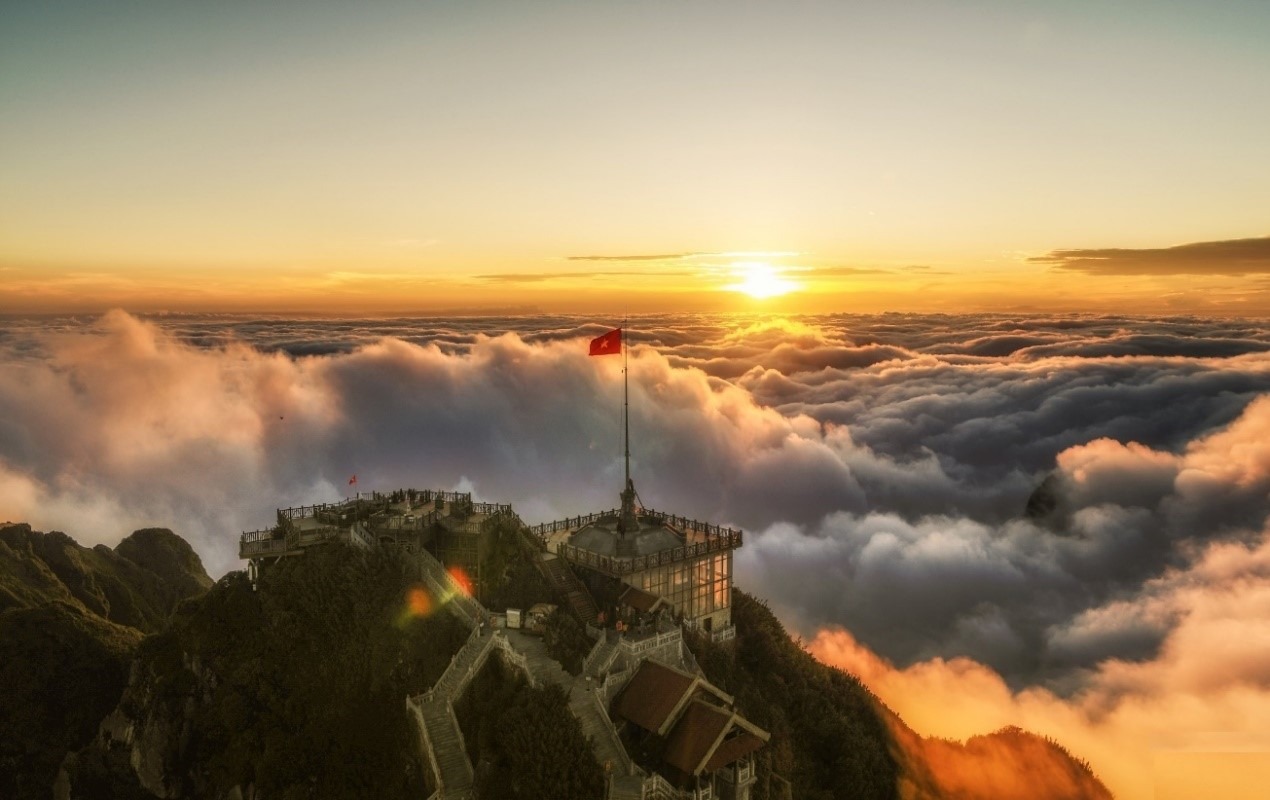
Fansipan Peak is an ideal destination for cloud hunting, where you can gaze out at a rolling sea of clouds right beneath your feet. (Source: Collected).
4. Tips for successful Sapa cloud hunting this year
4.1. Monitor weather forecasts – the deciding factor for success or failure
Weather forecasts play a crucial role in cloud hunting. Tourists should monitor nighttime temperatures, humidity, and the possibility of fog on reputable forecasting apps and websites. Days with low nighttime temperatures, mild sunny days, and little wind are often ideal conditions for beautiful cloud formations. Many people's experience shows that after strong cold fronts, the chances of successful cloud hunting are higher, especially on the following early morning.
4.2. Prepare suitable clothing and gear
Cloud hunting often takes place in the early morning or late afternoon when temperatures are low. Tourists need to prepare warm jackets, scarves, gloves, and shoes with good grip for safe movement. For photography enthusiasts, protecting cameras and phones from dampness is also very important. Clothing should be in bright, simple colors to easily create highlights when taking photos amidst the white sea of clouds.
4.3. Combine cloud hunting with the Sun World Fansipan Legend experience
One of the popular suggestions among tourists is to combine cloud hunting with experiences within the Sun World Fansipan Legend ecosystem. After taking the cable car to admire the clouds, you can visit the spiritual complex on Fansipan peak, worship the large Amitabha Buddha statue, and stroll amidst the clouds and mountains. With a reasonable itinerary, tourists can hunt for clouds, sightsee, relax, and fully enjoy the beauty of Sapa in just one day.
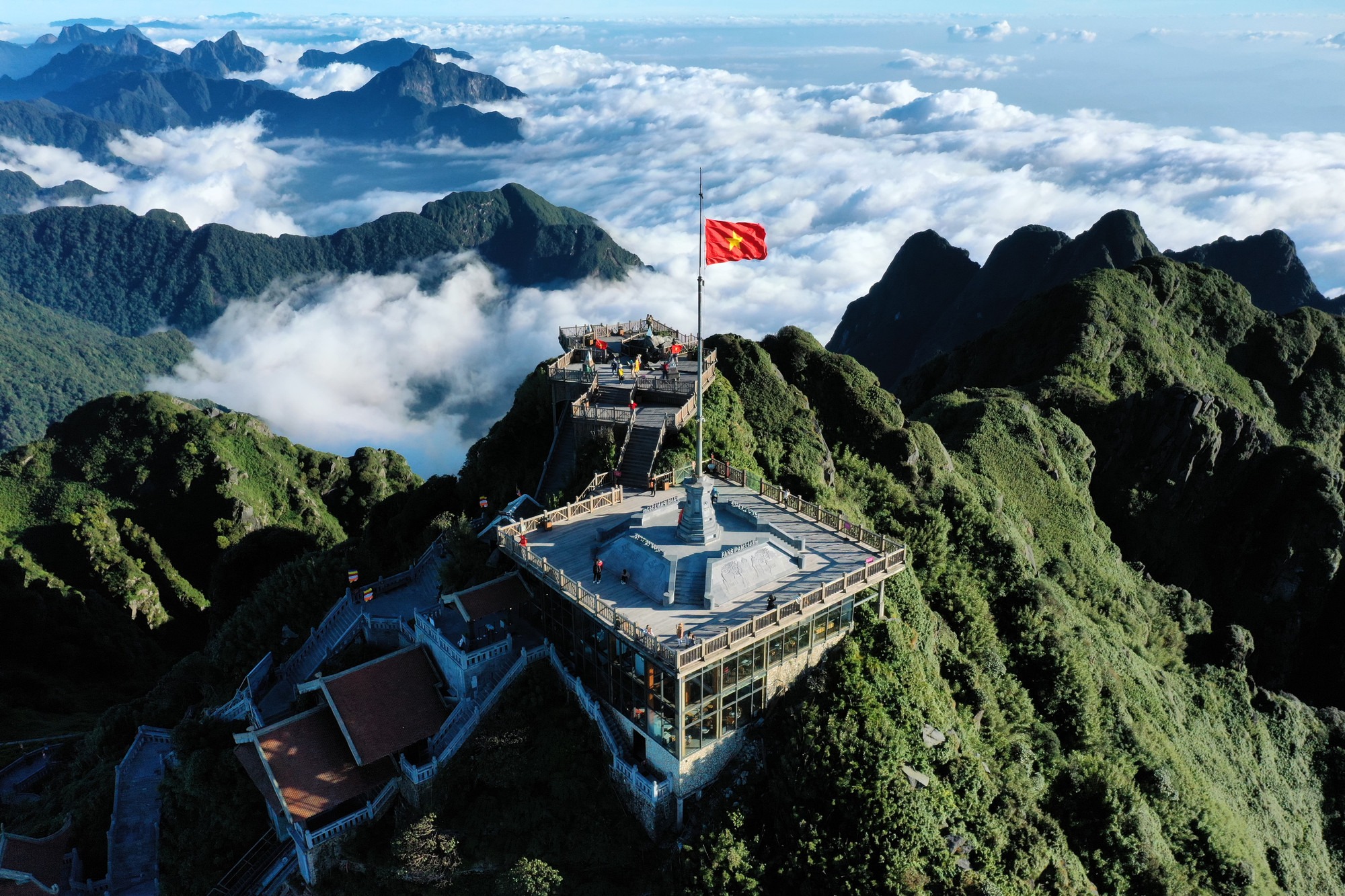
Thanks to the modern Sun World Fansipan Legend cable car system, the journey to conquer Fansipan peak is now lighter and easier, opening up opportunities for all tourists to reach the "Roof of Indochina". (Source: Collected).
5. Tips for booking accommodation and notes for cloud hunting in Sapa
5.1. Choosing accommodation with an ideal cloud-hunting view
Areas located at high altitudes, far from the town center, usually have better cloud-hunting advantages. Tourists can prioritize hotels and homestays on the mountainside or near famous cloud-hunting spots. During the peak season from October to March, room prices may increase, so it is advisable to book early to get good choices and reasonable prices.
5.2. Notes on transportation, health, and safety
Traveling for cloud hunting in the early morning or late evening requires special attention to fog and frost. If you are driving a motorbike yourself, tourists should have experience with mountain passes and prepare adequate protective gear. For those unfamiliar with the roads, choosing a taxi or a local tour is a safer option. Keeping your body warm, eating adequately, and resting properly will help you have enough health to fully enjoy the cloud-hunting journey.
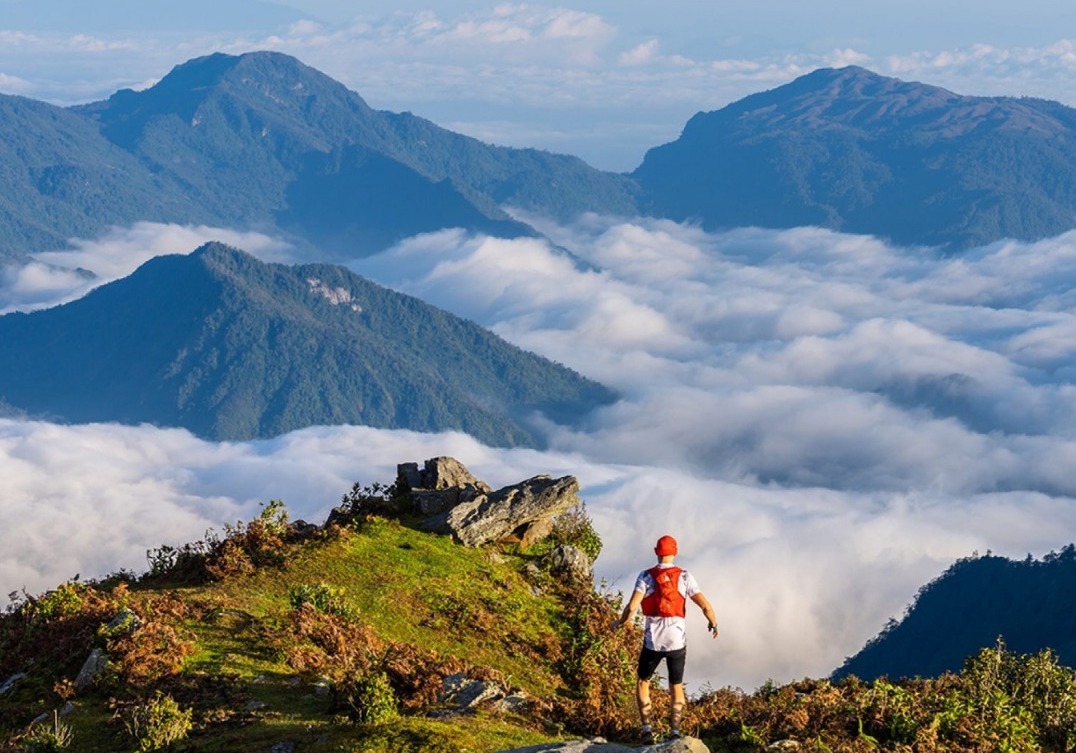
Standing amidst a sea of white clouds, all worries seem to disappear, leaving only a sense of peace rarely found in modern life. (Source: Collected).
Sapa is not only beautiful for its winding terraced fields or its characteristic cool climate, but it also captivates visitors with moments of ethereal clouds gently drifting amidst majestic mountains. Choosing the right time is the "golden key" to make your cloud hunting journey more complete and memorable than ever. Through detailed analysis in this article, it can be seen that the period from October to April next year is the most convincing answer to the question of what is the best month to hunt for clouds in Sapa.
However, each phase of the Sapa cloud season has its own unique beauty. It could be the hazy, serene atmosphere of the cold end of the year; the rare moment when clouds mingle with snow on Fansipan peak; or the gentle, fresh feeling of welcoming spring amidst clouds and early blooming flowers. Regardless of the chosen time, as long as you prepare your itinerary carefully, closely follow the weather forecast, and select the right cloud hunting spot, you can absolutely touch those breathtaking natural moments.
The cloud hunting journey in Sapa is not merely a "check-in" trip, but also an opportunity for you to slow down, breathe in the fresh air of the Northwestern mountains, listen to the peaceful rhythm of village life, and feel the wonderful harmony between humans and nature. If you are planning a trip that is both relaxing and rich in experiences and emotions, don't hesitate any longer. Plan your Sapa cloud hunting journey today, choose the time that suits you best, and get ready to welcome unforgettable beautiful moments amidst the Northwestern clouds. Sapa's cloud season is always there, waiting for you to come and experience with all your senses.