















1. What's Special About Sin Chai Village? Overview of Location and Scenery
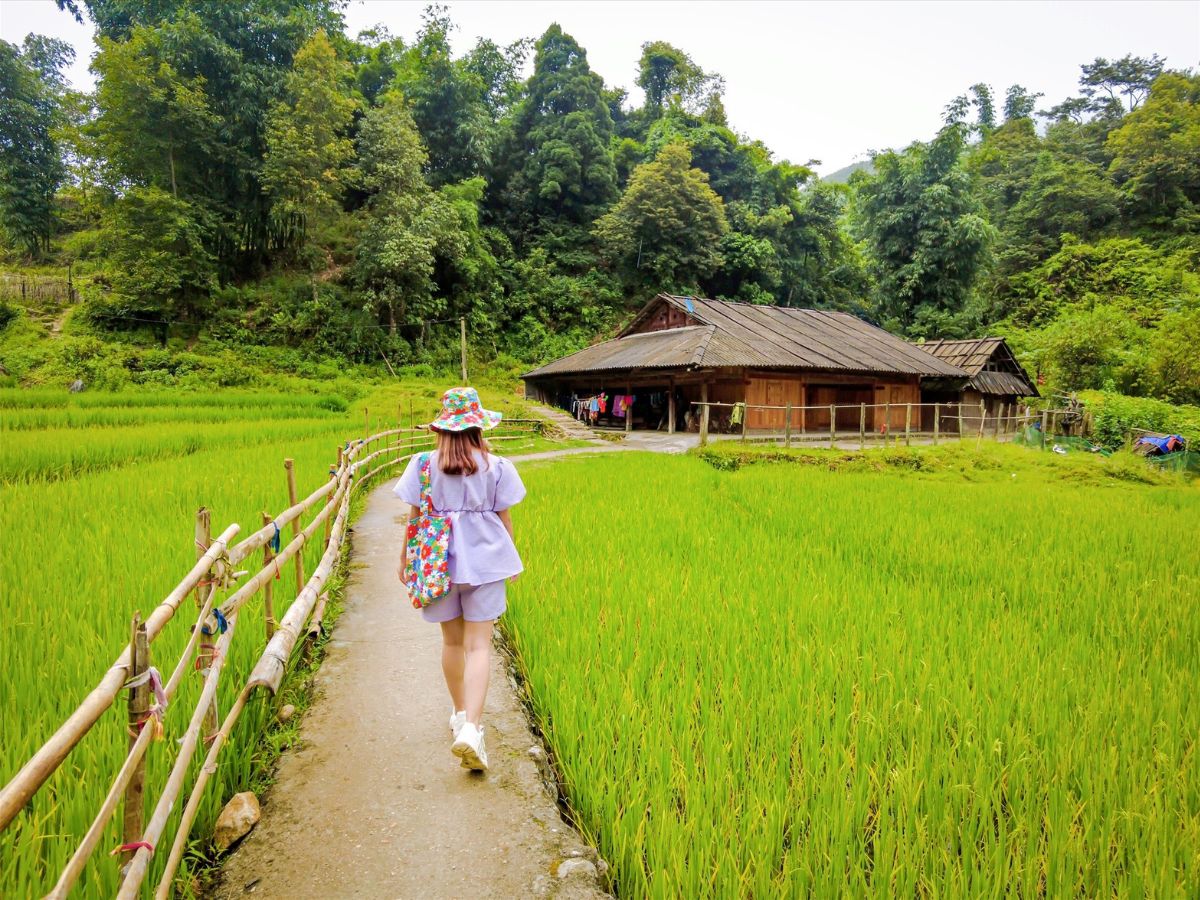
The small path leads into the village, surrounded by lush green rice fields and traditional houses. (Source: Collected)
Sin Chai village is one of the rare destinations in Sa Pa that still retains its pristine beauty, separate from the hustle and bustle of the central area. It attracts tourists not only with its majestic terraced fields but also with its fresh air and the distinctive culture of the Black Hmong people in the heart of Hoang Lien Son.
1.1. Where is Sin Chai village located, and what is special about its geography?
Sin Chai village is located in San Sa Ho commune, Sa Pa town, Lao Cai province, about 7 km south of Sa Pa center. Situated at the foot of the majestic Hoang Lien Son mountain range, the village boasts a terrain leaning against the mountain, facing the year-round clear Muong Hoa stream, creating a vibrant and attractive natural picture.
Sin Chai's terrain is notable for its altitude of about 1,200 m above sea level, with a cool climate year-round, and an average temperature ranging from 15–18°C. In the morning, a light mist covers the entire village, creating a poetic and mystical atmosphere. Surrounded by mountains, forests, and an expansive valley, Sin Chai is an ideal spot for those who want to immerse themselves in nature and enjoy the fresh air of the highlands.
From Sa Pa center, it takes tourists only about 20–25 minutes by motorbike or taxi to reach Sin Chai. The convenient location combined with the pristine landscape has made this village a favorite destination for those who want to experience the natural beauty and local life in Sa Pa.
1.2. What is special about the wild natural scenery and terraced fields of Sin Chai village?
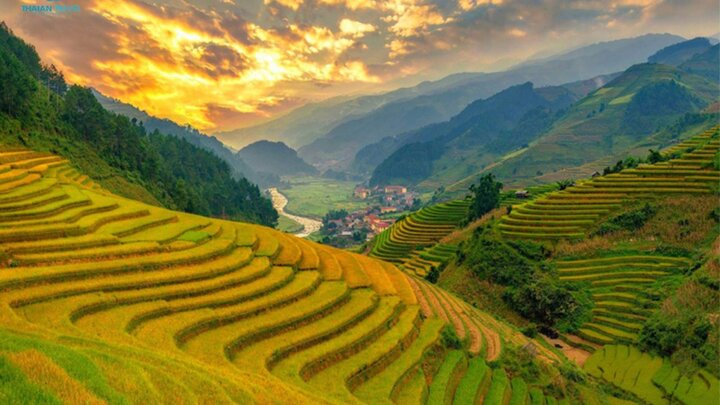
Sin Chai stands out with its beautiful terraced fields, considered one of the most impressive viewpoints in Sa Pa. During the water-pouring season (May-June), the fields sparkle like giant mirrors under the sun, creating a brilliant and magical scene. When the rice ripens (September-October), the entire valley turns a vibrant yellow, painting a captivating natural picture.
The highlight of Sin Chai village is the perfect blend of mountains, forests, and sprawling terraced fields, along with traditional wooden houses of the Black Hmong nestled under green trees, bringing a sense of peace and closeness. Green bamboo and rattan forests surround the village, and the babbling sound of the stream mixed with the mountain wind creates a peaceful and pleasant atmosphere.
Unlike modernized tourist destinations, Sin Chai still retains the rustic, simple characteristics of a highland village. This is an ideal place for tourists who love nature photography, trekking, and experiencing local culture authentically.
2. Detailed guide to traveling to Sin Chai village

Tourists walk to visit the majestic terraced fields of Sin Chai Village. (Source: Collected)
Sin Chai Village is not far from the center of Sa Pa town, but the journey here opens up a fascinating experience amidst the Northwestern mountains and forests. Whether you choose to travel by motorbike, taxi, or trekking, each mode of transport offers a unique perspective on the peaceful and wild beauty of this land.
From the center of Sa Pa town, tourists have many options to reach Sin Chai village, depending on their needs and preferences. Renting a motorbike is the most popular option, allowing for flexibility in time and the ability to stop and admire the scenery along the way. The rental cost ranges from 150,000 to 200,000 VND per day, with a travel distance of about 20 minutes on an easy asphalt road.
For families with young children or the elderly, a taxi is a safe and convenient choice, with a fare of about 60,000–80,000 VND per trip. Local drivers are usually knowledgeable about the route and are willing to share information about attractions along the way.
If you want to experience trekking and explore the villages, you can walk from Sa Pa through Cat Cat village to Sin Chai. The route is about 4 km long, with medium difficulty, taking 1.5 to 2 hours to walk. Along the way, you will enjoy the majestic mountain scenery, poetic terraced fields, and the fresh air of the highlands.
For groups of friends or families, you can combine renting motorbikes or sharing a taxi to save costs. Before departing, it is advisable to prepare drinking water, light snacks, and some essential personal items, as there are not many convenience stores along the way. Early morning or late afternoon are ideal times to travel, both to avoid the harsh sun and to take advantage of the beautiful natural light to capture impressive photos.
3. What is special about visiting Sin Chai village?
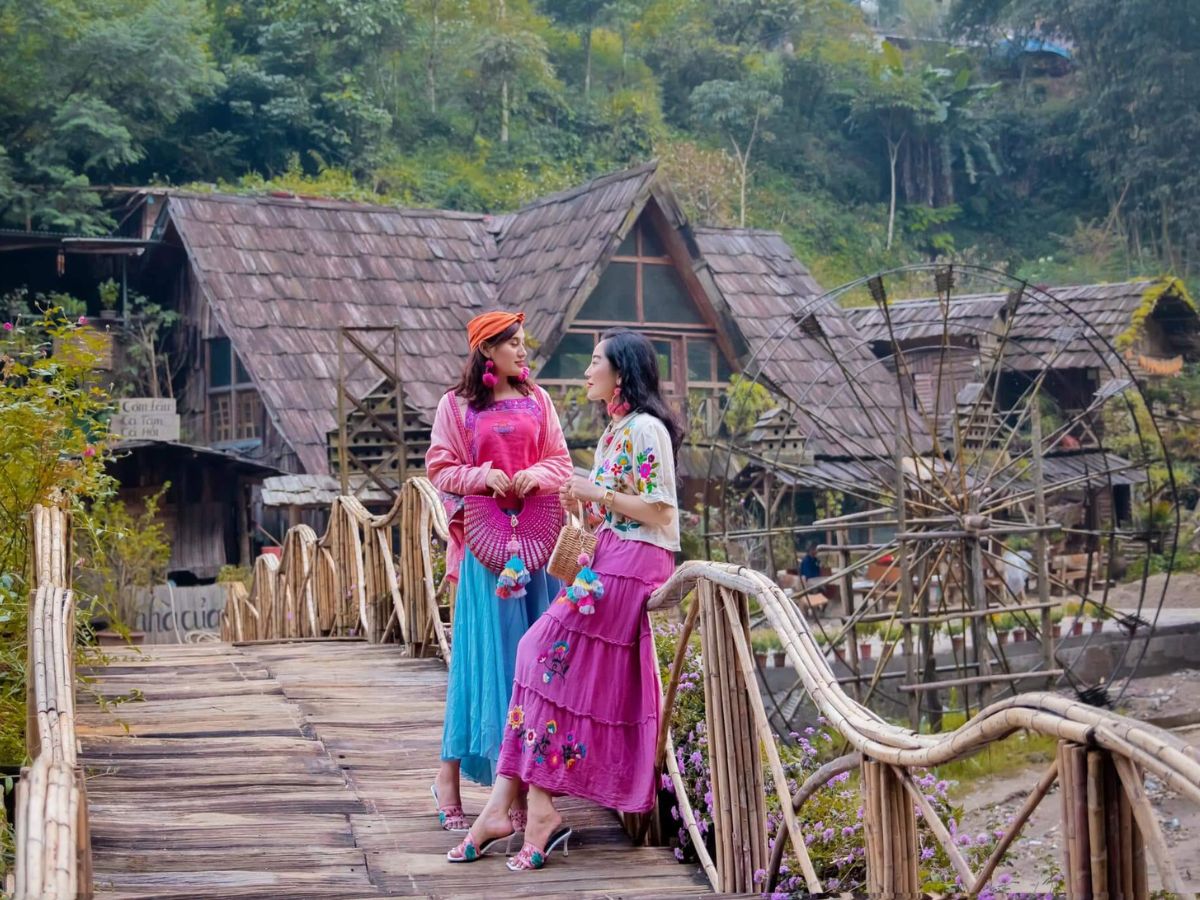
Rustic scenery, wildness, and unique cultural features create the distinct beauty of Sin Chai Village. (Source: Collected)
Sin Chai Village is not only captivating with its wild mountain scenery but also a place that preserves the unique culture of the Black Hmong people. Every experience here – from daily life, cuisine to traditional festivals – offers visitors a genuine and profound appreciation of the Northwestern highlands' identity.
3.1. Experiencing the cultural life and customs of the Black Hmong people
Sin Chai Village is primarily inhabited by the Black Hmong community, distinguished by traditional cultural traits preserved over generations. The Po mu wooden houses with thatched roofs, wooden plank walls, and rammed earth floors are characteristic features, evoking a rustic, nature-close ambiance. The living space here is both cozy and simple, offering a friendly and peaceful feeling.
Upon arriving at Sin Chai, visitors can observe or participate in daily activities such as tending livestock, farming, or weaving brocade. The image of Black Hmong women in traditional attire skillfully embroidering and weaving creates a vibrant cultural tapestry, helping visitors better understand the local life and traditional values. The local people are friendly, hospitable, and always ready to share stories about customs and festivals, providing an authentic cultural exchange experience.
3.2. Experiencing the traditional cuisine of the ethnic people in Sin Chai village
The cuisine of Sin Chai Village impresses with its characteristic Northwestern flavors, using fresh, natural ingredients.
Xoi ngu sac is a prominent dish, colored from cam leaves, gac leaves, turmeric, and white sticky rice, both delicious and spiritually significant.
Smoked meat and lap xuong are prepared using traditional methods, smoked over a wood fire, creating an unforgettable characteristic aroma.
Thang co, a soup cooked from horse offal with unique highland spices, is also a must-try culinary experience.
Wild vegetables such as rau ro, nettle, or bamboo shoots are simply prepared but retain their fresh, delicious taste.
Visitors can enjoy these dishes at local homes or homestays, especially during cultural exchanges with traditional ruou can, creating a culinary experience rich in ethnic identity.
3.3. Experiencing traditional festivals
Sin Chai Village hosts many traditional festivals throughout the year, reflecting the rich spiritual life of the Black Hmong people. The Gau Tao festival takes place at the beginning of the year, a time to pray for luck, happiness, and prosperity. The festival includes spiritual rituals, vibrant khen dances, and folk singing.
During the planting season, the Hoi Xuong Dong festival is an occasion for the entire village to participate in khen dances, call-and-response singing, and folk games. Additionally, festivals such as Hat Giao Duyen or Le Cung Ban also signify community bonding and cultural preservation. Visitors who come during festival seasons will immerse themselves in a vibrant atmosphere rich in ethnic cultural identity.
3.4. Combining with a visit to Cat Cat Village
Cat Cat Village is about 3 km from Sin Chai, making it convenient to explore both locations. While Sin Chai retains its wild, simple charm, Cat Cat has developed further with many tourist services.
The trekking route connecting the two villages is one of the most beautiful hiking trails in Sa Pa, passing by Cat Cat waterfall, vast terraced rice fields, and a suspension bridge over the stream. The travel time from Cat Cat to Sin Chai is about 1 – 1.5 hours, suitable for various types of visitors.
Exploring both villages provides visitors with a comprehensive view of the culture, life, and customs of ethnic minorities, creating a diverse, emotional, and unforgettable experience in Sa Pa.
4. Entrance fees and supporting tourism services
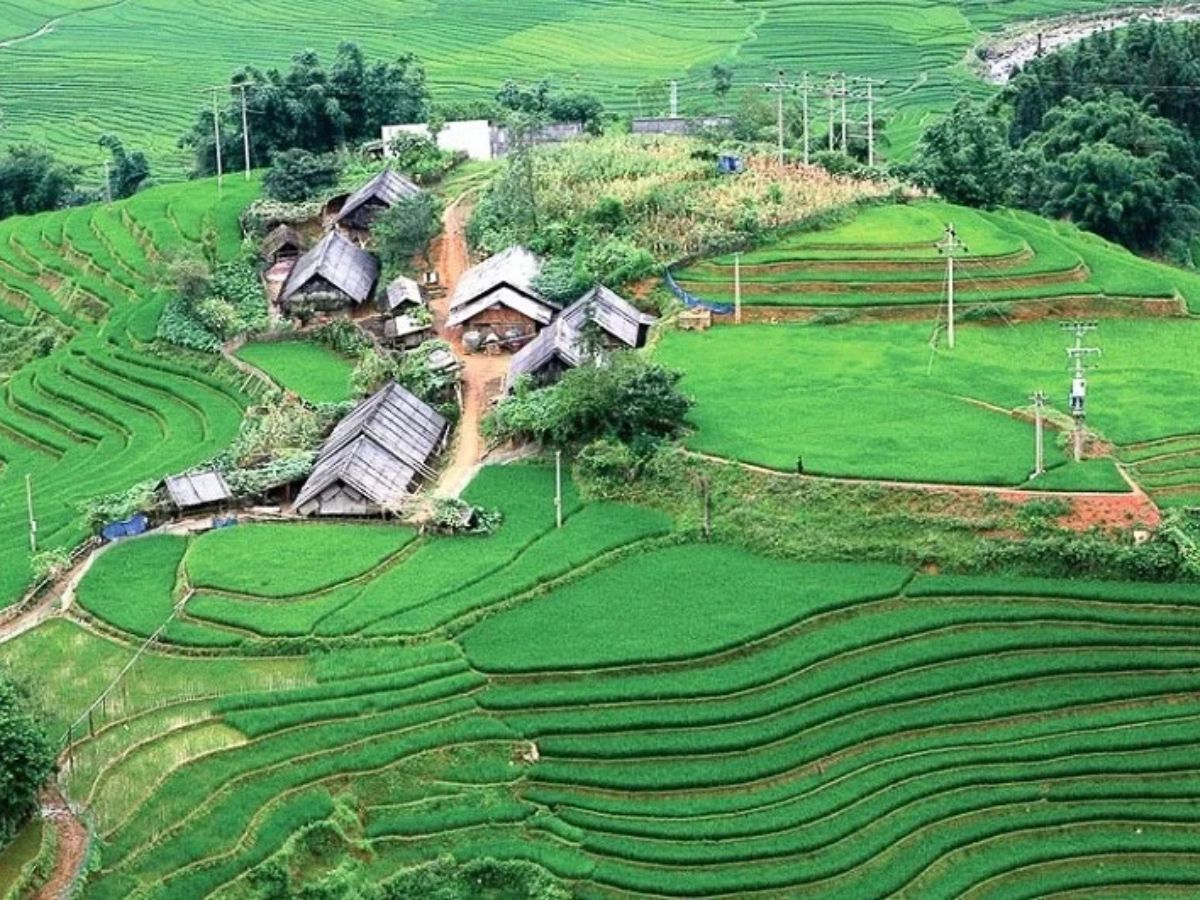
A small, peaceful village nestled among green terraced fields. (Source: Collected)
To make your exploration of Sin Chai village more complete, visitors should learn in advance about ticket prices and supporting tourism services. From entrance tickets, homestay accommodation, to trekking tours or renting ethnic costumes, all services are professionally organized, helping you easily fully enjoy the beauty and culture of this place.
When visiting Sin Chai village, tourists need to buy a village entrance ticket at a price of approximately 70,000 VND/adult and 35,000 VND/child under 10 years old. The ticket is valid for one day and allows visits to many other villages in the Sa Pa area. Visitors can purchase tickets directly at official sales points or through reputable travel agencies for greater convenience.
Accommodation in Sin Chai is increasingly diverse with many traditional homestays, priced from 200,000 – 400,000 VND/person/night, depending on the amenities included. The homestays are designed in indigenous architecture, fully equipped with electricity, water, wifi, and often include breakfast or a main meal in the price, offering an experience close to the life of ethnic people.
For those who love guided trekking, tours from Sa Pa to Sin Chai range from 800,000 to 1,500,000 VND/person, depending on the duration and included services. Local guides will introduce the culture, history, and nature of the village, and the tours often include transportation, lunch at local homes, and entrance fees, making the journey convenient and complete.
Additionally, visitors can rent ethnic costumes for 50,000 – 100,000 VND/set to take souvenir photos and immerse themselves in the unique cultural space. Other services such as motorbike or taxi rentals, and various entertainment activities in the village are also readily available, ensuring that sightseeing and experience needs are met at a reasonable cost.
5. What is special about the festivals and intangible cultural heritage of Sin Chai village?
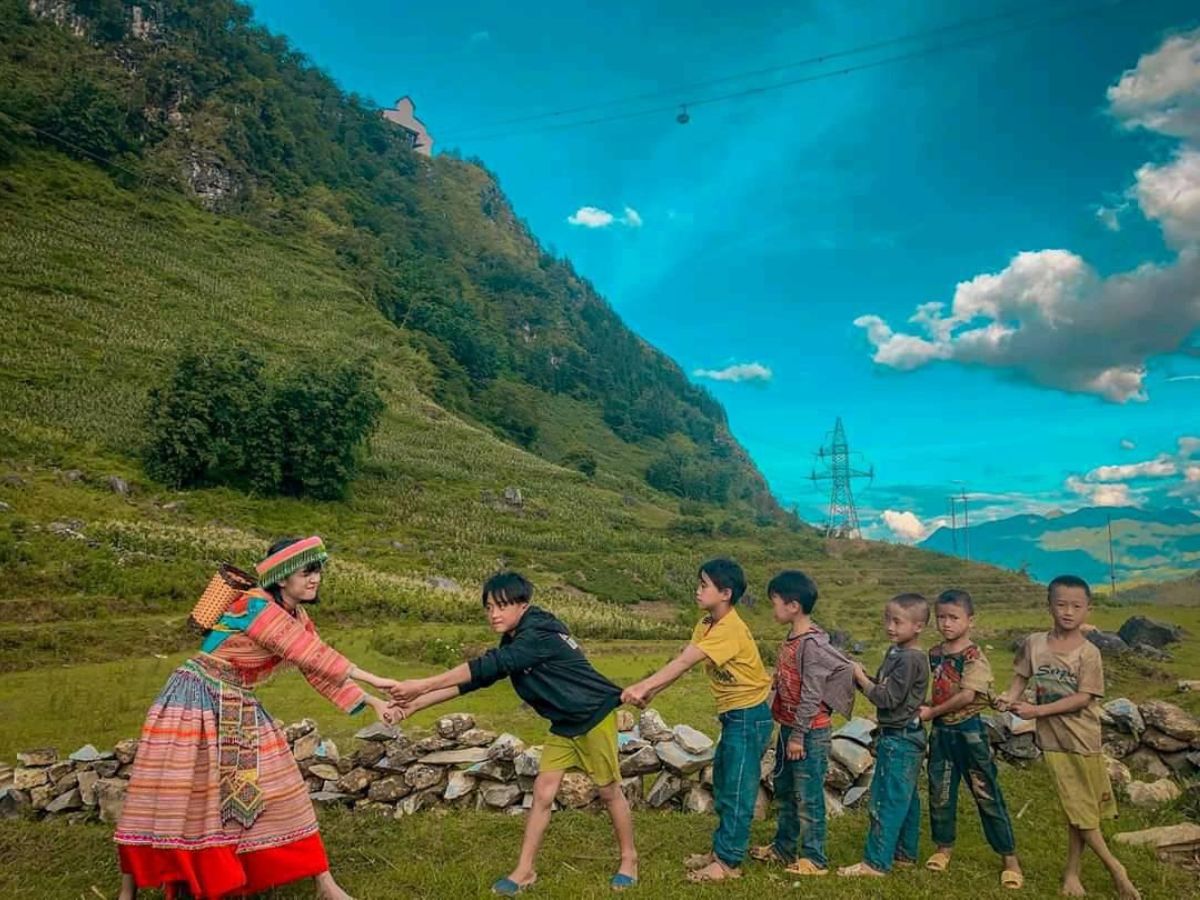
Children's joy blends with the peaceful beauty of the countryside. (Source: Collected)
The Giau Tao Festival is one of the prominent intangible cultural heritages of the Black Hmong people in Sin Chai village, usually taking place in Lunar January. The festival is organized with the desire to pray for peace and blessings for the entire village, while preserving traditional spiritual rituals. Throughout the festival, village elders perform rituals offering sacrifices to ancestors and deities, expressing deep faith in the community's protection and good fortune.
One of the highlights of the festival is the khen dance and Hmong folk singing. The sound of the khen echoes throughout the village, blending with graceful dances and folk songs about nature, love, and daily life. These performances not only evoke a vibrant festival atmosphere but also serve as a way to pass down culture from one generation to another.
In addition, the craft of brocade weaving and embroidering traditional costumes is still preserved by Black Hmong women. Brocade products with intricate patterns and vibrant colors are not only cultural symbols but also an important source of income, contributing to the economic development of the village.
Besides Giau Tao, Sin Chai village also maintains many other cultural rituals such as the village worship ceremony, the new rice eating ceremony, and the field worship festival, reflecting the close relationship between humans and nature. These occasions not only foster community solidarity but also provide opportunities to teach and preserve traditional cultural values for the younger generation, contributing to the enrichment of the local cultural identity.
6. Must-know tips and notes when traveling to Sin Chai village
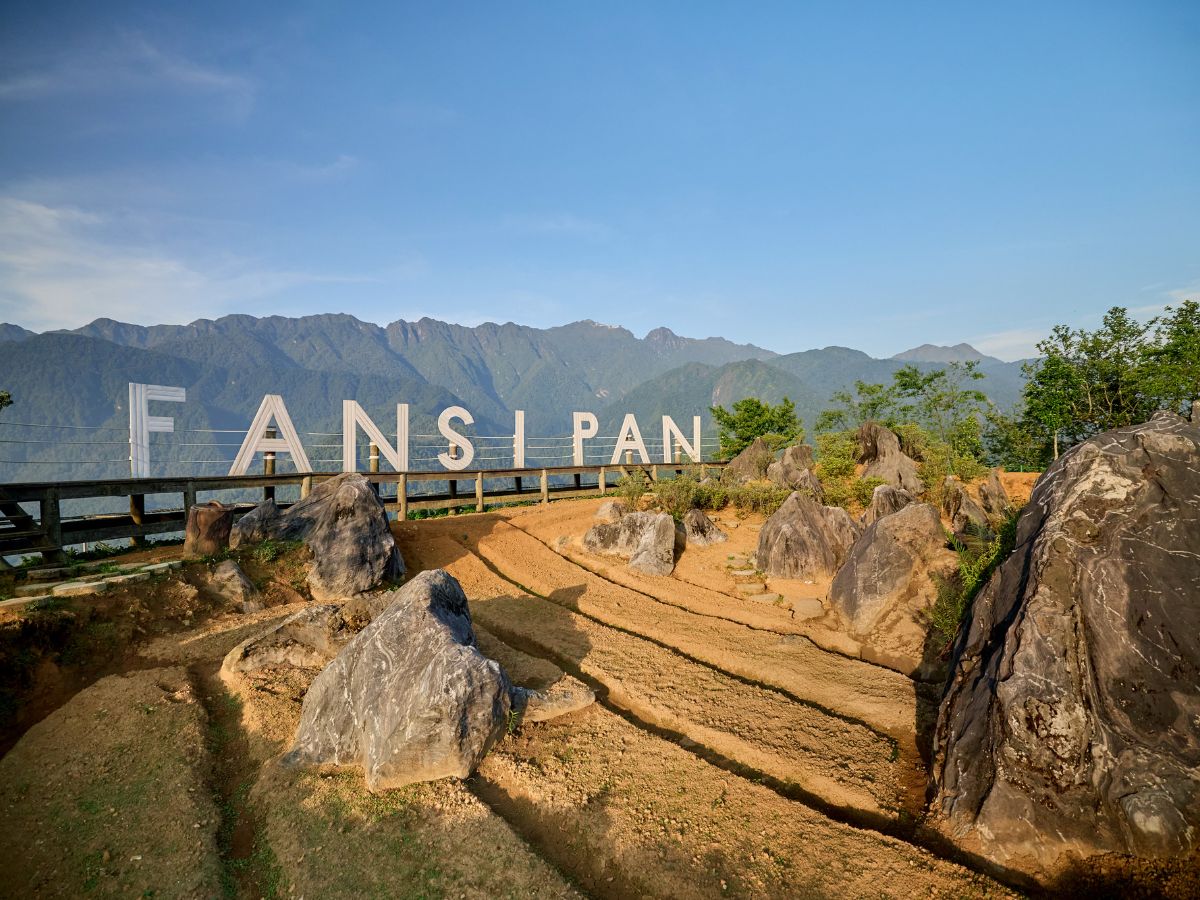
Experience tourism at Sun World Fansipan Legend. (Source: Collected)
When visiting Sin Chai village, you should bring sturdy, well-gripped walking shoes, suitable for steep, slippery paths, especially when it rains. A warm jacket is essential, especially in the early morning or late afternoon when the temperature drops.
The ideal time for photography is from 6 to 8 AM, when a light mist covers the terraced fields, creating a poetic scene. Late afternoon from 4 to 6 PM is also very suitable due to the soft golden light, ideal for capturing sunset moments. You should bring a fully charged camera or phone, along with a power bank, to not miss any impressive shots.
The most beautiful season to visit is May-June when the flooded terraced fields reflect the blue sky, and September-October when the rice turns golden. Spring, from February-March, is also a beautiful time thanks to plum and peach blossoms blooming white throughout the village.
Regarding the climate, Sin Chai has a humid subtropical zone, with a significant difference between day and night temperatures: around 25–28°C during the day, dropping to 10–15°C at night. The rainy season lasts from May to September, so prepare raincoats and non-slip shoes for convenient travel.
Before coming to Sin Chai, it is advisable to learn about the customs and traditions of the Black Hmong people to make the trip complete and respect the local culture. Choose modest, polite attire suitable for the rural setting. If you wish to experience wearing ethnic costumes for photos or activities, do so respectfully and subtly.
In communication with the locals, be friendly, polite, and respectful. Before taking photos, especially of children or the elderly, ask for permission and consider offering a small gift as a thank you.
When participating in community activities or festivals, observe and follow the guidance of locals or guides to avoid inappropriate behavior, such as entering a house uninvited or using unsuitable language.
When visiting Sa Pa, besides exploring Sin Chai village, tourists can visit Sun World Fansipan Legend. Here, you can experience conquering Fansipan peak, visit spiritual sites, and find many beautiful check-in spots.
What's special about Sin Chai village - it is the perfect combination of majestic nature and rich traditional culture. With its stunning terraced fields, peaceful atmosphere, and the preserved identity of the Black Hmong people, Sin Chai is a must-visit destination in your Sa Pa exploration. Come and feel this unique beauty, share memorable moments to promote the image of Vietnamese tourism!