















1. Overview of Sa Pa tourism

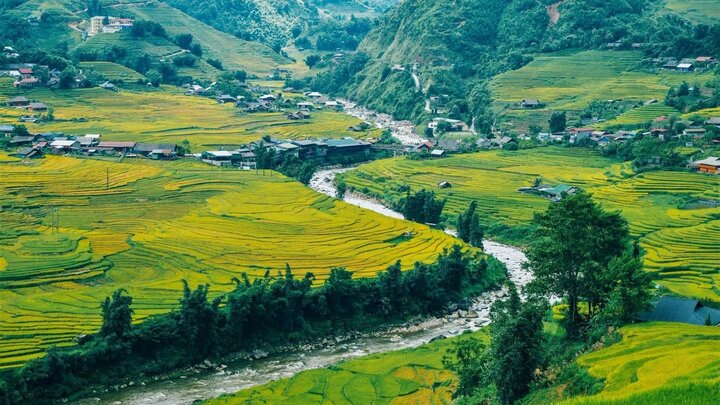
Tourists love Sa Pa for its majestic mountain scenery and vast terraced rice fields. (Source: Collected)
Sa Pa is a tourist destination loved by many visitors for its majestic natural beauty, vast terraced fields, and rich ethnic culture. Sa Pa is located about 30 km from the center of Lao Cai city, at an average altitude of 1,500 – 1,800 m above sea level. Sa Pa is an ideal destination for tourists seeking relaxation, vacation, or exploration of majestic nature.
Visitors can visit Sa Pa at any time of the year as its scenery changes with the four seasons. In spring, peach and plum blossoms bloom across the hillsides; summer offers cool, pleasant weather; autumn is the ideal time to hunt for clouds and admire the golden terraced fields; and winter is lively with year-end festivals.
Not only does Sa Pa boast beautiful natural landscapes, but it is also home to 6 ethnic minority groups with unique traditional cultures. Villages in Sa Pa, such as Ta Van, Lao Chai, Cat Cat, and Ta Phin, not only retain their pristine charm but also offer opportunities to experience local life, cuisine, and unique indigenous culture, making every trip to Sa Pa colorful and memorable.
2. Famous tourist attractions in Sa Pa loved by many visitors
2.1. Natural attractions
2.1.1. Fansipan Peak
Address: Located on Sun World Fansipan Legend, in the Hoang Lien Son mountain range.
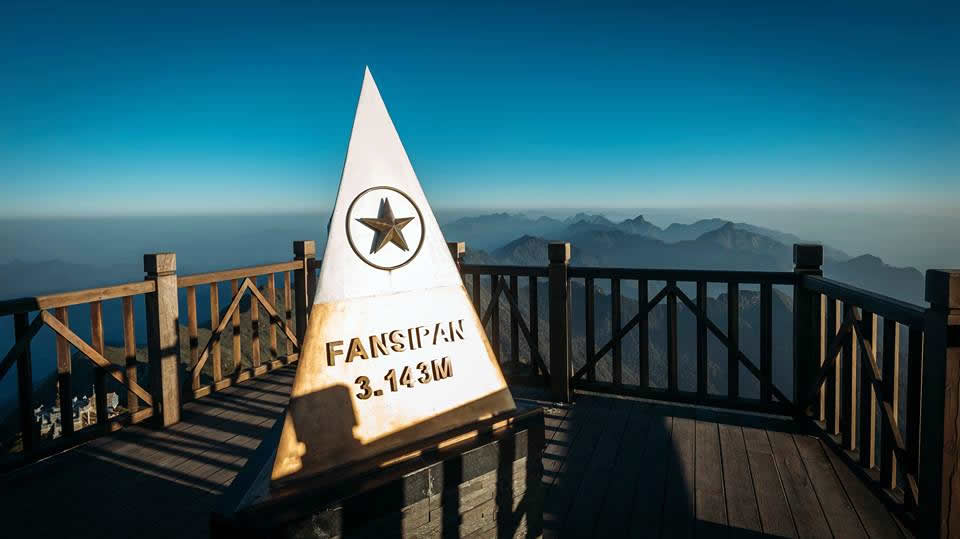
Fansipan Peak is known as the Roof of Indochina. (Source: Compilation)
Known as the Roof of Indochina with a height of 3,143 m, Fansipan is a destination that any tourist visiting Sapa wants to conquer. Thanks to the modern 3-wire cable car system Sun World Fansipan Legend, visitors can easily experience the journey to the peak of the mountain safely and comfortably.
From the cable car cabin, the majestic mountain and forest scenery, lush green terraced fields, and floating white clouds unfold before your eyes, creating a feeling of being lost in a fairyland. At the summit of Fansipan, visitors can explore unique spiritual structures such as: Bao An Zen Monastery, Thanh Van Dac Lo, Bich Van Zen Monastery, and the Great Buddha statue, along with a nine-tiered waterfall winding through the mountains.
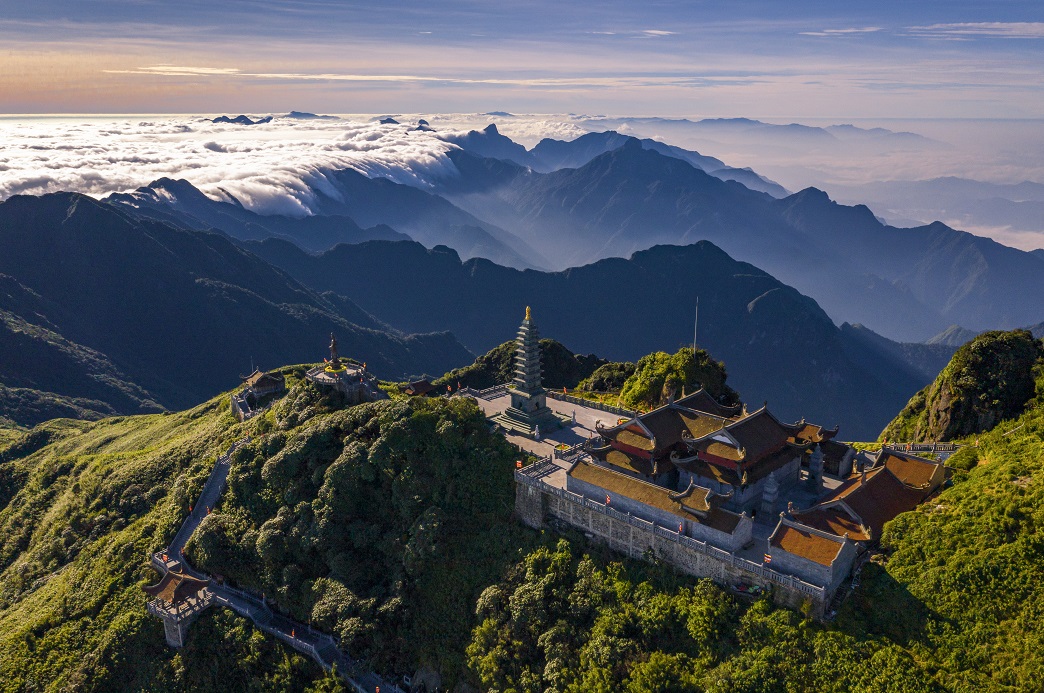
The majestic Toa Bao Thap amidst vast mountains and forests. (Source: Collected)
Especially, the check-in experience at the National Flagpole and the 3,143 m high Fansipan peak milestone will leave an unforgettable impression, making visitors fully appreciate the majestic beauty of the Hoang Lien Son mountain range.
2.1.2. O Quy Ho Pass
Address: O Quy Ho Pass is located on National Highway 4D connecting Lao Cai and Lai Chau provinces.
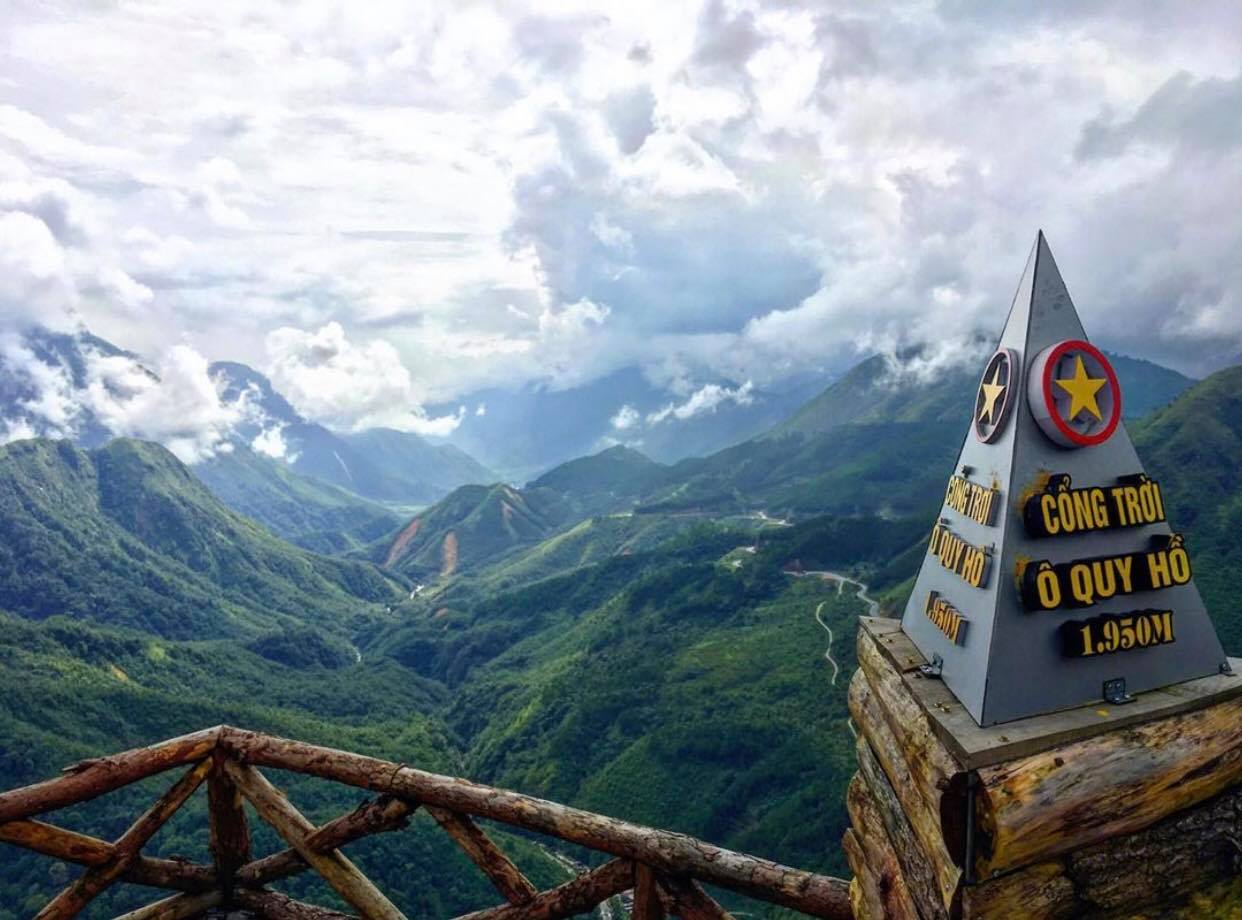
O Quy Ho Pass is a unique cloud hunting spot in Sapa. (Source: Collected)
This place is known as one of the “four great mountain passes” of Vietnam. The pass winds through dense mountains and forests, with winding turns and a dreamy, cloud-covered landscape year-round. From the top of the pass, visitors can gaze out at the majestic Hoang Lien Son mountain range and the deep valley below.
This is also one of the most beautiful spots for sunset viewing and cloud hunting in Sapa, especially in the afternoon, when the sunlight bathes the entire mountain and forest scenery in gold.
2.1.3. Muong Hoa Valley
Address: Muong Hoa Valley is located in the communes of Hau Thao, Su Pan, Ta Van, in Lao Cai province.
This place is famous for its gently winding terraced fields stretching across the mountainsides – a masterpiece of labor by ethnic minority communities. Visitors can join trekking tours through small villages, listen to the babbling sound of streams, admire the sky and clouds reflected on the rice fields, and immerse themselves in the peaceful life of the local people.
During the golden season, Muong Hoa Valley is vibrant with yellow, attracting thousands of tourists and photographers to capture these beautiful moments.
2.1.4. Ham Rong Mountain
Address: Ham Rong Mountain is located in Sapa town, behind the Stone Church of Sapa, within the Hoang Lien Son range.
Ham Rong Mountain is an ideal destination for those who want to admire the panoramic view of the misty town from above. The path to the summit is designed with vibrant flower gardens, lively miniatures, and poetic winding stone paths.
Notably, the orchid garden, peach garden, and the sky gate are the most popular check-in spots. On clear days, from the summit of Ham Rong, visitors can see the majestic Fansipan peak amidst a sea of clouds, creating a feeling of both grandeur and tranquility.
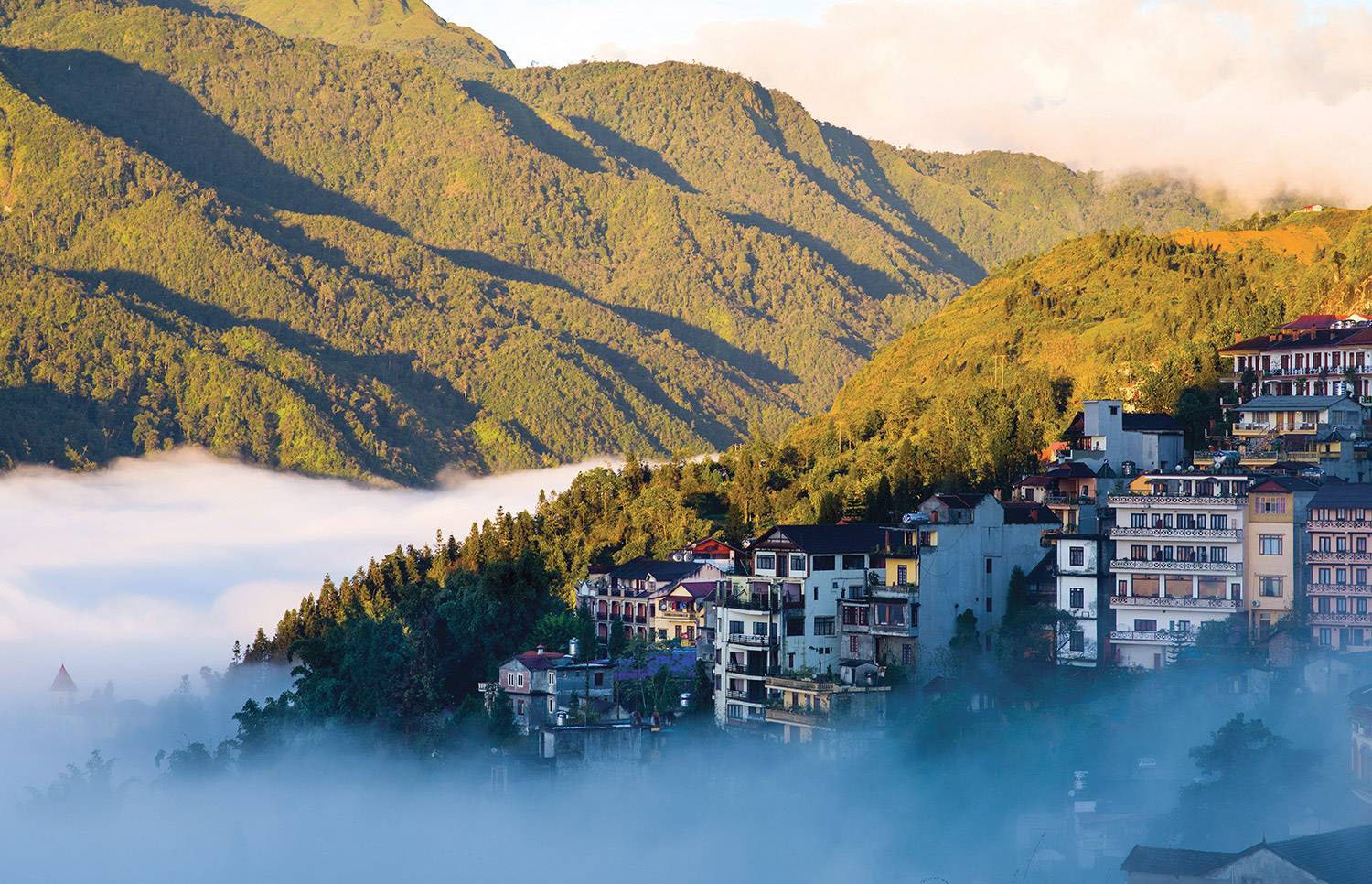
Tourists can admire the panoramic view of Sa Pa from Ham Rong Mountain. (Source: Collected)
2.2. Cultural tourist attractions, ethnic villages
2.2.1. Cat Cat Village
Address: Sa Pa ward, Lao Cai province. About 2 km from the center of Sa Pa.
Cat Cat Village is an ancient village of the H'Mong people, preserving many unique traditional cultural features. Along the stone path leading into the village are wooden houses made of 'pơmu' wood, looms for weaving fabric, kitchen smoke spreading, and the babbling sound of water from Cat Cat waterfall.
Visitors here can experience brocade weaving, watch 'khen' performances, 'mua xoe' dances, and take photos in vibrant ethnic costumes. Cat Cat Village is also a famous spot for 'virtual living' photos with its wooden bridge, water wheels, and poetic waterfall amidst the mountains and forests.
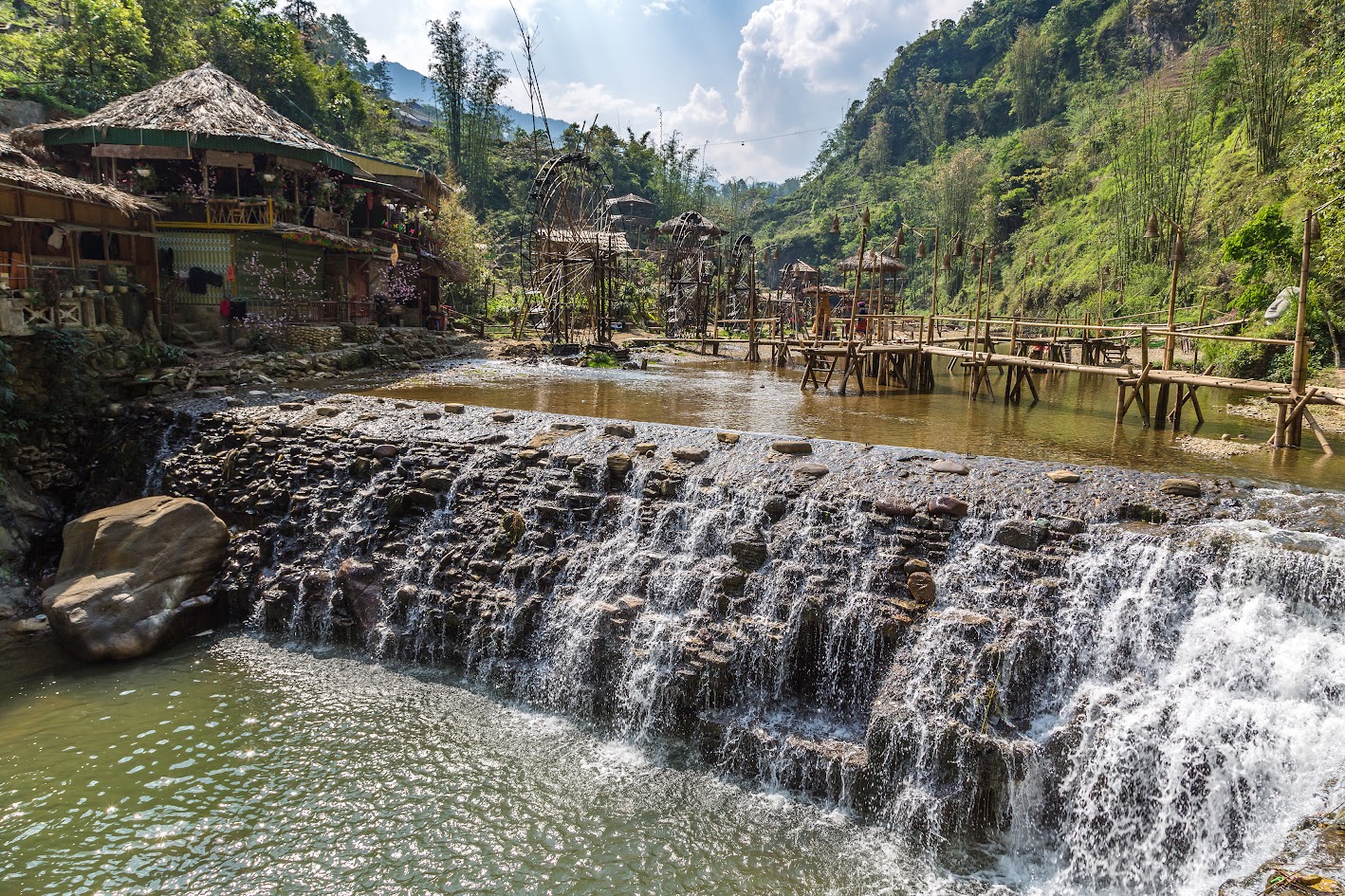
Cat Cat Village is a famous and ancient tourist village in Sa Pa. (Source: Collected)
2.2.2. Ta Van Village
Address: Ta Van commune, Lao Cai province. About 12 km from the center of Sa Pa ward.
Located in the peaceful Muong Hoa valley, Ta Van village is home to the Giay and H'Mong ethnic groups. The space here has a rustic beauty with terraced fields layered upon layer and a clear blue stream flowing around the village.
Visitors can experience homestay stays amidst nature, cook with locals, enjoy corn wine, participate in traditional festivals, or simply watch the sunset over the golden ripe rice fields.
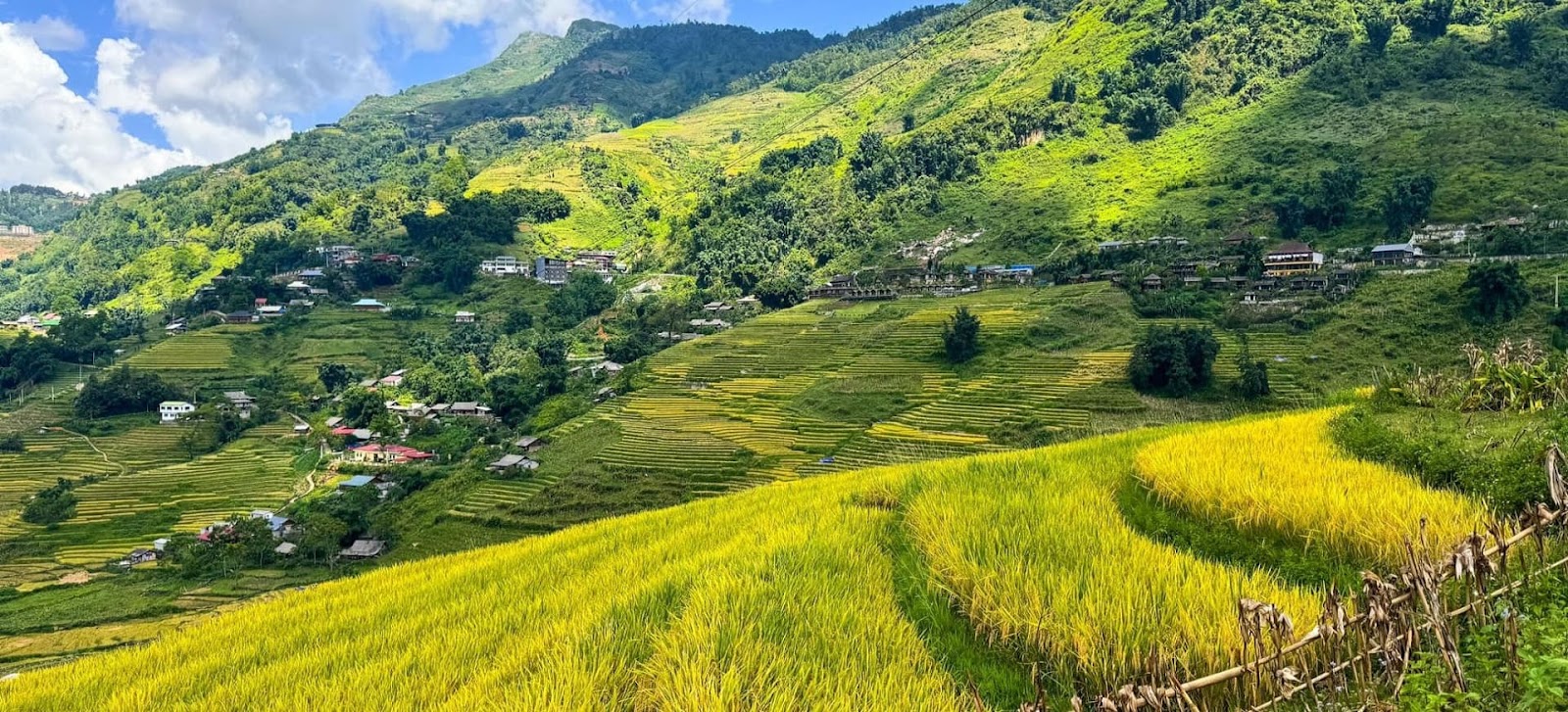
Prosperous terraced fields in Ta Van village. (Source: Collected)
2.2.3. Ta Phin Village
Address: Ta Phin commune, Lao Cai province. About 11 km from Sa Pa town center.
Ta Phin village is home to the Red Dao people, famous for their traditional herbal bath craft. The Red Dao herbal bath not only helps relax but is also a unique cultural experience, loved by many tourists.
In addition, Ta Phin also has the ancient Sa Pa monastery – a European-style structure abandoned, now covered in moss, creating a mystical and poetic scene, attracting young explorers.
2.2.4. Sin Chai Village
Address: San Sa Ho commune, Lao Cai province.
Sin Chai village is home to the Black Hmong people. Compared to Cat Cat or Ta Van, Sin Chai is more peaceful and pristine, suitable for those who want to deeply understand the local cultural life.
Tourists can join trekking around the village, breathe in the fresh air and admire the majestic scenery of the Hoang Lien Son mountain range. The simple, rustic life of the people here brings a feeling of closeness and affection, making everyone reluctant to leave.
2.3. Spiritual – Architectural Tourist Attractions
2.3.1. Sa Pa Stone Church
Address: Intersection of Thach Son street, Sa Pa ward, Lao Cai province.
Sa Pa Stone Church is a unique symbol of the misty land. The structure was built by the French in 1895, bearing the strong European Gothic architectural style with pointed arches, hand-laid stone walls, and a soaring bell tower against the sky.
In the misty early mornings, the church appears hidden amidst the white clouds, creating a magical scene. It is not only a place of religious activity for Catholic compatriots but also a familiar check-in point for tourists visiting Sa Pa. Especially on weekend evenings, the square area in front of the church becomes vibrant with the Sa Pa love market – a place where young men and women from the villages meet, sing love duets to the sound of flutes and lively dances.
2.3.2. Ta Phin Ancient Monastery
Address: Ta Phin village, Ta Phin commune, Lao Cai province.
About 12 km from Sa Pa center, Ta Phin ancient monastery is one of the European-influenced architectural works remaining from the French colonial period. The structure was built in 1942 and was home to 12 nuns from the Sisters of the Congregation of Our Lady of Charity.

Ancient Ta Phin Monastery attracts many tourists to explore its mysterious, wild beauty. (Source: Collected)
Over time, the monastery was abandoned, with moss covering the gray stone walls, creating an ancient, mysterious, and somewhat wild beauty. Amidst the quiet mountain and forest scenery, the structure appears as a relic of history, attracting tourists, photographers, and those who love ancient architecture to admire and take photos.
2.3.3. Den Mau Son
Address: Located at Group 4A, Thach Son Street, Sa Pa Ward, Lao Cai Province.
It is where Mau Thuong Ngan is worshipped – the deity who governs the mountains and forests according to Vietnamese folk beliefs. The temple is not too large but carries a sacred essence, harmonizing with nature.
From the temple, visitors can gaze at the rolling mountains and leisurely drifting white clouds. During festivals, the sounds of khen (flutes), drums, and fragrant incense create an atmosphere that is both mystical and serene, bringing a sense of peace to visitors.
2.3.4. Truc Lam Dai Giac Zen Monastery
Address: Truc Lam Dai Giac Zen Monastery is located on Dien Bien Phu Street, Sa Pa Ward, Lao Cai Province.
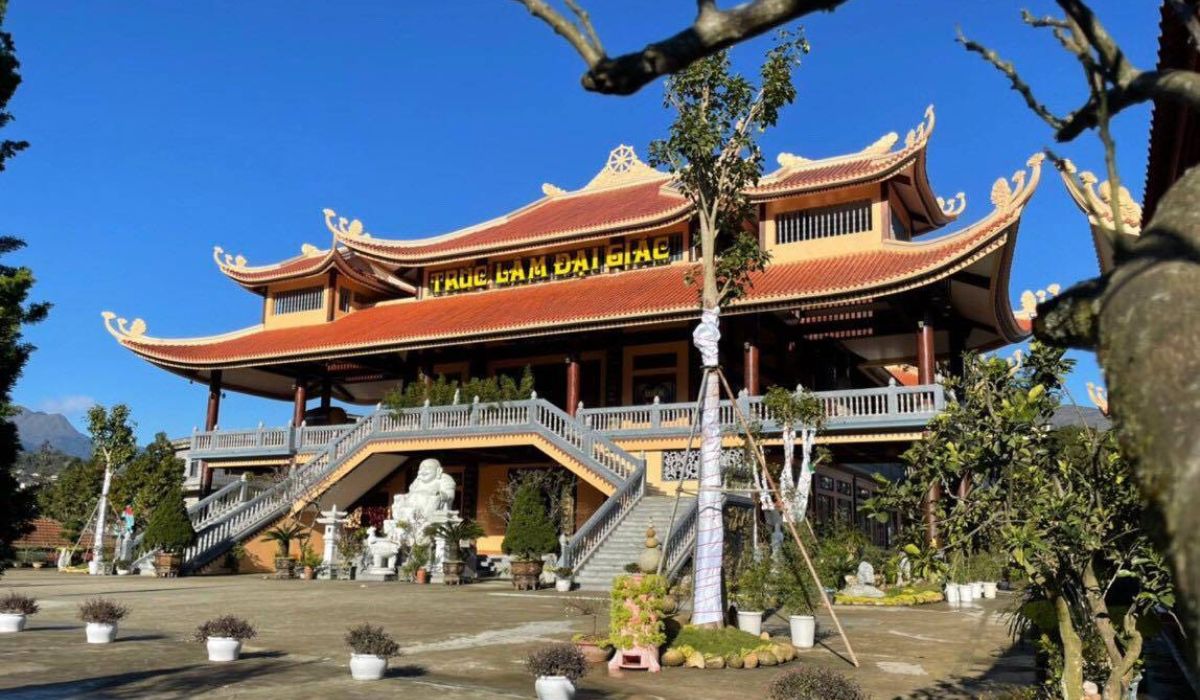
Truc Lam Dai Giac Zen Monastery is visited by many tourists to admire and pray for peace. (Source: Collected)
With a total area of nearly 9,200 m², this is one of the large-scale spiritual structures in Sa Pa. The monastery's architecture bears the strong imprint of Vietnamese Buddhist tradition, consisting of two majestic main halls, along with auxiliary structures such as the ancestral house, the abbot's residence, a three-story meditation hall, and the monks' quarters for worshipping Buddha.
The entire campus is surrounded by lush green pine forests and a peaceful atmosphere, creating a sense of tranquility, completely separate from the noisy life outside. Whether visiting for pilgrimage, sightseeing, or simply seeking a moment of inner peace, Truc Lam Dai Giac Zen Monastery always offers a feeling of relaxation and serenity amidst the misty mountain scenery of Sa Pa.
3. Tips for Exploring Sa Pa Tourist Destinations
3.1. Prepare appropriate clothing and items for the weather
Sa Pa has a high-mountain temperate climate, with weather that changes rapidly throughout the day – cool in the morning, mild sunshine at noon, and chilly in the evening. Therefore, visitors should prepare warm jackets and soft-soled sports shoes for easy movement when hiking or walking through villages.
Additionally, a light raincoat, a small umbrella, and insect repellent are also essential, especially when participating in outdoor activities or exploring the mountains and forests.
3.2. Convenient transportation between destinations
Tourist attractions in Sa Pa are usually a few kilometers apart, with winding but relatively easy mountain roads. Visitors can rent motorbikes in the center of Sa Pa for about 100,000 – 150,000 VND/day, which is convenient for independent travel.
If you are not familiar with the roads, you can opt for local motorbike taxis or package shuttle services – they are safe, and you will have a local guide to assist you attentively.
3.3. Notes on behavior when visiting villages
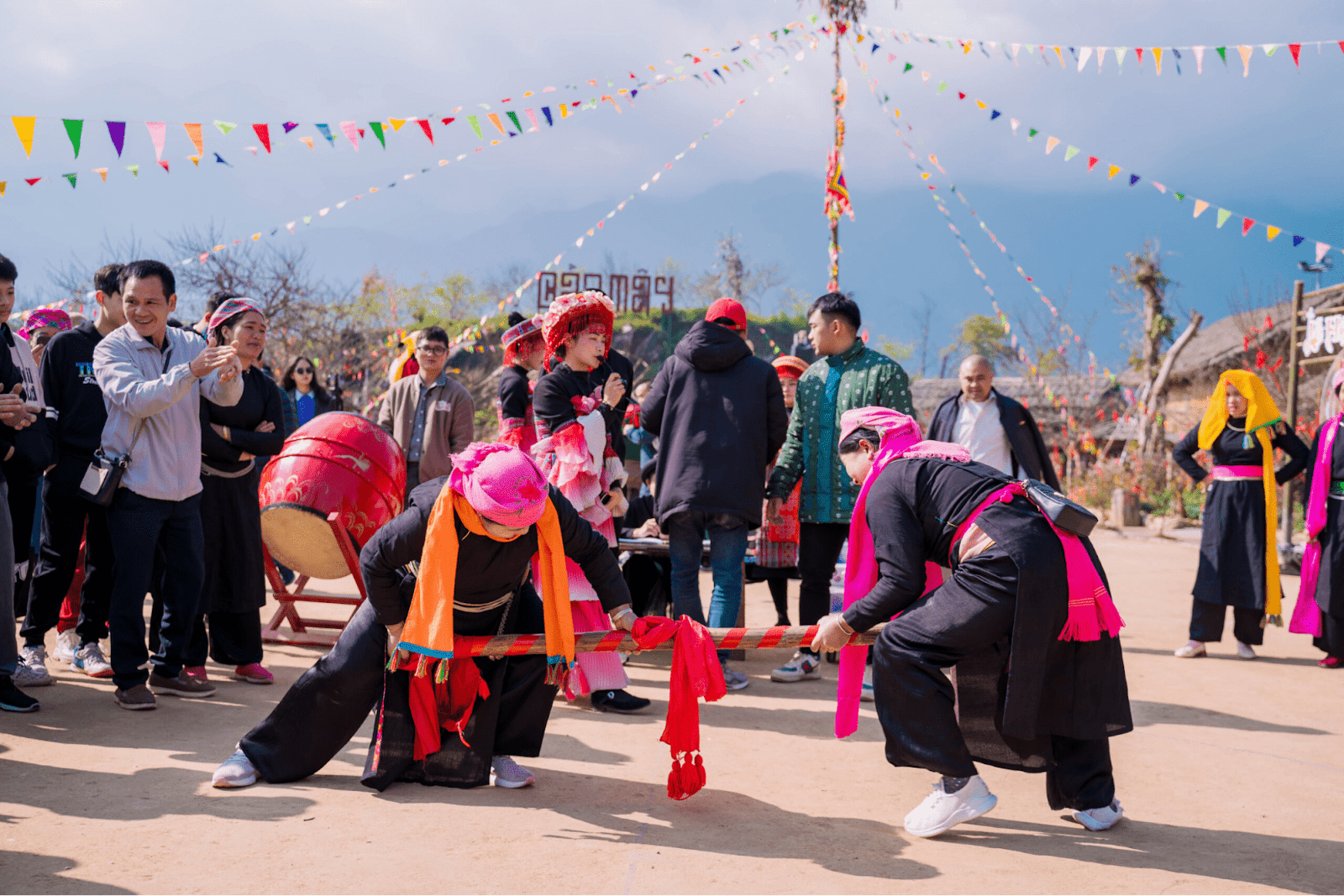
Visitors should maintain a polite attitude, respect the local culture of ethnic minority compatriots. (Source: Collected)
When visiting ethnic villages such as Cat Cat, Ta Van, or Ta Phin, visitors will have the opportunity to experience the daily life and traditional culture of the local people. To make the trip more meaningful, you can show respect through small actions such as friendly greetings, asking for permission before taking photos, or chatting with the locals.
If you wish to visit the homes of ethnic minority compatriots, please wait for an invitation to show politeness and thoughtfulness. Also, don't forget to maintain general hygiene, and avoid littering to help protect the landscape and the fresh environment of Sa Pa's villages.
With its majestic scenery and unique indigenous culture, Sa Pa tourist destinations always offer visitors unforgettable experiences – from conquering the legendary Fansipan peak to strolling through misty villages. Spend a few days to fully appreciate the beauty of this "city in the clouds" and capture the most memorable moments.