
















1. Overview of the self-guided Sa Pa - Moc Chau travel plan
Planning a Sa Pa - Moc Chau trip independently is becoming a trend chosen by many tourists in recent years, especially for young groups and families who prefer proactivity. Instead of following fixed tours, the self-guided format helps you be more flexible in terms of itinerary, cost, and experience, while also allowing you to stay longer at places you love.
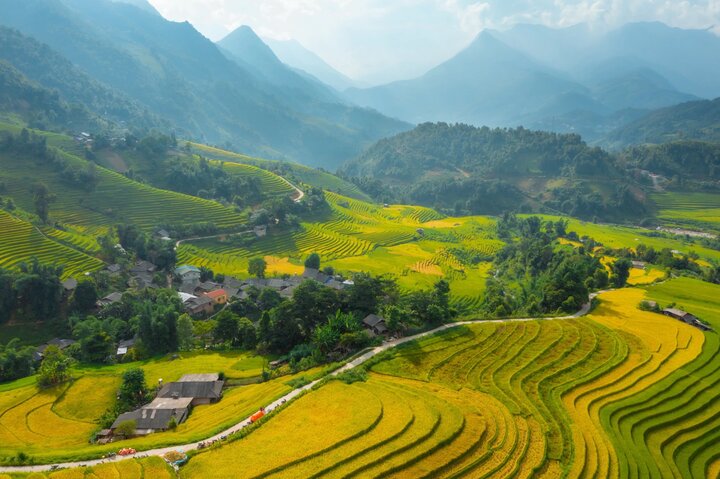
The Sa Pa - Moc Chau travel itinerary is often combined along the Hanoi – Moc Chau – Son La – Sa Pa route or vice versa, depending on time and transportation. Moc Chau, located in Son La province, is famous for its cool climate year-round, lush green tea hills, waterfalls, and vibrant flower seasons. Meanwhile, Sa Pa (Lao Cai) boasts the characteristic beauty of the Hoang Lien Son mountains with its terraced fields, sea of clouds, and diverse local culture.
Sa Pa - Moc Chau is one of the popular Northwest Vietnam tours with many tourists
The biggest attraction of this journey is the continuous change in landscape and climate. In just one trip, visitors can experience the airy green plateau of Moc Chau and the chilly, misty atmosphere of Sa Pa. This contrast creates a very pleasing and rich experience, especially suitable for those who love exploring nature.
Besides, planning a self-guided Sa Pa - Moc Chau tour also helps you control your budget more easily. You can proactively choose your means of transport (bus, limousine, motorbike, or self-driving car), book accommodation according to your budget, and flexibly change attractions according to your personal preferences.
However, as this journey involves many mountain passes and distant destinations, thorough preparation regarding the itinerary, travel time, and weather is very important. A clear plan will make a self-guided trip smoother, reduce fatigue, and optimize the experience when fully exploring the beauty of Sa Pa - Moc Chau tourism.
2. Suggested Itinerary for a Self-Guided Sa Pa - Moc Chau Tour
When planning a self-guided Sa Pa - Moc Chau tour, building a reasonable itinerary is crucial for a trip that is not rushed, while maximizing time to explore both prominent destinations of the Northwest.
2.1. Days 1–2: Hanoi – Moc Chau
From Hanoi, visitors travel along National Highway 6 to reach Moc Chau (Son La). This is the starting route for the Sa Pa - Moc Chau tour, with landscapes changing from plains to lush green mountains.
Upon arriving in Moc Chau, you can visit a series of notable attractions such as the Heart-shaped Tea Hill and Tan Lap Tea Hill – iconic spots of the plateau with gently winding tea rows. Next is Ban Ang Pine Forest, an area likened to a "miniature Da Lat" with a calm lake and lush green pine forest surrounding it, perfect for walking and taking photos.
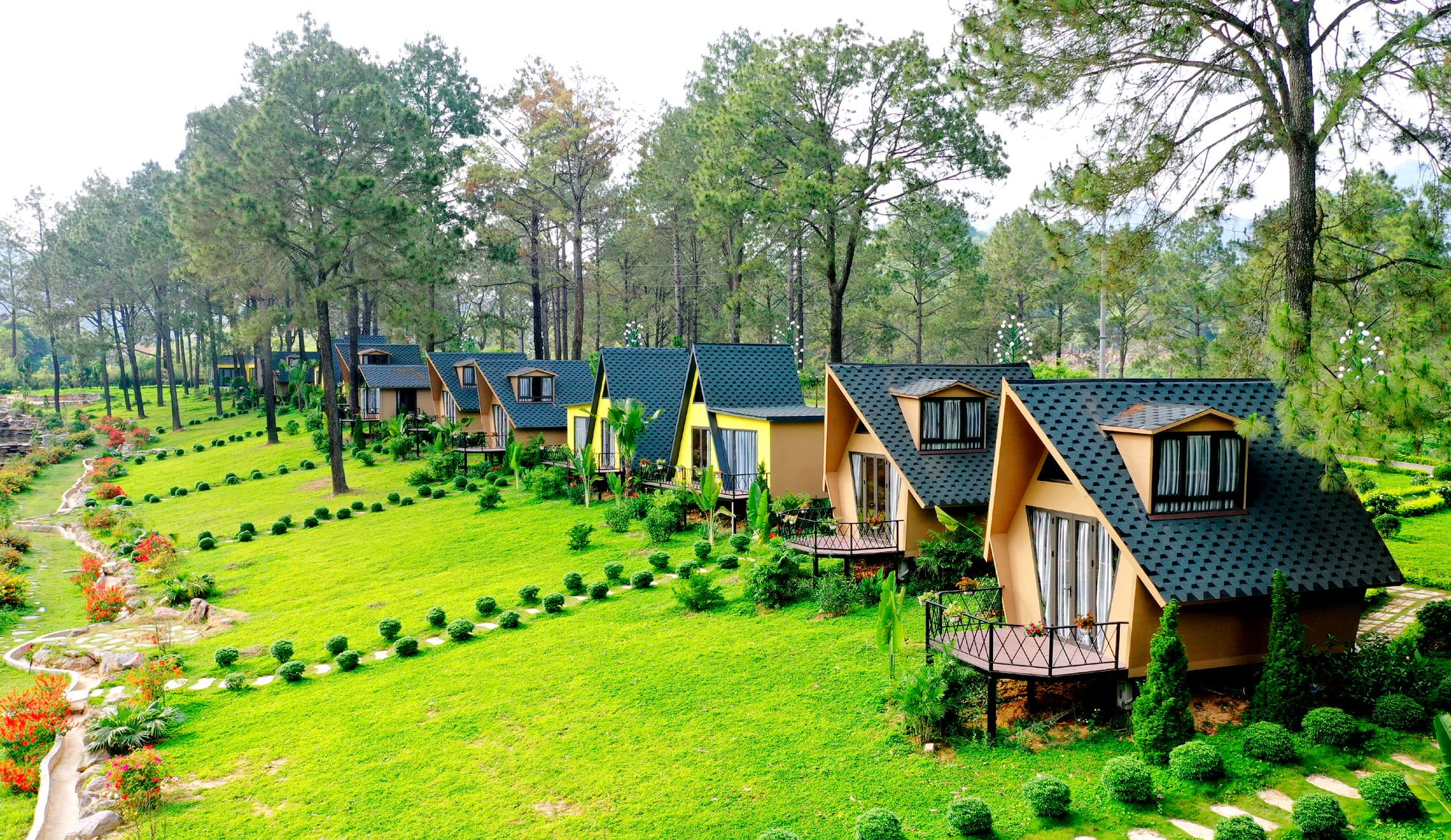
Bang Ang pine forest is one of the famous tourist destinations in Moc Chau
A must-visit spot is Dai Yem Waterfall, a white stream cascading down from the cliff, creating a scene that is both majestic and poetic, especially beautiful during the high water season. If you go at the right time, visitors can also visit Na Ka plum valley or the valleys of mustard flowers and plum blossoms, where white and pink colors cover the hillsides.
In the evening, you can stay at a homestay in the central area or in the villages, experience the characteristic cool air of the highlands, and enjoy specialties such as pan-seared veal, grilled stream fish, stir-fried mustard greens with garlic – a gentle start to a long journey.
2.2. Days 3–4: Moc Chau – Son La – Sa Pa
Leaving Moc Chau, the journey continues through Son La – an important connecting point before reaching Sa Pa. Along the way, visitors will encounter many characteristic Northwestern mountain passes with rocky mountains, deep valleys, and scattered villages of the Thai and Hmong people.
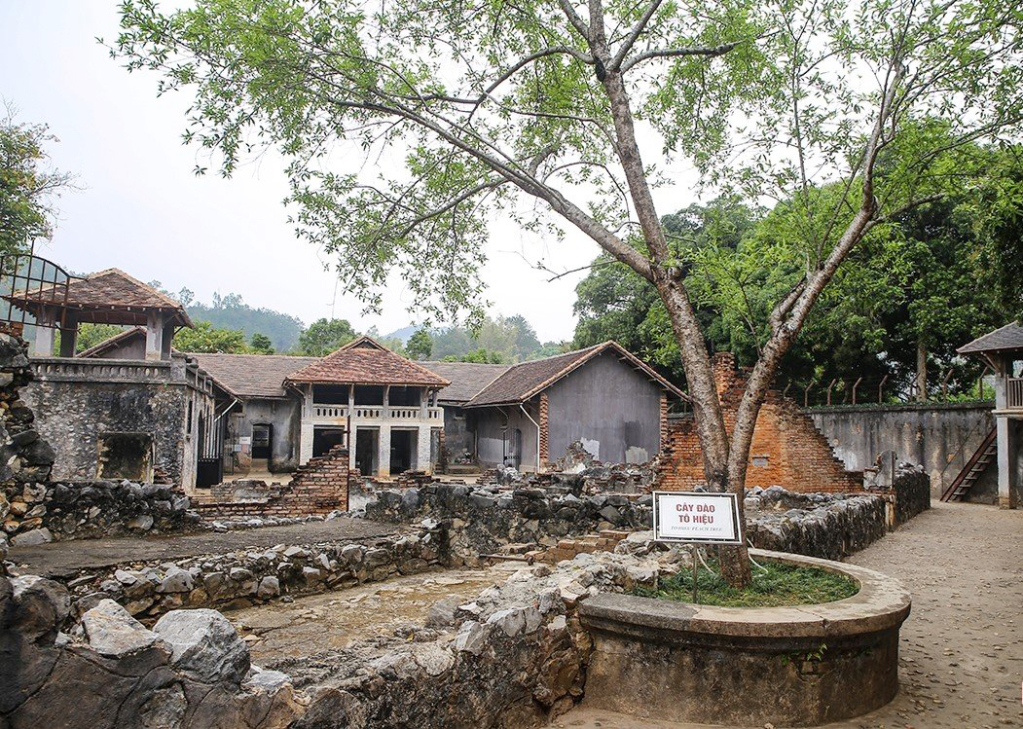
Son La Prison is a historical site associated with the heroic anti-French period of the Vietnamese nation
In the center of Son La, the most outstanding attraction is Son La Prison – a historical relic associated with the anti-French resistance period, which authentically recreates the lives of revolutionary soldiers. Additionally, visitors can visit the Son La Museum to learn more about the local ethnic cultures, or stop by the city area to admire the panoramic view of the Da River valley.
Continuing the journey, as you get closer to Sa Pa, the climate changes noticeably: the air becomes cooler, fog appears more frequently, and the landscape turns to the deep green of the Hoang Lien Son mountains. This is a familiar sign indicating that visitors are gradually entering the characteristic "cloudy" land of Sa Pa.
2.3. Days 5–6: Exploring Sa Pa
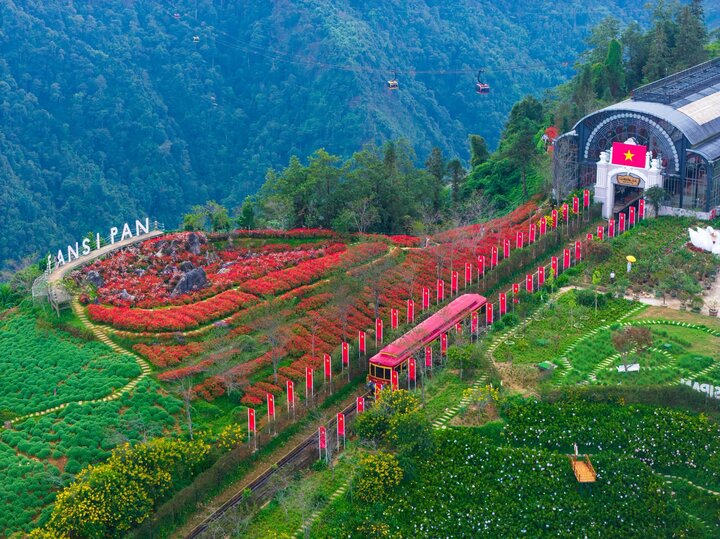
The final days of the Sa Pa - Moc Chau tour are dedicated entirely to Sa Pa – the most important highlight of the entire trip, with conquering Fansipan being the most outstanding and "worthwhile" experience.
Visitors will start from the Fansipan cable car station, where the modern three-rope cable car system takes you away from Muong Hoa valley and quickly "flies" up amidst the Hoang Lien Son mountains and forests. In just about 15–20 minutes, the entire landscape below gradually shrinks, giving way to layers of white clouds drifting past the cabin. This is one of the most characteristic experiences of Sa Pa, where the feeling is no longer like "traveling" but more like moving through the sky and clouds.
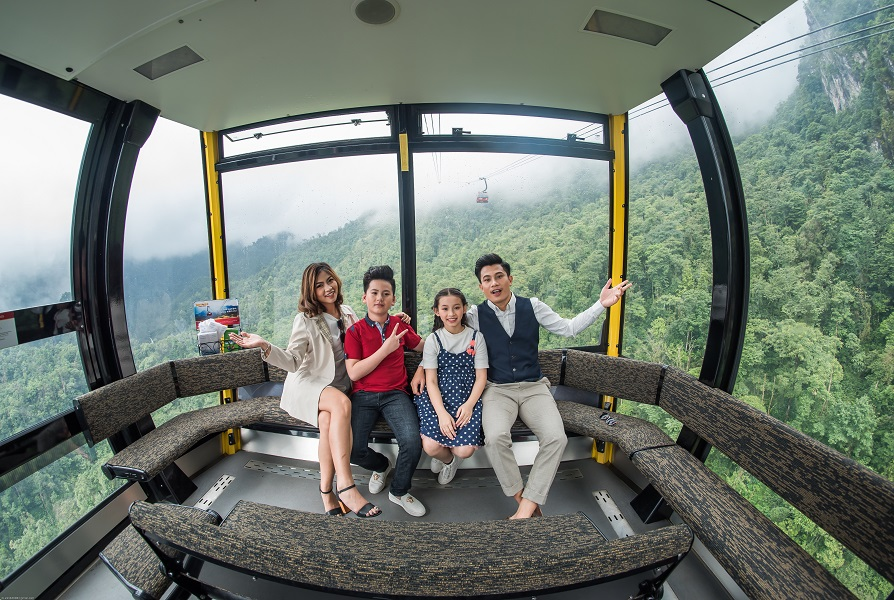
Visitors enjoy the Fansipan cable car experience
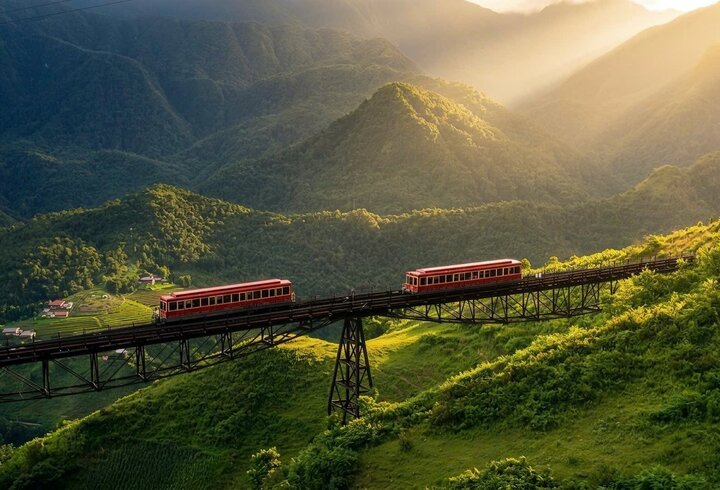
Upon reaching the upper station, visitors continue their journey by mountain climbing train or by walking along the staircase system designed along the mountainside. The scenery here begins to take on a more spiritual character with flower gardens, Buddha statues, and architectural works in Buddhist style, creating a sense of both grandeur and tranquility.
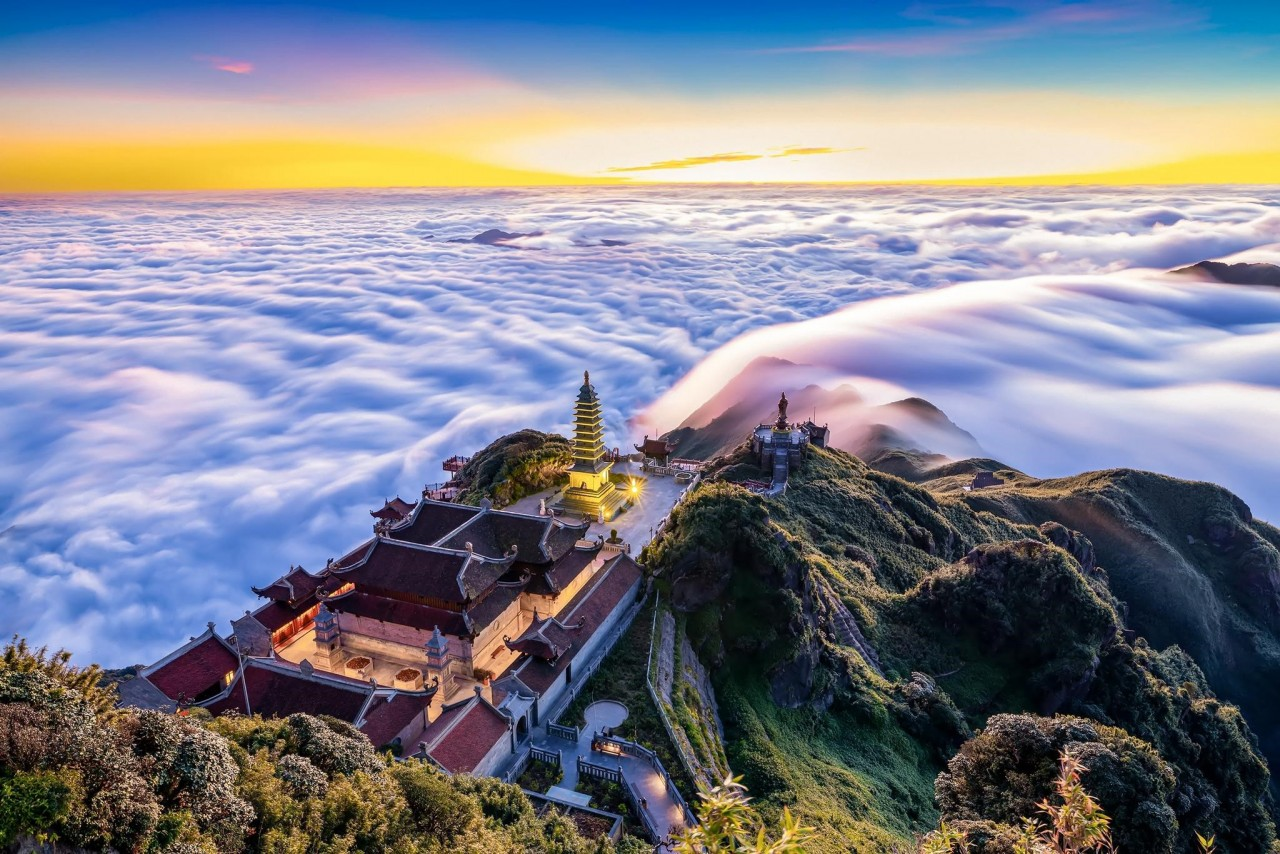
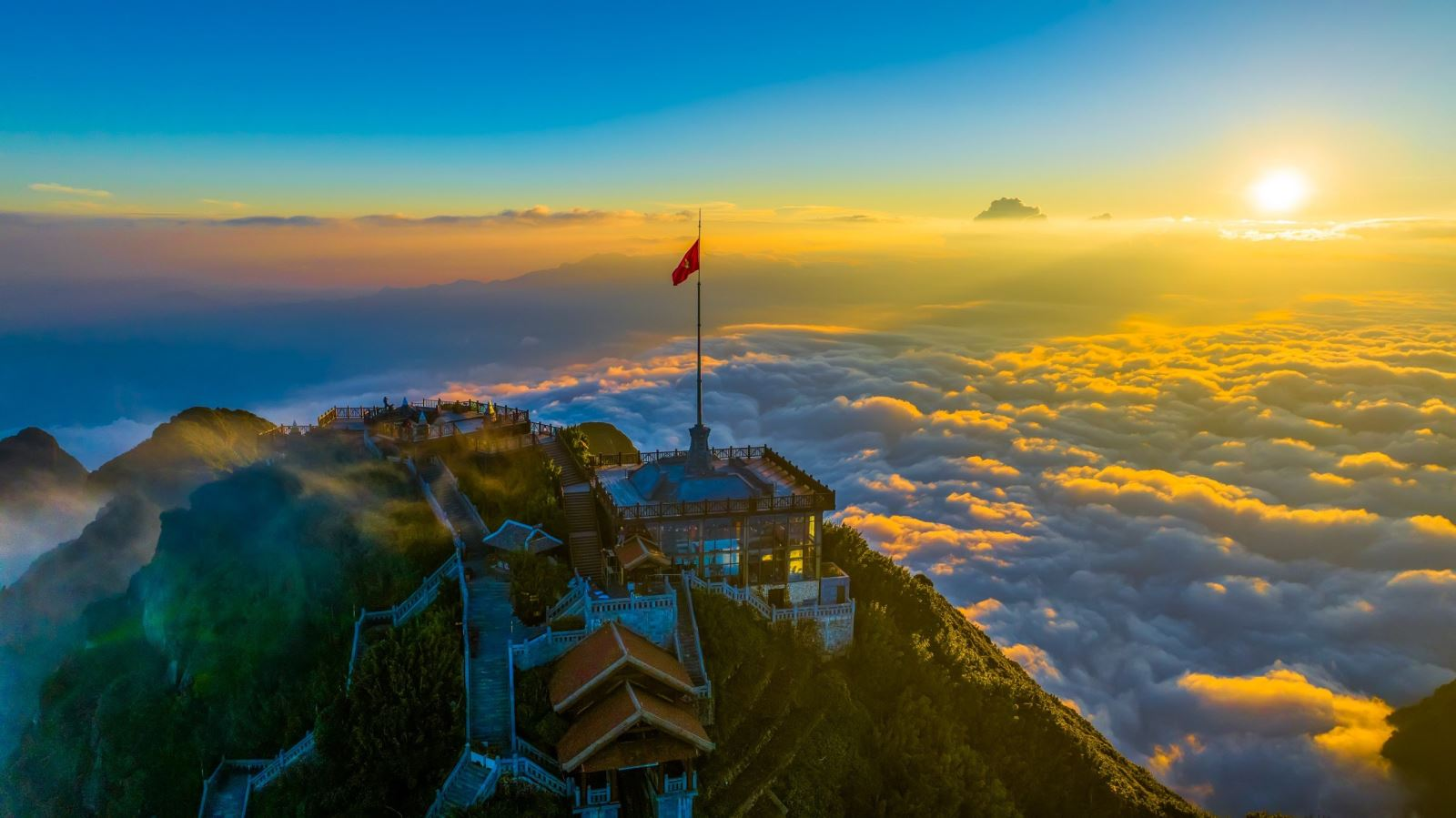
Sacred spiritual complex on the summit of Fansipan
The center of the Fansipan experience is the spiritual complex at an altitude of over 3,000m, featuring a giant Amitabha Buddha statue, pagodas, stupas, and meditation spaces amidst a sea of clouds. During good weather, visitors can stand amidst dense clouds, overlooking the endless Hoang Lien Son mountain range – a feeling rarely found at any other destination in Vietnam.
After completing the Fansipan journey, visitors can continue to explore other attractions in Sa Pa such as Cat Cat Village with its distinctive H'Mong culture, or enjoy a light trek in Muong Hoa Valley to admire the terraced fields and streamside villages. However, Fansipan remains the most significant culmination point, leaving a strong impression on the entire Sa Pa - Moc Chau tour.
3. Preparation Tips for a Self-Guided Sa Pa - Moc Chau Tour
The Sa Pa - Moc Chau tour is a long-day itinerary, passing through various terrains from plains, plateaus to high mountains. Therefore, if not prepared carefully, the trip can easily become tiring, waste travel time, or miss beautiful spots. Here are important tips to help you travel independently more smoothly.
3.1. Create a Flexible Schedule with a "Fixed Framework"
When traveling independently, many people tend to leave their schedules too open, leading to extended travel times or missed destinations. For the Sa Pa - Moc Chau tour route, the best approach is to maintain a daily framework, while allowing for flexibility within each day.
For example, clearly define:
The first 2 days in Moc Chau to explore the plateau, tea hills, and waterfalls
1–2 days traveling through Son La and up to Sa Pa
The last 2 days focusing on Sa Pa
With a pre-set framework, you will find it easier to book accommodation, transportation, and avoid derailing your plan when traveling long distances.
3.2. Choose Suitable Transportation for Each Leg to Avoid Fatigue
The Sa Pa - Moc Chau tour route is not only long but also has many passes and slopes, so choosing the right transportation is crucial for ensuring health and experience.

Choosing the right means of transport helps make your long journey less tiring
For the Hanoi – Moc Chau leg, limousine or bus are popular choices because the distance is not too long. For the Moc Chau – Son La – Sa Pa section, you can take a long-distance bus or a shared tour to limit having to drive yourself on mountain passes.
When you arrive in Sa Pa, local transportation will be more flexible with taxis, rented motorbikes, or electric cars, helping you easily reach nearby spots such as the town center or villages without worrying about steep roads.
3.3. Prepare clothing suitable for constantly changing weather
One of the most distinct features of the Sa Pa - Moc Chau tour is the temperature change with altitude. Moc Chau is usually cool, while Sa Pa can be cold in the early morning and at night, even in summer.
Therefore, layering is the most reasonable approach: a t-shirt inside, a light jacket outside to easily adjust to the weather. When reaching high points like Fansipan, the temperature drops sharply, so warmer clothing is needed. Additionally, sneakers or trekking shoes are essential as you will be walking a lot in villages and tourist areas.
It can be said that a self-guided Sa Pa - Moc Chau tour will become much easier and more complete if you prepare well from the beginning. From planning a reasonable itinerary, choosing suitable transportation for each leg to preparing clothing and budget, everything contributes to a smoother trip.
This is not only a journey to explore the majestic Northwest nature but also an opportunity to experience the distinct changes in climate, culture, and pace of life between the Moc Chau plateau and the high mountain region of Sa Pa. With good preparation, the trip will surely bring many memorable moments and unforgettable experiences.