
















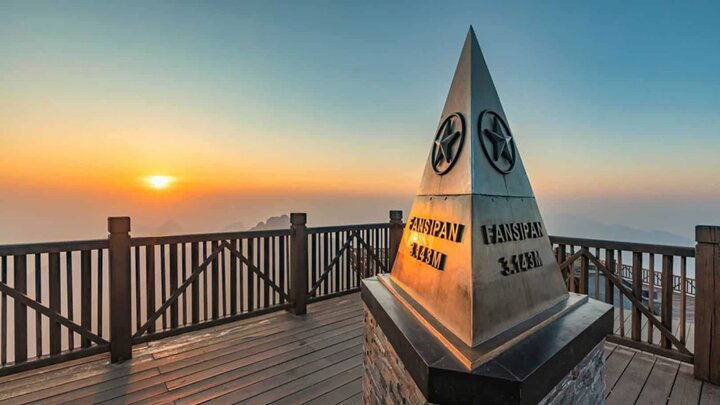
1. Why should you know the notes when traveling to Sa Pa for the first time?
1.1. Learn about Sa Pa: climate, location, characteristics
Sa Pa is located in Lào Cai province, a charming mountain town in the Northwest region of Vietnam with an average altitude of about 1,500 to 1,800 m above sea level. The climate here is pleasant all year round, with four distinct seasons; cool summers, cold winters, sometimes with snow covering the mountains. This land is renowned for its magnificent natural scenery, soft terraced fields, and the villages of the Hmong and Red Dao ethnic groups, rich in traditional cultural identity.

The town of Sa Pa is hidden in mist, the scene that opens the first journey to explore the Northwest mountainous region. (Source: Collected)
Many first-time visitors will be surprised by the temperature difference between day and night, with changes of up to 10 to 15°C. The terrain is steep and winding, with beautiful scenery, but it is also a great challenge for those unaccustomed to moving in mountainous areas. Sometimes in the morning the weather is warm and sunny, but by evening it becomes freezing cold, leaving tourists unprepared with warm clothing. Local cultural characteristics are also attractions that need to be understood in advance to have the opportunity to experience fully and respect local life.
1.2. First Experience: Common Difficulties
When arriving in Sa Pa for the first time, tourists are prone to encountering obstacles due to constantly changing weather throughout the day, with gentle sunshine in the morning and sudden cold rain in the afternoon or evening. The high mountain terrain requires endurance and certain mobility skills; those unaccustomed will easily feel tired, especially when participating in long treks. Lack of preparation of essential items such as thick jackets, medicine, or personal identification documents will also make the journey less convenient.
Besides, the experience of crossing mountain passes can cause motion sickness; sometimes, visitors from afar feel confused when they are not familiar with navigating villages, communicating with locals, or shopping, leading to many awkward situations. In some cases, tourists are dissatisfied with prices or services due to a lack of experience in choosing.
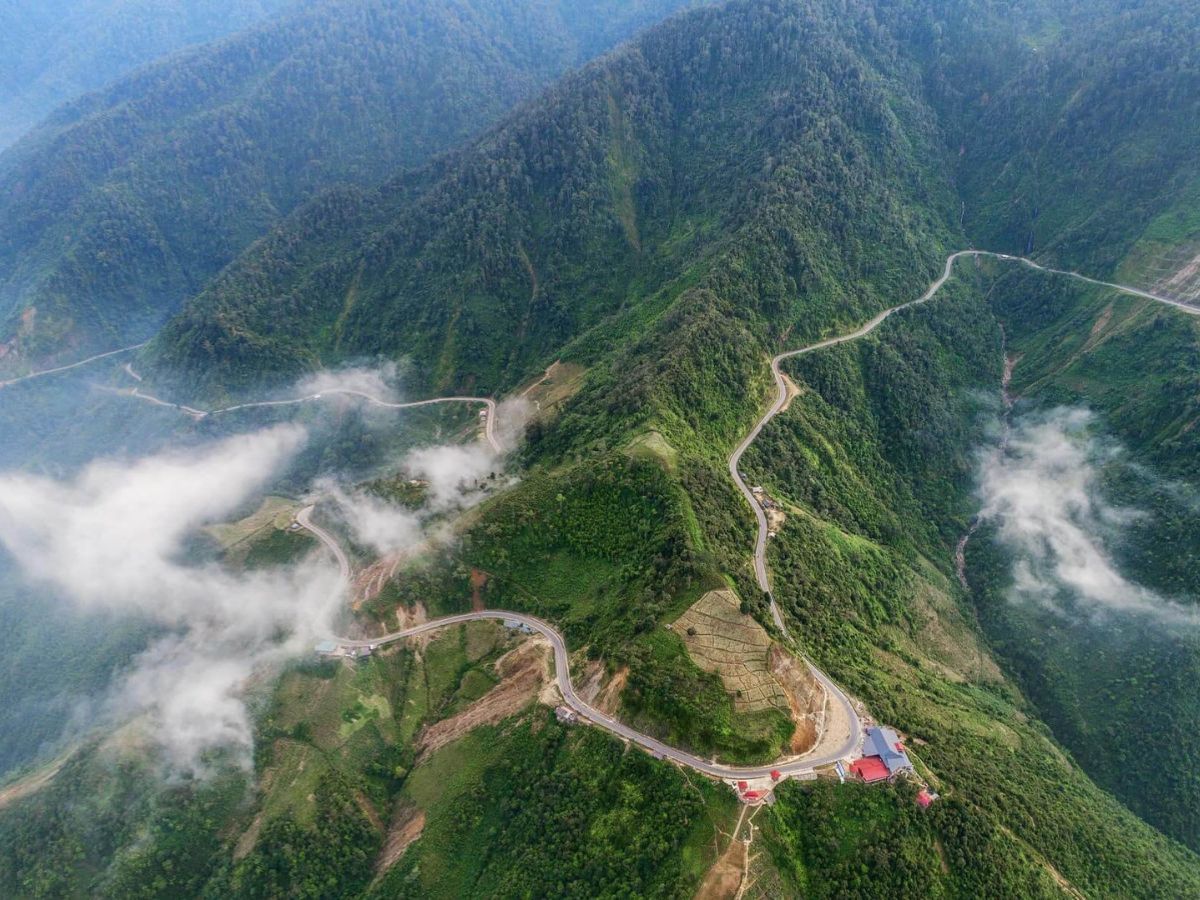
The winding mountain pass road leads up to Sapa, where clouds cover the mountains and the cool air touches every traveler's heart. (Source: Collected)
Therefore, thorough and proper preparation before the trip will be the deciding factor for a more convenient and joyful exploration of Sapa. Refer to the tips for traveling to Sapa for the first time to proactively plan your journey and fully enjoy the beauty of the mountainous region.
2. Notes on the ideal time to travel to Sapa
2.1. The beautiful seasons of the year in Sapa
Each season in Sapa has its own unique beauty. From February to April, peach and plum blossoms bloom profusely, covering the mountains and forests in white, creating a picturesque landscape. May and June is the season of water pouring, with terraced fields sparkling like mirrors reflecting the high sky.
From around September to October, the scenery of Sapa is dyed yellow by the stretching fields of ripe rice, and the air is fresh and cool, suitable for trekking and exploring villages. Also at this time, the phenomenon of clouds playing around mountain peaks appears, creating a dreamy scene rarely found elsewhere. From December until February of the following year, visitors will clearly feel the highland cold and have the chance to see snow if the weather is favorable.
According to tips for traveling to Sapa for the first time, you should consider traveling from late September to the end of October to see Sapa during its vibrant ripe rice season, or choose December to February to immerse yourself in the characteristic winter atmosphere of the northern mountainous region.
2.2. Monitor the weather forecast before the trip
Proactively checking the weather forecast before departure is a very important tip for traveling to Sapa for the first time. Knowing this information helps you prepare suitable clothing, both to keep warm when it's cold at night and light and convenient for moving or taking photos during the day. Many tourists have encountered difficulties because they did not prepare a jacket when the temperature dropped to only 10°C at night.
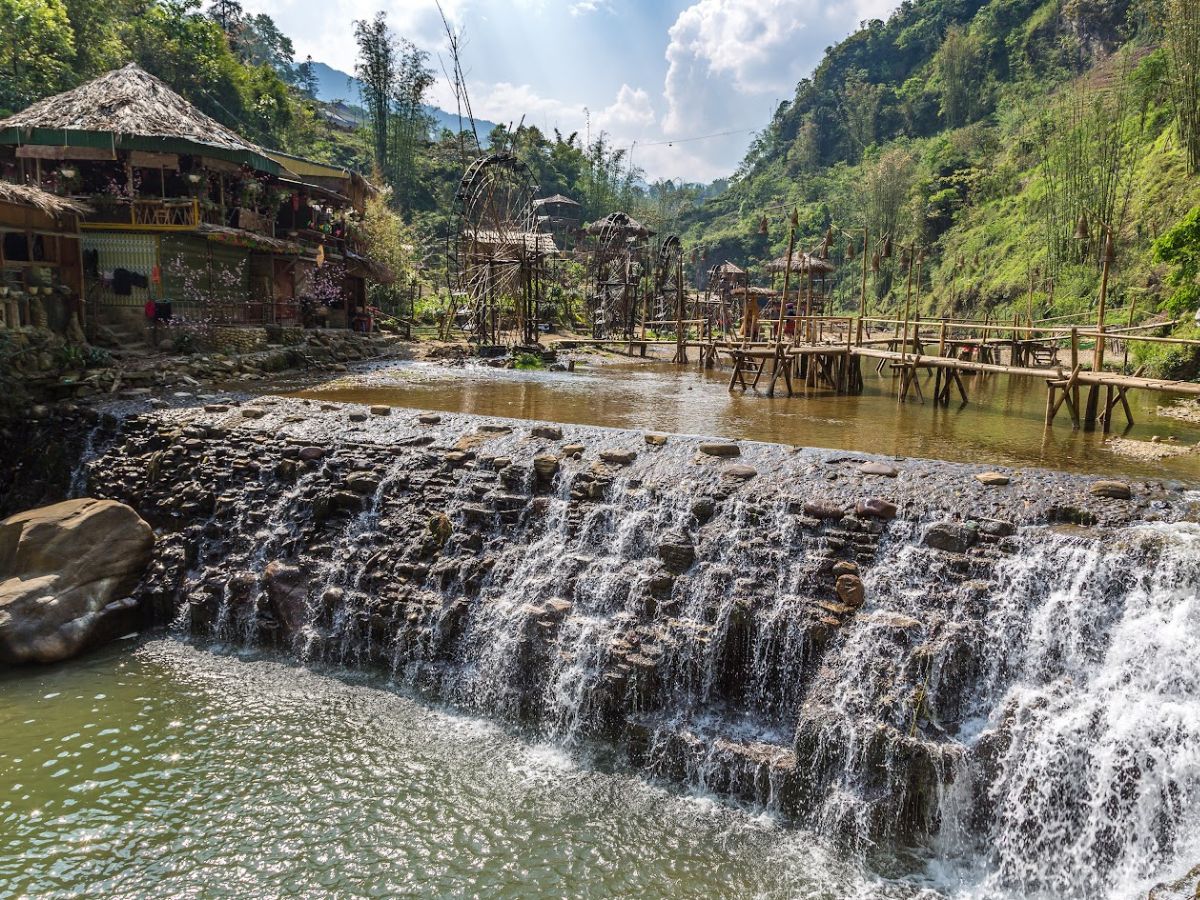
Cat Cat Village is vibrant with ethnic costumes, a stopover to help you clearly feel the highland culture. (Source: Collected)
The characteristic weather of the highlands can change quickly, sometimes sudden cold rain appears even when it's sunny. Bring raincoats, cold medicine, scarves, and waterproof bags for your phone and camera. Practical experience shows that rain in Sa Pa often lasts long and is accompanied by cold winds, affecting your itinerary if you are not fully prepared.
3. Notes on clothing when traveling to Sa Pa for the first time
Regardless of the season, Sa Pa always has a cool atmosphere in the early morning and at night, so warm jackets, windbreakers, scarves, woolen hats, and gloves are items you should bring. Night temperatures can sometimes drop as low as 5 to 10°C, even in summer, so preparing your clothing carefully will help you always feel comfortable.
During the day, especially in the town center or when visiting villages in the summer, the weather is quite mild. You can choose t-shirts, jeans, or long skirts which are convenient for moving and suitable for taking photos. Layering is a useful solution to easily adjust according to the day's weather changes.
Sports shoes or non-slip trekking shoes are ideal for exploring Sa Pa, ensuring safety when walking, climbing mountains, or trekking through forests – especially in villages with slippery roads during rain. Don't forget sunglasses, sunscreen, moisturizer, and a personal water bottle when participating in outdoor activities under the highland sun.
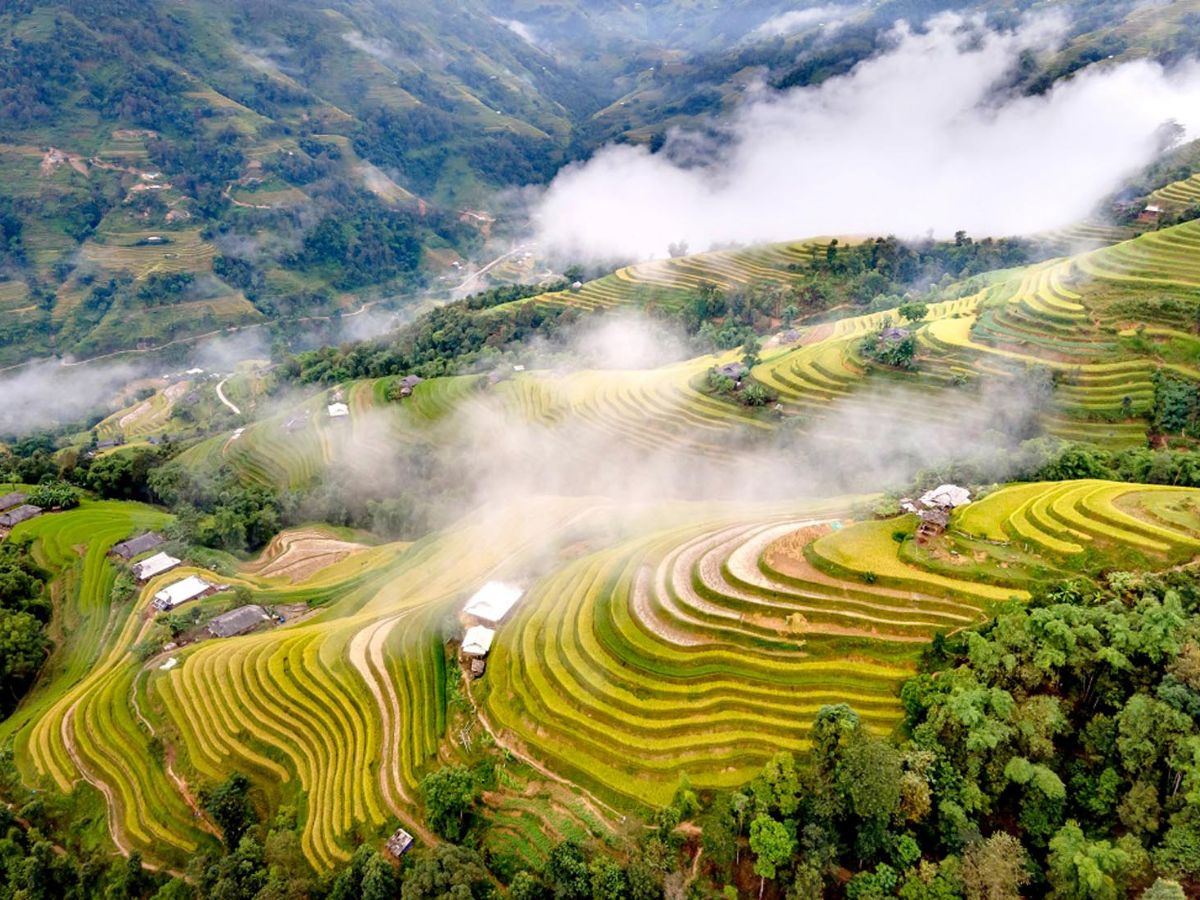
The golden ripe rice season in Muong Hoa valley, a moment that mesmerizes anyone visiting Sapa for the first time. (Source: Collected)
4. Book accommodation early when traveling to Sapa for the first time
4.1. The "golden" time to book rooms, bus tickets, and entrance tickets
The ripe rice season (September – October), holidays, weekends, and summer are usually when Sapa welcomes a large number of tourists. During such peak times, room prices can change significantly, and the supply of good quality rooms becomes scarce. To have suitable options in terms of location and price, you should book rooms 1 to 2 months in advance of your departure date. You can look for deals on reputable online booking platforms or contact accommodation providers directly to get good prices and service commitments.
Similarly, if you plan to use a bus, buy Fansipan cable car tickets, or join a tour, you should book in advance to ensure you don't miss out, especially during crowded periods. Proactive preparation will make your trip more economical and convenient.
4.2. Prepare a reasonable travel itinerary
For your first time exploring Sapa, you should build an itinerary that combines visiting prominent central attractions like the stone church, strolling through Cat Cat village with its traditional stilt houses, and admiring the Muong Hoa valley in Ta Van and Lao Chai. Don't forget to experience Sun World Fansipan Legend to enjoy the feeling of standing on the "Roof of Indochina", visit the Ham Rong mountain flower garden, or watch the sunset over O Quy Ho pass.
The itinerary should intersperse visits to famous landmarks with deeper exploration of local culture through handicraft villages and enjoying local delicacies like thang co, grilled salmon, and wild vegetables. If you happen to visit during a local market day, it will be a memorable experience, helping you understand the cultural beauty of the highlands.
5. Notes on documents and personal belongings when traveling to Sapa for the first time
Among the notes when traveling to Sapa for the first time, carrying sufficient personal identification documents is essential. The Citizen Identity Card (CCCD) is necessary for checking into hotels, completing accommodation procedures, or participating in tourist activities. If you wish to rent a motorbike or a self-drive car, you need to bring a valid driver's license; children under 14 years old require a birth certificate or a notarized copy.
Due to humid weather and sudden rain, keep documents in a waterproof bag and check them again before leaving your accommodation to avoid loss or damage.
Besides documents, prepare a personal first-aid kit including cold medicine, digestive medicine, headache medicine, balm, band-aids, and mosquito repellent gel. Cold weather and prolonged outdoor activities can easily cause fatigue or insect bites. Sunscreen and moisturizer help protect the skin from dry weather and strong UV rays in the highlands.
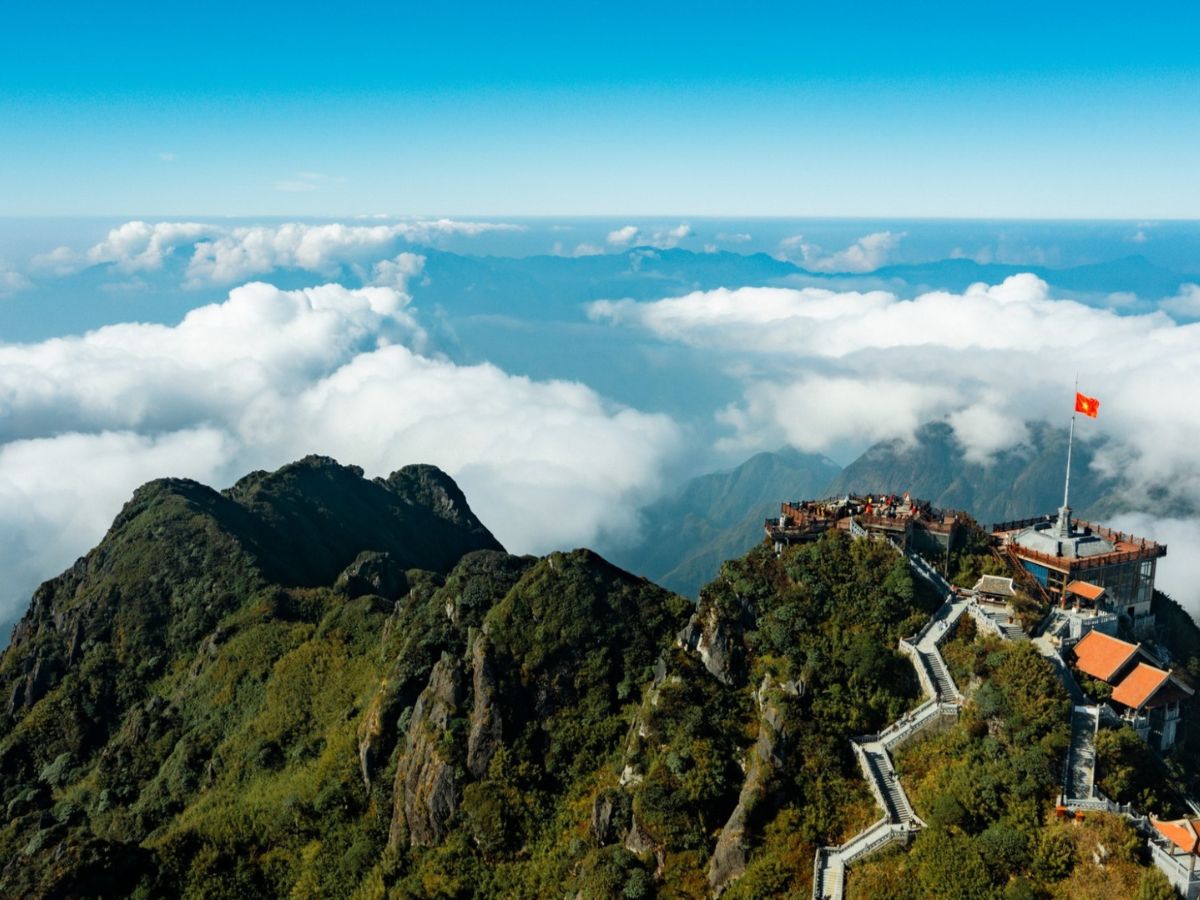
Layers of mist curl around Fansipan, a legendary symbol that anyone visiting Sa Pa for the first time longs to conquer. (Source: Collected)
6. Notes on moving and traveling in Sa Pa for newcomers
6.1. Understanding Sa Pa's routes and terrain
Sa Pa is characterized by its hilly and mountainous terrain, winding passes, steep slopes, and numerous curves. Although only about 38 km from Lao Cai, the route passes through O Quy Ho pass with steep sections and limited visibility. Many villages like Cat Cat, Ta Van, and Lao Chai are far from the center, with narrow, slippery roads when it rains.
Therefore, a note for first-time travelers to Sa Pa is that those unfamiliar with the area should use coaches or buses from Lao Cai to Sa Pa, or hire a taxi or contract car with a local driver familiar with the terrain. Driving a motorbike or car yourself when unfamiliar with mountain roads and weather can easily lead to risks, especially during dense fog in the early morning or late evening.
6.2. Experience with renting vehicles and using maps
If you want to rent a motorbike to explore freely, you should choose a reputable establishment, carefully check the brakes, lights, horn, tires, and fuel level before receiving the vehicle. Take photos of the motorbike from multiple angles to avoid disputes and remember to carry all necessary documents when driving.
To avoid getting lost in the mountains, download an offline map to your phone and bring a power bank. Some areas in Sa Pa may have weak or lost phone signals, so online maps might not work. You should also ask locals for directions and remember important landmarks to orient yourself more easily.
7. Notes on local culture for first-time travelers to Sa Pa
Sa Pa is home to many ethnic minority groups such as H'Mong, Red Dao, Tay, and Nung, each preserving their unique cultures and customs. When entering villages, you should speak softly, maintain order, and ask permission before taking photos of residents, especially children and the elderly. Modest attire shows respect for local culture.
When visiting worship areas, communal houses, pagodas, or participating in festivals, move gently, adhere to dress codes, and do not enter sacred areas without permission. Each place has specific instructions; you should pay attention to avoid making locals feel uncomfortable.
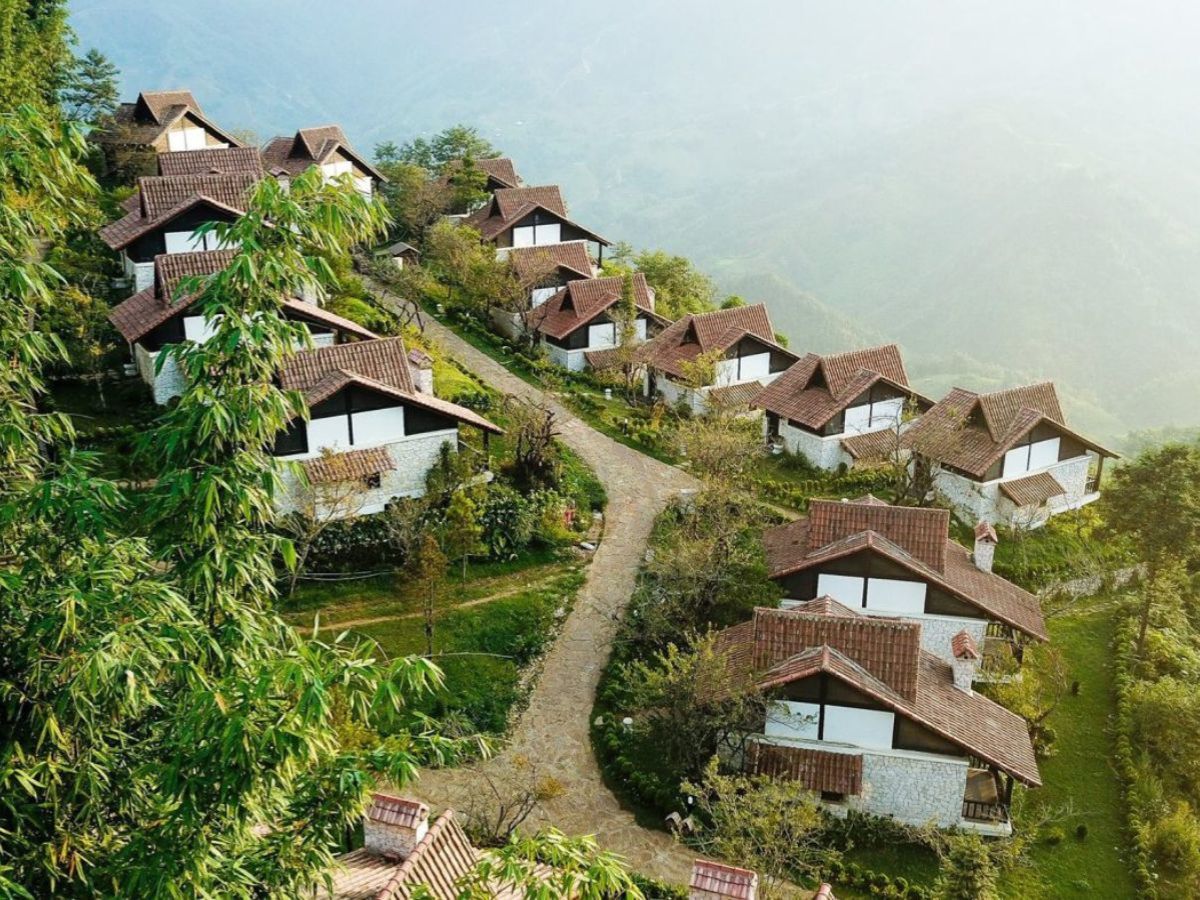
A small homestay amidst terraced fields, a space for you to find peace and the friendliness of the locals. (Source: Collected)
When choosing souvenirs, ask for prices politely, negotiate gently, and appreciate the seller's effort. Prioritize purchasing from cooperatives, community groups, or points of sale with clear listed prices and recommendations from guides. Don't forget to check products carefully, from brocade fabrics, silver, specialties, and get receipts to ensure your rights.
8. Notes when joining a tour to explore Sa Pa for the first time
Choosing a tour organized by a reputable travel company is a note for those who have no experience traveling independently when visiting Sa Pa for the first time. Proactively research the tour program, destinations, meals, transportation, and accompanying insurance policies beforehand. Reading previous customer reviews is a good way to assess service quality and avoid choosing a tour that doesn't meet expectations.
Some experiences to try for your first time in Sa Pa include trekking the Muong Hoa valley, cloud hunting on Ham Rong mountain, attending the market and learning about local culture, bathing in medicinal leaves according to the Dao Do people's customs, and enjoying local specialties in a traditional village setting. Each activity will give you more insight into the natural beauty and people of Sa Pa.
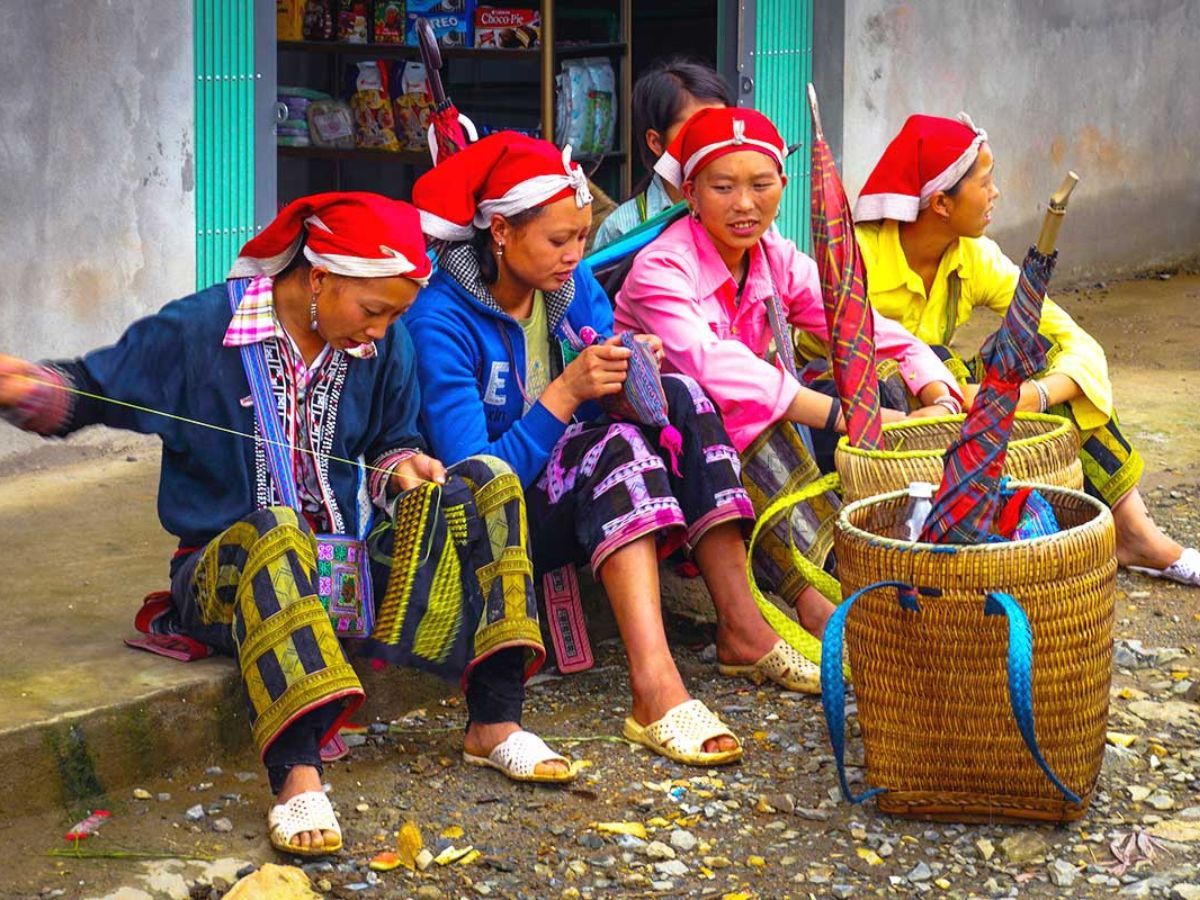
Highland markets are vibrant with the colors of brocade, an unmissable cultural rendezvous on your first trip. (Source: Collected)
Always show environmental awareness: bring trash bags, do not litter, and adhere to the principle "take nothing but pictures, leave nothing but footprints". When going into the forest or trekking, you should use mosquito repellent, wear long-sleeved shirts, and save your guide's phone number for contact when needed.
9. Tips for taking beautiful photos in Sa Pa for the first time
Unmissable photo spots on your first trip to Sa Pa include O Quy Ho Pass with its majestic mountain and forest scenery, the cloud-watching platform of the Fansipan cable car allowing you to immerse yourself in a sea of white clouds, the vibrant flower gardens on Ham Rong Mountain, the ancient Cat Cat village, or Muong Hoa valley with its terraced fields stretching to the horizon. Each spot has its own beauty, helping you capture memorable pictures.
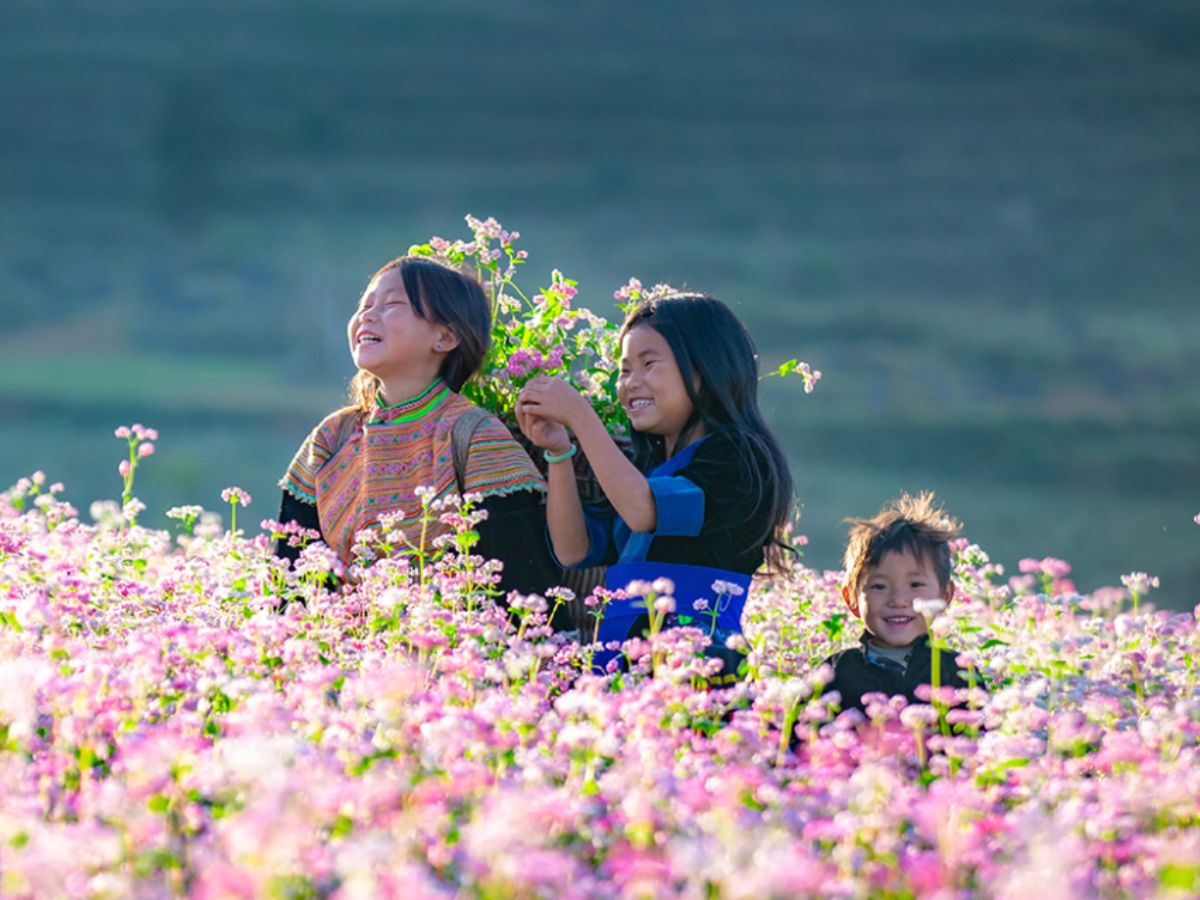
A check-in moment amidst the mountains and forests, when you feel every fresh breath of Sa Pa's nature. (Source: Collected)
The most ideal time for photography is early morning from around 6 to 8 AM, when mist and clouds are still lingering, or late afternoon from 4 to 6 PM to capture the sunset over the mountains. Photography attire should be in neutral colors like beige, brown, moss green, or muted tones like black, gray, to help the photos harmonize with Sa Pa's natural colors.
The important thing when capturing images in Sa Pa is to always ask for permission before photographing local people, especially children and women in traditional attire. Respect their privacy, the customs of each ethnic group, and do not disrupt the daily lives of the community. Every beautiful photo not only preserves a moment but also demonstrates understanding and appreciation for the local culture.
If this is your first time visiting Sa Pa, equipping yourself with tips for traveling to Sa Pa for the first time will make your journey smoother. These experiences not only ensure safety but also broaden opportunities to explore and fully appreciate the beauty of this naturally favored land.