















1. Where is Sapa? Why is it called "the most beautiful small town in the world"?
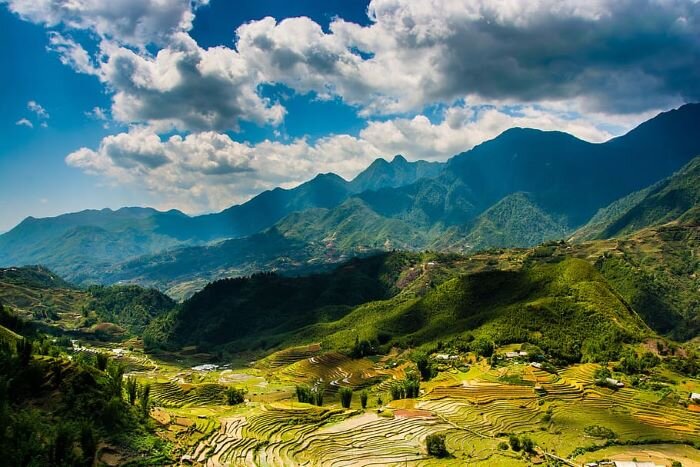
When mentioning Sapa tourism, many people will immediately think of a highland town nestled amidst the mountains and forests of the Northwest, where clouds cover the sky year-round and the climate is pleasantly cool. Sapa belongs to Lao Cai province, about 300 km northwest of Hanoi, located at an average altitude of 1,500 – 1,800m above sea level. This special geographical location has created a Sapa that is both majestic and poetic, completely different from other destinations in Vietnam.
It is not by chance that Sapa has been honored by many international travel magazines as one of the "most beautiful small towns in the world". That beauty comes from the harmonious blend of majestic mountains, terraced fields winding like silk ribbons, and the ethereal mist that covers it year-round. At each moment of the day, Sapa presents a different aspect: cool and misty in the morning, clear and gently sunny at noon, clouds filling the valley in the afternoon, and quiet at night amidst the mountain and forest landscape.
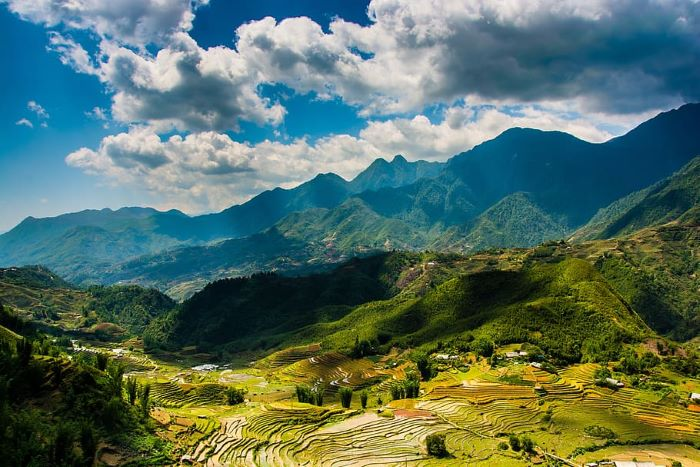
Sa Pa is hailed as one of the most beautiful towns in the world
The point that makes the special attraction of Sa Pa tourism lies not only in its beautiful scenery but also in its ecological and cultural diversity. This is home to many ethnic groups such as H'Mong, Red Dao, Tay, Giay... with customs, traditional costumes, and daily life that still retain many original features. The intermingling of nature and culture creates a vivid picture, both wild and rich in identity.
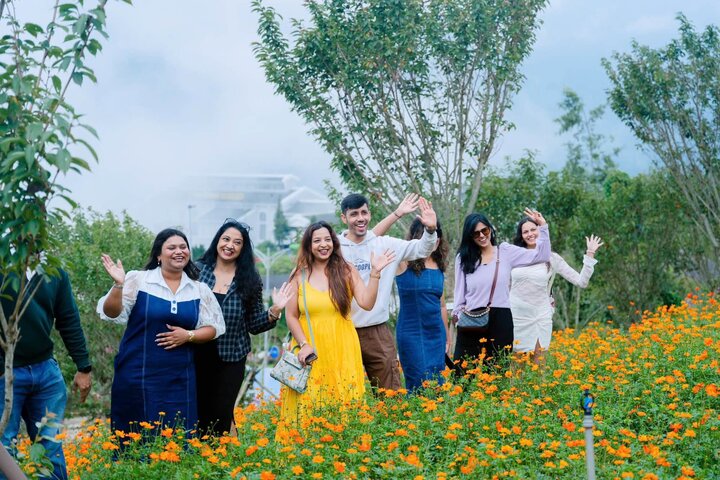
Besides, Sa Pa is also famous for its climate of "four seasons in one day". Tourists can feel the constantly changing weather: cool mornings like spring, mild sunny afternoons like summer, pleasant cool evenings like autumn, and cold nights like winter. This very specialty makes Sa Pa an ideal destination year-round, especially for those who want to "escape the heat", relax, or seek a peaceful space.
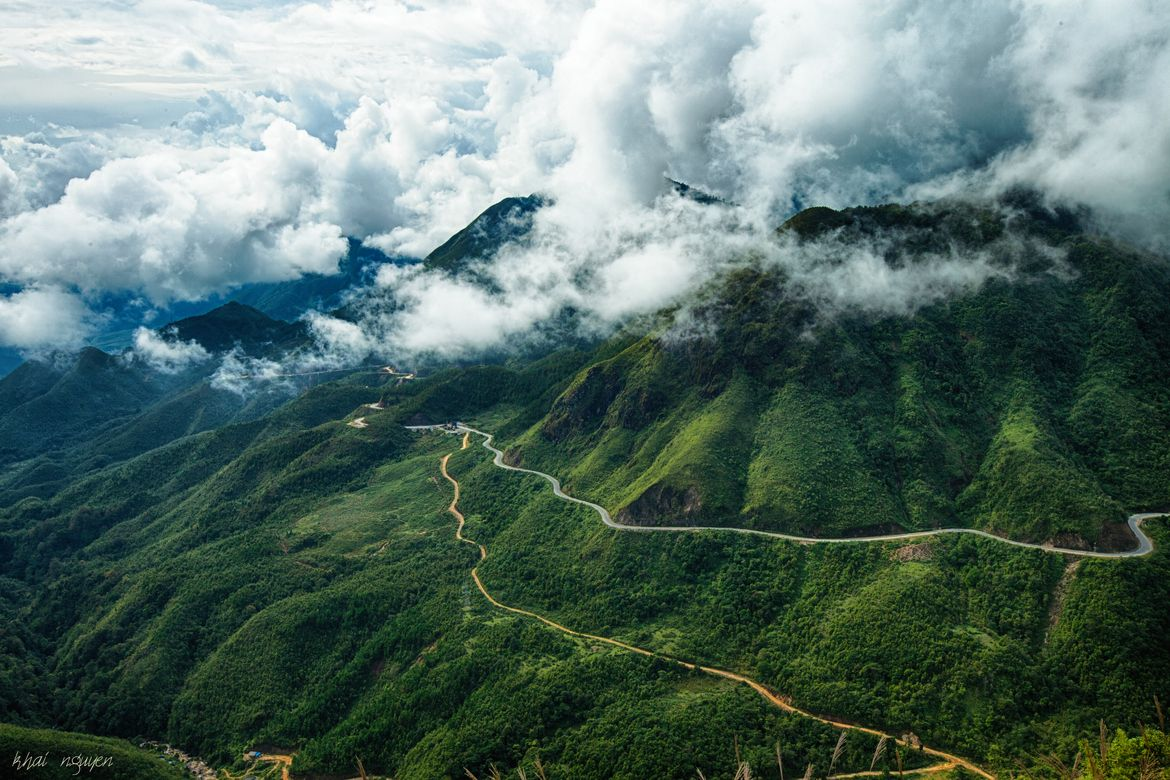
The cool climate all year round attracts many tourists to Sa Pa
Not only nature and climate, Sa Pa is also increasingly developing with a modern tourism service system but still retains its inherent simplicity. From homestays in villages to resorts on the mountains, or the journey to conquer Fansipan – all contribute to creating a Sa Pa that is both familiar and full of memorable experiences.
The harmonious combination of landscape, climate, and culture has helped Sa Pa become a "go-to" destination for many travel enthusiasts, and is the reason why the journey of Sa Pa tourism is always attractive regardless of the season.
2. When is the best time to travel to Sa Pa?
One of the most common questions when planning a Sa Pa trip is when to go for the best experience. In fact, Sa Pa is a destination that can be visited all year round, as each season brings its own unique "version": sometimes with blooming flowers, sometimes with golden ripe rice, sometimes with clouds covering the sky, or cold like Europe.
2.1. Spring (February – April)
Spring is when Sa Pa bursts with life after the cold winter. The weather is cool, with light sunshine and quite pleasant, very suitable for sightseeing and photography.
The special feature of spring is the blooming of peach, plum, and pear blossoms throughout the villages and mountainsides, creating an extremely romantic scene. This is also the time when many traditional festivals of ethnic minorities take place, such as the field-going festival, spring festival..., bringing a very vibrant and rich cultural atmosphere.
For those who love a gentle atmosphere and want to learn about local culture, spring is a very suitable choice for Sa Pa travel.
2.2. Summer (May – August)
Summer is when Sa Pa becomes an ideal "escape from the heat" destination for the North. While the lowlands are intensely hot, Sa Pa remains cool, with temperatures ranging from 18–25°C, and even cool on some mornings and late evenings.
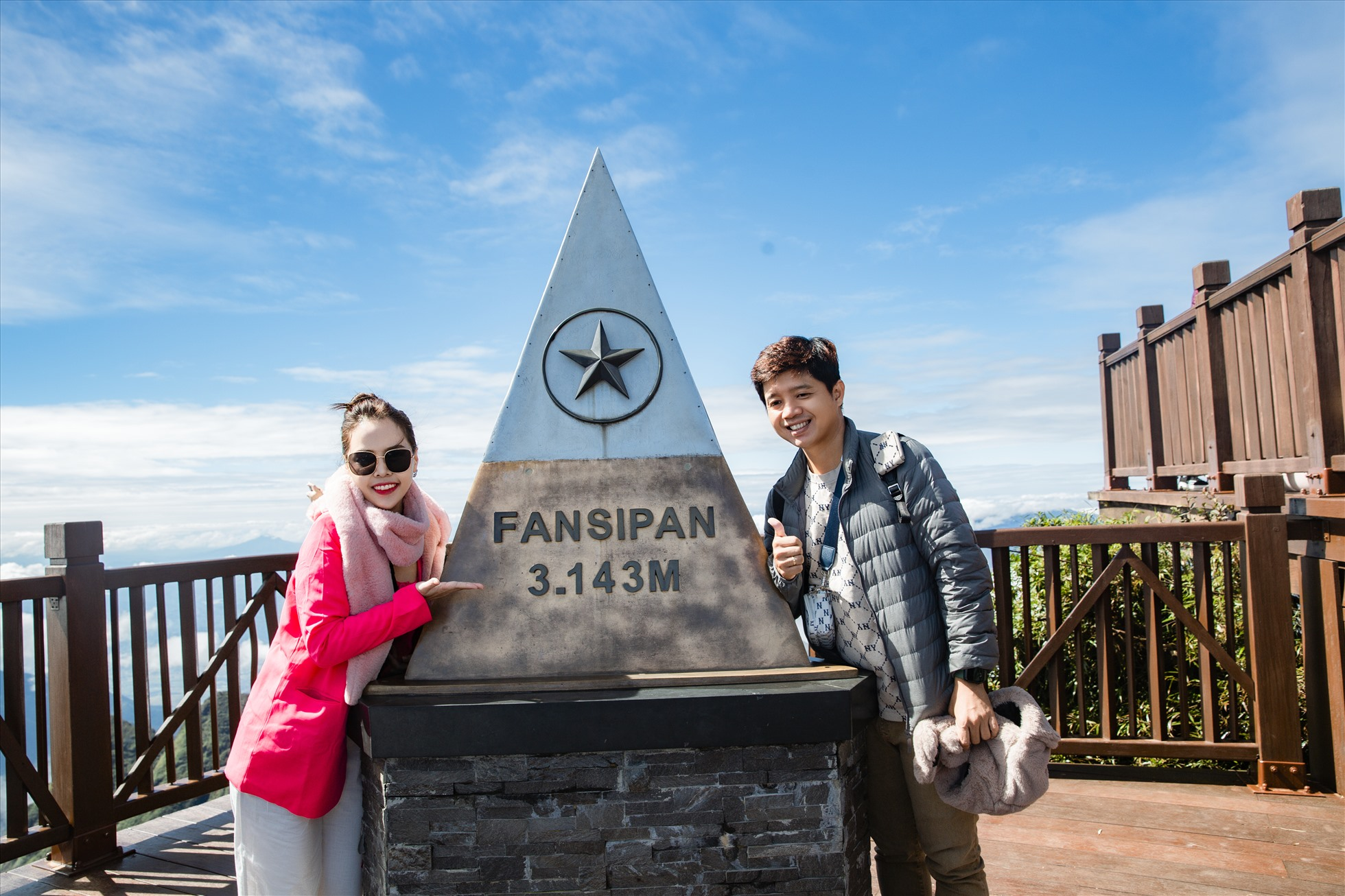
Fansipan Peak is one of the cool-down spots chosen by many Northern tourists during the peak summer season
This is also the water pouring season – the time when terraced fields reflect the sky like giant mirrors amidst the mountains and forests. From June to July, young rice covers the valleys, creating a fresh and vibrant scene.
Summer is also an ideal time for trekking, exploring villages, or conquering Fansipan when the weather is quite stable and the views are beautiful.
2.3. Autumn (September – November)
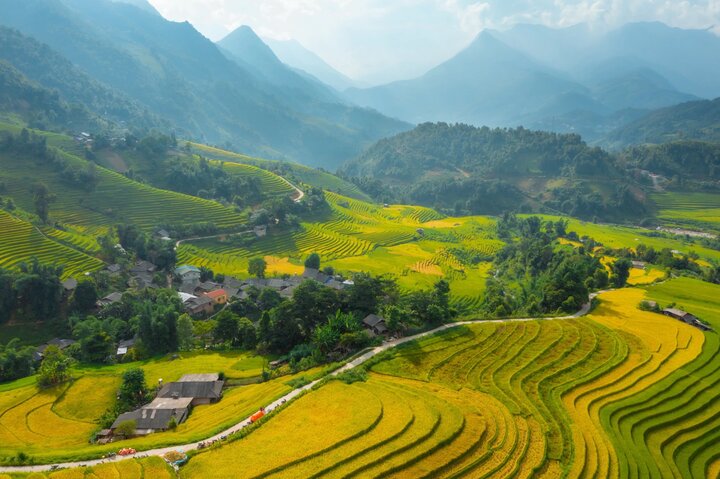
If you have to choose the most beautiful time to travel to Sa Pa, then autumn is the top candidate. This is when the terraced fields enter the ripe rice season, dyeing the entire valley yellow.
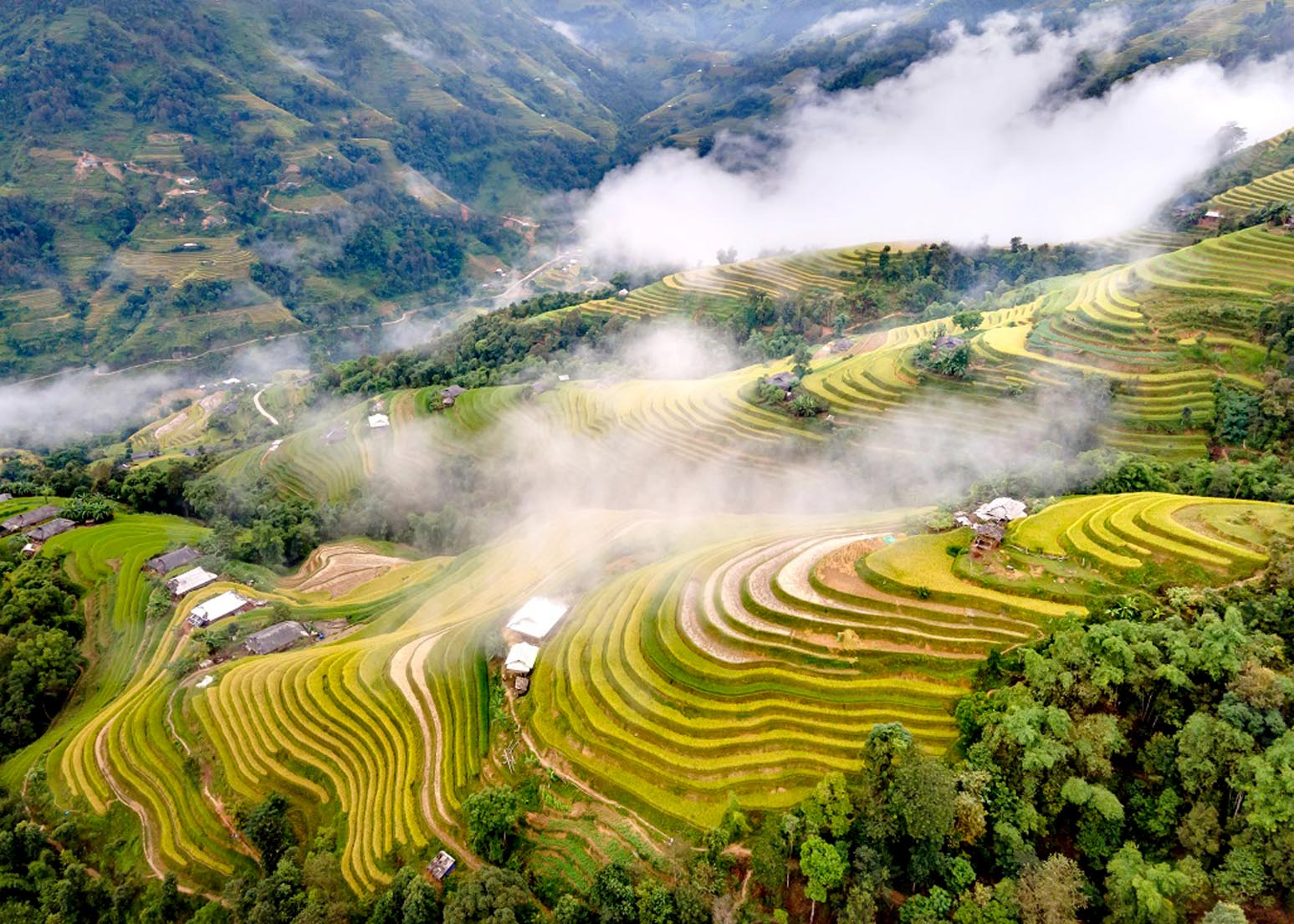
Beautiful golden rice season in the villages of Sa Pa
In particular, the areas of Muong Hoa, Lao Chai, Ta Van, or Y Ty become more vibrant than ever with golden terraced fields winding along the mountainsides, creating the "signature" scenery of Sa Pa every autumn.
The autumn weather is also ideal: clear skies, little rain, mild sunshine, extremely convenient for trekking, photography, and exploration.
2.4. Winter (December – January)
Winter brings a completely different Sa Pa: deep cold, thick fog, and sometimes frost or snowfall when temperatures drop.
This is the ideal time for those who want to experience the characteristic cold of the highlands, enjoy hot grilled food, coffee amidst the fog, and cloud hunting on Fansipan peak.
However, winter is also quite cold and can have harsh weather, so visitors need to prepare warm clothes, non-slip shoes, and monitor the weather before their trip to ensure safety.
3. Transportation Guide for Traveling to Sa Pa
After choosing the ideal time, the next step in your Sa Pa travel journey is to plan your transportation. Currently, Sa Pa has become much more accessible thanks to the highway and diverse transportation options, suitable for both independent travel and group tours.
3.1. From Hanoi and Northern Provinces to Sa Pa
This is the most popular travel route when traveling to Sa Pa , as the distance is not too far and there are many transportation options. From Hanoi to Sa Pa is about 300 km, with an average travel time of only 5-7 hours thanks to the Noi Bai – Lao Cai highway.
The most common are sleeper buses and limousines. These vehicles operate continuously throughout the day, with many flexible departure times, suitable for both day and night travel. Visitors just need to get on the bus in Hanoi and can be taken directly to the center of Sa Pa without changing routes, which is very convenient for first-time travelers.
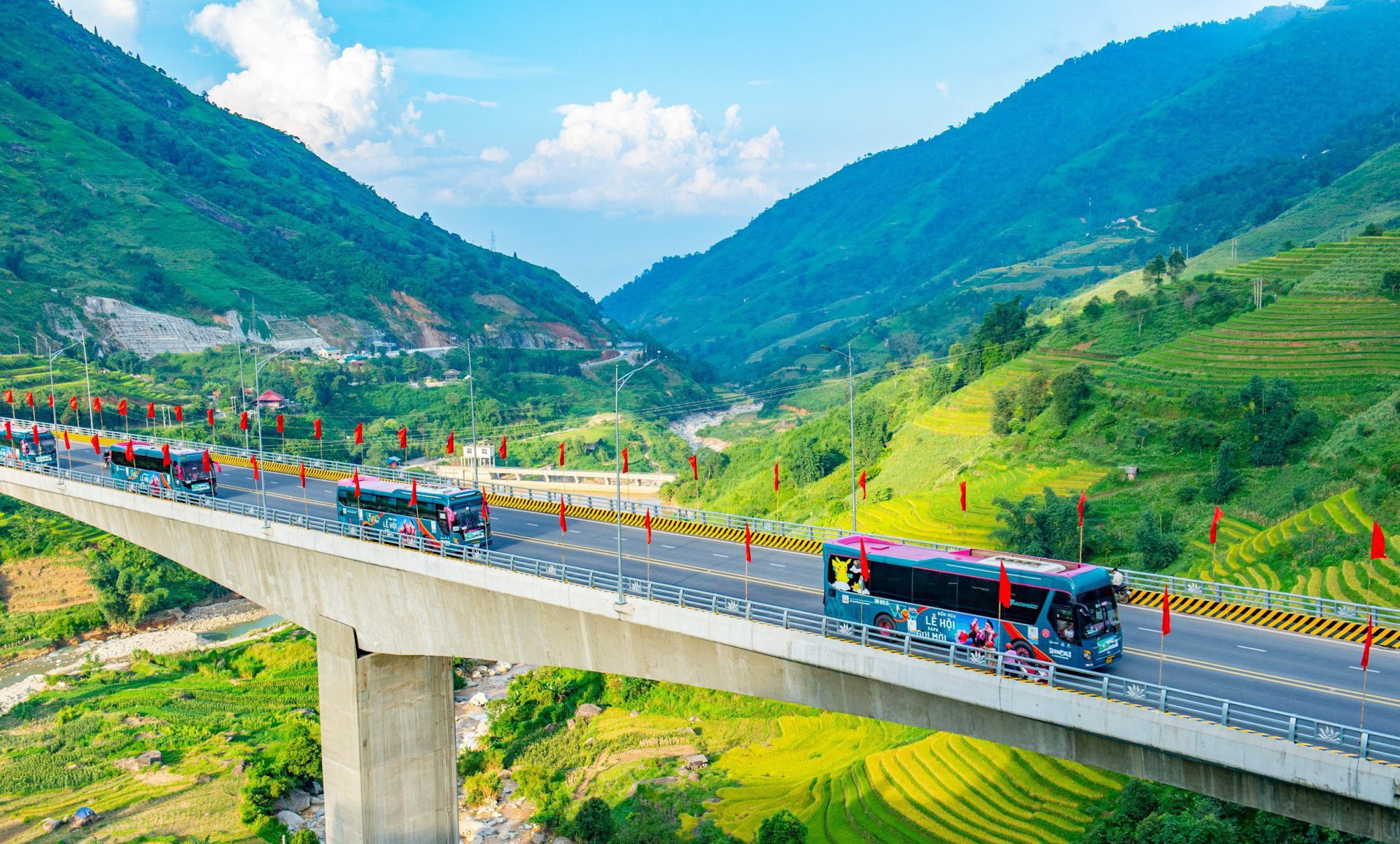
Northern tourists can conveniently travel to Sapa by coach or limousine bus
Additionally, the Hanoi – Lao Cai train is also a favorite choice for many tourists. The train journey offers a slow, safe experience, allowing you to enjoy the scenery along the way and rest comfortably. After arriving at Lao Cai station, tourists continue for about 30–40 km by taxi or bus to reach Sapa town.
For tourists from northern provinces such as Hai Phong, Quang Ninh, Bac Ninh, Thai Nguyen…, they can travel to Hanoi first and then continue their journey to Sapa by the above means. Some inter-provincial bus routes have also been expanded, making connections to Sapa increasingly convenient.
3.2. From Central and Southern Vietnam to Sapa
For tourists from Central and Southern Vietnam, the journey to **Sapa travel** usually begins by air. As Sapa does not have an airport, the most popular transit point is Hanoi.
From major cities such as Da Nang, Hue, Nha Trang, Ho Chi Minh City…, tourists will fly to Hanoi first. After landing, they can choose to continue to Sapa by limousine bus, sleeper bus, or train. Among these, limousines are preferred for their fast travel time, convenient services, and pick-up/drop-off at multiple points in the city.

Tourists from the Central and Southern regions can choose to fly to Hanoi and then combine with road travel to Sa Pa
Some tourists also choose to combine their itinerary: spending 1–2 days exploring Hanoi before continuing to Sa Pa. This method makes the trip lighter, while also gaining more experience of the capital's culture and cuisine before heading to the Northwestern mountains and forests.
Overall, whether starting from the North, Central, or South, the journey to Sa Pa is now quite convenient. Just choose the right means of transport, and you can easily start your Sa Pa tour and fully enjoy the beauty of this “misty town”.
4. Unmissable Experiences When Touring Sa Pa
Not only famous for its majestic mountain scenery, Sa Pa tours are also attractive for a series of practical experiences associated with nature, culture, and the lives of the local people. Here are the “must-try” activities to fully experience Sa Pa.
4.1. Conquer Fansipan Peak
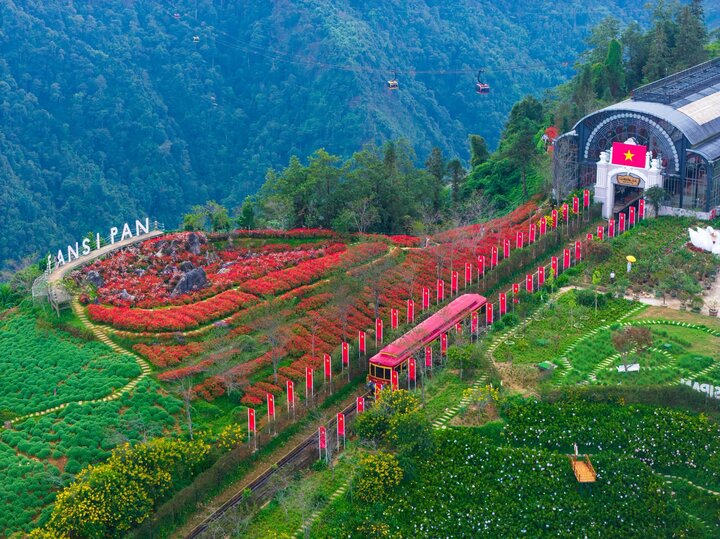
The most outstanding experience when touring Sa Pa is conquering Fansipan by Vietnam's most modern cable car system. Instead of trekking for many days as before, tourists now only take about 15–20 minutes to go from Muong Hoa valley to an altitude of nearly 3,000m.
The cable car route takes tourists across deep valleys, primeval forests, and overlapping mountain ranges. When the weather is nice, the cabin seems to “float” amidst white clouds, creating a feeling of flying in the sky. This is one of the most impressive moments of the Sa Pa journey.
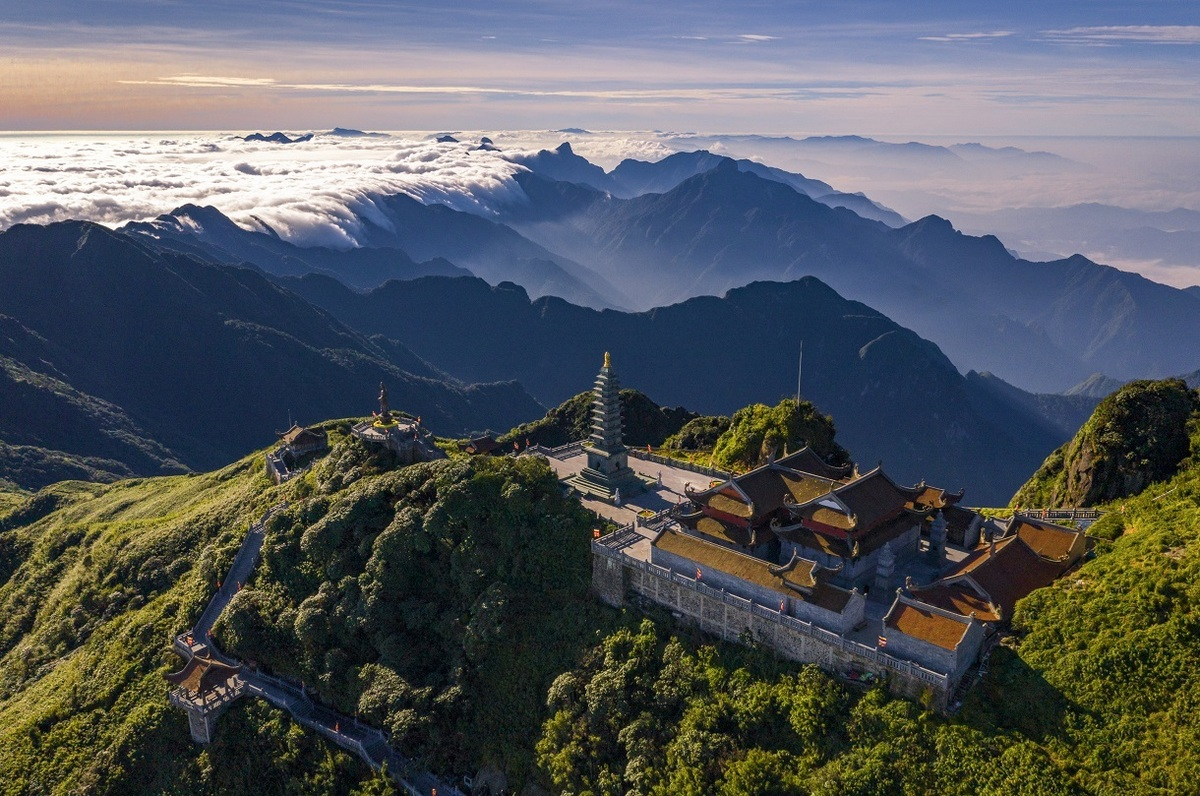
Magnificent spiritual complex on the peak of Fansipan
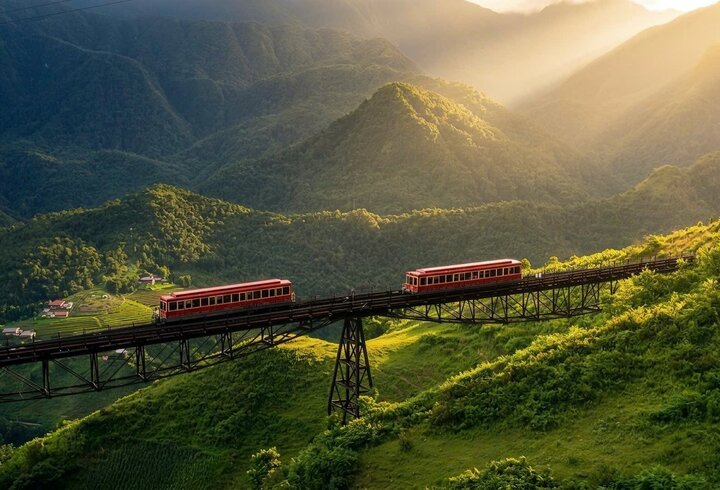
After descending from the cable car station, visitors continue their journey by mountain train or by walking through the staircase system. The scenery on both sides features flower gardens, miniature landscapes, and architecture in an East Asian style, creating the feeling of stepping into a miniature tourist-spiritual complex among the clouds.
At the summit, Fansipan is not just a check-in spot but also a vast spiritual complex. Visitors can visit structures such as a giant Buddha statue, pagodas, stupas, and meditation spaces nestled amidst the clouds and sky. The sound of temple bells, mountain winds, and drifting clouds create a very tranquil feeling, vastly different from the hustle and bustle of the city below.
4.2. Trekking Lao Chai – Ta Van
The trekking route from Lao Chai to Ta Van is one of the most beautiful and authentic journeys in Sa Pa.
Visitors will pass through Muong Hoa Valley with its endless terraced rice fields. Depending on the season, the scenery changes distinctly: the water-flooding season reflects the blue sky, the summer is lush green, and the autumn is as golden as a painting.
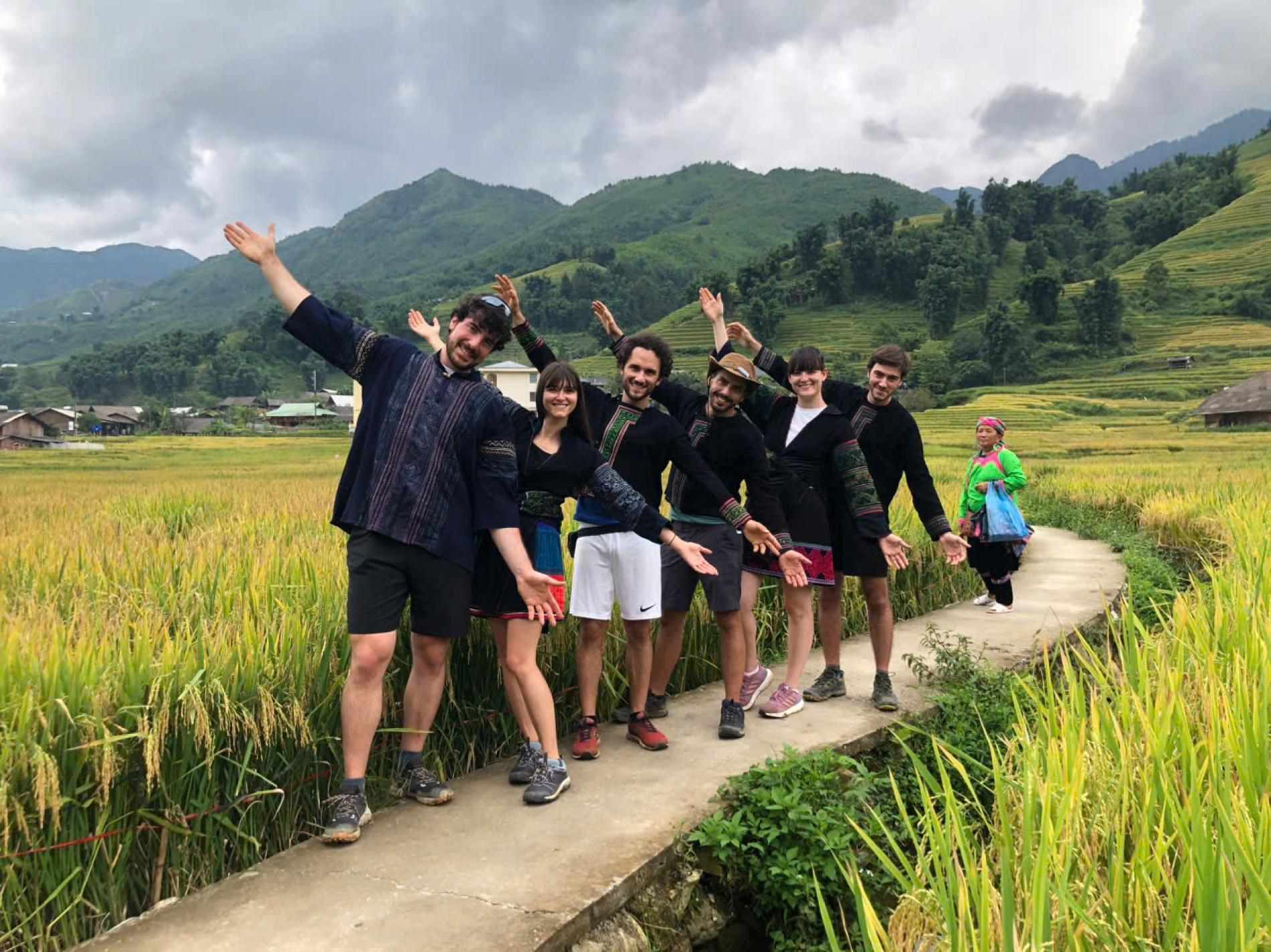
Foreign tourists enjoy experiencing ethnic villages and wearing traditional costumes
Along the way, tourists can stop at small villages of the Hmong and Giay people, observe daily life, chat with locals, or enjoy a simple meal at a local homestay. This is an experience that helps one clearly feel the slow pace of life in the highlands.
4.3. Cloud hunting at O Quy Ho Pass
O Quy Ho Pass is one of the most famous "four great passes" in Vietnam and a must-visit spot for cloud hunting when traveling to Sa Pa.
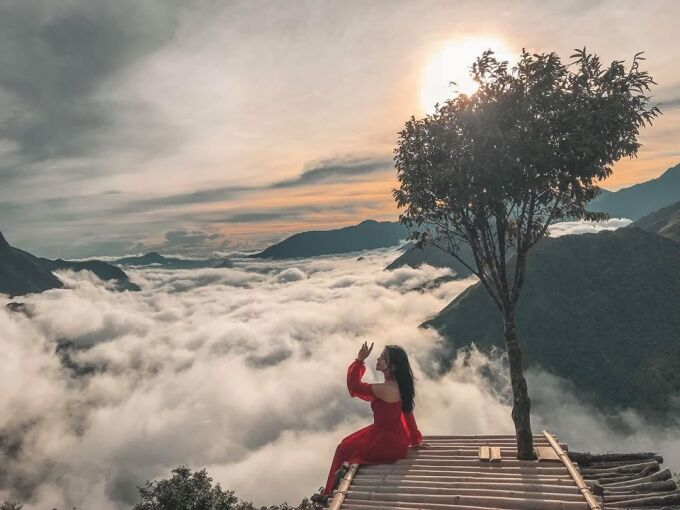
Tourists check in amidst the magical sea of clouds on the summit of O Quy Ho
In the early morning or after light rain, the entire mountain pass can be submerged in a dense sea of clouds. Clouds drift through the mountain layers, creating a scene that is both majestic and mystical. When the sun rises, light pierces through the clouds, forming very impressive beams of light.
Besides cloud hunting, this is also an extremely ideal check-in point with a panoramic view of the entire Hoang Lien Son mountain range, suitable for those who love photography and dramatic natural landscapes.
4.4. Experience bathing in Red Dao medicinal leaves
A very characteristic relaxing experience when traveling to Sapa is bathing in the medicinal leaves of the Red Dao people. This is a traditional health care method, using many types of forest leaves boiled according to a secret formula.
Soaking in a warm bath with herbal scents helps the body relax, reducing fatigue after a day of walking or trekking. The space is usually designed simply and cozily, bearing the strong imprint of local culture.
4.5. Stroll through Sapa market and enjoy night cuisine
Evenings in Sapa are always bustling with the central market and grilled food stalls. This is where tourists can best feel the rhythm of life in the town.
Popular dishes include grilled meats, grilled sticky rice in bamboo tubes (com lam), salmon hot pot, grilled corn, grilled sweet potatoes… All have rich flavors, suitable for the cool mountain weather.
The atmosphere of eating and chatting amidst the cold mountain streets creates a very "authentic Sapa" experience, leaving many tourists with lasting memories after their trip.
It can be said that traveling to Sapa is not just a sightseeing trip but a journey to fully experience the nature, culture, and highland lifestyle. Whether you come to Sapa for relaxation, exploration, or simply to escape the hurried pace of life, this small town always finds a way to make you want to return many more times.