















1. Introduction to Com Lam Sa Pa
1.1. Com Lam Sa Pa – essence of the Northwestern mountain cuisine
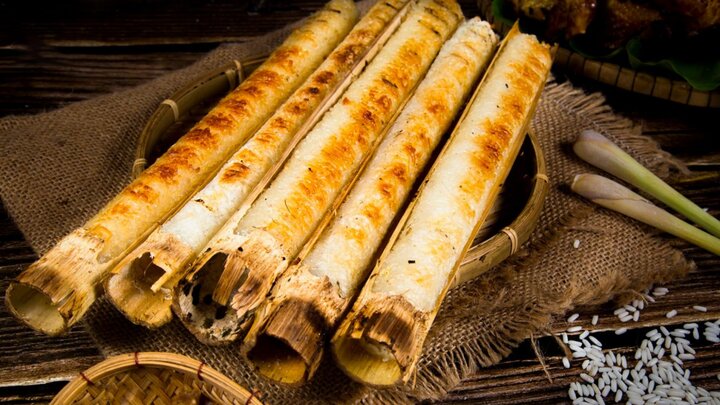
Com Lam Sa Pa is one of the typical traditional dishes of the ethnic minorities in the Northwestern highlands, closely associated with the local life and indigenous culinary culture. The dish is made from sticky rice – a fragrant, glutinous rice grown on terraced fields – put into bamboo or young bamboo tubes, mixed with clear spring water, then grilled directly over charcoal. Thanks to this unique cooking method, the rice grains are cooked evenly, soft and sticky, carrying the natural aroma of bamboo and the mountains.
Com lam (bamboo-tube rice) is a must-try delicacy when traveling to Sa Pa (Source: Collected)
More than just a dish, com lam also reflects the nature-close lifestyle of the highlanders. During long forest trips or festivals, com lam is a convenient, portable food source, filling and retaining the original flavor of sticky rice. Nowadays, Sa Pa com lam has become a familiar specialty, sought after by many tourists as a way to explore the local culinary identity.
1.2. Characteristic flavor and appeal to tourists
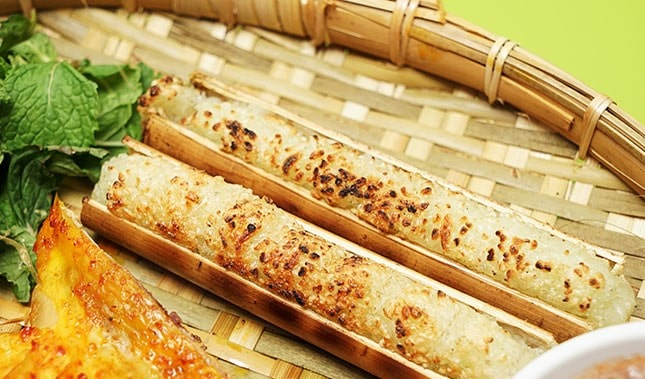
The charm of Sa Pa com lam lies in its simple yet refined flavor. When the charred bamboo peel is removed, the rice inside is white, sticky, fragrant, with the natural sweetness of mountain sticky rice blended with the characteristic scent of bamboo. Com lam is often eaten with sesame salt, grilled meat, mountain chicken, or lap xuong (Chinese sausage), creating a balance between nutty, fatty, and savory flavors.
For tourists, enjoying com lam is not only a culinary experience but also a way to feel the rhythm of life and culture of the Sa Pa people. In the chilly weather, holding a hot tube of com lam, savoring each sticky, fragrant bite brings a warm, intimate, and memorable feeling. It is this simplicity yet rich identity that makes Sa Pa com lam always on the list of "must-try" specialties when visiting this land.
2. Process and secrets for making authentic Sa Pa com lam
2.1. Selecting ingredients
To create the characteristic flavor of Sa Pa com lam, ingredient selection plays a crucial role. The rice used is usually mountain sticky rice, grown on high mountain slopes, with small, firm grains, yielding a moderately sticky texture and natural aroma when cooked. Before cooking, the rice is washed clean and soaked in water for a few hours to allow the grains to swell evenly, ensuring the rice cooks soft without being hard.
Hillside sticky rice is often used to make lam rice (Source: Collected)
Besides rice, young bamboo or rattan tubes are also key to the flavor. The tubes must be fresh, with the thin membrane inside to retain moisture and create a characteristic aroma when grilled. The water used to cook the rice is usually stream water or pure clean water, helping to preserve the natural sweetness of the rice without any impurities.
2.2. Traditional Lam Rice Cooking Method of the Locals
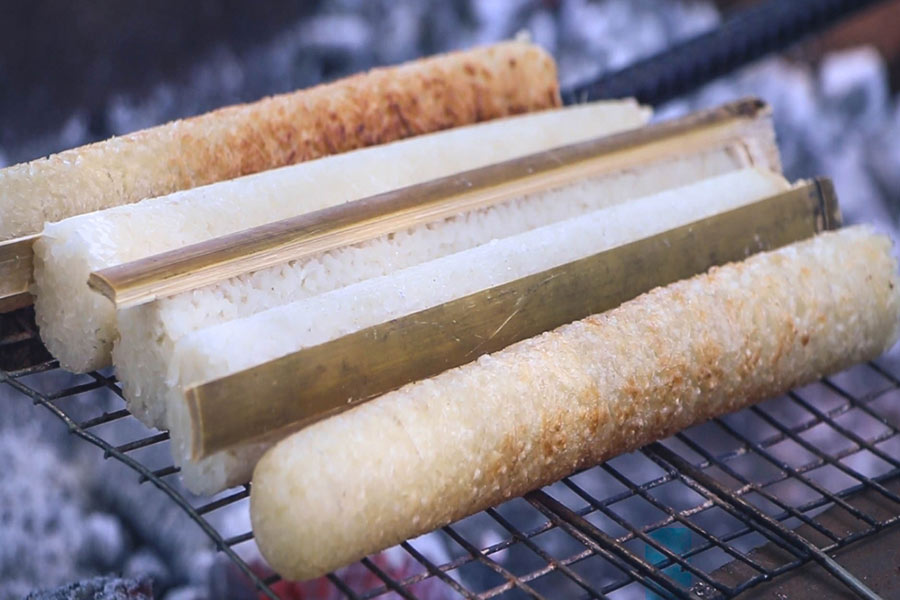
After preparing the ingredients, sticky rice is put into bamboo tubes, with just enough water added, then the opening of the tube is sealed with banana leaves or dong leaves. The rice tubes are placed directly over glowing charcoal and rotated by hand to ensure the rice cooks evenly without burning on one side. The grilling process usually lasts from 40–60 minutes, depending on the thickness of the bamboo tube and the amount of rice inside.
During the grilling process, the outer bamboo shell will char, releasing a characteristic aroma that gradually seeps into the rice grains. When the rice is cooked, the cook will remove the burnt shell, revealing the white, sticky rice inside. This is the step that creates the rustic yet unique flavor of Sa Pa lam rice.
2.3. Secrets to Keeping Lam Rice Sticky, Fragrant, and Moist
A crucial secret to achieving perfect Sa Pa lam rice is to measure the water correctly. If too little water is used, the rice will be dry and hard; if too much water is used, the rice will easily become mushy and lose its stickiness. Locals usually estimate the water level to just cover the rice, ensuring the sticky rice grains cook evenly and retain their natural softness.
Additionally, continuously rotating the bamboo tubes during grilling helps distribute heat evenly, preventing burning and allowing the rice to cook slowly. When peeling, it's important to keep the thin membrane close to the rice to retain moisture and aroma. Thanks to these simple yet refined secrets, Sa Pa lam rice always maintains its stickiness, fragrance, and unique, unmistakable flavor.
3. Top 5 Delicious Sa Pa Lam Rice Spots
3.1. Sapa TV Restaurant
Sapa TV Restaurant is one of the familiar culinary addresses for tourists visiting the misty town. The restaurant stands out with its spacious, clean ambiance and a rich menu of Northwestern specialties. The Sa Pa lam rice here is grilled evenly, with a lightly charred bamboo shell that releases a natural, very appealing aroma when peeled. The rice grains are sticky and soft, neither dry nor mushy.
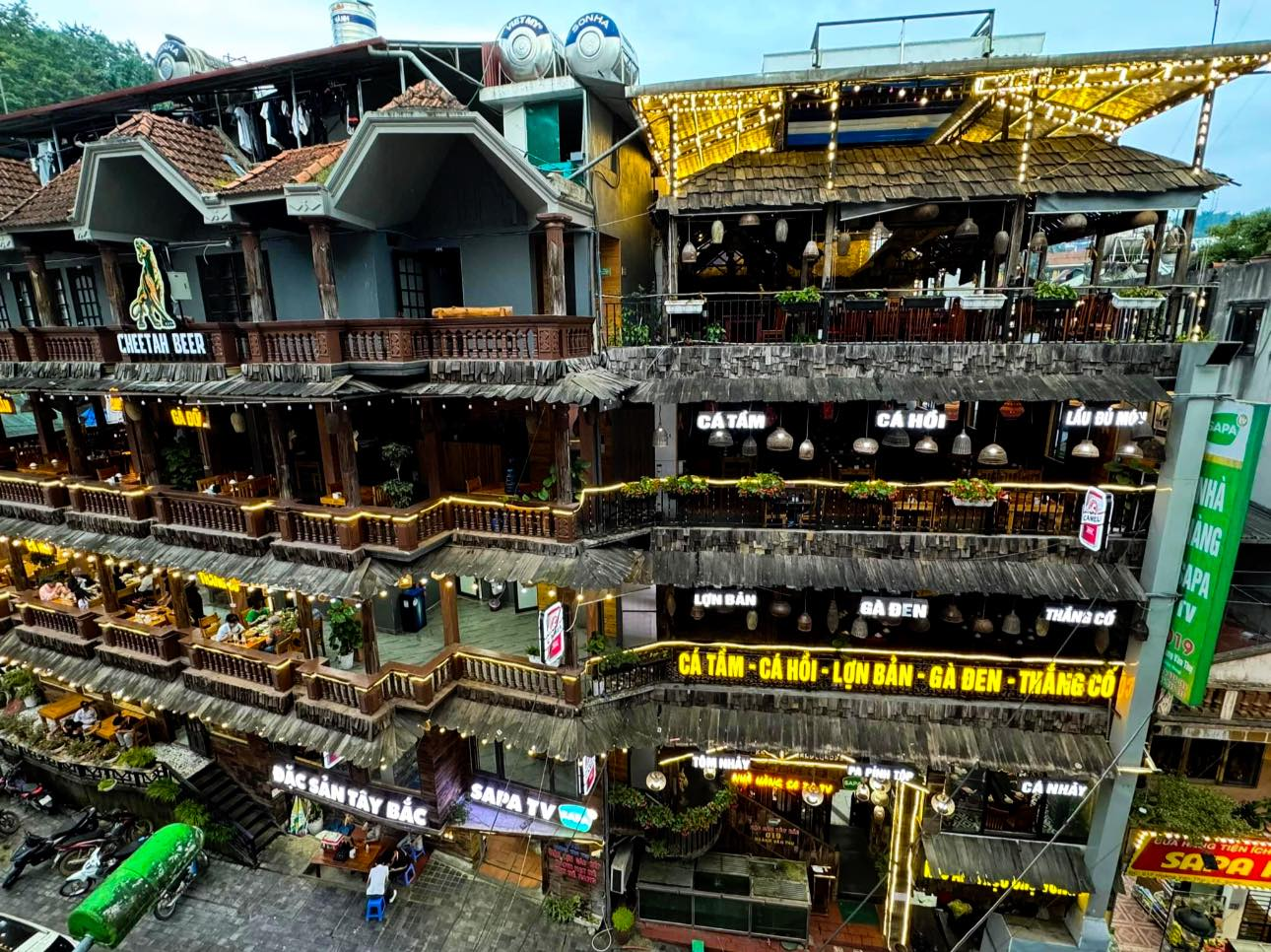
Sapa TV Restaurant is located in a prime central location (Source: Collected)
Diners often enjoy 'com lam' (bamboo-tube rice) with grilled meat, 'ga ban' (local chicken), or sesame salt to fully appreciate the sweet taste of highland sticky rice blended with the smoky aroma of the kitchen fire. Thanks to its consistent quality and prompt service, Sapa TV Restaurant is suitable for families, large groups, or anyone wanting to experience a complete local specialty meal in a comfortable setting.
3.2. Hai Lam Restaurant
Hai Lam Restaurant impresses with its unique presentation of dishes, especially the multi-colored 'com lam' naturally derived from forest leaves. The 'com lam Sapa' here still retains the chewy, fragrant characteristic of highland sticky rice, but is beautifully presented, making it very suitable for tourists who enjoy culinary experiences combined with photo opportunities.
The restaurant is located near the center, convenient for travel and easy to find. Besides 'com lam', Hai Lam also serves many local specialties such as stream fish, local pork, stir-fried wild vegetables, allowing diners to easily combine them into a diverse meal full of highland flavors.
3.3. Com Ban Sapa Restaurant
True to its name, Com Ban Sapa Restaurant offers a rustic, intimate space, recreating the daily life of the local people. The 'com lam Sapa' here is hand-grilled over charcoal, retaining the aroma of bamboo and the natural sweetness of sticky rice, creating a simple yet very appealing feeling.
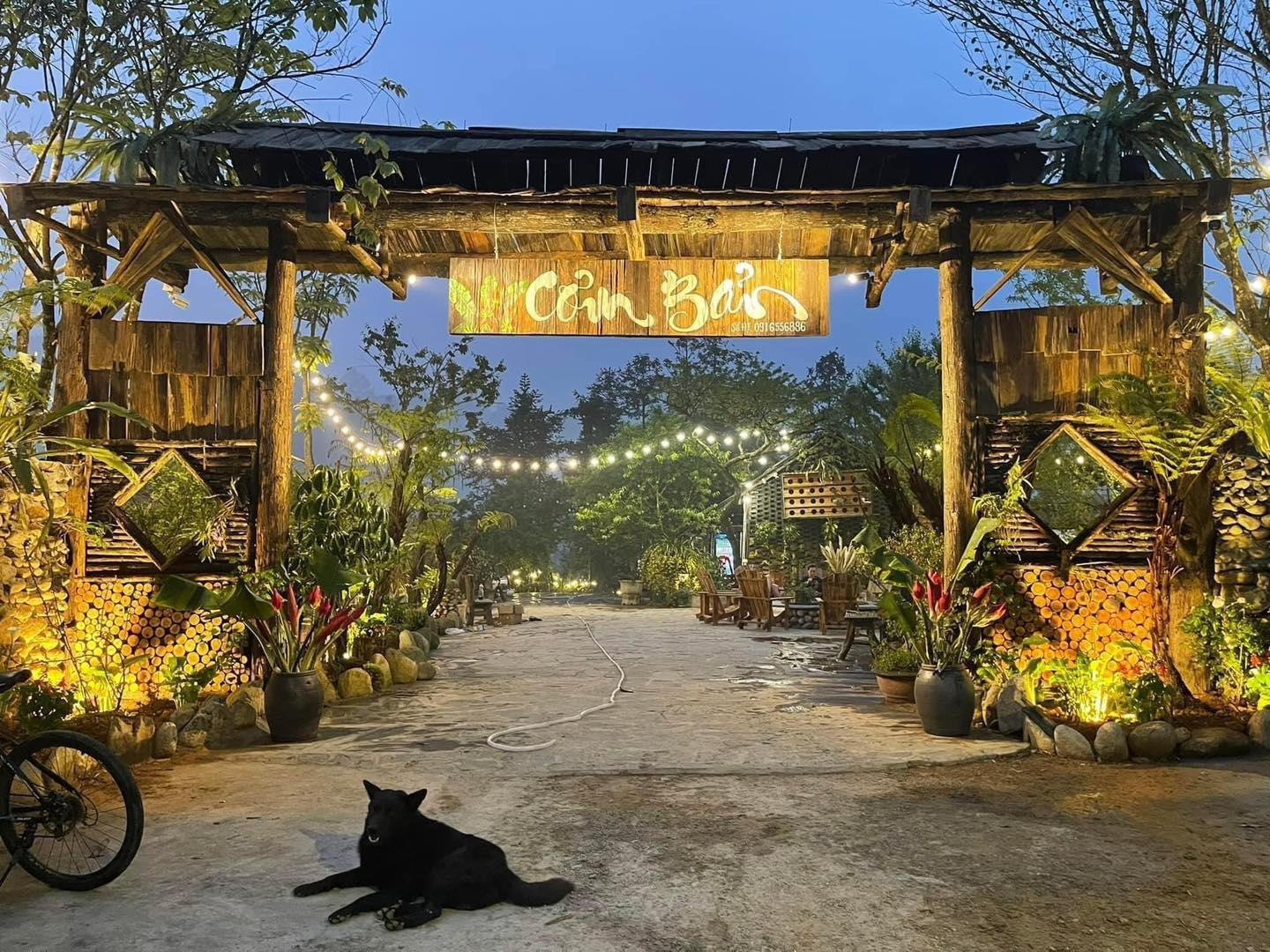
Rustic space at Com Ban Sa Pa Restaurant (Source: Collected)
The restaurant is suitable for tourists looking for an authentic, unpretentious yet mountain-essence culinary experience. Reasonable prices, moderate portions, easy to combine with other traditional dishes for a complete Northwestern meal.
3.4. Sang Meo Restaurant
Sang Meo Restaurant is highly rated by many tourists for its friendly service and cozy atmosphere. The com lam Sa Pa here has a moderate chewiness, and when eaten, you can clearly feel the natural aroma of sticky rice and grilled bamboo, which is very suitable to be eaten with grilled or stir-fried dishes characteristic of the highlands.
The restaurant is suitable for groups of friends, families, or couples who want to enjoy specialties while chatting in a gentle atmosphere. The diverse menu offers diners more choices, avoiding monotony when eating many traditional dishes at once.
3.5. Com Que Restaurant
Com Que Restaurant is an ideal destination for those who love simple, rustic cuisine. The com lam Sa Pa here is prepared in a traditional way, the rice is cooked evenly, the sticky rice grains are soft and chewy, with a light smoky aroma, bringing a familiar feeling like a countryside meal.
The affordable price, spacious environment, and quick service make the restaurant suitable for small groups or those who want a quick meal before continuing their sightseeing itinerary. This is also a suitable place to enjoy com lam combined with other rustic dishes of Sa Pa.
4. Tips and useful advice when enjoying com lam Sa Pa
To enjoy com lam Sa Pa with the right flavor, you should carefully observe the color and aroma of the rice. Delicious com lam usually has chewy, slightly glossy sticky rice grains, not mushy or dry. When the bamboo tube is opened, it emits a gentle aroma of bamboo mixed with the scent of mountain sticky rice. The outer bamboo shell is lightly charred, not excessively burnt. When eaten, the rice has a natural sweetness, and you can easily perceive the purity of the ingredients without needing elaborate seasoning.
Besides the quality of the food, hygiene and restaurant reputation are also very important. You should prioritize busy places with clean ingredient storage and tidy preparation areas. Avoid buying com lam that has been left out for a long time as it can become dry, reducing its chewiness and aroma. If possible, ask locals or hotel staff for recommendations on places selling fresh com lam Sa Pa daily to ensure safety and full flavor.
5. Suggested 1-day itinerary for visiting Sa Pa combined with enjoying com lam restaurants
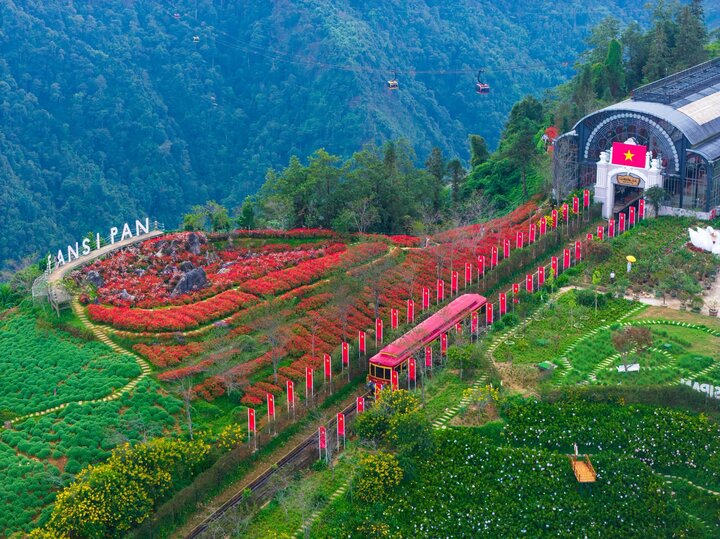
In the morning, you should start your journey by visiting the Sun World Fansipan Legend tourist area – the most prominent destination in Sa Pa. Traveling by cable car, you will admire the majestic panoramic view of the Northwestern mountains and forests, the floating sea of clouds, and the spiritual architectural complex on the peak of Fansipan. The fresh, cool air makes the visit relaxing, suitable for both families and groups of friends. After descending the mountain, you can visit cafes with beautiful views in the town to rest, take photos, and recharge.

Magnificent scenery on the Fansipan mountaintop (Source: Collected)
Noon is the ideal time to enjoy Com Lam Sa Pa at famous local restaurants. The fragrant sticky rice, served with grilled meat, free-range chicken, or wild vegetables, will help you fully experience the highland cuisine. Choosing a clean, crowded restaurant not only ensures the quality of the food but also gives you peace of mind about food safety and hygiene. This is also a time for you to rest gently before continuing your afternoon journey.
In the afternoon, you should spend time strolling around the center of Sa Pa town, visiting the Stone Church, the square, Sa Pa Lake, or famous check-in spots to feel the slow pace of life in the mountain town. If you have time, you can also buy local specialties as gifts such as brocade, forest tea, dried bamboo shoots, and apple wine. The chilly air combined with the misty mountain scenery creates a very characteristic feeling of Sa Pa.
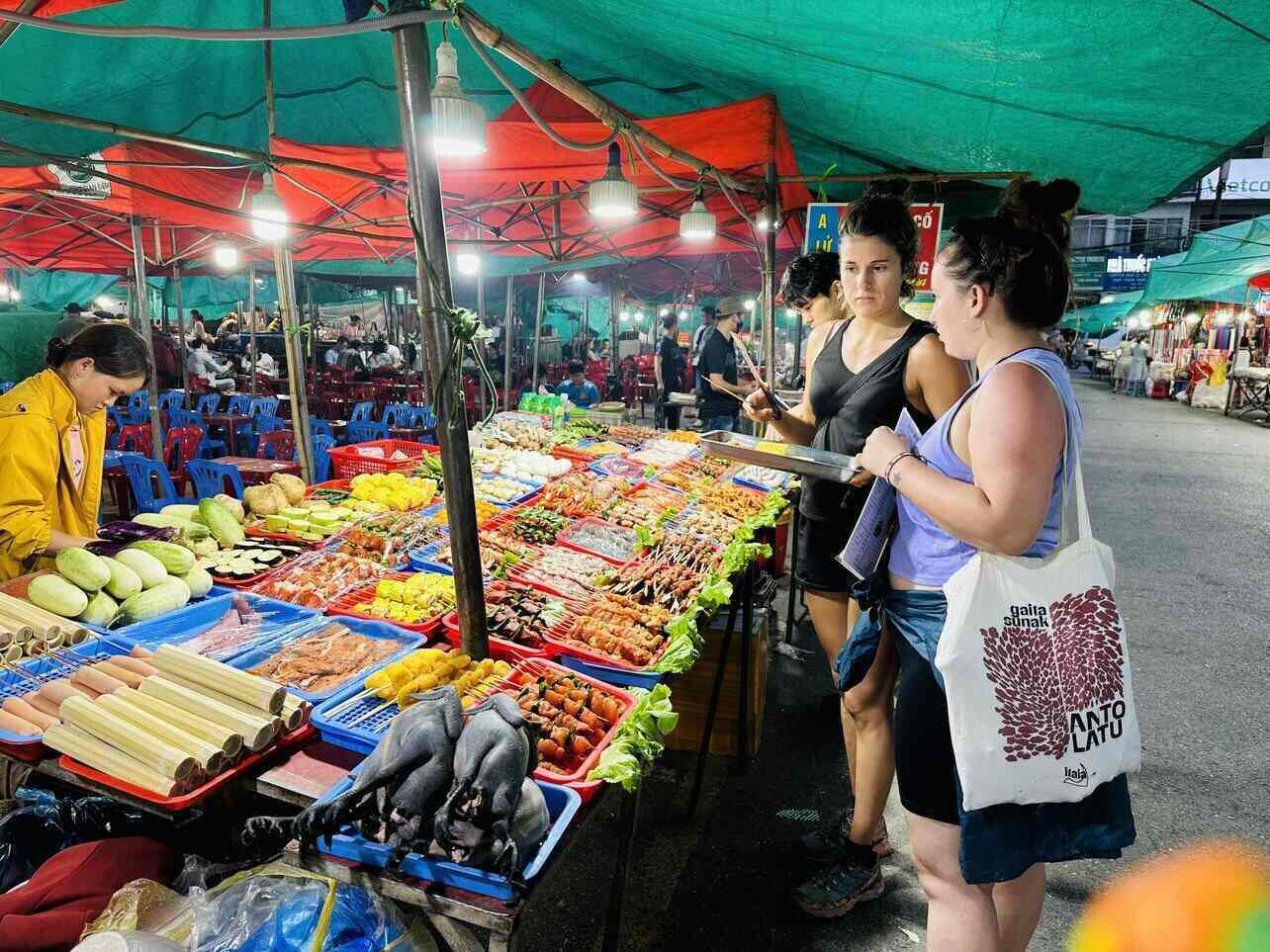
Visitors can stroll and snack at the Sapa night market (Source: Collected)
As night falls, continue your culinary experience at the night market or vibrant food streets. You can enjoy more hot grilled dishes, street food, or return to a familiar eatery for a light meal. Ending the long day with a cup of hot tea or coffee amidst the chilly weather will make the trip more complete and memorable.
Not just a rustic dish, Sapa's com lam is also a symbol of the highland culinary culture, encapsulating the flavors of the mountains in each fragrant grilled bamboo tube. If you have the chance to visit the misty land, don't forget to take the time to enjoy Sapa's com lam to clearly feel the essence of Northwestern cuisine and preserve memorable moments on your journey.