















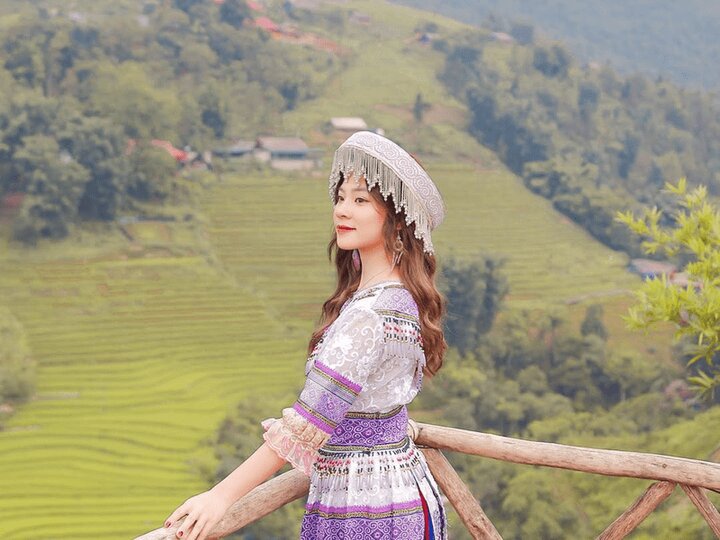
1. Sa Pa Travel Guide: Things to Know Before You Go
Located at an altitude of about 1,600 m above sea level, Sa Pa is one of the most attractive destinations in the Northwest region of Vietnam. This small town in Lao Cai province is famous for its cool climate year-round, majestic terraced fields, ethnic minority villages, and Fansipan peak – the "Roof of Indochina". Not only attracting nature lovers and explorers, Sa Pa is also an ideal resort destination for families, couples, and international tourists thanks to its increasingly developed system of hotels, resorts, and tourism services.
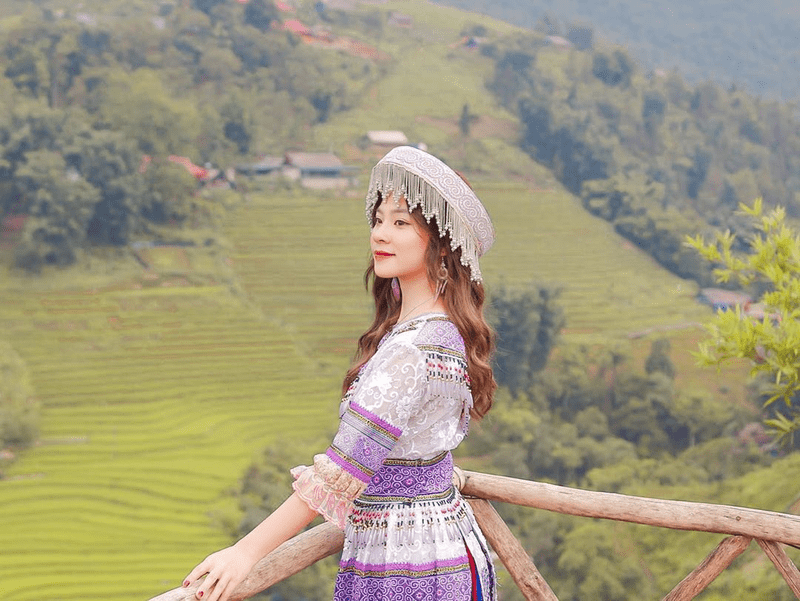
Tourists should consult Sa Pa travel guides before their trip to ensure a complete experience
If this is your first visit, a detailed Sa Pa travel guide will help you easily plan your trip. From choosing the best time of year, how to travel from Hanoi and other provinces, booking hotels, buying entrance tickets to suggesting suitable itineraries, all information needs to be prepared in advance to ensure the trip goes smoothly. Besides that, learning about the weather, geographical features, and local culture will also help you have more complete experiences when exploring the Northwest region.
In this Sa Pa travel guide, you will find a complete A-Z guide, including famous attractions such as Sun World Fansipan Legend, Cat Cat village, Muong Hoa valley, Sa Pa Stone Church, May village, or O Quy Ho pass; experiences of enjoying local specialties, choosing accommodation, transportation, and important notes for first-time visitors to Sa Pa. Whether you plan a self-guided tour, a weekend getaway, or a trip to conquer Fansipan, the following information will help you build a reasonable itinerary and fully enjoy the beauty of the "town in the mist".
2. How to travel to Sa Pa and transportation
2.1. How to travel to Sa Pa from Hanoi and other provinces
According to the Sa Pa travel guide, traveling to Sa Pa is much more convenient nowadays thanks to the increasingly complete transportation system. From Hanoi, tourists can choose limousine buses, sleeper buses, trains, or private vehicles depending on their budget and experience needs. With a distance of about 320 km, the travel time is only 5-6 hours via the Noi Bai – Lao Cai expressway, making Sa Pa an ideal destination for both weekend breaks and long trips.
Limousine buses are a popular choice for many tourists due to their fast travel time, spacious seats, and door-to-door pick-up service within Hanoi city. Meanwhile, sleeper buses are more economical, operating continuously day and night, suitable for those who want to rest on the bus and arrive in Sa Pa early in the morning to start their exploration journey.
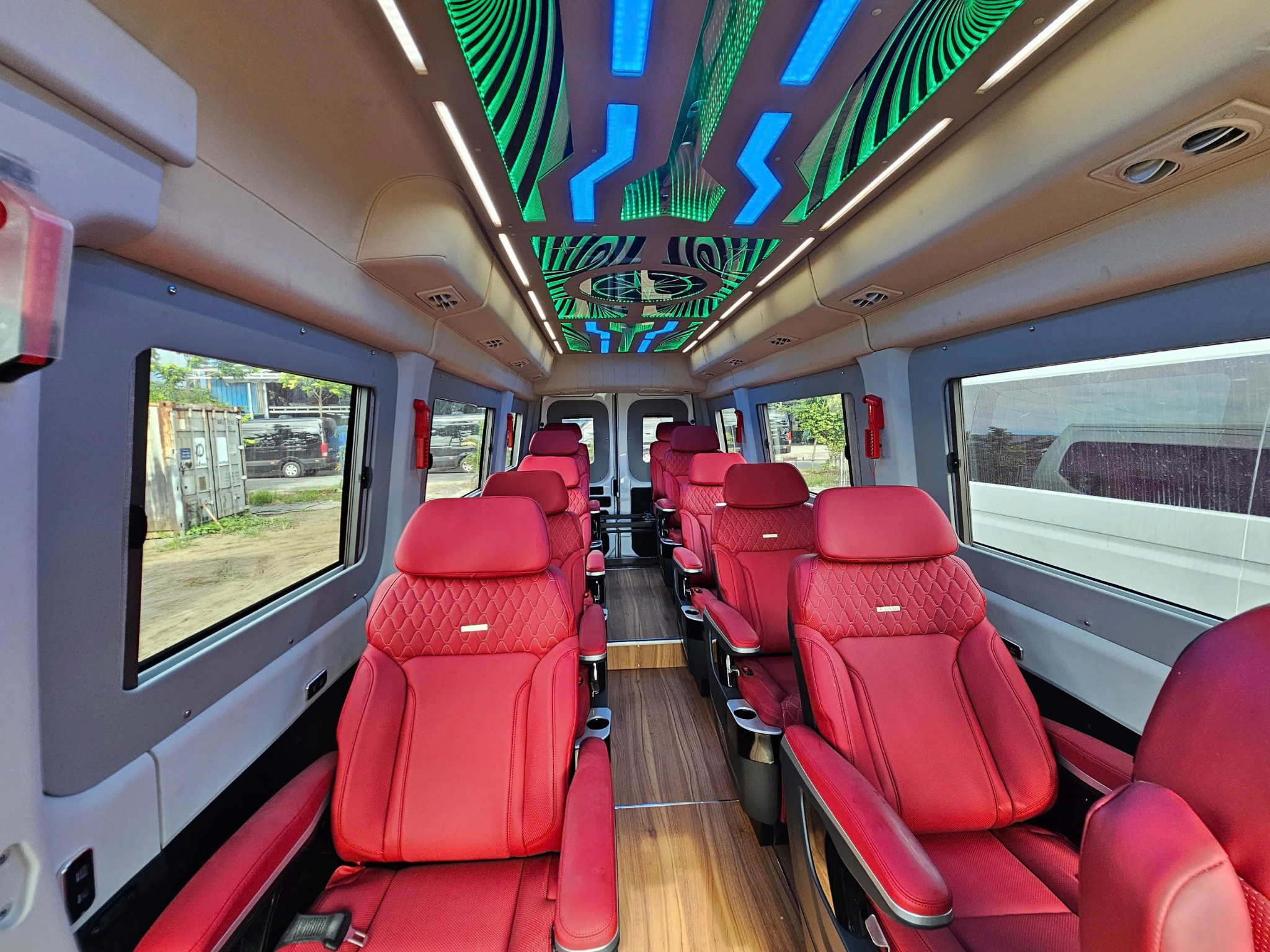
Limousine cars are chosen by many tourists for their privacy and fast travel.
If you want to experience sightseeing along the way, you can choose the Hanoi – Lao Cai train. The trains usually depart in the evening and arrive at Lao Cai station the next morning. From here, tourists continue to travel about 35 km by bus, taxi, or shuttle to reach the center of Sa Pa town. Although the journey is longer than by coach, the train offers a comfortable experience and less motion sickness, especially suitable for families with young children or the elderly.
For tourists coming from Ho Chi Minh City, Da Nang, or southern provinces, the most convenient option is to fly to Hanoi and then take a coach or limousine to Sa Pa. Alternatively, some tourists choose to fly to Dien Bien airport or nearby locations to combine with exploring the Northwest, however, the Hanoi – Sa Pa route remains the most popular and convenient choice according to the Sa Pa travel guide.
2.2. Transportation within Sa Pa
After arriving in the town center, the Sa Pa travel guide recommends tourists choose transportation suitable for their itinerary and the number of attractions. As tourist spots are located from a few hundred meters to over 20 km apart, having your own transportation will help you save time and be more flexible during your trip.
For attractions located within the center such as Stone Church of Sa Pa, Sa Pa Lake, Sun Plaza, Sa Pa Market, or the walking street, you can easily walk to experience the cool air and the rhythm of life in the misty town. If you need to travel further, taxis and electric cars are safe options, suitable for families or groups of friends, especially in rainy or foggy weather conditions.
For tourists who love exploring, renting a motorbike is a popular choice. The rental price is quite reasonable and allows you to proactively visit famous spots like Cat Cat village, Muong Hoa valley, Ta Van, Lao Chai, or O Quy Ho Pass. However, due to Sa Pa's terrain with many slopes and curves, you should only drive if you have experience riding on mountain passes and always adhere to traffic safety regulations.
3. Must-visit Destinations in Sa Pa
3.1. Conquer Fansipan – "The Roof of Indochina"
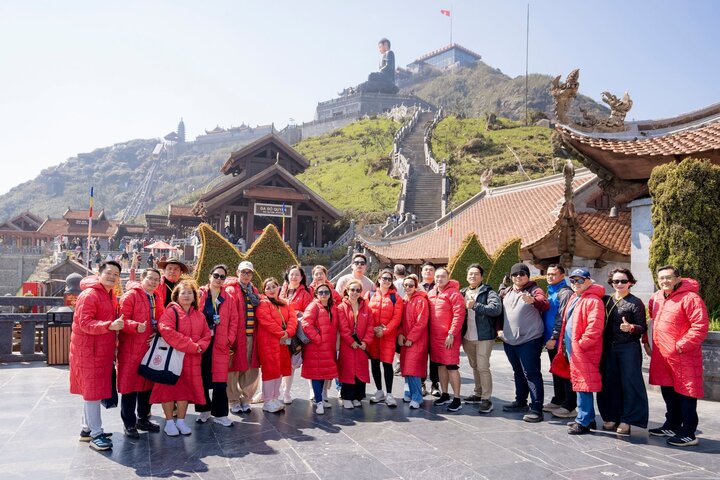
When mentioning the Sa Pa travel guide, Fansipan is always the top destination on the list of places to visit. With a height of 3,143 m, it is the highest peak in Vietnam and the Indochinese Peninsula, famous for its floating sea of clouds, the majestic scenery of the Hoang Lien Son mountain range, and a unique spiritual cultural complex. Today, thanks to the Sun World Fansipan Legend cable car system, conquering Fansipan takes only about 15–20 minutes instead of multi-day trekking as before.
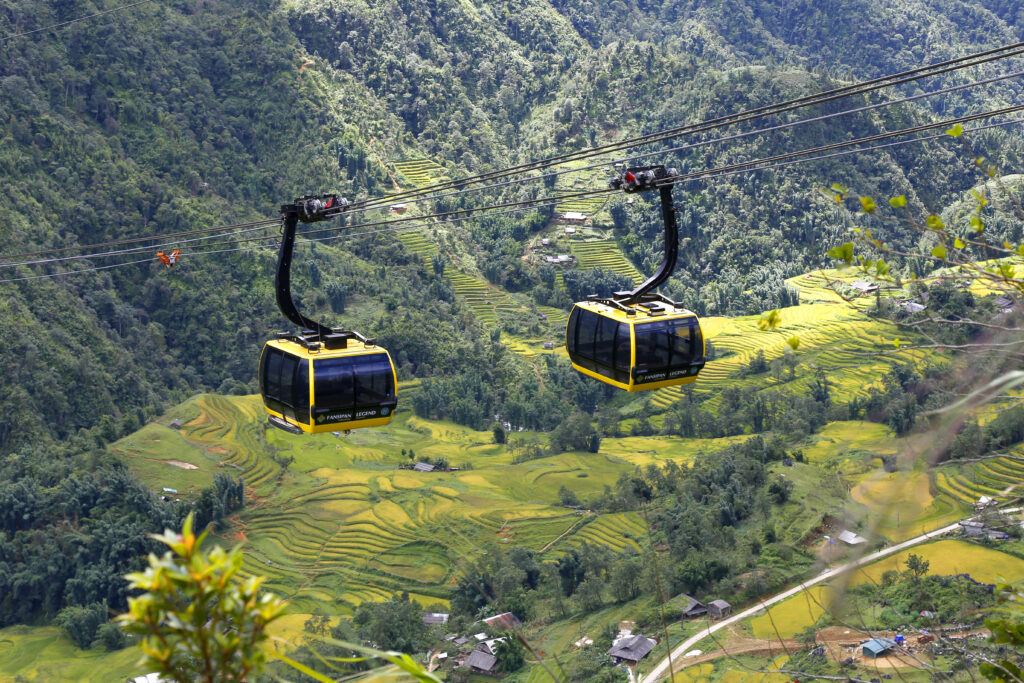
Visitors have the opportunity to admire the majestic natural scenery from the Fansipan cable car cabin
Not only is it a check-in point at the 3,143m milestone, Fansipan also offers many attractive experiences such as cloud hunting, exploring the Great Buddha Statue of Amitabha, Kim Son Bao Thang Pagoda, Bao An Zen Monastery, and the Arhat path. In spring, the entire area is covered with azalea flowers, while winter brings a mystical beauty with fog, frost, and occasional snowfall.
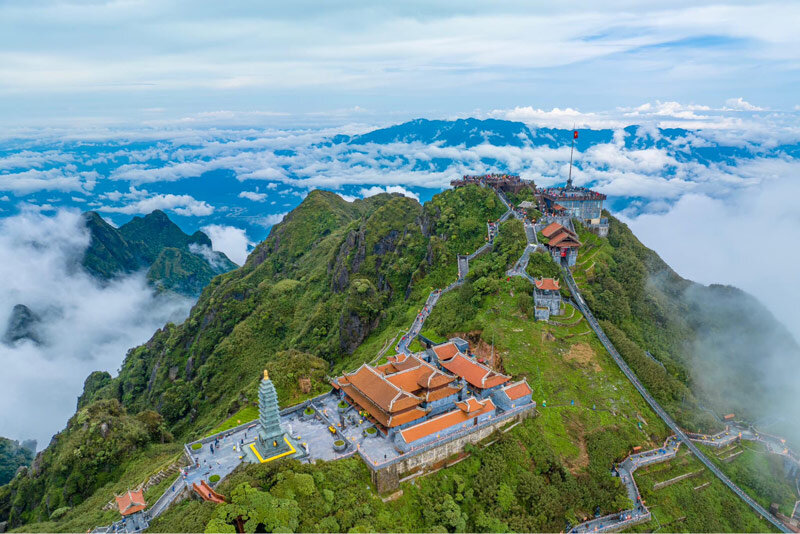
Beautiful natural scenery at Fansipan
Besides that, visitors can also experience the Muong Hoa mountain train from Sun Plaza to Hoang Lien cable car station, admire the panoramic view of Muong Hoa valley from above, and explore Ban May – a place that recreates the unique culture of the Northwest ethnic groups. This is a journey combining nature, culture, and relaxation that any Sa Pa travel guide would recommend visitors experience.
If you only have time to visit one place in Sa Pa, Fansipan is definitely the most worthwhile choice. You should spend at least half a day exploring the entire tourist area and fully enjoying the beauty of the "Roof of Indochina".
3.2. Cat Cat Village
A must-visit destination in the Sa Pa travel guide is Cat Cat village, located only about 2 km from the town center. This is one of the oldest villages of the H'Mong people, famous for its poetic mountain scenery, traditional wooden houses, and handicrafts such as brocade weaving, blacksmithing, and silver crafting.
Strolling through the village, visitors will admire the stone-paved paths, terraced fields, giant water wheels, Tien Sa waterfall, and many check-in spots imbued with the unique culture of the Northwest. Cat Cat village also frequently organizes folk art performances, recreating the dances, khèn tunes, and traditional customs of the H'Mong people.
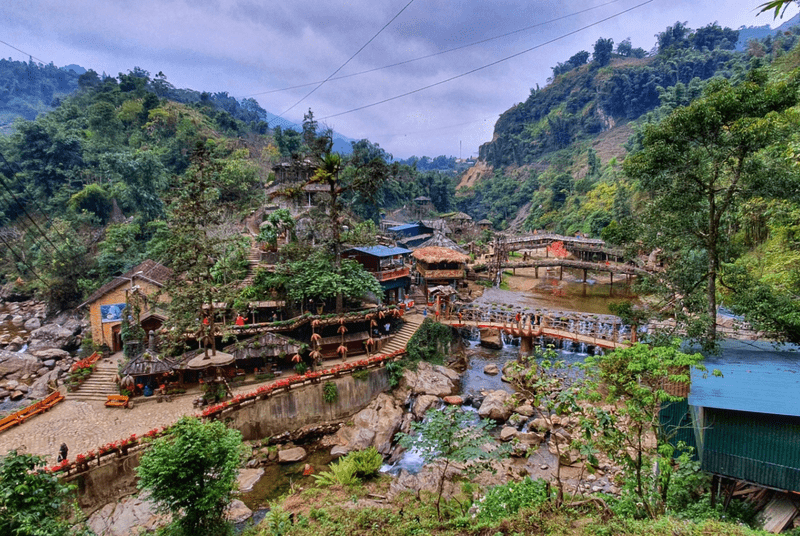
Peaceful beauty at Cat Cat Village
Besides sightseeing, visitors can rent ethnic costumes for photos, experience handicraft making, or enjoy local specialty dishes right in the village. The peaceful atmosphere and original cultural features make this place a favorite destination for many families and international tourists. According to the Sapa travel guide, the best time to visit Cat Cat village is in the morning or early afternoon when the weather is cool and the light is favorable for photography.
3.3. Muong Hoa Valley and ancient stone field
For nature lovers, the Sapa travel guide always suggests Muong Hoa Valley as a must-visit destination. Located about 8 km from the center of Sapa, this is a place famous for its winding terraced fields, the clear Muong Hoa stream, and the characteristic scenery of the Northwest mountains.
The special feature of Muong Hoa is the ancient stone field with hundreds of stones carved with mysterious characters and patterns dating back hundreds of years. To date, the origin and meaning of many carvings have not been fully deciphered, creating an attraction for tourists who love exploring history and culture.
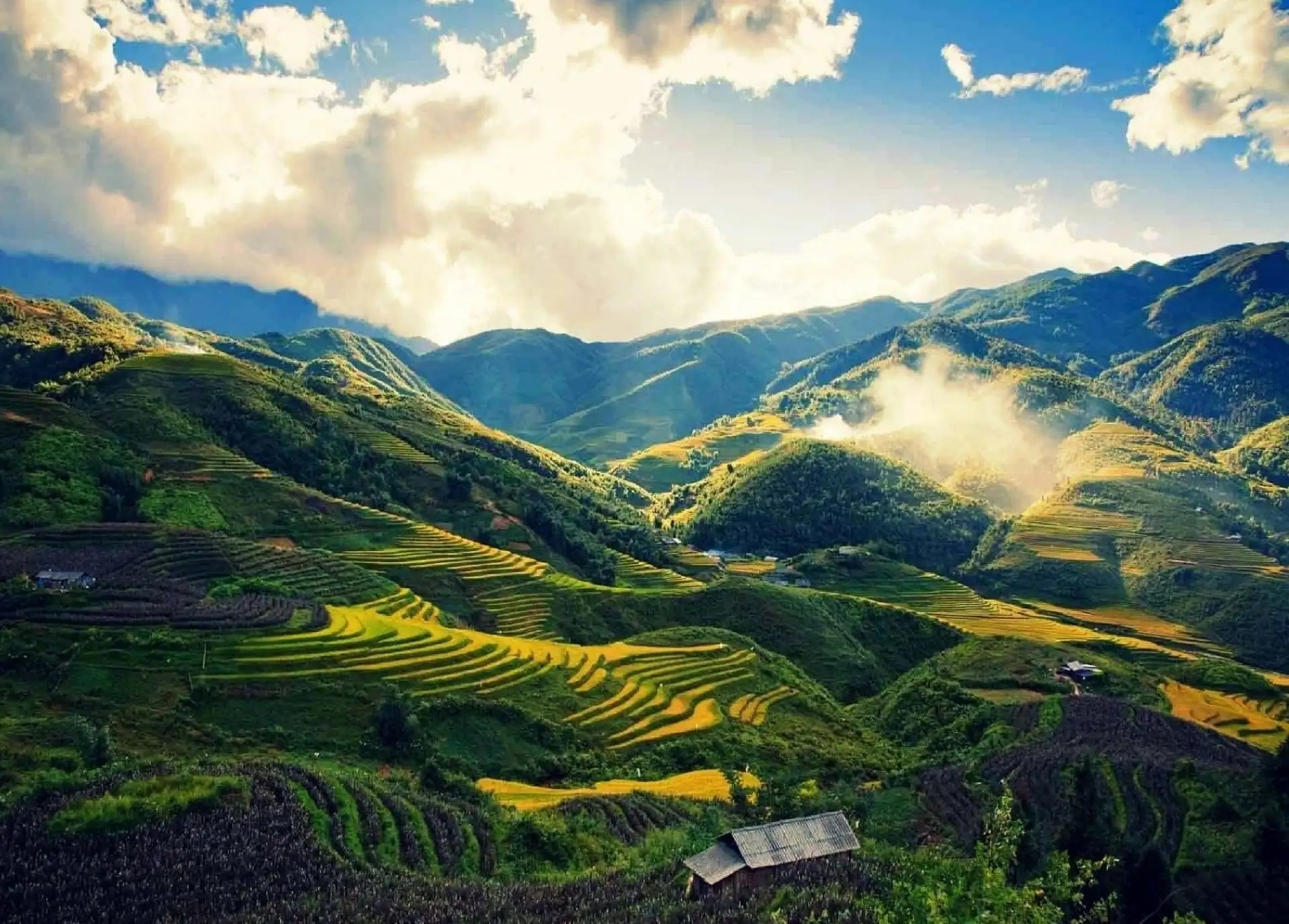
Picturesque scenery at Muong Hoa Valley
During the rice harvest season from September to October, the entire valley is dyed in brilliant yellow, creating one of the most beautiful scenes in Vietnam. This is also a place chosen by many domestic and international photographers to capture the beauty of the Northwestern terraced fields.
For a complete experience according to the Sa Pa travel guide , you should combine visiting Muong Hoa with Lao Chai and Ta Van villages on the same day to better understand the culture and life of the local ethnic people.
3.4. Sa Pa Stone Church and the center
Located right in the central square, the Stone Church is a symbol associated with the Sa Pa travel guide and is a stop for most tourists when they arrive in town. Built in the early 20th century in French Gothic architecture, the structure stands out with its stone walls, tiled roof, and ancient bell tower, creating a unique beauty amidst the Northwestern mountain scenery.
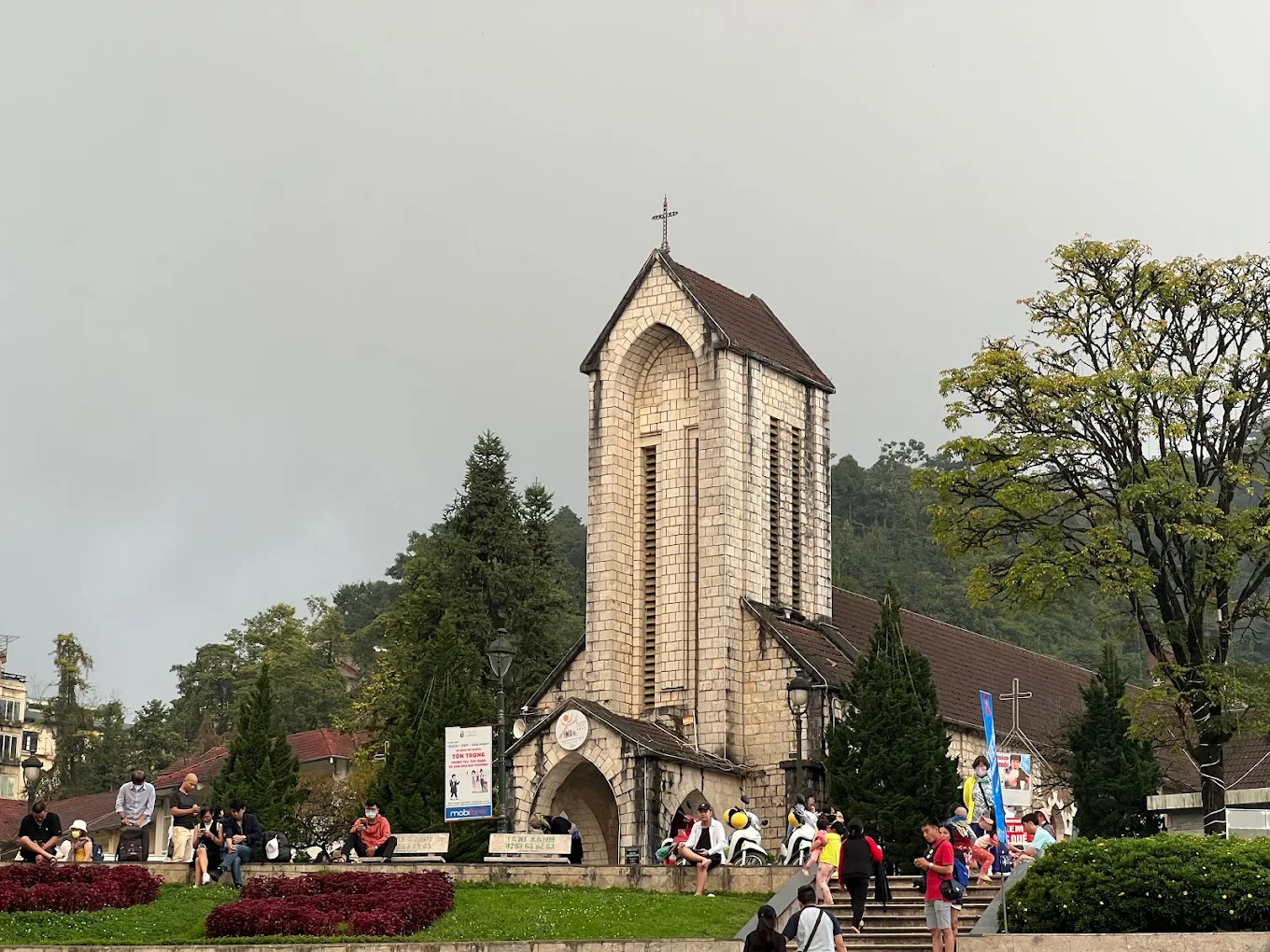
The Stone Church is one of the famous attractions right in the central area of Sa Pa
Around the Stone Church are the central square, Sa Pa Lake, Sun Plaza, pedestrian street, and night market – where many cultural activities, festivals, and events take place on weekends. In the evening, this area becomes vibrant with food stalls, souvenirs, local specialties, and street art performances.
This is also an ideal place to enjoy coffee, watch the town's life in the mist, or buy brocade products, tea, dried shiitake mushrooms, mac khen pepper, and many other Northwestern specialties as gifts. Thanks to its central location, visitors can easily combine visiting many places in just one morning. According to the Sa Pa travel guide, you should visit the Stone Church early in the morning for photos when there are few people, or in the evening to feel the sparkling beauty of the central square in the lights.
3.5. O Quy Ho Pass
If you love majestic routes, the Sa Pa travel guide recommends not to miss O Quy Ho Pass. With a length of nearly 50 km, connecting Lao Cai and Lai Chau, this is one of the famous "four great passes" of Vietnam and is known as the most beautiful scenic route in the Northwest.
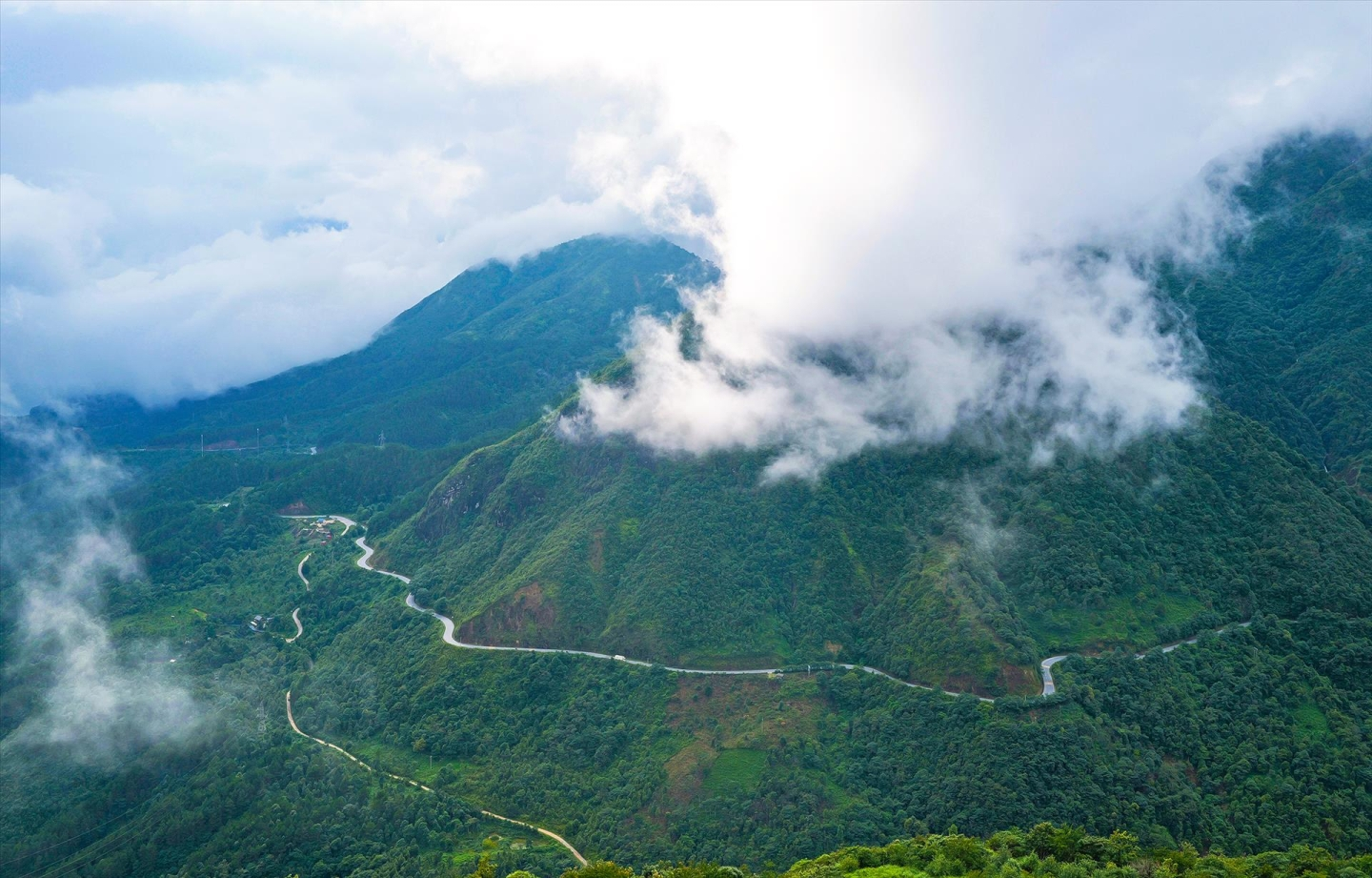
O Quy Ho Pass is renowned as one of the four great mountain passes of Vietnam
From the top of the pass, visitors can cast their eyes over the Hoang Lien Son mountain range, the sheer cliffs, and the vast green valleys. On clear days, the sunrise or sunset scenery on the pass creates an incredibly spectacular natural painting, attracting a large number of tourists and photographers. On the way to O Quy Ho, you can also stop at Silver Waterfall (Thac Bac), Love Waterfall (Thac Tinh Yeu), or Heaven's Gate (Cong Troi) to rest and take photos. These are all famous attractions, contributing to a journey of diverse natural exploration around Sa Pa.
To ensure safety, the Sa Pa travel guide recommends only conquering the pass by motorbike or car when the weather is dry, visibility is good, and the driver has experience navigating mountain passes. This will be a memorable experience for those who love exploring the majestic beauty of the Northwest region.
4. What to eat and where to stay when traveling to Sa Pa?
After a day of exploring nature, conquering Fansipan, or visiting ethnic villages, choosing accommodation and enjoying local cuisine will make the trip more complete. According to the Sa Pa travel guide, the town has a diverse system of hotels, resorts, and homestays, meeting all needs from high-end resorts to budget-friendly independent travel. Besides, the Northwestern cuisine with its rich and distinctive dishes is also one of the reasons why many tourists want to return to Sa Pa multiple times.
4.1. Where to stay when traveling to Sa Pa? Suggested hotels and resorts
According to the Sa Pa travel guide, if convenience for sightseeing and travel is a priority, you should choose a hotel in the town center. This area is home to most famous tourist attractions such as Sa Pa Stone Church, Sa Pa Lake, night market, Sun Plaza, and the Muong Hoa mountain railway station to Fansipan. Staying in the center allows you to easily explore Sa Pa on foot, as well as conveniently enjoy local cuisine and experience the bustling nightlife.
For those who love luxury resorts, Hotel de la Coupole – MGallery Sa Pa is one of the most outstanding hotels. Designed by architect Bill Bensley, the hotel impresses with its Indochinese style combined with French fashion of the 1920s-1930s, creating a luxurious and unique space. Notably, the hotel is located within the Sun Plaza building and directly connects to the Muong Hoa mountain railway station, allowing guests convenient access to Sun World Fansipan Legend. In addition to its high-class rooms, MGallery also boasts an indoor heated pool, spa, restaurant, and bar with beautiful views overlooking the Hoang Lien Son mountain range.
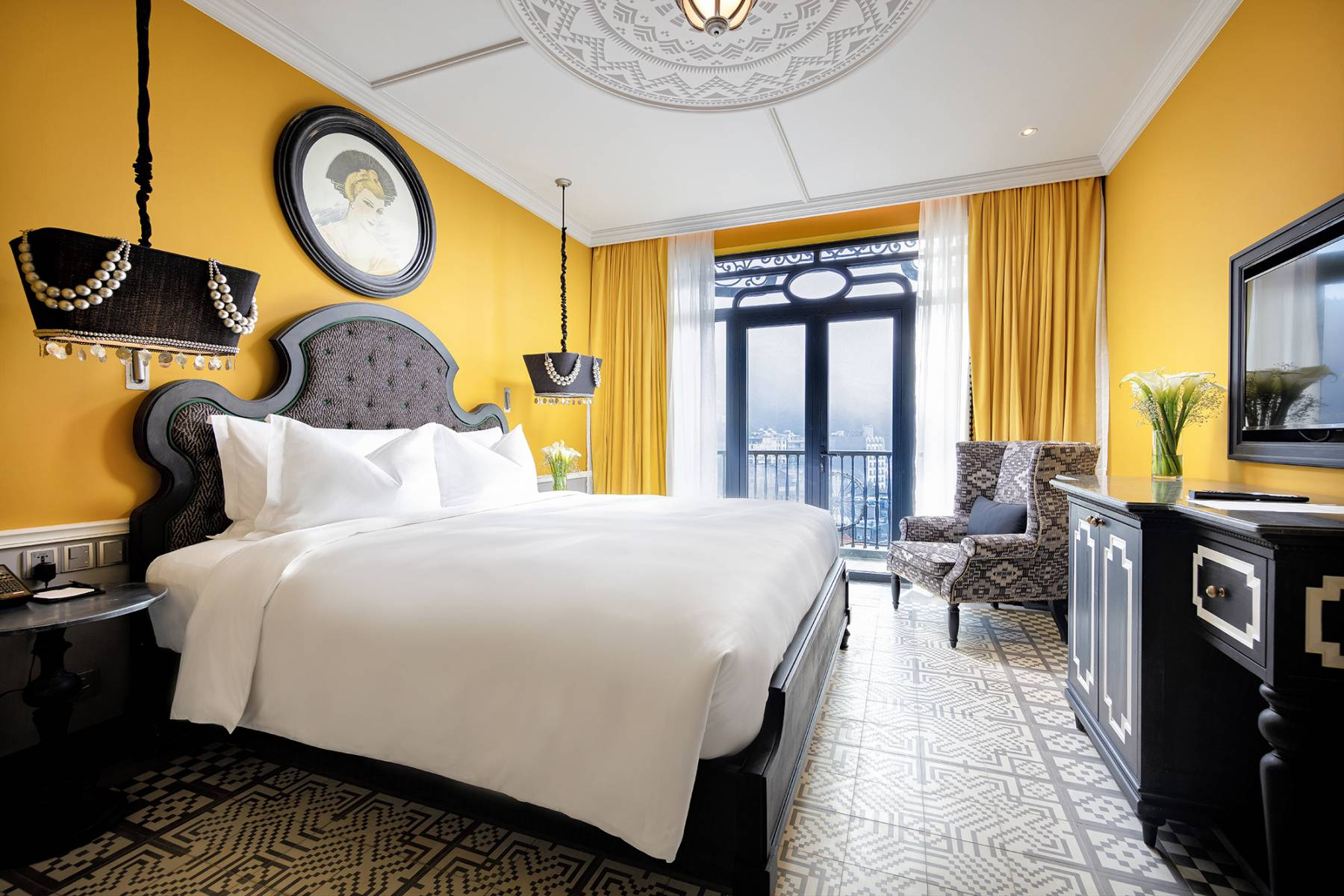
Luxurious and mountain-view rooms at Hotel de la Coupole
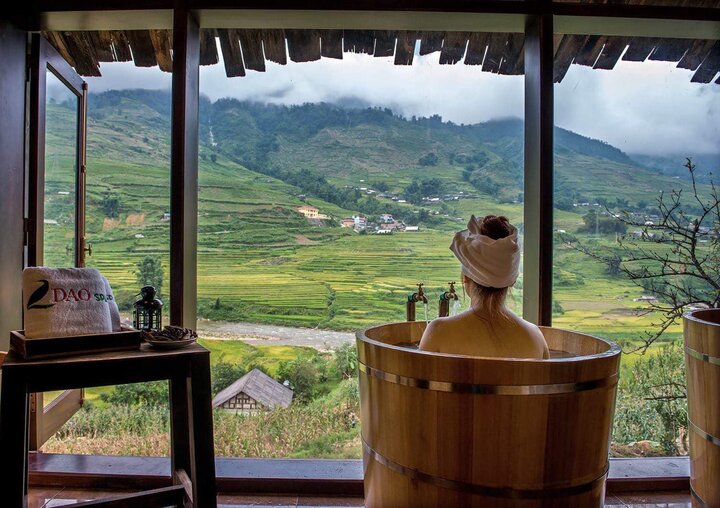
If you want to immerse yourself in nature, the Sa Pa travel guide also suggests resorts and homestays in the Lao Chai, Ta Van areas or Muong Hoa valley. These places offer a quiet atmosphere, views of terraced fields and mountains, very suitable for couples, families, or those who want to relax and escape the hustle and bustle of the town center.
To have more choices and good prices, you should book rooms 2–4 weeks in advance, especially during the ripe rice season, cloud hunting season, flower season, or holidays and Tet. This is an important experience in the Sa Pa travel guide to help you save costs and be more proactive in your itinerary.
4.2. What to eat when traveling to Sa Pa?
An indispensable part of the Sa Pa travel guide is exploring the local cuisine. The cool climate year-round and the rich ingredients from the mountains and forests have created many dishes with the unique flavors of the Northwest. After a sightseeing journey, enjoying hot dishes amidst the chilly weather will be an experience that makes the trip more memorable.
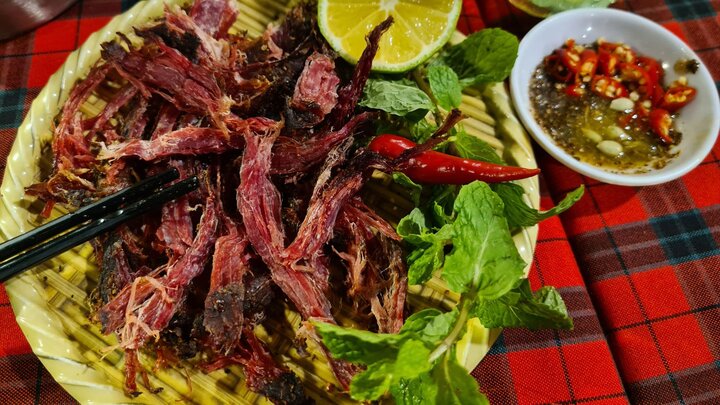
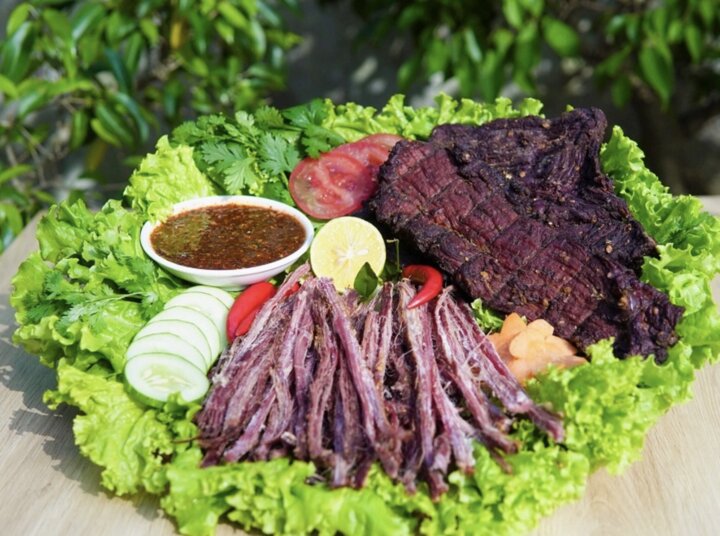
Famous specialties you should try include salmon hot pot, sturgeon hot pot, thang co, grilled wild boar, black chicken, smoked buffalo meat, sticky rice cooked in bamboo tubes, five-colored sticky rice, wild vegetables such as chayote leaves, chayote, and grilled dishes at the Sa Pa night market. These are all dishes associated with the culinary culture of the ethnic minorities in the highlands and are loved by many tourists.
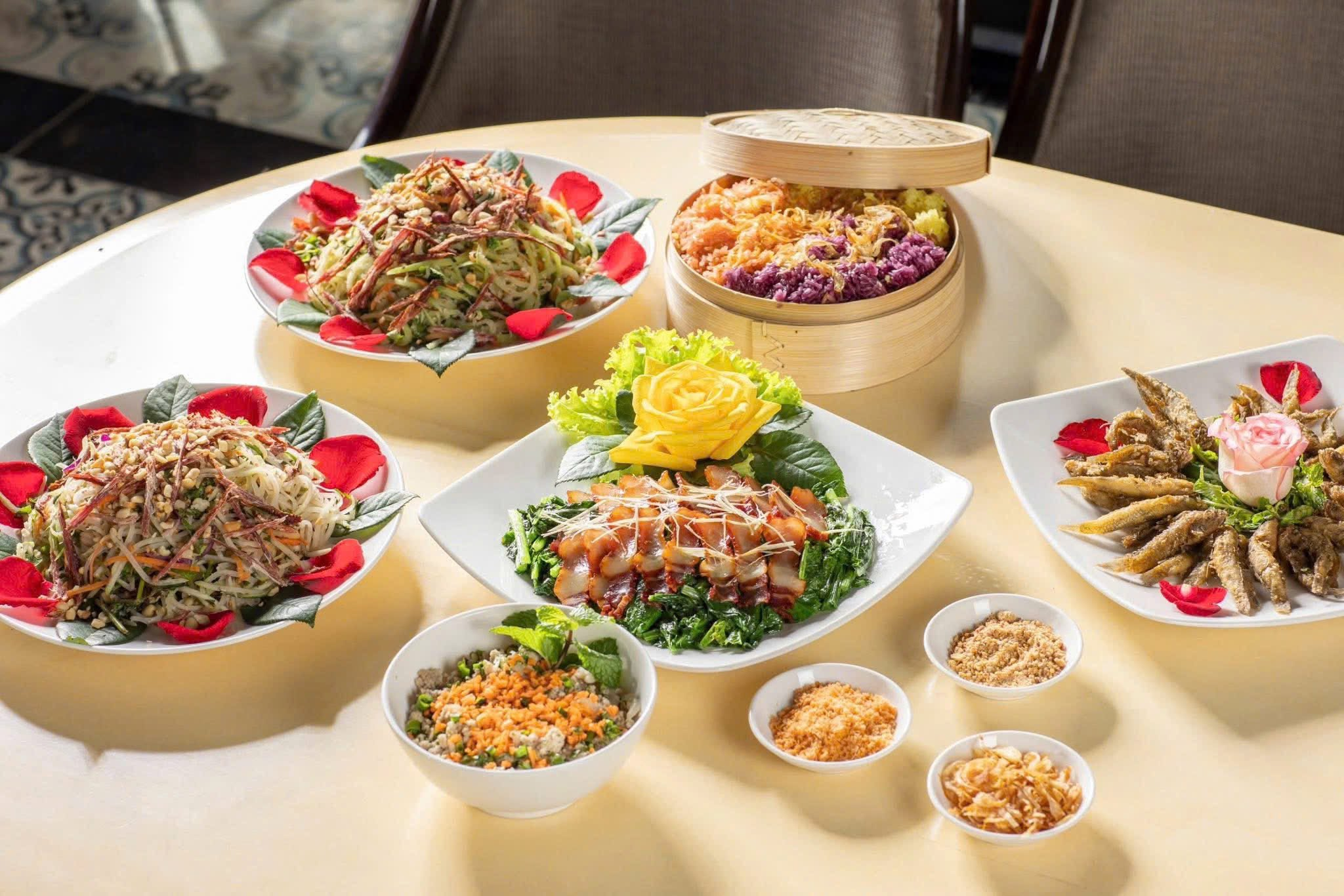
Attractive Tay Bac specialty dishes at Van Sam buffet restaurant
If you plan to conquer Fansipan, the Sa Pa travel guide recommends you experience the Van Sam Buffet at Sun World Fansipan Legend. The restaurant is located right at the Hoang Lien cable car station, serving a buffet with dozens of dishes from Tay Bac specialties to Asian – European dishes, suitable for both families and groups. This is an ideal choice to recharge before heading to the top of Fansipan or to rest after your exploration journey.
According to the Sa Pa travel guide, take time to explore both traditional cuisine in the center and restaurants at Sun World Fansipan Legend. The combination of natural scenery, highland culture, and characteristic dishes will bring a more complete Sa Pa exploration journey.
Hopefully, the Sa Pa travel guide above will help you easily plan your trip to the misty town, from choosing the right time, transportation, accommodation to sightseeing and culinary experiences. Whether you love cloud hunting on the Fansipan peak, exploring highland villages, admiring terraced fields, or simply enjoying the fresh air of the Tay Bac mountains, Sa Pa always has experiences suitable for every traveler.
With the suggestions in the Sa Pa travel guide, we hope you will have a memorable journey, capturing beautiful moments amidst the majestic nature of the Hoang Lien Son mountain range and fully exploring the cultural beauty, people, as well as the unique cuisine of the Tay Bac region. We wish you a trip to Sa Pa full of experiences and emotions.