















1. Overview of the Sa Pa – Mu Cang Chai 3 Days 2 Nights Itinerary
The Sa Pa – Mu Cang Chai 3 days 2 nights itinerary is a perfect suggestion for those who want to fully enjoy the beauty of the Northwest mountains and forests without being too rushed. With a 3-day, 2-night timeframe, visitors can leisurely explore the natural scenery, experience local culture, and conquer some of the most famous mountain passes in the North.
Compared to short trips, the Sa Pa – Mu Cang Chai 3N2Đ journey offers a more relaxing experience, reducing the pressure of constant travel. This is a suitable choice for both independent travel and family trips, or for groups of friends who love nature and wish to capture memorable moments in the Northwestern highlands.
1.1. Why Choose the Sa Pa – Mu Cang Chai 3 Days 2 Nights Itinerary?
The appeal of the Sa Pa – Mu Cang Chai 3 days 2 nights itinerary lies in the balance between travel time and experience. With a total distance of about 159km, the trip takes visitors through many beautiful mountain passes, notably O Quy Ho Pass and Khau Pha Pass, which embody the majestic and wild beauty of the Northwest mountains and forests.
An average travel time of 4–5 hours per leg is not just a journey connecting destinations but also an opportunity to admire highland villages, terraced fields stretching along mountain slopes, and deep valleys hidden in the clouds. With a 3-day, 2-night itinerary, you have more time to stop, rest, and fully enjoy every moment along the way.
1.2. The Unique Charm of Sa Pa and Mu Cang Chai
Sa Pa is a famous tourist town in Lao Cai province, located at an altitude of about 1,650m above sea level. Thanks to its cool climate year-round, Sa Pa is always an ideal destination for escaping the heat and for relaxation. It impresses visitors with its majestic mountain scenery, gentle terraced fields, and the diverse cultural life of the H'Mong, Dao, Tay ethnic groups…
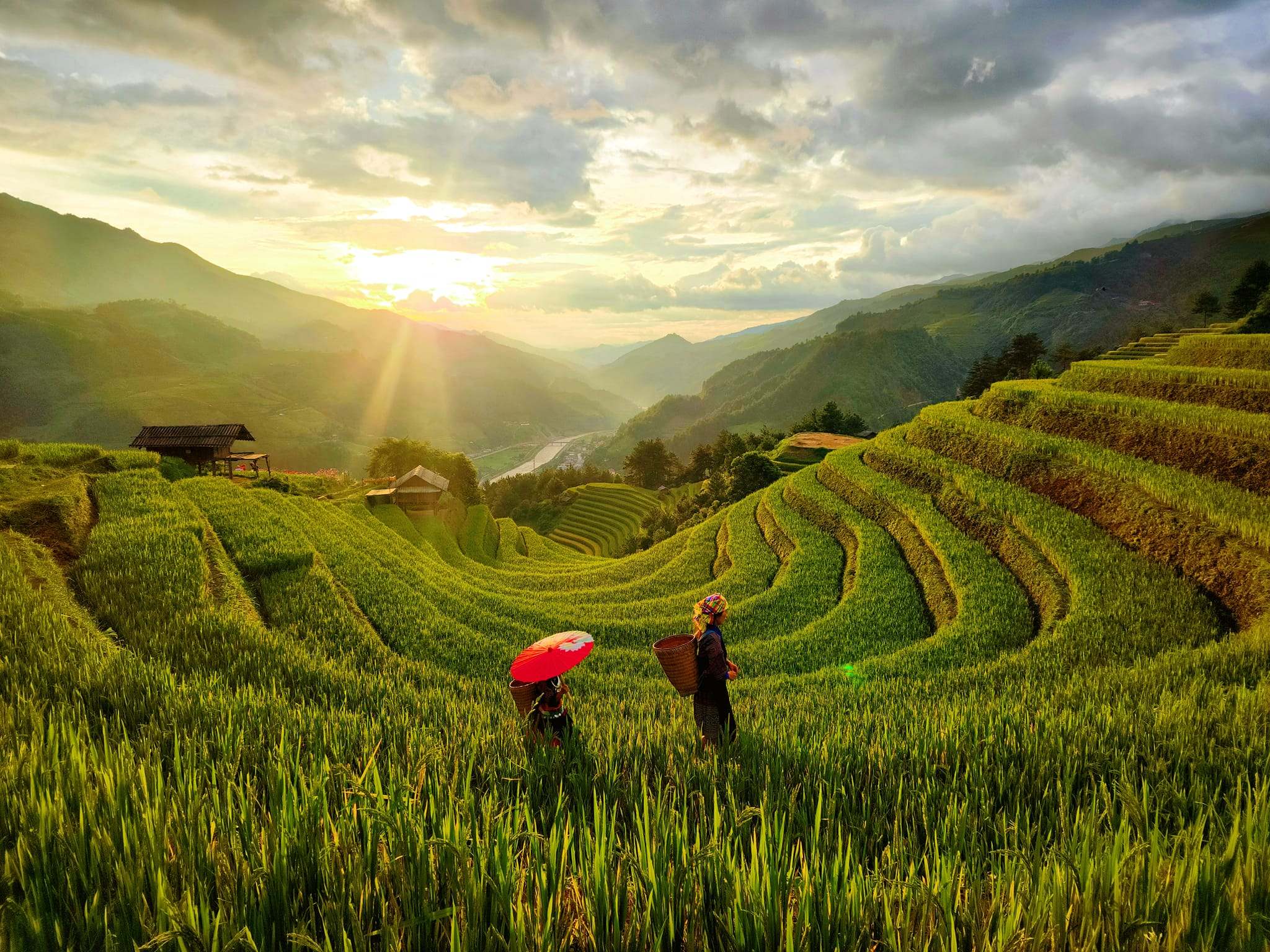
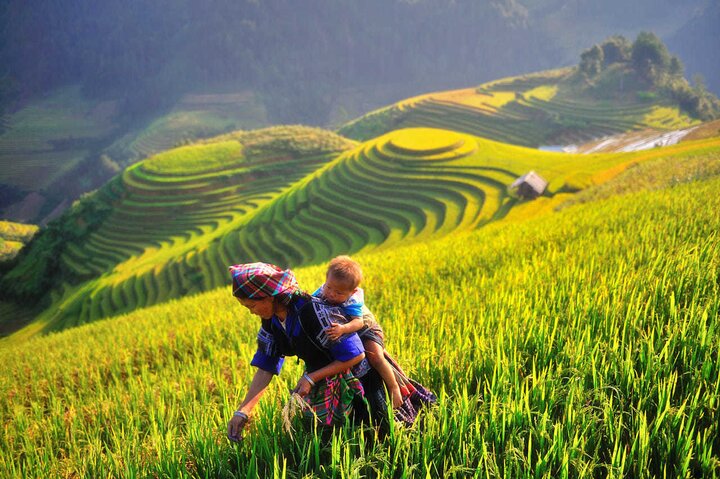
The enchanting beauty of the terraced rice fields in Mu Cang Chai. (Source: Collected)
Meanwhile, Mu Cang Chai – a mountainous district in Yen Bai province – possesses a more pristine and pure beauty. The terraced rice fields here are considered masterpieces of nature and human hands, especially vibrant during the golden harvest season and the water-flooding season. When combining Sapa and Mu Cang Chai in a 3-day, 2-night itinerary, visitors will fully experience both aspects: a vibrant, cool Sapa and a peaceful, majestic Mu Cang Chai with its distinct Northwest charm.
2. Directions from Sapa to Mu Cang Chai
From the center of Sapa town, travelers begin their journey by heading along Dien Bien Phu street to merge onto National Highway 4D. This is the familiar route leading out of Sapa, and it also takes you past many famous attractions such as Silver Waterfall and the border area between Lao Cai and Lai Chau provinces.
After crossing O Quy Ho Pass – one of the longest and most majestic passes in the Northwest – continue driving along National Highway 4D amidst the scenery of rolling mountains and deep valleys. Upon reaching the intersection with National Highway 32, turn left to enter QL32 – the main road leading to Mu Cang Chai. From here, the landscape gradually unfolds with the characteristic terraced rice fields, signaling that you have entered the land known as the "paradise of terraced fields" of the Northwest.
3. Notable Attractions in Sapa
Sapa is not only attractive for its year-round cool climate but also leaves a strong impression with its diverse system of attractions, harmoniously combining majestic nature and unique local culture. During a 3-day, 2-night Sapa – Mu Cang Chai trip, dedicating time to explore the typical landmarks in Sapa will make the journey more complete, providing a perfect start before venturing deeper into the terraced fields of the Northwest.
3.1. Sun World Fansipan Legend
Fansipan is the highest peak in Vietnam, belonging to the majestic Hoang Lien Son mountain range and located about 9km southwest of Sapa town. With an altitude of 3,143m above sea level, Fansipan has long been a symbol of Northwest tourism, a dream destination for nature lovers, adventure enthusiasts, and those eager to conquer the "Roof of Indochina."
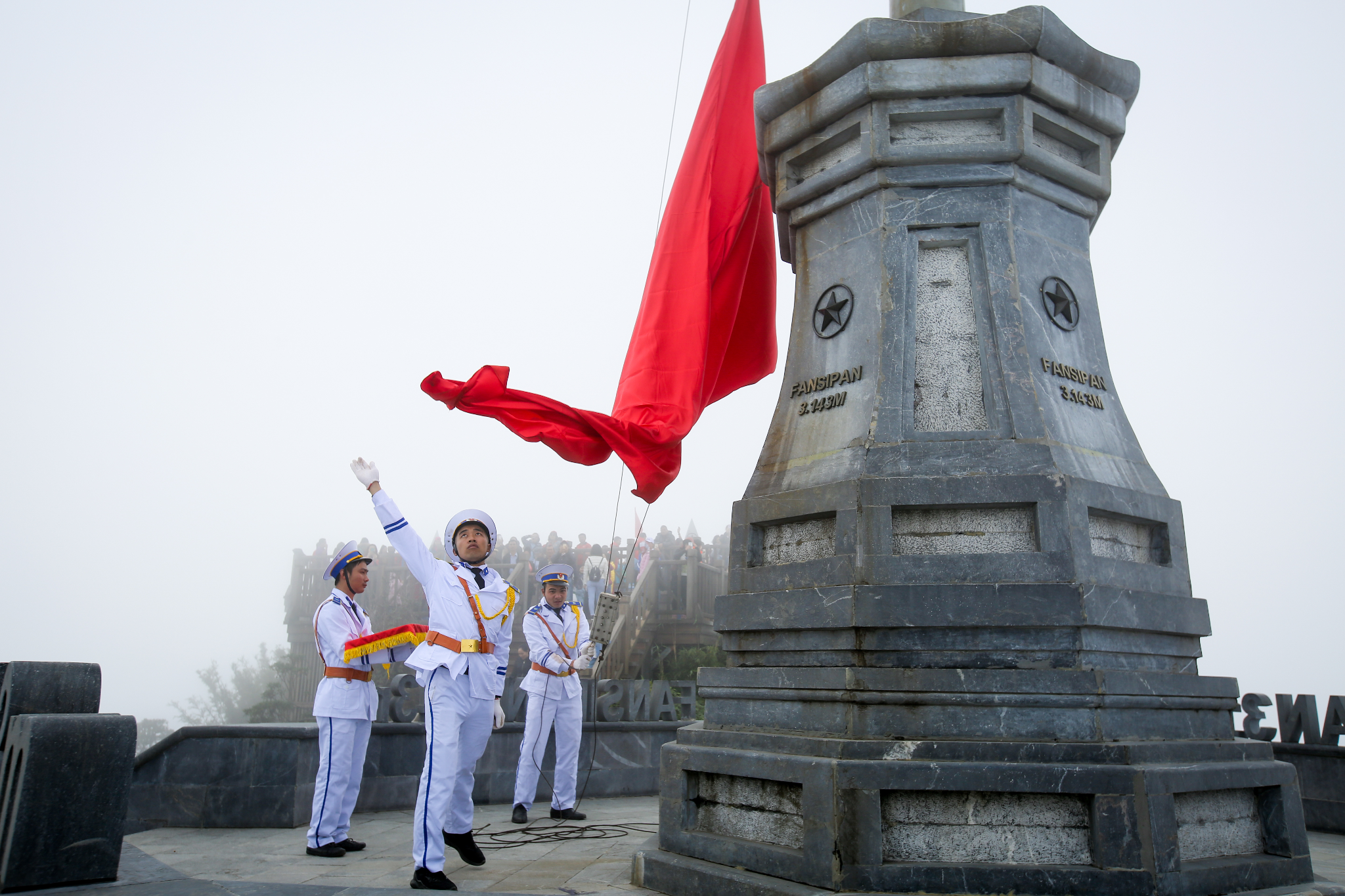
Flag raising ceremony on Fansipan peak.
Nowadays, the journey to Fansipan peak has become much easier thanks to the modern cable car system of Sun World Fansipan Legend. In just about 15–20 minutes, visitors can glide over Muong Hoa valley, admire the floating sea of clouds and the panoramic view of rolling mountains from above. The cable car experience is not just a means of transportation but also a journey to admire the most spectacular scenery in Sa Pa.
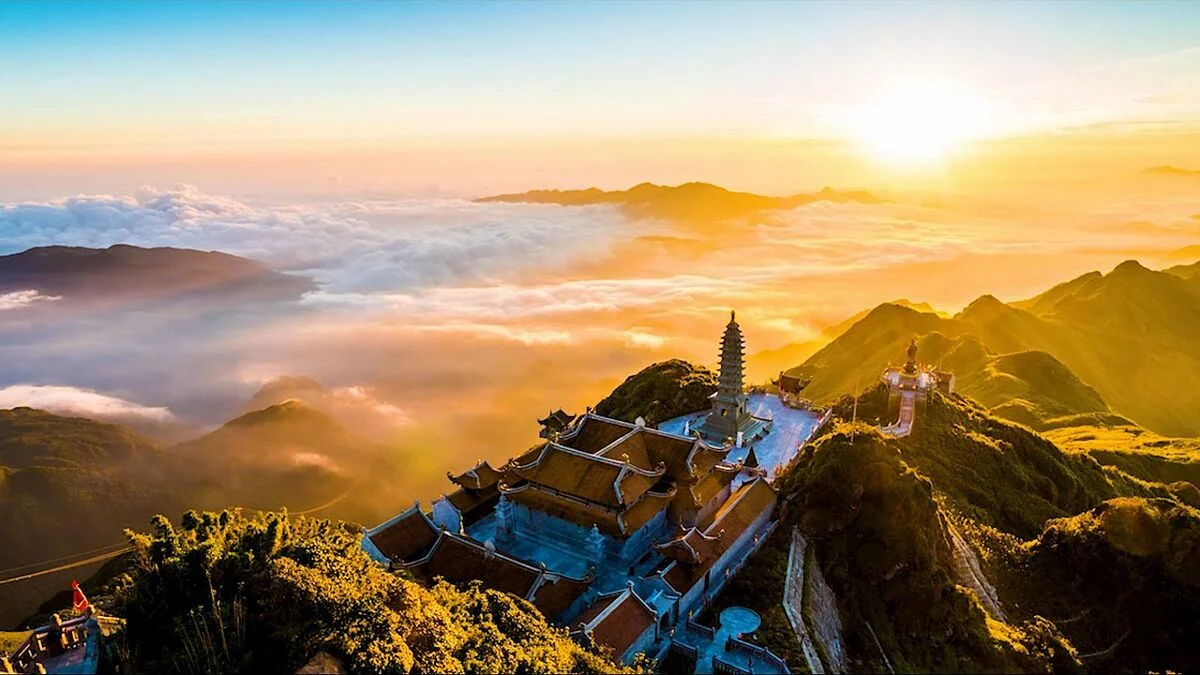
Experience a day at Sun World Fansipan Legend.
Beyond conquering heights, Sun World Fansipan Legend offers a unique cultural and spiritual space. The Ban May area vividly recreates the life of ethnic minorities in the highlands, helping visitors understand more about the customs, traditions, and traditional cuisine of the Northwest. At the mountain peak, the majestic spiritual complex amidst clouds and sky creates a pure and sacred space, making the journey to explore Fansipan a memorable experience in terms of both scenery and emotion.
3.2. Silver Waterfall (Thac Bac)
Silver Waterfall is one of the famous attractions located at the foot of O Quy Ho Pass, at an altitude of about 1,800m above sea level and about 12km from Sa Pa town center. With its location right next to National Highway 4D, Silver Waterfall is an ideal stop on the journey to explore Sa Pa – Mu Cang Chai, attracting a large number of visitors.
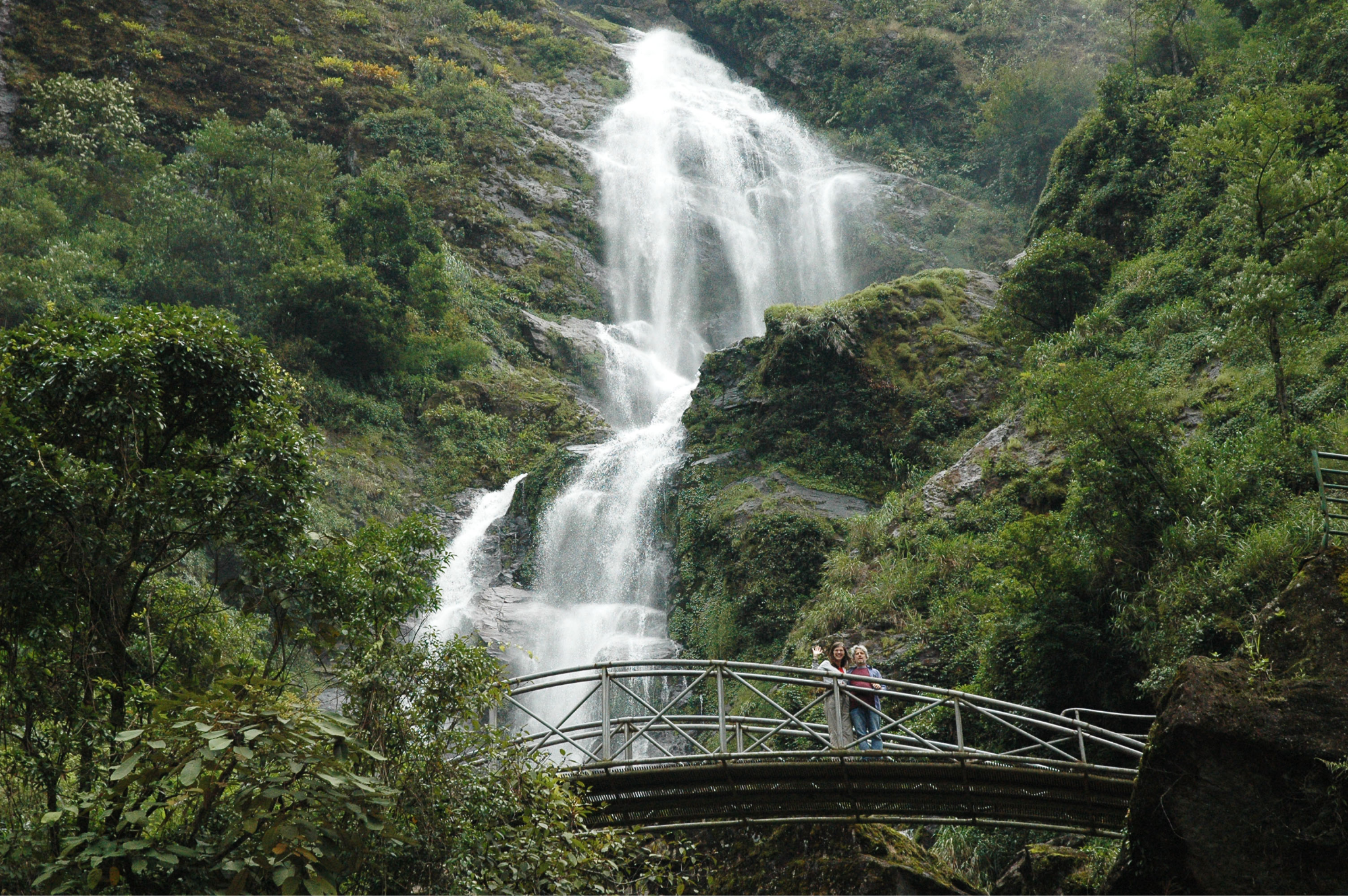
The majestic Silver Waterfall amidst the mountains of Sa Pa. (Source: Collected)
The waterfall is about 200m high, with water pouring down from above, creating white foam and a resounding sound amidst the Hoang Lien mountains. Silver Waterfall is also the source of Muong Hoa stream, bringing cool water through many highland villages. The fresh space, cool climate, and the majestic, powerful beauty of the waterfall make this an unmissable destination when traveling to Sa Pa.
3.3. O Quy Ho Pass
O Quy Ho Pass is one of the most famous and spectacular mountain passes in Vietnam, connecting the two provinces of Lao Cai and Lai Chau. With a length of nearly 50km, it is the longest pass in the Northwest mountainous region, affectionately called the "King of Passes" by backpackers and tourists for its massive scale, impressive height, and majestic scenery that is rarely matched. O Quy Ho Pass is also one of the "Four Great Passes" of Vietnam, contributing to the special attraction for Sa Pa tourism.
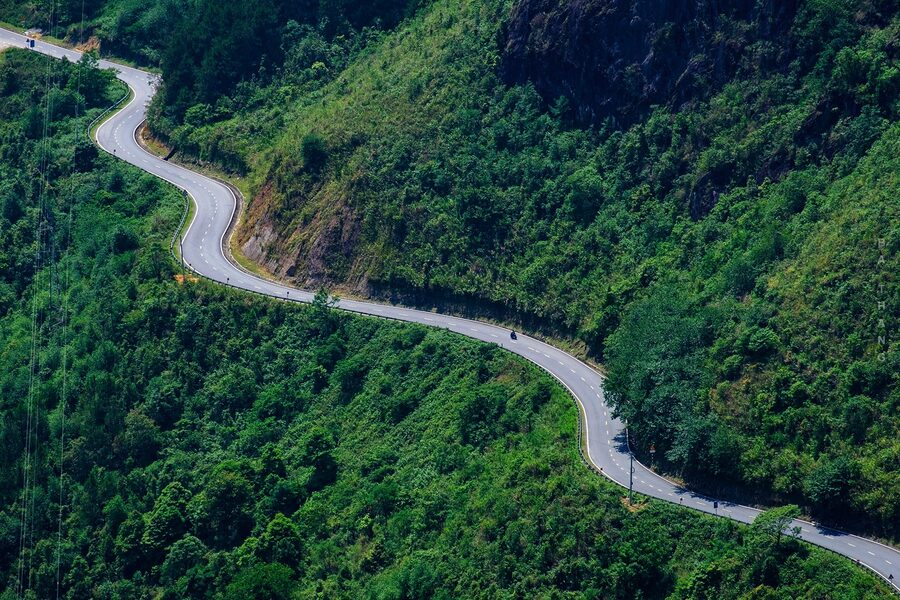
The "King of passes" in the Northwest, O Quy Ho. (Source: Collected)
The winding pass road snakes around the slopes of the Hoang Lien Son mountain range, with sheer cliffs on one side and a deep, vast valley on the other, opening up a breathtaking natural landscape. On clear days, visitors can witness a sea of fluffy clouds drifting right before their eyes, interspersed with brilliant golden sunlight, creating a scene that is both majestic and poetic. O Quy Ho Pass is not only an exciting challenge for those who love conquest but also an ideal stopover for cloud hunting, sightseeing, and capturing impressive moments on the 3-day, 2-night Sa Pa – Mu Cang Chai itinerary.
3.4. Ethnic Villages
Sa Pa is currently home to many ethnic minorities such as H'mong, Dao, Tay, Giay, and Xa Pho, creating a colorful cultural tapestry amidst the Northwest mountains. Each village possesses its own unique characteristics, clearly reflecting the daily life, customs, and traditional architecture of the highlanders. This is precisely what makes tourism in Sa Pa not just about beautiful scenery but also about leaving a deep cultural impression on visitors.
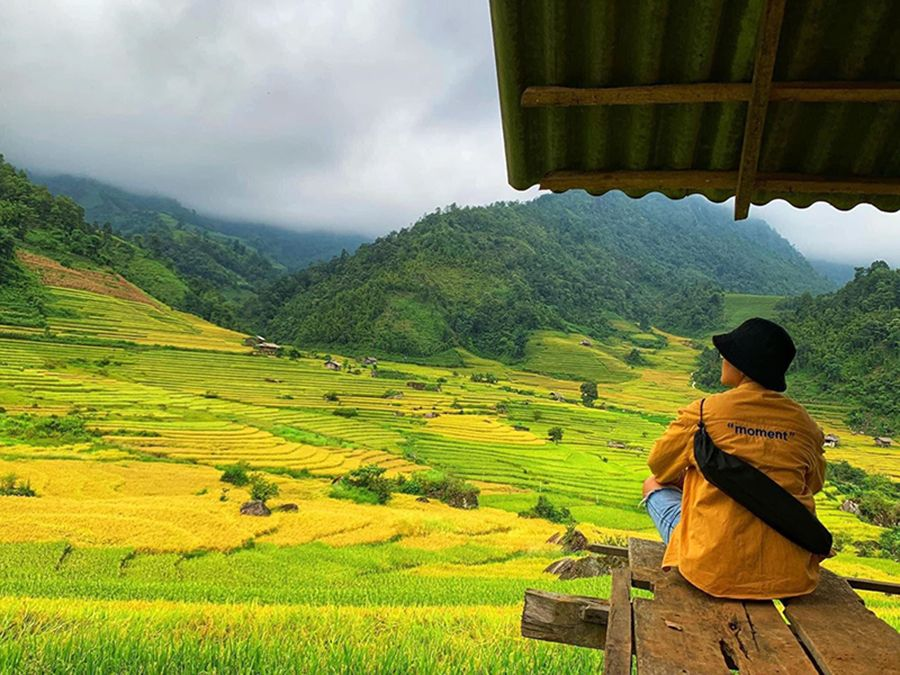
Immerse yourself in the daily rhythm of the indigenous ethnic community in the villages. (Source: Collected)
Famous villages like Cat Cat, Ta Van, and Lao Chai attract tourists with their bustling atmosphere, numerous tourism services, and traditional handicrafts. Meanwhile, more remote villages like Nam Cang offer a peaceful, rustic beauty, suitable for those seeking tranquility and an authentic local life experience. Visiting ethnic villages on the Sa Pa – Mu Cang Chai journey will make the trip more complete, harmoniously combining nature exploration with understanding highland culture.
4. Notable Attractions in Mu Cang Chai
Mu Cang Chai is a highland district in Yen Bai province, located over 300km from Hanoi with a travel time of more than 8 hours, but only about 150km from Sa Pa. Despite the long journey, it remains a favorite destination in Northwest tourism thanks to its majestic natural landscape and the most beautiful terraced rice fields in Vietnam. Mu Cang Chai is not noisy or bustling, but captivates visitors with the pristine, vast, and poetic beauty of the mountains and forests.
During the rice ripening season or the water-flooding season, Mu Cang Chai seems to put on a completely different outfit, as the mountain slopes are covered with golden hues or shimmering water under the sun. This seasonal change has turned the area into a "photographer's paradise," an unmissable stop on a 3-day, 2-night Sa Pa – Mu Cang Chai journey for nature lovers and explorers.
4.1. La Pan Tan Terraced Fields
La Pan Tan, located in La Pan Tan commune, Mu Cang Chai district, has long been considered a symbol of Mu Cang Chai tourism with its heritage-level terraced rice field beauty. It is one of the most famous terraced rice field areas in Vietnam, recognized by UNESCO as a World Cultural Heritage and ranked as a National Scenic Relic by the Ministry of Culture, Sports and Tourism since 2007. Each year, La Pan Tan attracts thousands of tourists and photographers to admire and capture the spectacular moments of the highland nature.
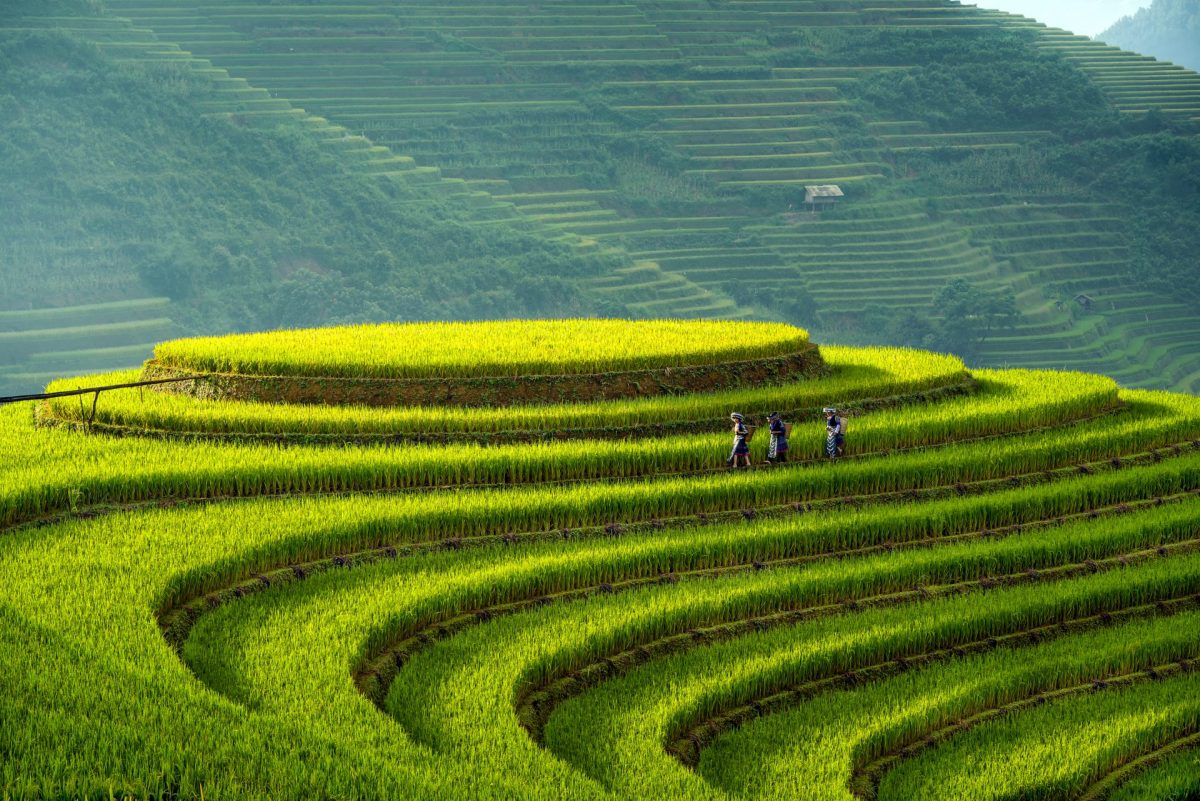
La Pán Tẩn terraced fields are recognized by UNESCO as a World Heritage site. (Source: Collected)
The special feature of La Pán Tẩn lies in its softly winding terraced fields, layered like giant fingerprints amidst the mountains and forests. Around September and October, when the rice is ripe, the entire valley glows with a brilliant yellow, creating a natural landscape that is both majestic and poetic. Standing in this vast space, visitors can easily feel the meticulousness, creativity, and the spirit of connection to heaven and earth of the Mong ethnic people through each terraced field.
4.2. Raspberry Hill
Raspberry Hill in La Pán Tẩn is likened to a "masterpiece of art" in the Northwest highlands, and is the most famous check-in spot when mentioning Mù Cang Chải. This place has such a unique name because the terraced fields are shaped in a spiral from the foot to the top of the hill, looking from above exactly like a giant raspberry cake amidst the mountains and forests. This special field structure has made Raspberry Hill the iconic image of Mù Cang Chải tourism.
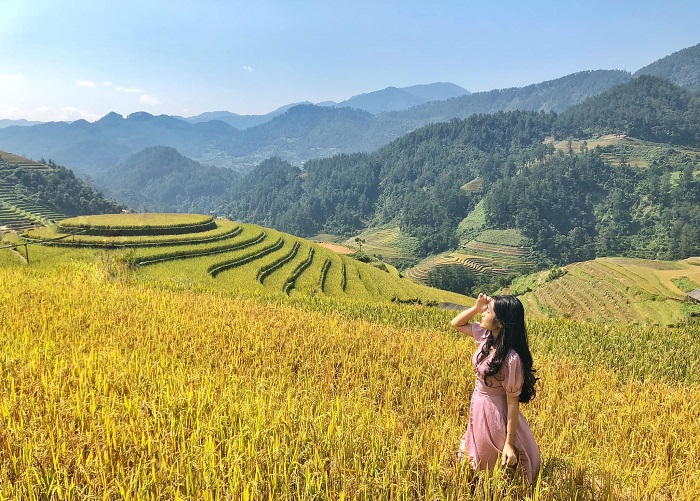
Check-in at Mam Xoi Hill in Mu Cang Chai. (Source: Collected)
Located at an altitude of nearly 2,000m above sea level and about 15km from Mu Cang Chai town, Mam Xoi Hill offers a wide-open view with hundreds of hectares of endless terraced fields. Although the journey to conquer it is somewhat arduous due to the steep and winding terrain, the moment of standing amidst that majestic space will surely make all fatigue disappear. With just a small entrance fee, visitors have the opportunity to admire one of the most characteristic and impressive landscapes of the Northwest mountains.
4.3. Tu Le Terraced Fields
Tu Le is a famous stop located in a valley in Van Chan district, Yen Bai province, on the route connecting Sa Pa with Mu Cang Chai. This place has long captured the hearts of tourists with its soft, peaceful, and poetic beauty. Every autumn, the entire Tu Le valley is filled with the golden color of ripe rice, the fields rustling in the wind like waves washing over the mountainsides, creating a scene that makes anyone slow down to admire.
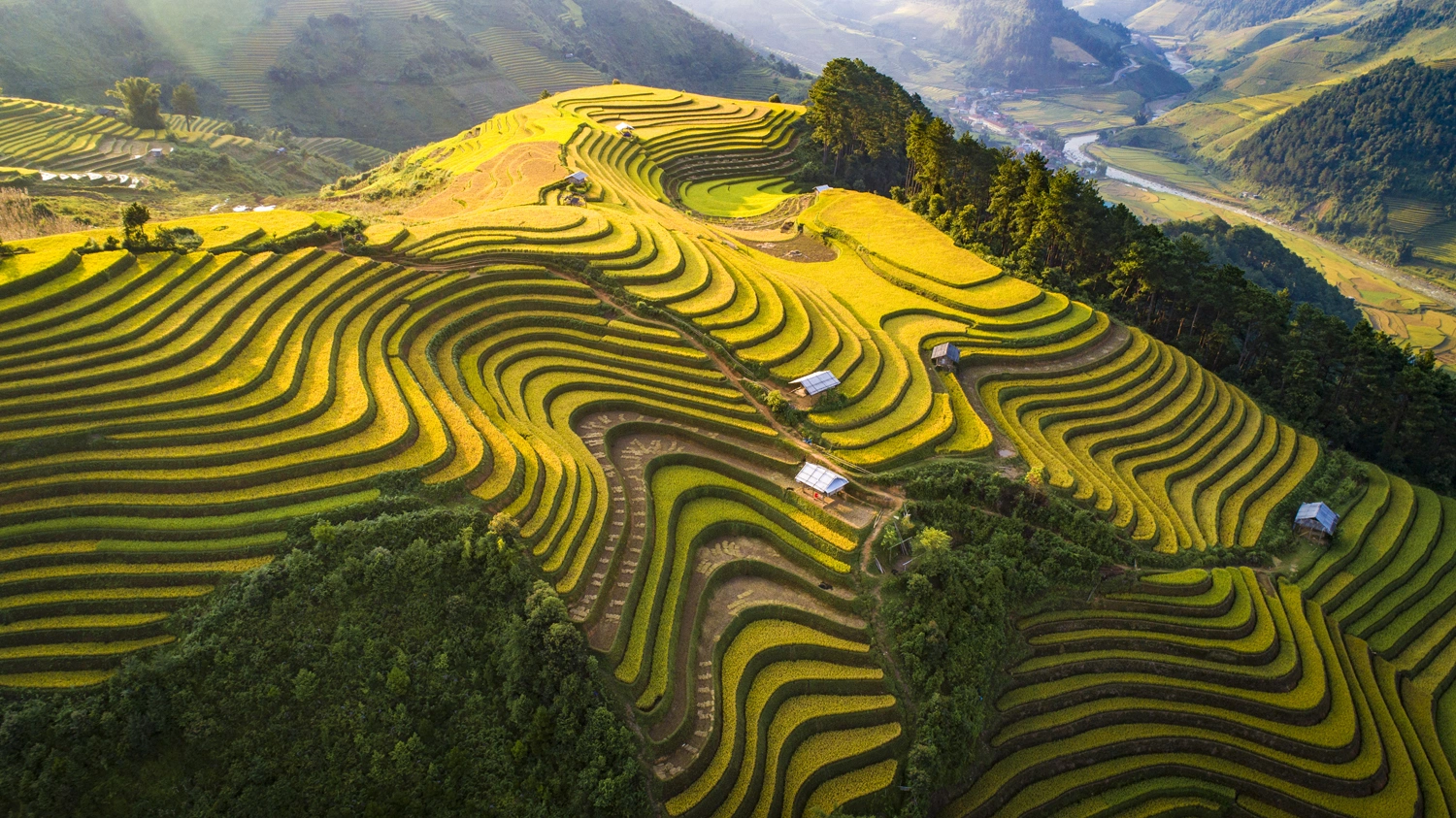
Terraced fields stretch out in Tu Le. (Source: Collected)
Tu Le terraced fields are not only beautiful during harvest season but also possess a subtle charm throughout the four seasons. The tiered fields stretch out, embracing small villages nestled on the mountainside, painting a picture of peaceful highland life. Especially, after exploring the terraced fields, visitors can relax at the Tu Le hot spring – an ideal experience to make the Mu Cang Chai trip more complete in terms of both scenery and emotion.
4.4. Cao Pha Terraced Fields
Cao Pha terraced fields are located at the foot of Khau Pha Pass – one of the "four great passes" of Vietnam, an unmissable destination when exploring Mu Cang Chai. Thanks to the vast valley terrain and ideal altitude, the fields here stretch out like golden silk ribbons winding around the mountainside, creating a majestic yet soft landscape. During the ripe rice season, Cao Pha is radiant in the sunlight, becoming a favorite spot for photographers and tourists.
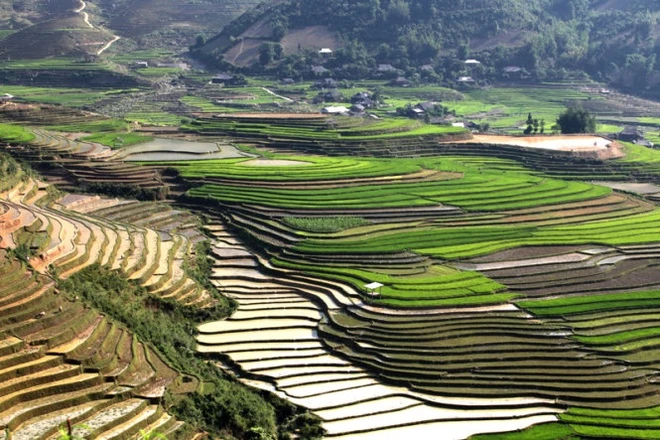
Scenery of Cao Pha terraced fields during the flooding season. (Source: Collected)
Not only is Cao Pha famous for its terraced fields, but it is also known as the "paragliding capital" of the Northwest. From above, the entire valley unfolds before your eyes with rice fields, villages, and rolling mountains stretching to the horizon. The experience of paragliding in such a vast space brings a sense of freedom, awe, and will surely be an unforgettable mark in the journey to conquer the Northwest according to the 3-day, 2-night Sa Pa Mu Cang Chai itinerary.
4.5. Mong Ngua Hill Terraced Fields
Among the prominent destinations in Mu Cang Chai, Mong Ngua Hill terraced fields always leave a strong impression thanks to their unique shape and convenient location. Located only about 2km from the center of Mu Cang Chai town, this place is very easy to combine with visits in the highland exploration itinerary. In each season of the year, Mong Ngua Hill wears its own color, a gentle green in the flooding season and a brilliant golden when the rice ripens in autumn.
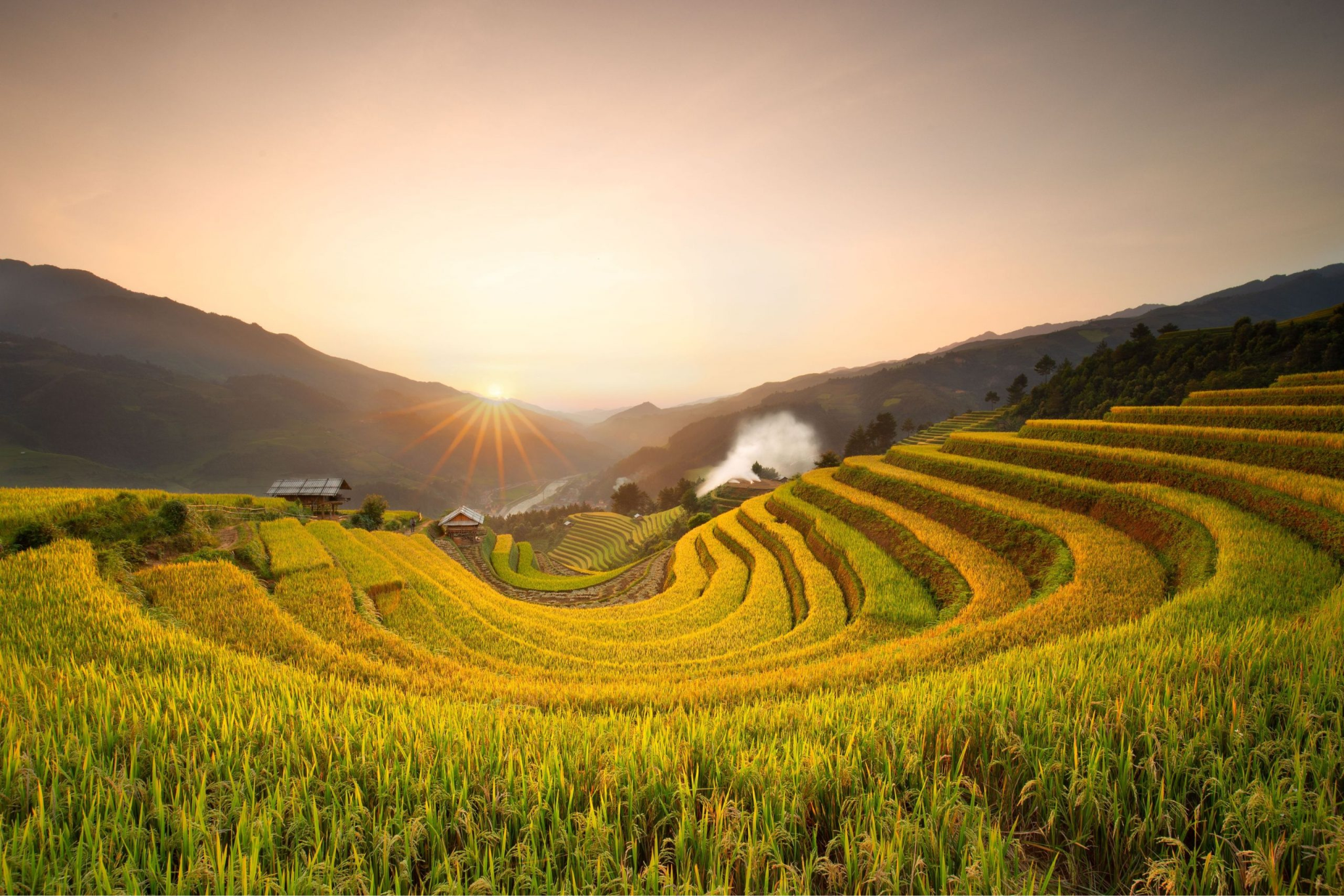
Terraced fields with the characteristic Horseshoe shape in Mu Cang Chai. (Source: Collected)
The special feature that gives Horseshoe Hill its name is the shape of the terraced fields when viewed from above. The tiered fields curve gently, forming an arc like a giant horseshoe amidst the mountains and forests of the Northwest. The scene is both novel and harmonious, making this an ideal "photo hunting" spot for photography enthusiasts and those who want to leave an unforgettable mark on their journey to explore Mu Cang Chai.
4.6. Lim Thai Village
Located not far from Lim Mong Village, Lim Thai Village offers a completely different hue in the Mu Cang Chai tourist landscape. This is a small village of the Thai ethnic group, nestled peacefully in the valley, with rolling mountains behind and lush green fields in front. Just cross the bridge in the center of the district towards Che Tao, then turn left for about 1km, and visitors can reach the rustic, highland-style living space here.
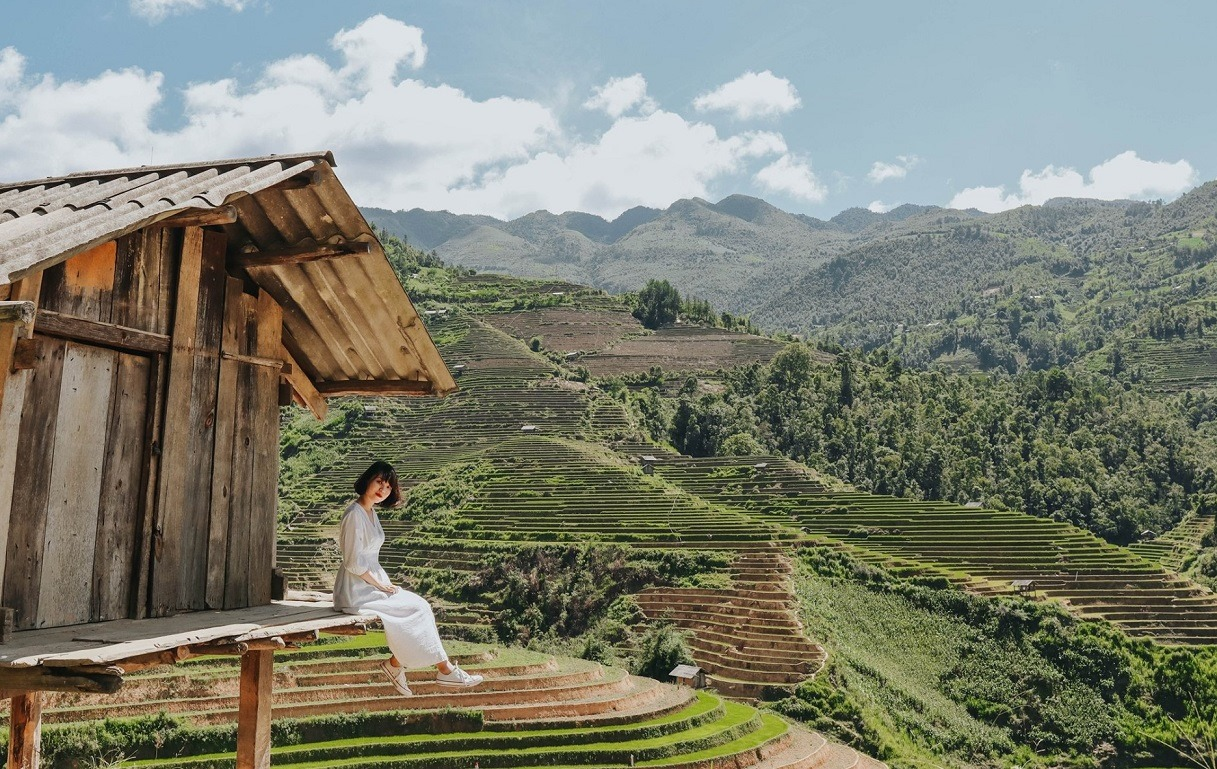
“Lost” amidst nature in Lim Thai village, Mu Cang Chai. (Source: Collected)
Coming to Lim Thai Village, visitors can not only admire the scenery but also have the opportunity to experience the traditional cultural life of the Thai people. Simple wooden stilt houses, rustic dishes with mountain flavors, and traditional herbal bath activities create a unique charm for this village. After a day of traveling and visiting the terraced fields, soaking in herbal water, resting in a stilt house, and joining in exchanges and bonfires with local residents will surely be a memorable experience in the 3-day, 2-night Sa Pa Mu Cang Chai itinerary.
5. Day 1: Exploring Sa Pa
The first day of the 3-day, 2-night Sa Pa – Mu Cang Chai journey begins in Sa Pa, the famous misty town of the Northwest mountains. The fresh air, the majestic mountain scenery, and the slow pace of life here will help visitors quickly leave behind daily worries to immerse themselves in nature.
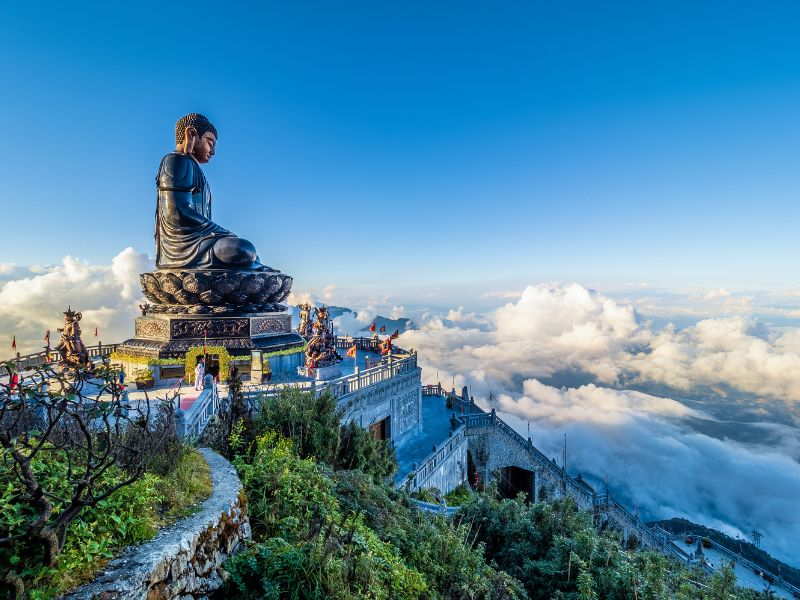
Experience sightseeing and worship at Sun World Fansipan Legend.
In the morning, visitors take the cable car to conquer Fansipan peak – the “Roof of Indochina”. Here, you have the opportunity to attend a solemn flag-raising ceremony amidst clouds and sky, stroll through the sacred space of the spiritual complex with the Great Buddha Statue of Amitabha, Bao An Zen Monastery, Thanh Van Dac Lo, Bich Van Zen Monastery. In between the journey is Ban May area, which vividly recreates the life and culture of ethnic minorities in the highlands, offering an experience that is both familiar and unique.
Lunch is suggested at Van Sam restaurant within Sun World Fansipan Legend with a rich buffet menu, suitable for adults, children, and international tourists alike. Afterwards, visitors return to their hotels to rest and relax before continuing their journey in the afternoon.
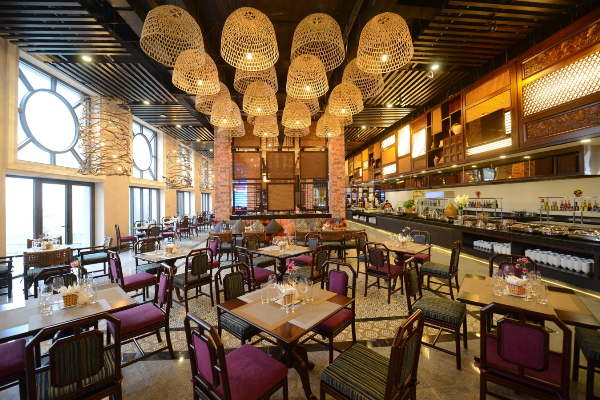
Enjoy lunch at Van Sam restaurant.
In the afternoon, you can visit the villages around Sa Pa, immerse yourself in the daily life of the local people, learn about the local culture, and enjoy cuisine in the town. At the end of the first day, visitors should rest early to ensure their health for the long journey the next day.
6. Day 2: Sa Pa – Mu Cang Chai
On the second day, visitors depart from Sa Pa for Mu Cang Chai early in the morning. The journey of about 4-5 hours will take you through majestic mountain passes, deep valleys, and terraced fields stretching along both sides of the road – one of the most worthwhile experiences of the 3-day, 2-night Sa Pa – Mu Cang Chai itinerary.
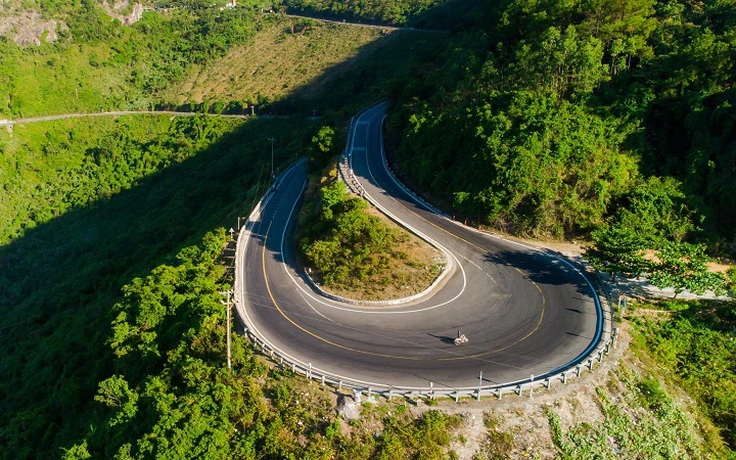
The distance from Sa Pa to Mu Cang Chai takes about 4 hours to travel. (Source: Collected)
Arriving in Mu Cang Chai at noon, visitors rest, have meals, and check in. The afternoon is the ideal time to explore famous villages such as Lim Mong village and Lim Thai village. This is where the daily life, stilt house architecture, and traditional cultural identity of the ethnic minorities in the highlands are clearly preserved.
In the peaceful space of the mountains and forests, visitors can enjoy characteristic Northwestern specialties such as grilled fish pa pinh top, free-range chicken, Tu Le green young rice, or warm corn wine. The evening in Mu Cang Chai possesses a tranquil beauty, suitable for resting, relaxing, and fully experiencing the peace of the mountainous region.
7. Day 3: Mu Cang Chai – Hanoi
On the morning of the third day, visitors wake up early to admire the pristine beauty of Mu Cang Chai as mist still lightly covers the terraced fields. The early morning sun reflects on the dewdrops on the rice stalks, creating a shimmering scene, perfect for taking photos and capturing memorable moments.
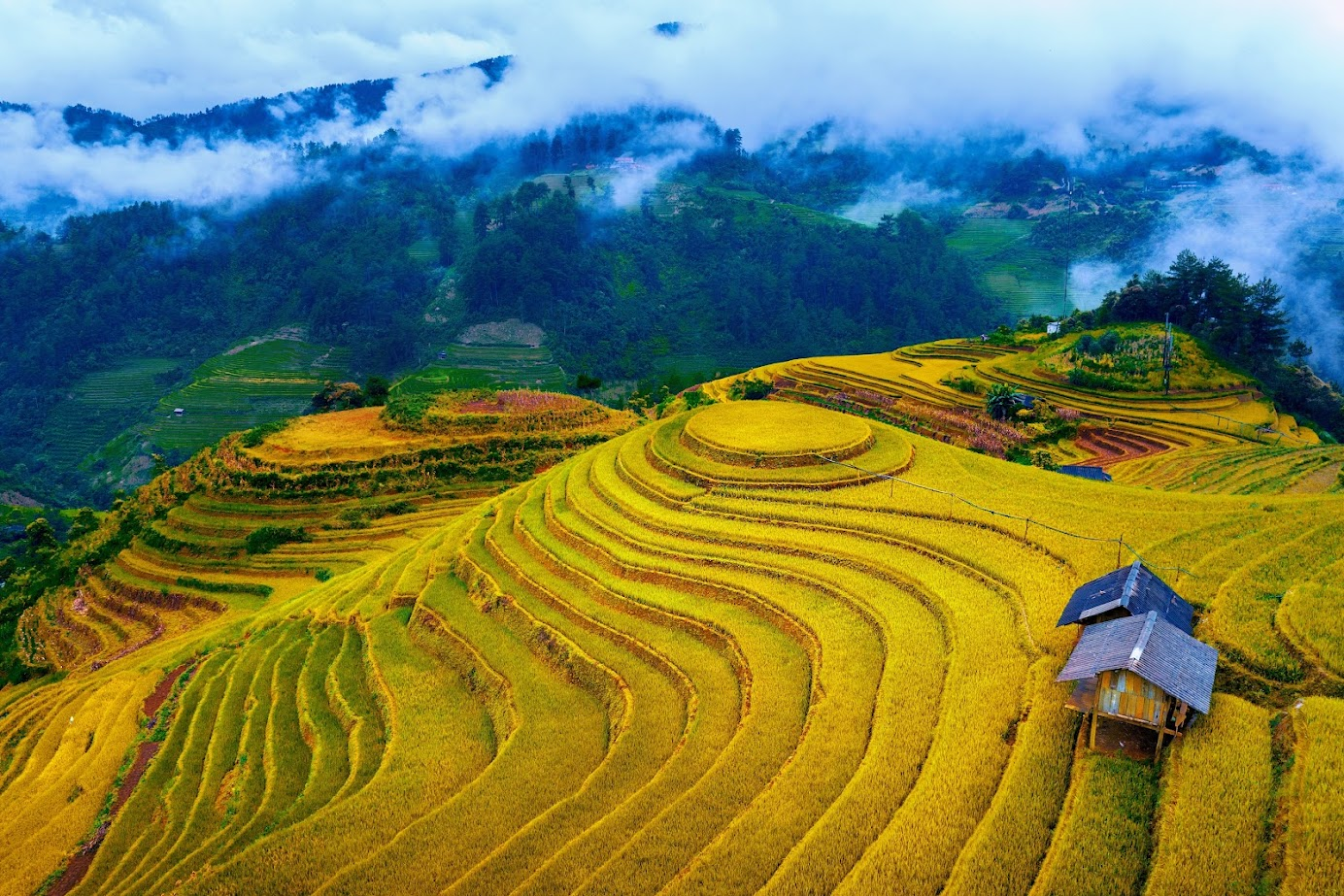
The scenery is both poetic and spectacular in Mu Cang Chai. (Source: Collected)
The journey continues with outstanding attractions such as Horse Hoof Hill, Sticky Rice Bowl Hill, and Tu Le terraced fields – the symbols that make Mu Cang Chai tourism famous. Each place has its own beauty, contributing to the majestic and emotional natural picture of the Northwest highlands.
After resting and having lunch, tourists depart back to Hanoi, concluding the 3-day, 2-night Sapa – Mu Cang Chai trip with many memorable experiences, from conquering Fansipan peak to immersing in the renowned beauty of Mu Cang Chai's terraced fields.
8. Tips for a 3-day, 2-night Sapa – Mu Cang Chai Trip
To ensure a complete and safe 3-day, 2-night Sapa – Mu Cang Chai trip, thorough preparation regarding timing, luggage, and travel skills is very important.
8.1. Ideal time to visit Mu Cang Chai
Mu Cang Chai is beautiful year-round, but the time most chosen by tourists is the ripe rice season. There are two rice crops each year, with the early crop in April – May, and the most vibrant ripe rice season in September – October. Especially in September and early October, the terraced fields turn a brilliant golden color, creating a spectacular scene, perfect for sightseeing and photography.
8.2. Prepare personal belongings carefully
Due to the mountainous terrain and long travel time, you should prepare lightweight clothing suitable for the highland weather, prioritizing light jackets, long pants, and sports shoes or mountain-climbing shoes. Additionally, a camera or a phone with good battery life is an indispensable item to capture beautiful moments on the Sapa – Mu Cang Chai route.
8.3. Safety precautions when traveling on mountain passes
Passes like O Quy Ho or Khau Pha often experience thick fog in the early morning and late afternoon, especially during the rainy season. Therefore, you should check the weather forecast before your trip, avoid traveling at night, and maintain a stable speed when driving. For those traveling by motorbike, strong mountain driving skills will ensure a safer and more comfortable journey.
With a short but experience-rich timeframe, the 3-day, 2-night Sapa Mu Cang Chai itinerary is an ideal choice for nature lovers, those passionate about conquering mountain passes, and anyone wanting to explore the unique beauty of the Northwest region. With careful preparation and proper planning, you can fully enjoy a memorable journey amidst the majestic mountains and peaceful villages.