















1. Why you should plan your itinerary before traveling to Sa Pa
1.1. Sa Pa has many attractions spread across mountains and forests
Sa Pa is not the type of destination where you can explore everything just by walking around the center. Famous attractions here are distributed along many different routes, from the town center to villages deep in the valleys or mountain passes around the Hoang Lien Son range. Just the journey to visit Fansipan, Cat Cat village, Ta Van village, Muong Hoa valley, and O Quy Ho pass requires reasonable time management to avoid backtracking or missing the best times of the day.
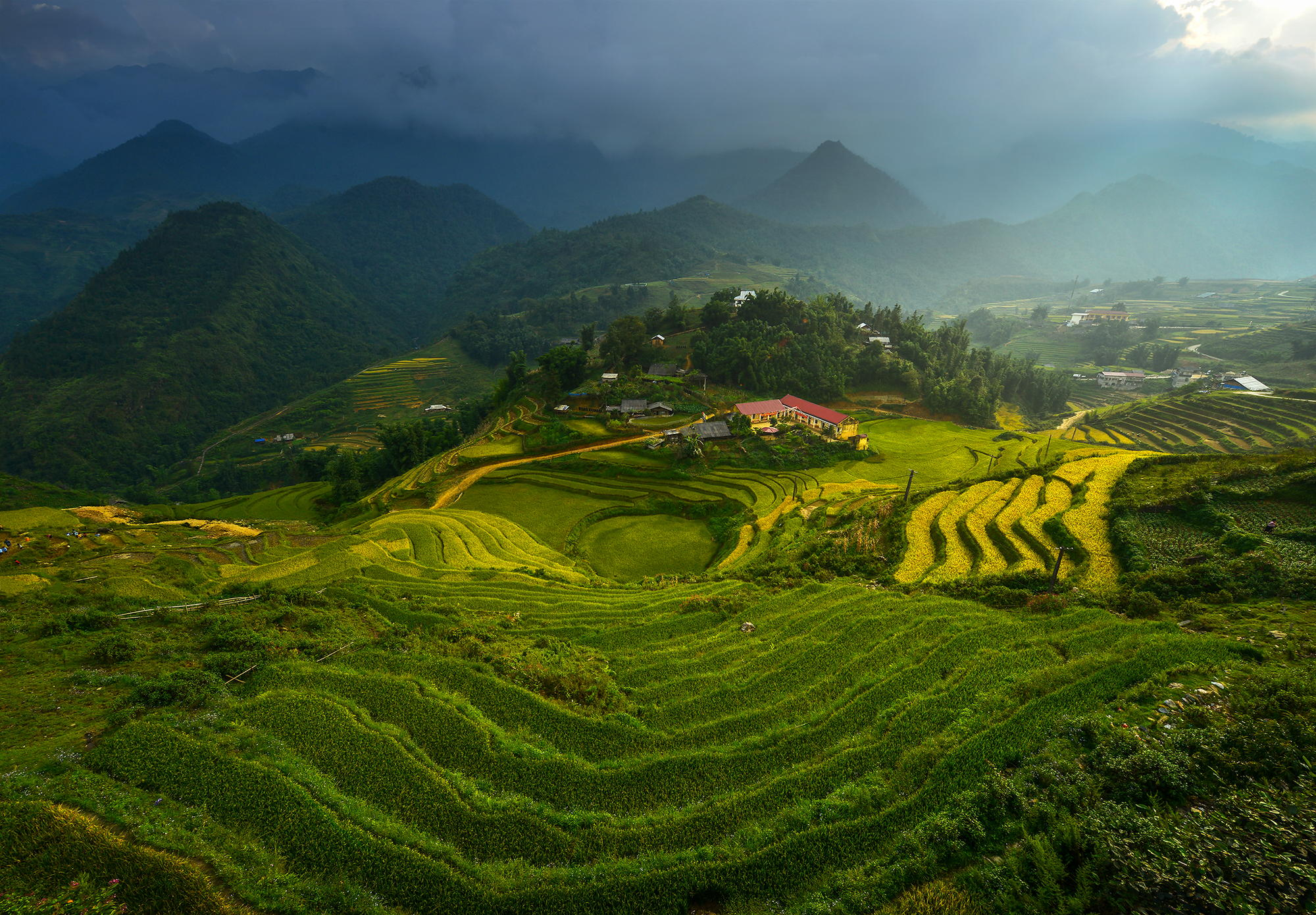
Sa Pa is famous for its long, green terraced fields. (Source: Collected)
Many first-time visitors to Sa Pa often spend too much time traveling, thus not having enough time for a complete experience. Meanwhile, with a clear plan, visitors can fully combine sightseeing, relaxation, and culinary enjoyment within a single day comfortably. Especially during the summer peak tourist season or the cloud hunting season, the number of visitors to Sa Pa is very high, so proactively planning the itinerary will make the journey significantly more convenient.
Not only that, Sa Pa's weather changes quite rapidly during the day. Mornings often have beautiful cloud seas, noon is clear blue, and temperatures drop quickly in the evening. Therefore, planning ahead helps visitors take advantage of the most beautiful moments for check-ins and experiences.
1.2. Proactively manage time to hunt for clouds and explore Fansipan
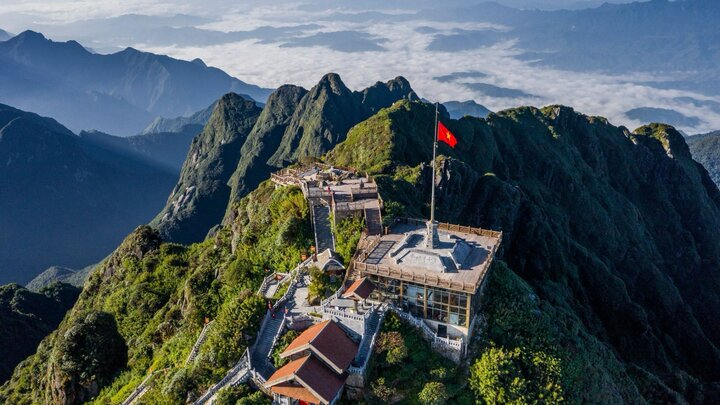
Fansipan is always an important highlight in every Sa Pa exploration journey. It is the highest peak in Vietnam with an altitude of 3,143m and also where visitors have the opportunity to admire the most beautiful cloud seas in the Northwest region. However, not all times of the day have ideal weather conditions for cloud hunting.
Typically, from early morning until near noon is when clouds appear thickest and the visibility is best. If you depart too late, you are likely to encounter fog or fast-dissipating clouds, making the experience less complete. For this reason, most experienced tourists prioritize dedicating the entire second morning to conquering Fansipan.
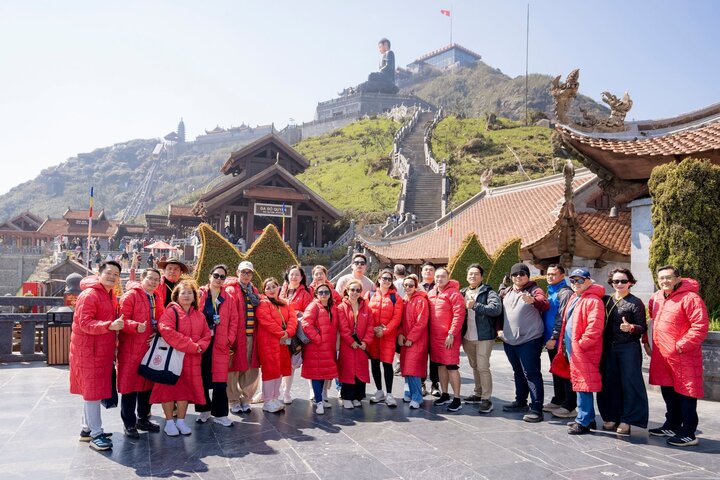
In addition, the Sun World Fansipan Legend tourist area also has many attractions located at different altitudes, such as the Great Buddha Statue of Amitabha, Bich Van Zen Monastery, the Arhat Path, or the Muong Hoa mountain climbing train area. If you do not proactively arrange your itinerary, visitors are very likely to miss beautiful spots along the route.
2. Suggested detailed 3-day, 2-night Sa Pa itinerary
2.1. Day one: Explore Sa Pa center and Cat Cat village
The morning of the first day is usually when visitors travel to Sa Pa and check into their hotel. The ancient stone church area is a popular stop for many people. This structure was built during the French colonial period with characteristic Gothic architecture, located right in the central square of Sa Pa.
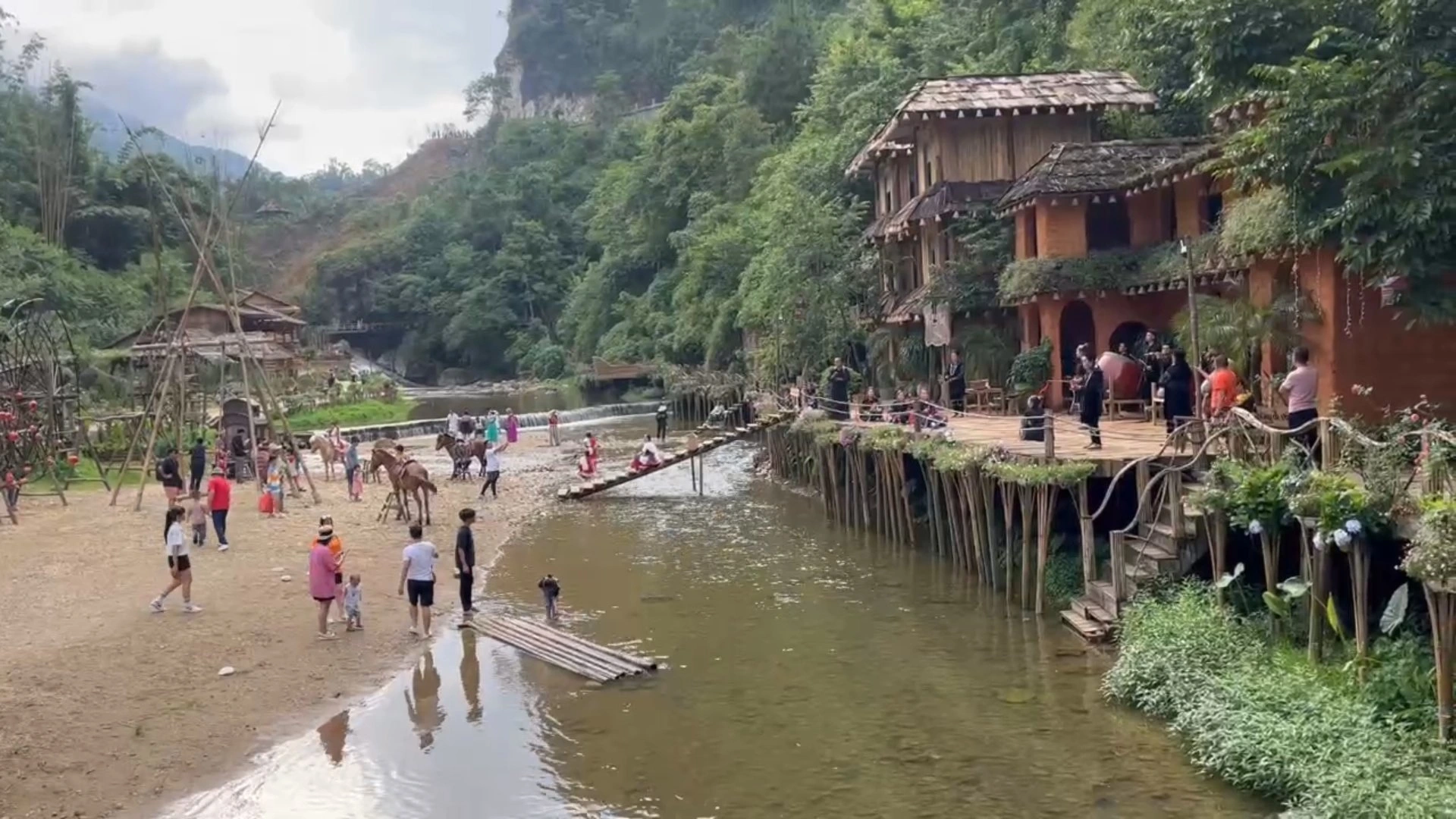
Traditional wooden houses of the H'Mong people in Cat Cat village. (Source: Collected)
After visiting the center, visitors can move to Cat Cat village, located about 2km from the center of Sa Pa town. This is one of the most famous villages in Sa Pa with traditional wooden houses of the H'Mong people nestled on the mountainside. The winding road leading down to the village amidst lush green terraced fields along with the babbling sound of streams creates a very characteristic landscape of the Northwest highlands.
The afternoon is suitable for gentle relaxation and enjoying the peaceful beauty of Sa Pa from above. One of the places loved by many tourists is the Viettrekking Sa Pa cafe on Hoang Lien street, which offers a wide view directly towards the Hoang Lien Son mountain range and the terraced fields stretching across the valley.
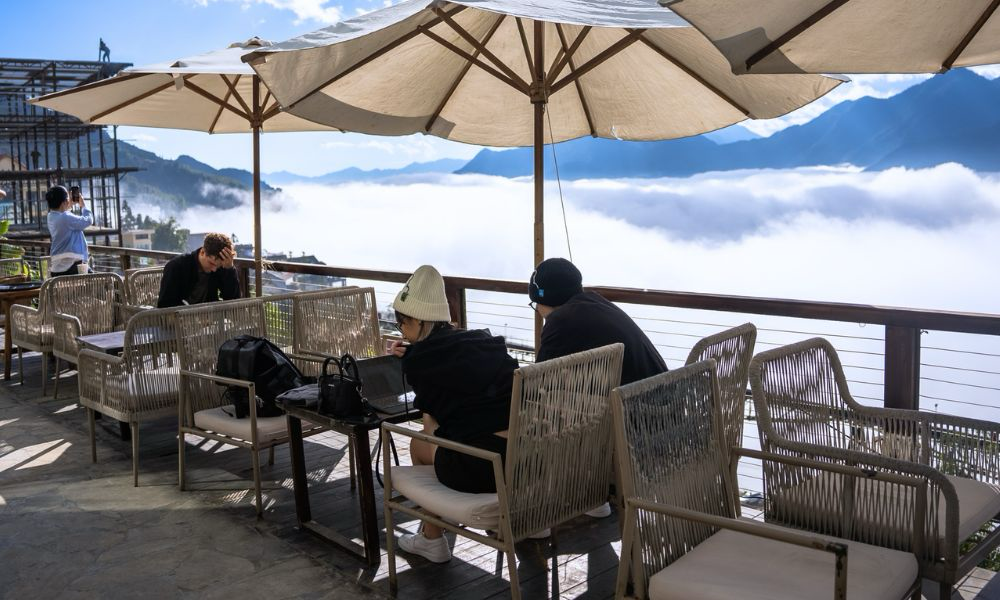
Tourists enjoy coffee and admire the sea of clouds at Viettrekking Sapa. (Source: Collected)
The space at Viet Trekking has a rustic style with wood and large glass materials opening up a panoramic view of the mountains and forests ahead. On beautiful weather days, from the balcony area, you can clearly see each layer of terraced fields winding along the mountainside, with a sea of clouds leisurely drifting across the hilltops in the distance.
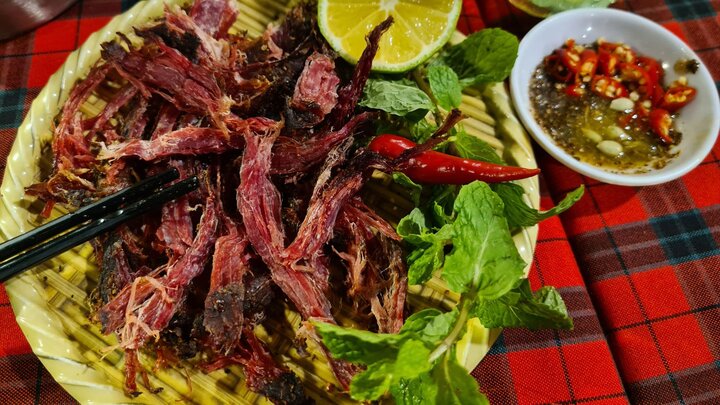
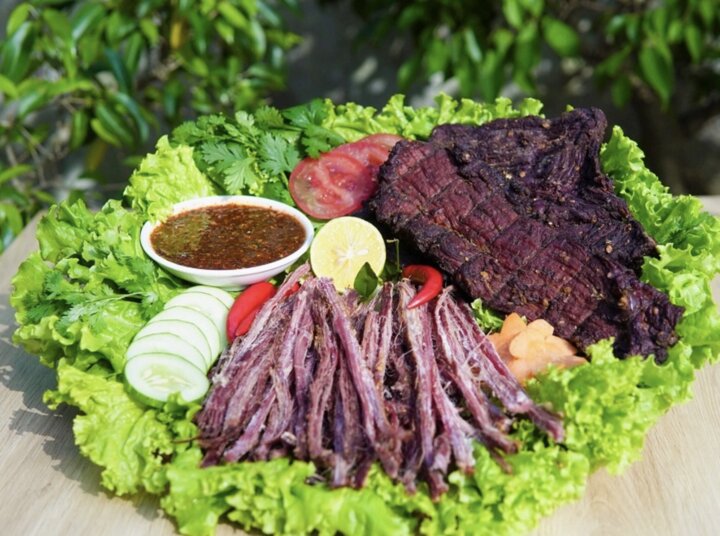
As night falls, the center of Sapa becomes more vibrant with yellow lights and the characteristic cool air. Sapa night market is a place worth experiencing in the evening. Here, visitors can find all kinds of highland specialties such as smoked buffalo meat, grilled chestnuts, sticky rice cooked in bamboo tubes, or fragrant grilled skewers amidst the slightly cold weather.
2.2. Second day conquering Fansipan and the spiritual complex
The journey to explore Sun World Fansipan Legend begins from the Muong Hoa mountain climbing train station located right in the center of Sapa town. The approximately 2km long train route takes visitors through the Muong Hoa valley with the scenery of terraced fields and mountains stretching along both sides of the window. Just a few minutes of travel is enough to feel the unique beauty of Sapa from above.
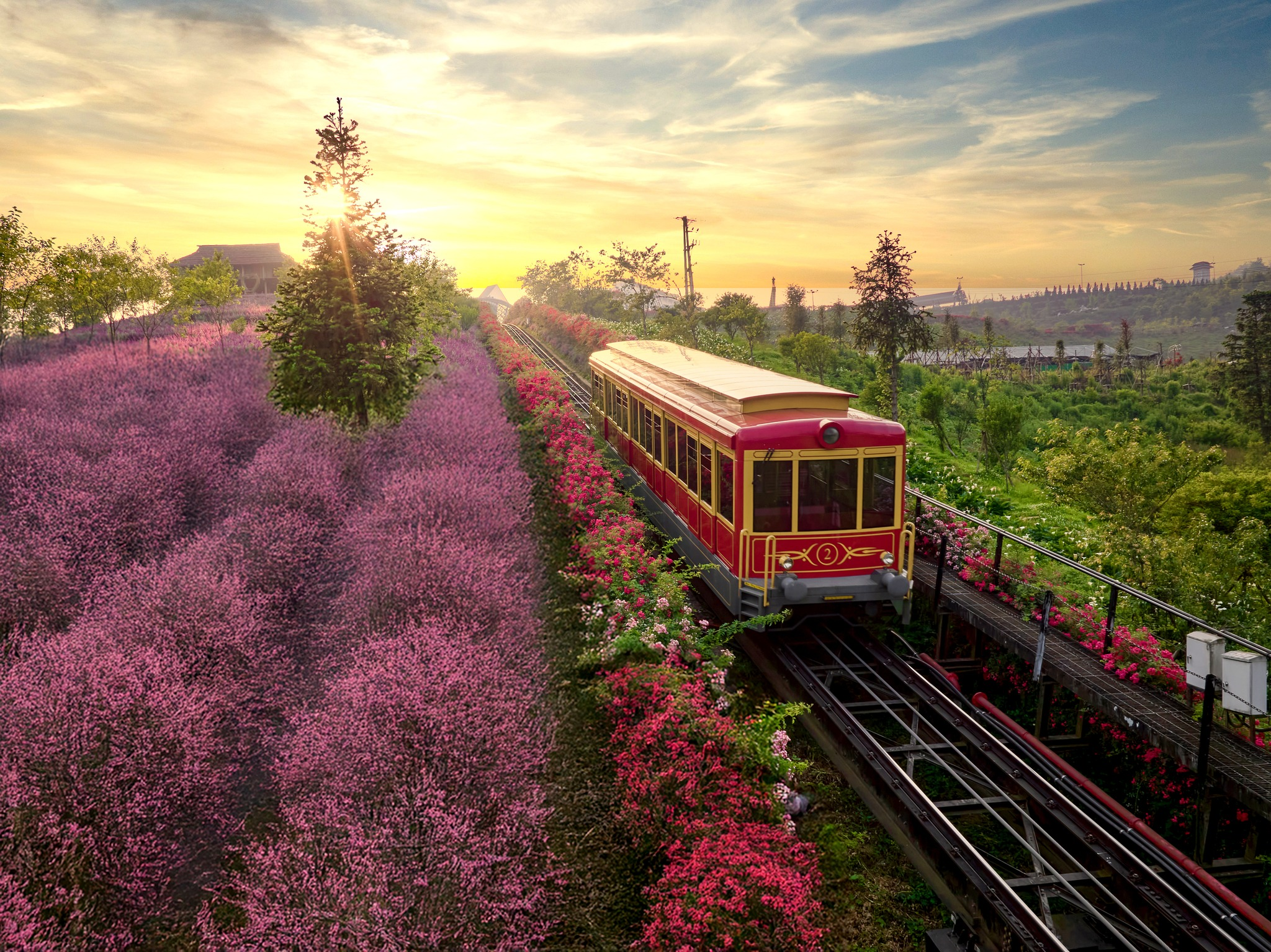
The journey to conquer Fansipan peak begins with the Muong Hoa mountain climbing train experience. (Source: Collected)
After arriving at Hoang Lien station, visitors continue to travel by Fansipan cable car. This is a modern 3-wire cable car line, 6,292.5 m long, with a journey through the sea of clouds and the Hoang Lien Son mountains. On days with good weather, from the cable car cabin, you can see the entire Muong Hoa valley along with green mountains stretching to the horizon.
After completing the cable car journey through the sea of clouds, visitors can continue to move up to the Fansipan peak area to check in at the 3,143m milestone and the National Flagpole standing out amidst the Hoang Lien Son mountains. This is often the first stop on the itinerary to explore Fansipan peak because this area offers a wide, open view with fluffy clouds surrounding the distant mountains.
The 25m high National Flagpole is built from Thanh Hoa blue stone and ironwood, with an intricately carved base featuring many Vietnamese cultural symbols such as the Central Highlands stilt house, Cham towers, or the image of Ha Long Bay. This is also the area many people choose to capture memorable photos during their journey to conquer the roof of Indochina.
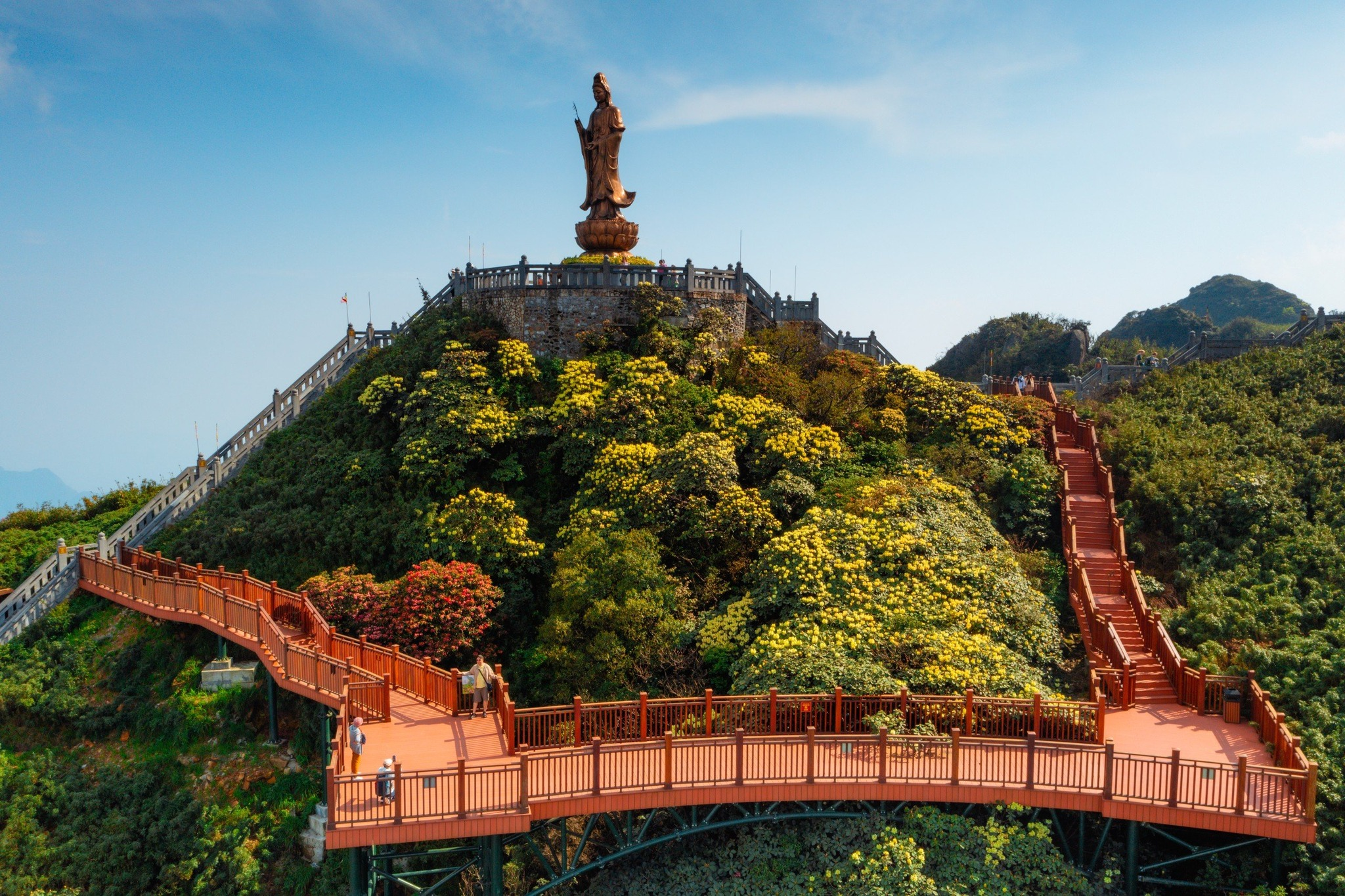
Prominent spiritual structures amidst the Fansipan mountains. (Source: Collected)
Besides the summit area, the spiritual complex on Fansipan is also a very worthwhile stop. The towering bronze Great Buddha Statue of Amitabha stands out against the blue sky, and the sacred space makes many feel peaceful as soon as they arrive. Bich Van Zen Monastery, nestled amidst clouds and sky with its ancient architecture, creates a scene that is both majestic and serene.
At noon, visitors can dine at the Van Sam buffet restaurant located at Hoang Lien station. The restaurant boasts a spacious area with a beautiful view of the mountains and forests. The buffet menu here is quite diverse with many specialties of the Northwest such as wild boar, black chicken, wild vegetables, Sapa salmon, along with Asian and European dishes prepared to suit various tastes.
After exploring the Fansipan peak in the morning, the afternoon is the perfect time to experience the cultural space and relax gently in the Ban May area and the Sapa rose valley within the Sun World Fansipan Legend complex.
Ban May is built as a space recreating the life of ethnic groups in the Northwest highlands with traditional wooden houses, hearths, brocade weaving areas, and many characteristic cultural activities. This is not a naturally existing village but a cultural experience area designed to help visitors better understand the daily life, customs, and handicrafts of the highland ethnic communities.
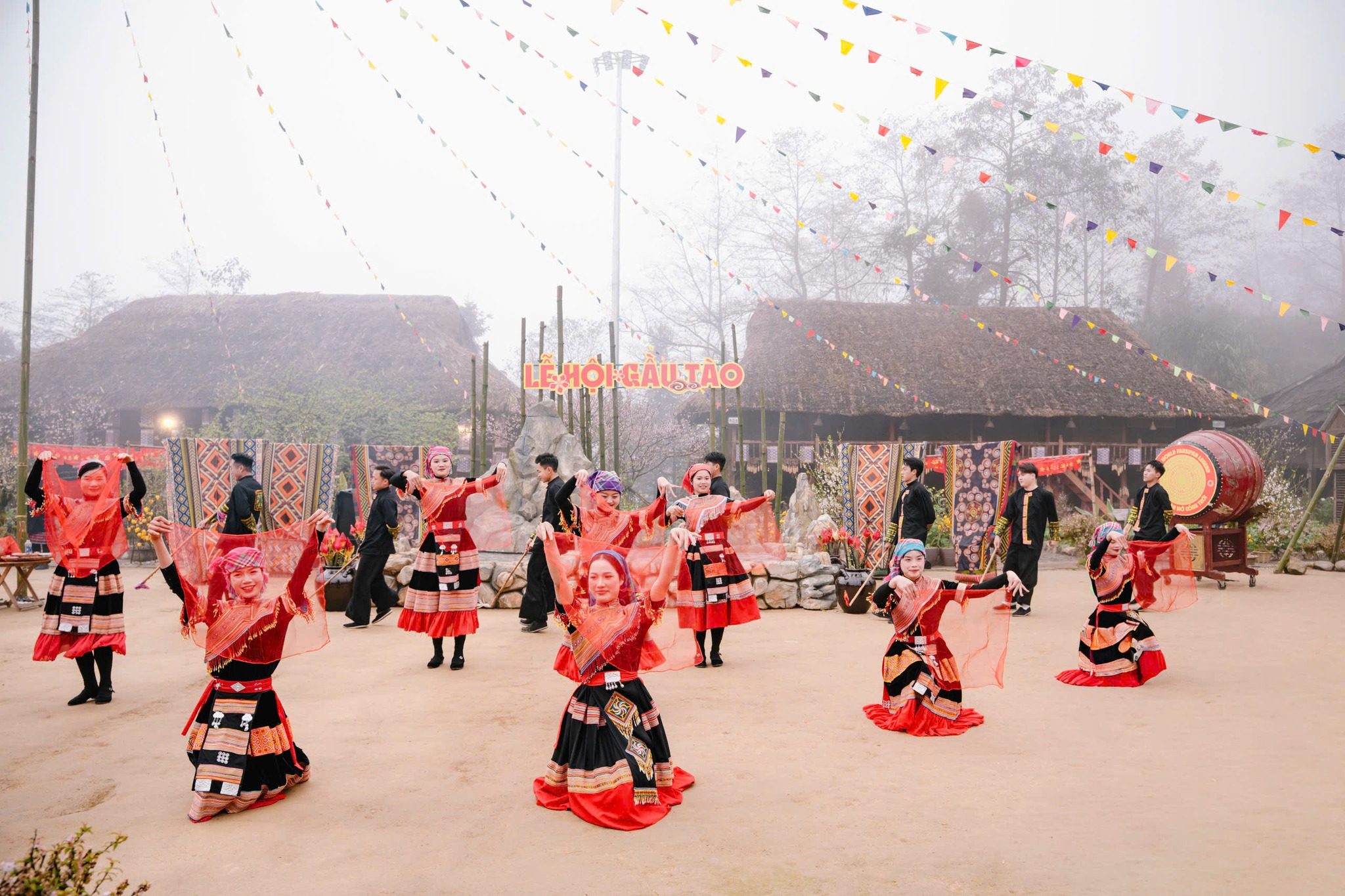
Unique ethnic cultural space of the Northwest at Ban May. (Source: Collected)
Near the Ban May area is a rose valley covering about 50,000 m2 with over 300,000 rose bushes covering all pathways and miniature landscape areas. The garden gathers about 150 different types of roses, from ancient Sa Pa roses to many famous foreign rose varieties such as Juliet, Abraham Darby, or Black Baccarat. When the flowers are in full bloom, the entire space is filled with vibrant red, pink, yellow, and white colors, standing out against the cool weather of the highlands.
Concluding the second day of the Sa Pa exploration journey, visitors return to their hotel to rest and relax after a long day of traveling through the Hoang Lien Son mountains. The evenings in Sa Pa are often pleasantly cool, suitable for resting early and preparing energy for the next day's exploration of Ta Van village and Muong Hoa valley.
2.3. Third day exploring Ta Van village and Muong Hoa valley
The last day of the Sa Pa exploration journey is suitable for gentle experiences amidst the nature of the Northwest mountains. After breakfast, visitors can spend time exploring Muong Hoa valley, one of the most famous and beautiful destinations in Sa Pa.
Muong Hoa valley is also famous for its ancient stone field scattered among the fields and small streams winding through the valley. Depending on the time of year, this place offers a unique beauty.
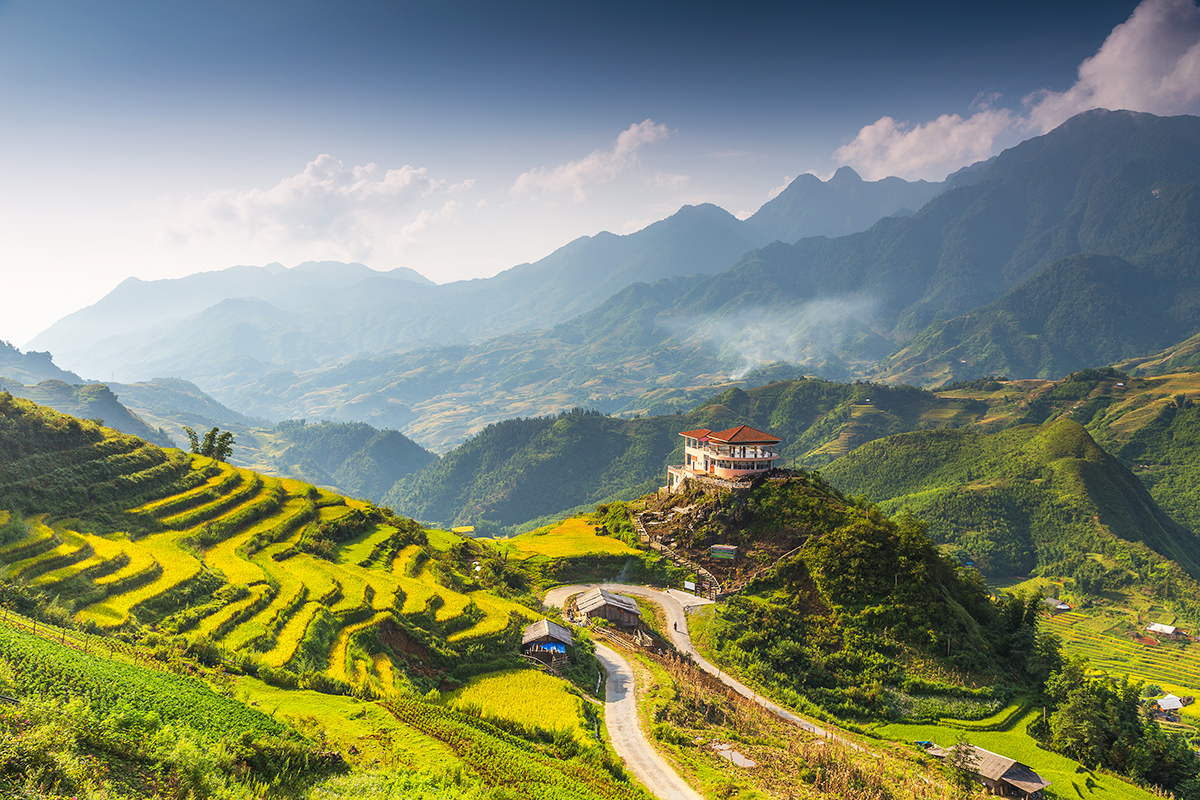
Peaceful scenery in Muong Hoa Valley in the morning. (Source: Collected)
After finishing the exploration journey of Muong Hoa Valley, tourists return to Sa Pa center to have lunch and rest lightly before leaving. The central area has quite a few restaurants serving Northwestern specialties such as Sa Pa salmon, sturgeon, grilled free-range pork, bamboo-tube rice, or cat mustard greens.
After lunch, tourists can spend more time strolling around the stone church area, Sa Pa market, or Sun Plaza to buy souvenirs and specialties to bring home. Products such as Shan Tuyet tea, brocade, chestnuts, smoked buffalo meat, or highland medicinal herbs are always chosen by many people after each Sa Pa trip.
3. Tips to make your Sa Pa itinerary more convenient
3.1. Prioritize visiting Fansipan in the morning to easily hunt for clouds
The period from around 7 AM to 10 AM is usually when the sea of clouds appears most beautifully on Fansipan. When the sun has not risen too high, the cloud layer is still thick and creates a very impressive scene around the mountain peak. This is also the time when the weather is stable and the light is better for photography.
If you go too late, many days the clouds will dissipate quickly or thick fog will appear, limiting visibility. Therefore, in any Sa Pa itinerary, Fansipan should always be prioritized in the morning.
3.2. Prepare a light jacket even in summer
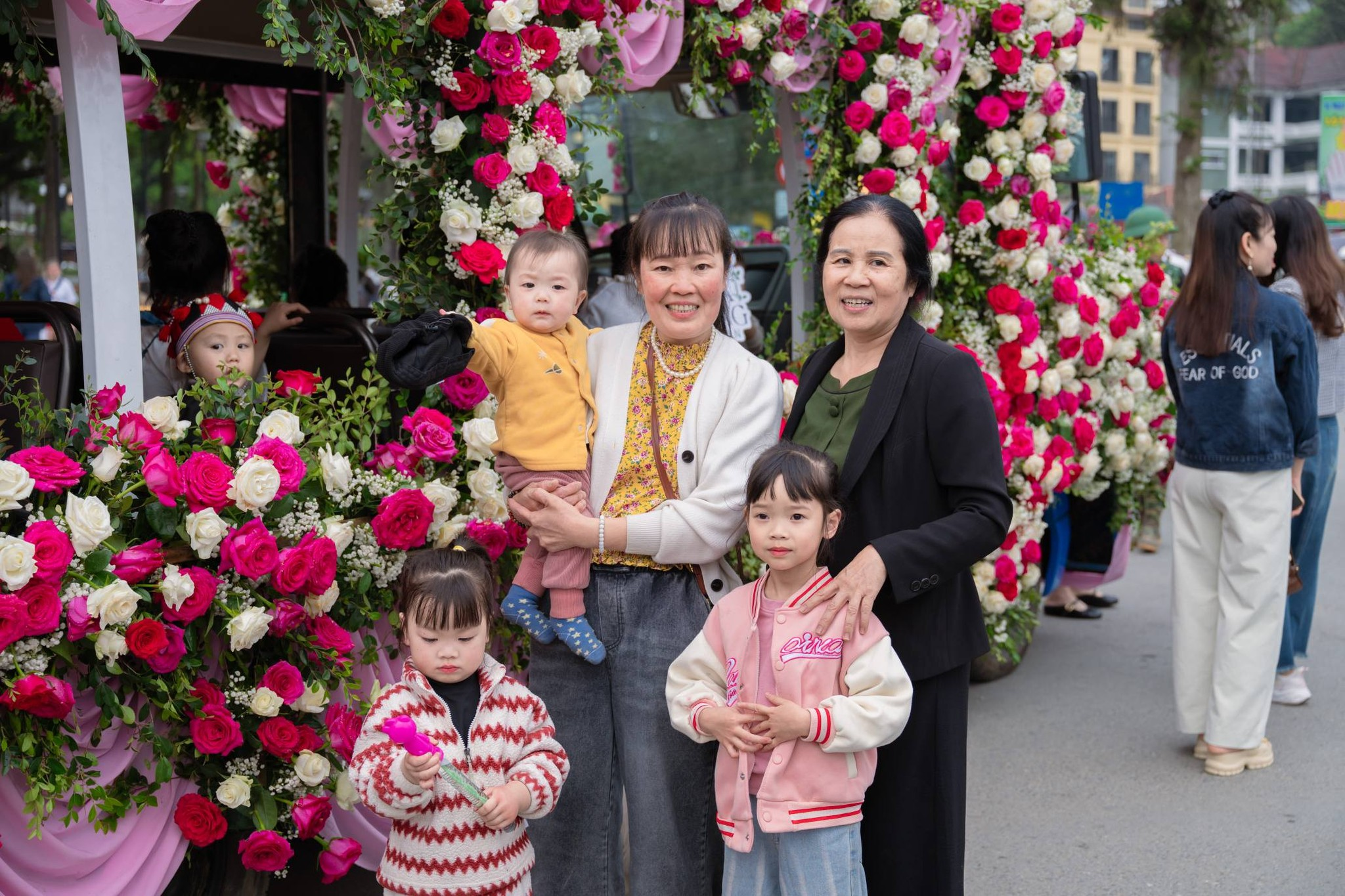
Tourists should bring a light jacket when traveling to Sa Pa. (Source: Collected)
The temperature in Sa Pa often drops quite quickly in the evening and early morning. Especially in the Fansipan area, the air is always many degrees colder than the town center due to its altitude of over 3,000m.
Even in summer, many tourists still feel cold standing on the Fansipan peak in the early morning. Therefore, a light jacket is always a necessary item for the journey to explore Sa Pa.
3.3. Check the weather before departure
The weather greatly affects the experience in Sa Pa, especially for cloud hunting trips and riding the Fansipan cable car. Clear days usually offer beautiful views, while heavy rain or thick fog can limit many activities.
Checking the weather forecast before the trip will help tourists easily adjust their plans accordingly, and increase the chances of catching beautiful sea of clouds on Fansipan.
Not only famous for its cool climate and majestic mountain scenery, Sa Pa also offers a diverse exploration journey from nature, culture to highland cuisine. With a reasonable Sa Pa itinerary for 3 days and 2 nights, tourists can easily combine cloud hunting on the Fansipan peak, exploring the Northwest villages and enjoying a relaxing space amidst the Hoang Lien Son mountains. Don't forget to prioritize booking Fansipan cable car tickets early to make your journey to conquer the Indochinese roof more convenient and have the opportunity to fully enjoy the most beautiful moments of Sa Pa.