















1. Overview of the Sa Pa – Mu Cang Chai 2 Days 1 Night Itinerary
The Sa Pa – Mu Cang Chai 2 Days 1 Night itinerary is an ideal choice for travelers who want to fully explore the characteristic beauty of the Northwest within a short timeframe. With just two days and one night, you still have the opportunity to conquer majestic mountain passes, admire the pristine natural landscapes, and enjoy the fresh, cool atmosphere of the highlands. This journey is particularly suitable for busy individuals who still love to experience, explore, and wish to "change the scenery" from the bustling urban life. However, due to the considerable travel distance between Sa Pa and Mu Cang Chai, travelers should consider a reasonable itinerary to ensure the trip is both complete and relaxing.
1.1. Attractions of the Sa Pa – Mu Cang Chai 2 Days 1 Night Itinerary
The biggest attraction of the Sa Pa – Mu Cang Chai 2D1N itinerary lies in optimizing time while still offering an authentic Northwest experience. With a travel distance of about 159km, the journey from Sa Pa to Mu Cang Chai takes travelers through winding, majestic mountain passes, perfect for those who love self-guided travel and the feeling of conquest. The average travel time of 4 to 5 hours is not only an interesting challenge but also an opportunity for you to fully admire the mountain scenery, highland villages, and terraced fields stretching along the mountainside.
1.2. Appeal of Sa Pa and Mu Cang Chai Destinations
Sa Pa is a famous tourist town located at an altitude of about 1,650m above sea level, in Lao Cai province, about 317km from Hanoi. Thanks to its special geographical location, Sa Pa enjoys a cool climate year-round, with temperatures usually about 10 degrees Celsius lower than in the Northern plains. It strongly impresses visitors with its majestic natural scenery, rolling mountains, picturesque terraced fields, and the unique cultural identity of ethnic minorities.
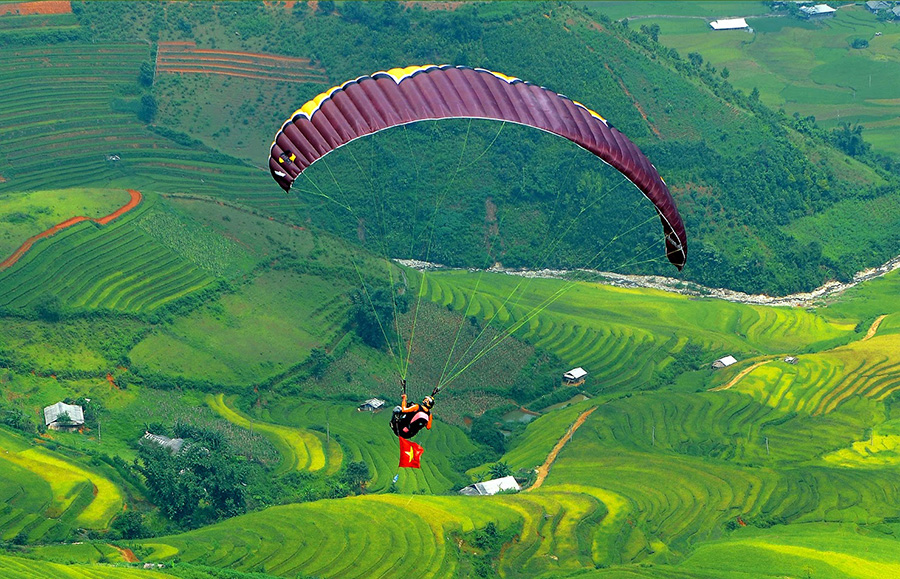
Sa Pa and Mu Cang Chai are two popular Northwest destinations. (Source: Collected)
Meanwhile, Mu Cang Chai is a mountainous district in Yen Bai province, about 308km from Hanoi, famous nationwide for its majestic terraced fields, likened to "stairways to heaven". This is one of the most outstanding natural landscapes in Vietnam, especially vibrant during the ripe rice season and the water-pouring season. The combination of Sa Pa and Mu Cang Chai in a 2-day, 1-night itinerary will bring visitors a complete experience from the climate, landscape to the characteristic culture of the Northwest mountainous region.
2. Directions from Sa Pa to Mu Cang Chai
From the center of Sa Pa town, visitors move along Dien Bien Phu street to enter National Highway 4D, the arterial road connecting Sa Pa with Northwest provinces. On this journey, you will pass by the famous Silver Waterfall tourist area – a familiar stop for many tourists. Continuing along QL4D, you will reach the border area between Lao Cai and Lai Chau provinces, marking the beginning of the majestic O Quy Ho pass.
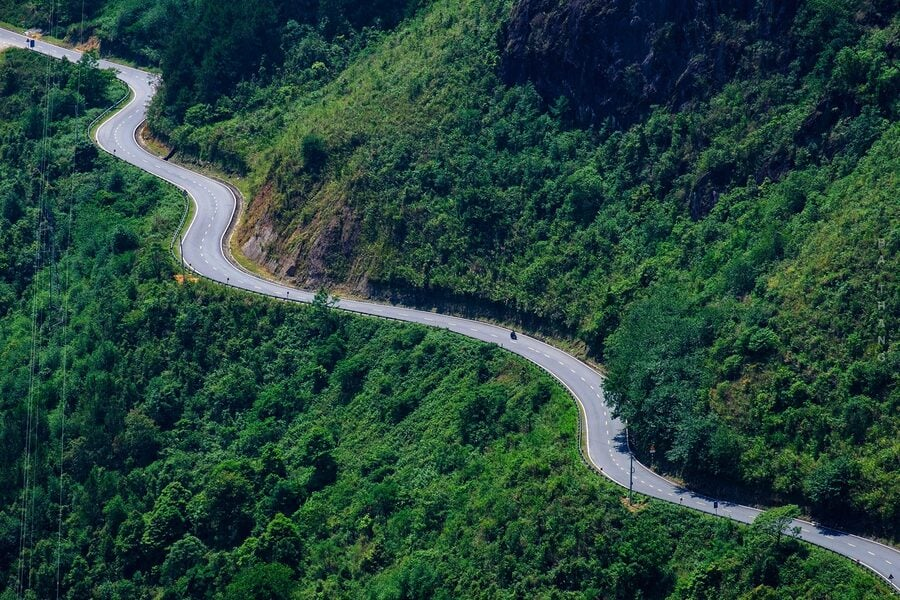
The journey from Sa Pa to Mu Cang Chai. (Source: Collected)
Crossing the O Quy Ho pass – one of the "four great mountain passes" of the Northwest, the Sa Pa – Mu Cang Chai journey reveals a spectacular natural landscape with rolling mountains, deep valleys, and winding terraced fields on both sides of the road. After the pass, you continue along National Highway 4D until you reach the intersection with National Highway 32. Here, turn left onto NH32, the only road leading directly to Mu Cang Chai, taking you deeper into the land famous for the "golden staircases" of the Northwest.
3. Day 1: Sa Pa – Mu Cang Chai
The first day of the Sa Pa – Mu Cang Chai 2-day 1-night itinerary is a journey to conquer the most beautiful mountain passes in the Northwest, opening up a majestic and emotional natural panorama.
3.1. Traveling from Sa Pa to Mu Cang Chai
The distance from Sa Pa to Mu Cang Chai is about 159km, with an average travel time of 4 to 5 hours depending on weather conditions and vehicle. Although not too far, this journey requires travelers to prepare carefully due to the winding mountain roads, high altitude, and continuous travel.
In return, this route offers a particularly attractive experience with its majestic mountain scenery, misty skies, and endless valleys. Motorbikes and personal cars are the two most popular means of transport, suitable for travelers who love exploration and conquest.
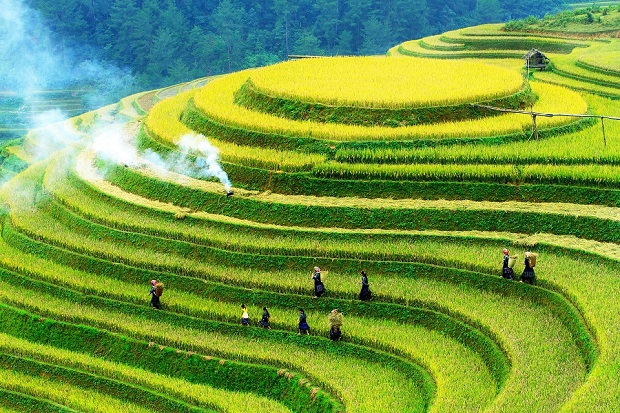
Mu Cang Chai is a destination combined by many tourists in their Sa Pa trip. (Source: Collected)
On the Sa Pa – Mu Cang Chai journey, tourists will successively cross legendary passes. First is O Quy Ho Pass, the "king" of the four great Northern mountain passes, notable for its height, length, and majestic cloud and mountain scenery. Next is Khau Pha Pass, one of the most beautiful and challenging passes in Vietnam, where you can gaze out at the panoramic view of the terraced rice valley winding like stairs to the sky.
3.2. Check-in at Mu Cang Chai Terraced Fields
Upon arriving in Mu Cang Chai, tourists cannot miss the famous terraced field check-in spots such as La Pan Tan, Che Cu Nha, or De Xu Phinh. These fields stretch along the mountainside, soft like waves of rice, especially vibrant during the ripe rice season or the water-pouring season, creating the renowned Mu Cang Chai tourism brand throughout the country and internationally.
3.3. Overnight Stay in Mu Cang Chai
At the end of the first day, tourists can choose to stay overnight in village homestays to immerse themselves in the simple life of the local people, saving costs while supporting community tourism.
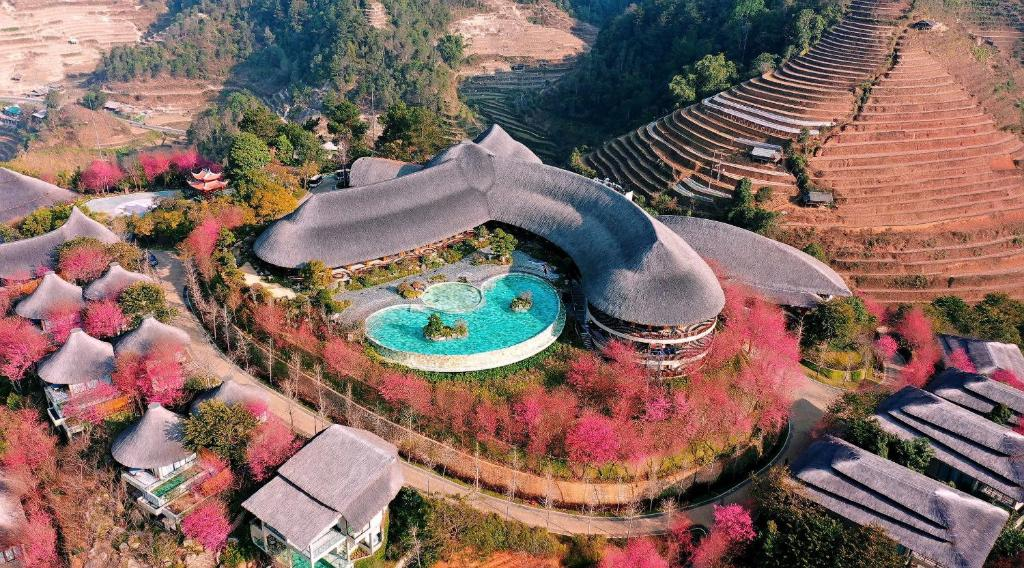
Luxury resort choice in Mu Cang Chai. (Source: Collected)
If you love a high-class resort space, Garrya Mu Cang Chai resort is an ideal choice with a panoramic view of the Northwest mountains and forests. The quiet, cool nights in the highlands, amidst the serene mountain space, will surely be a memorable experience in your journey to explore Mu Cang Chai.
4. Day 2: Mu Cang Chai – Sa Pa
The second day of the 2-day, 1-night Sa Pa – Mu Cang Chai itinerary begins in the peaceful and poetic scenery of the Northwest highlands, where nature and people blend in a simple, authentic way.
4.1. Watching the sunrise over the terraced fields
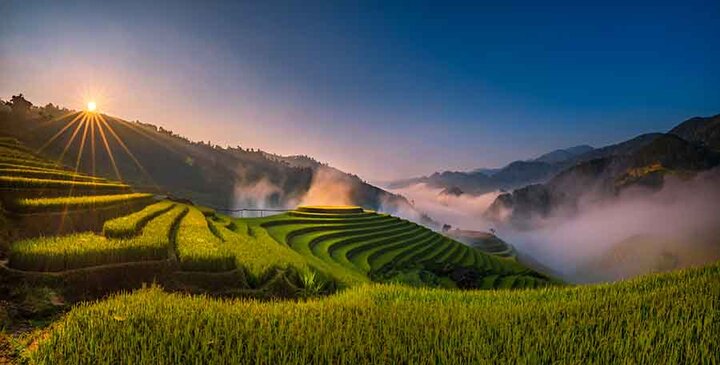
Early morning in Mu Cang Chai is the most beautiful time of the day when the first sunlight gently penetrates the mountains, covering the terraced fields with a layer of shimmering golden light. Morning mist drifts lazily over the rice paddies, creating a magical scene, perfect for photography and capturing impressive moments. This is also when Mu Cang Chai dons its quiet, pristine beauty that is not always present at other times of the day.
4.2. Visiting Mong ethnic villages
After watching the sunrise, visitors can spend time visiting the Mong ethnic villages to feel the daily rhythm of the highland people. Simple wooden houses, children playing, images of people diligently working in the fields or at the loom create a vibrant picture of daily life with rich cultural identity. The architecture of the houses, traditional costumes, and local customs here offer visitors an authentic glimpse into the indigenous culture of the Northwest.
4.3. Returning to Sa Pa and concluding the journey
Leaving Mu Cang Chai, visitors travel back to Sa Pa along the familiar mountain pass, once again admiring the majestic beauty of the Northwest mountains and forests. Upon arriving in Sa Pa, you can rest, wander around the town, and buy local specialties as gifts before concluding the journey. The 2-day, 1-night Sa Pa – Mu Cang Chai itinerary, though short, is enough to leave you with complete, profound, and unforgettable experiences of the enchanting Northwest region.
5. Tips for a 2-day, 1-night Sa Pa – Mu Cang Chai trip
To ensure the 2-day, 1-night Sa Pa – Mu Cang Chai trip is complete and safe, thorough preparation regarding timing, luggage, and travel skills is very important.
5.1. Ideal time to visit Mu Cang Chai
Mu Cang Chai is beautiful year-round, but the time most chosen by tourists is the ripe rice season. There are two rice seasons here each year: April-May is the early crop, and September-October is the season when the rice is ripest. Especially in September and early October, the terraced fields turn a golden hue, creating a spectacular landscape, very suitable for sightseeing and photography.
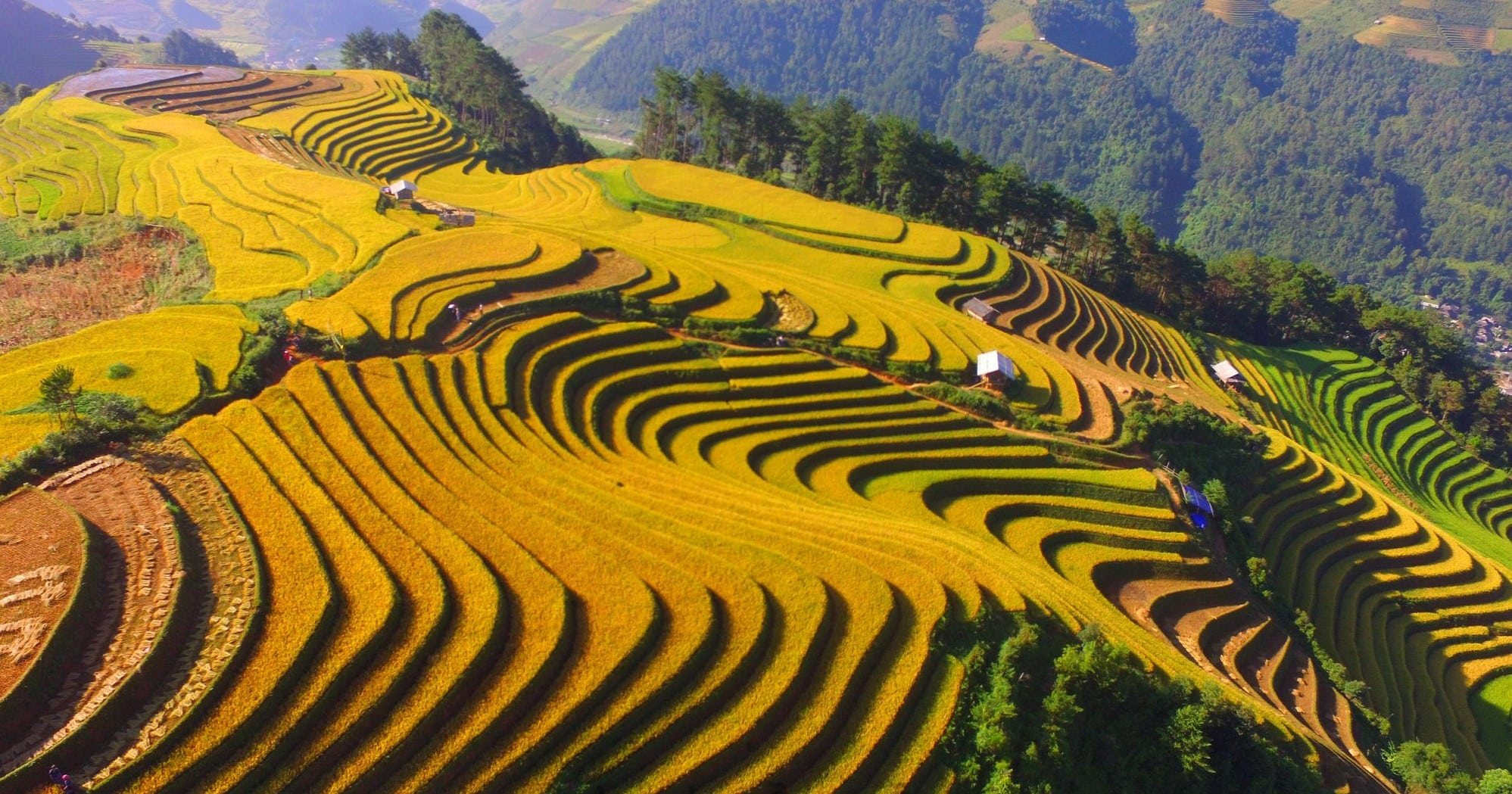
"Golden season" in Mu Cang Chai. (Source: Collected)
5.2. Prepare personal belongings carefully
Due to the mountainous terrain and long travel time, you should prepare light and convenient clothing, suitable for the highlands' weather, prioritizing thin jackets, long pants, and sports shoes or specialized trekking shoes. Additionally, a camera or a phone with good battery life is an essential item to capture beautiful moments on the Sapa – Mu Cang Chai route.
5.3. Safety notes when traveling on mountain passes
Passes like O Quy Ho or Khau Pha often experience thick fog in the early morning and late afternoon, especially during the rainy season. Therefore, you should check the weather forecast before your trip, limit night travel, and maintain a stable speed when driving. For motorbike travelers, strong mountain driving skills will ensure a safer and more comfortable journey.
6. Suggested other attractions
Besides the main Sapa – Mu Cang Chai itinerary, tourists can flexibly combine other notable attractions to make the trip more diverse and memorable. The following destinations not only enrich the experience but are also very suitable for resting, taking photos, and further exploring the unique beauty of the Northwest region.
6.1. Sun World Fansipan Legend
Sun World Fansipan Legend is a must-visit destination when returning to Sapa after exploring Mu Cang Chai. This tourist area takes visitors to conquer Fansipan peak – the "Roof of Indochina" at an altitude of 3,143m via a modern cable car system, making the journey to the summit easier and suitable for many people.
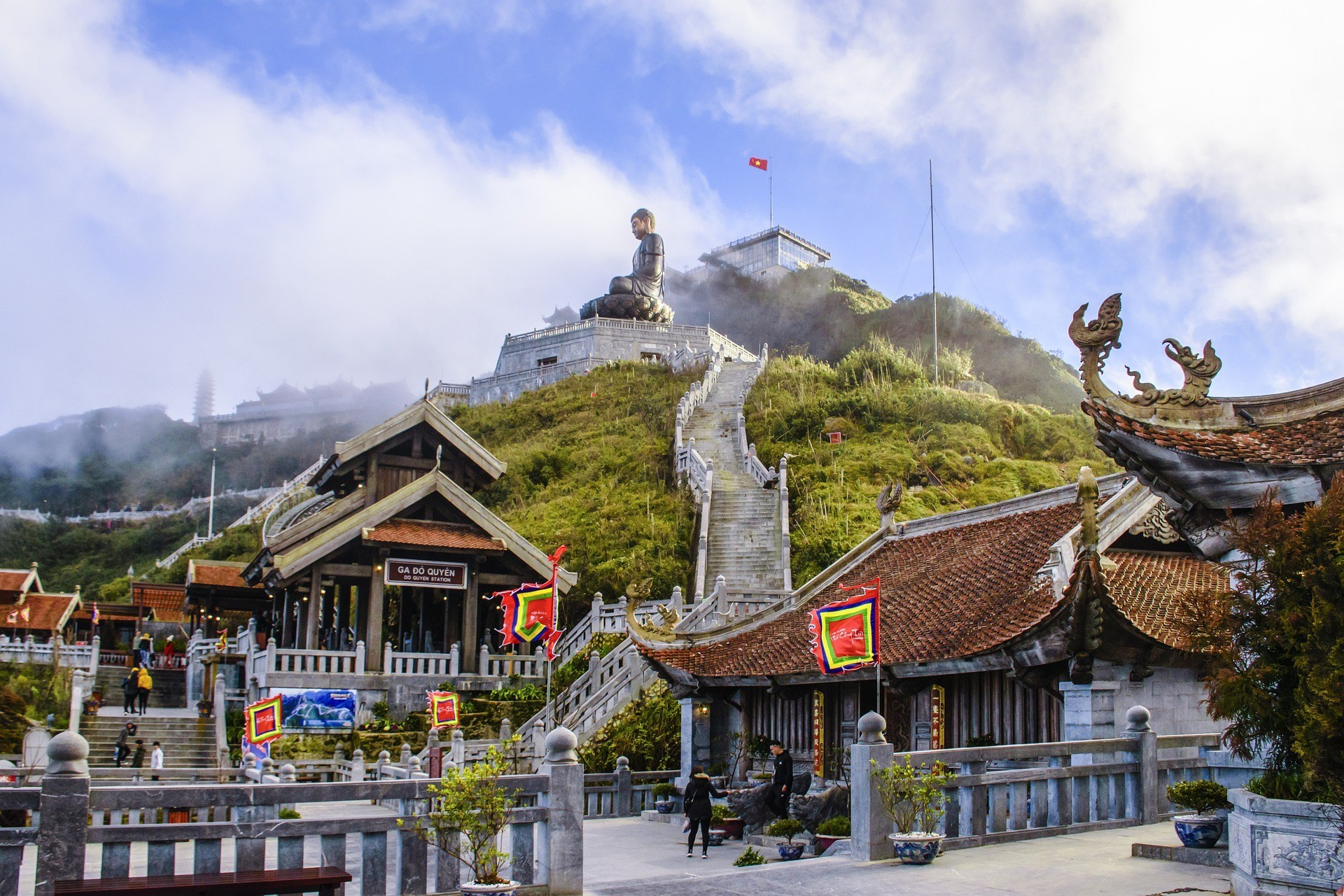
Include a visit to Sun World Fansipan Legend.
At Fansipan, you can not only admire the floating sea of clouds and the majestic mountain scenery of the Hoang Lien Son mountain range, but also have the opportunity to visit the spiritual complex on the mountaintop. On days with beautiful weather, the moment of standing on the peak of Fansipan looking at the panoramic view of the Northwest from above will surely be a memorable highlight of the trip.
6.2. Mam Xoi Hill
Mam Xoi Hill is the most prominent symbol of the Mù Cang Chải terraced fields and also a favorite check-in spot for many tourists. With a perfectly round shape like a giant raspberry, it makes a strong impression at first glance, especially during the ripe rice season.
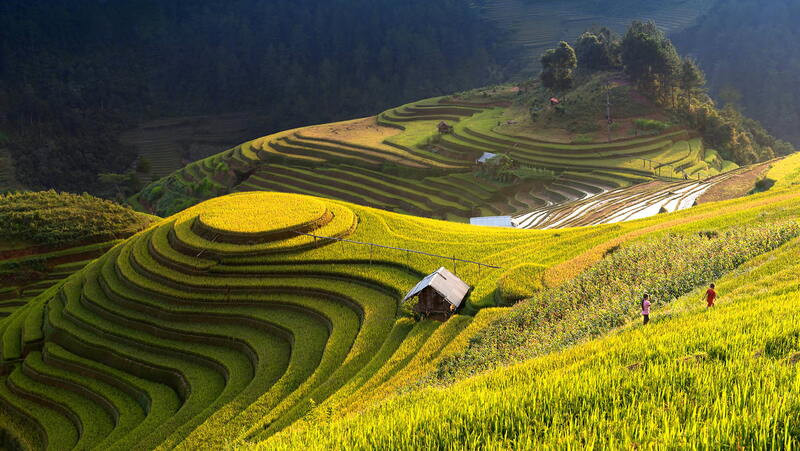
Mam Xoi Hill is one of the most special symbols in Mu Cang Chai. (Source: Collected)
The most beautiful time to visit Mam Xoi Hill is early morning or late afternoon, when the gentle sunlight shines down on the rice paddies, creating harmonious colors and depth for the photos. This is also an ideal place for tourists to fully appreciate the beauty of labor and the meticulousness of the highland people through each terraced field.
6.3. Mong Ngua Hill
Mong Ngua Hill impresses visitors with its gently curved terraced fields shaped like a horseshoe, creating a unique and different landscape compared to other spots in Mu Cang Chai. Viewed from above, the terraced fields are layered along the natural curves of the mountainside, evoking a sense of both grandeur and poetic beauty.
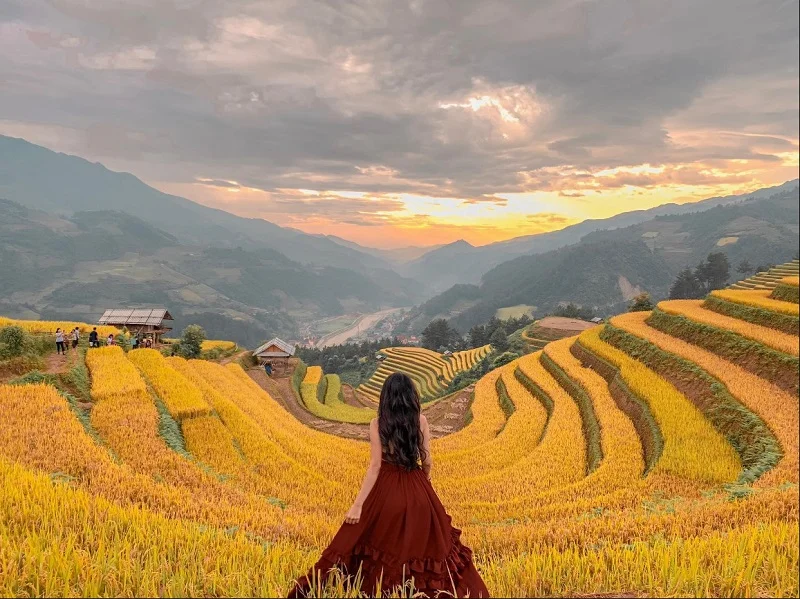
“Check-in” at Horseshoe Hill, Mu Cang Chai. (Source: Collected)
Not as crowded as Mam Xoi Hill, Horseshoe Hill is suitable for tourists who prefer a quiet space and want to fully enjoy the pristine beauty of the Northwest mountains. It is also an ideal stop for taking photos, relaxing, and feeling the slow pace of life in the highlands before ending the Sa Pa – Mu Cang Chai journey.
With a short but rich experience, the 2-day, 1-night Sa Pa Mu Cang Chai itinerary is an ideal choice for nature lovers, those passionate about conquering mountain passes, and those who want to explore the unique beauty of the Northwest region. With careful preparation and reasonable arrangement, you can completely enjoy a memorable journey amidst the majestic mountains and peaceful villages.