















1. Introduction to Sa Pa Corn Cake
1.1. What is Sa Pa Corn Cake?
In the Northwestern mountainous region, the Hmong and Red Dao people still call this cake by the familiar name "Pau po cu". This is a traditional cake passed down from generation to generation, closely associated with the rhythm of life of the ethnic groups here. Sa Pa Corn Cake usually has a round, flat shape, a natural golden color, spreading the aroma of grilled corn mixed with the scent of banana leaves or forest leaves wrapped around it.
The special point that creates the unique mark for Sa Pa Corn Cake is its rustic simplicity yet rich in Northwestern essence. The preparation is not too elaborate, the ingredients are all close to local agricultural life, helping to preserve the natural taste of young corn and the breath of the mountains. Each cake seems to hold stories about the people, the land, and the highland culture.
1.2. Why has Sa Pa Corn Cake become a local culinary icon?
Corn is a staple crop that has been associated with highland people for generations. The cornfields stretching across the mountainsides not only provide food but also harmonize with daily labor life. Sa Pa Corn Cake was born from the desire to preserve and optimally utilize this precious food source.
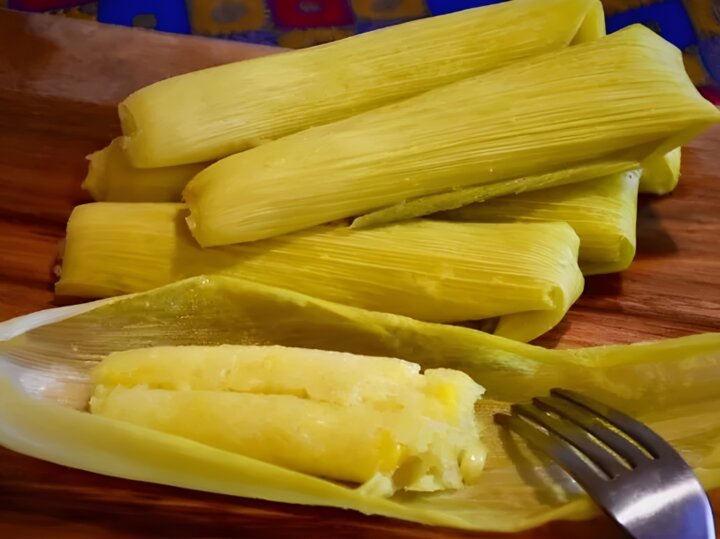
The aroma of Sa Pa corn cake makes the cake special. (Source: Compilation)
On cold winter nights in Sa Pa, when the whole family gathers around the charcoal stove, sharing hot corn cakes, that moment becomes a symbol of warmth, connection, and love. The aroma of Sa Pa corn cake not only dispels the cold but also creates memorable moments with loved ones.
For tourists, enjoying Sa Pa corn cake amidst the misty scenery and majestic mountains and forests makes that warm feeling even more special. This is truly an opportunity for everyone to clearly feel the highland culture through a simple dish.
2. Ingredients for authentic Sa Pa corn cake
The key to creating the unforgettable flavor of Sa Pa corn cake lies in selecting ingredients right from the highland fields. The corn used is the local young glutinous corn, grown traditionally without chemicals, harvested early in the morning when the corn is still dewy, ensuring its natural sweetness and freshness.
Banana leaves or forest leaves used to wrap the cake also play an important role, not only protecting the cake during cooking but also imparting a characteristic aroma to each piece. The leaves are carefully selected, fresh and intact, helping the cake retain its beautiful shape and sweet flavor.
Most importantly, old corn should not be used, as it will make the cake dry, less chewy, and reduce its natural sweetness. In particular, glutinous corn grown in Sa Pa is often preferred for its chewiness and unique aroma.
3. Traditional Sa Pa corn cake preparation process
3.1. Selecting and preparing young corn
Early morning is considered the most suitable time to harvest young corn, when the water content and natural sweetness of the kernels are at their optimal level. Cake makers often gently remove each kernel by hand, selecting and discarding any kernels that are old or do not meet the standards.
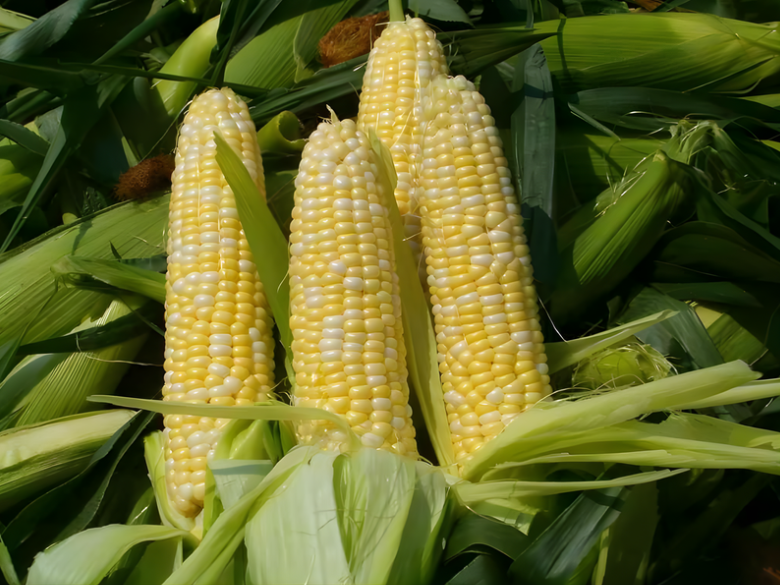
People have to select each young corn cob. (Source: Collected)
Next, the corn kernels are ground finely using traditional stone mortars, which helps preserve the kernel's structure while ensuring smoothness. Some places use knives to chop them finely, but all emphasize not adding water during the preparation process, with the aim of fully preserving the original sweetness of the young corn.
3.2. Processing and Shaping the Cake
Compared to many other types of cakes, Sa Pa corn cake is processed according to a traditional recipe that only requires mixing the ground corn with a little salt to enhance the flavor. Depending on the family, a little sugar may be added to vary the taste according to personal preference, but the general principle is not to add rice flour or wheat flour to preserve the full corn flavor.
After mixing thoroughly, the corn dough is shaped into round, flat cakes, fitting snugly into the palm of the hand. Each cake is carefully wrapped in banana leaves or forest leaves, forming small, pretty packages. The wrapping process requires dexterity to ensure the cake is not too tightly bound, yet sealed enough to retain its flavor and shape after cooking.
3.3. Cooking the Sa Pa Corn Cake
Typically, Sa Pa corn cake is cooked by grilling over charcoal embers. The wrapped cakes are placed on a charcoal stove or a pan lined with leaves, and grilled evenly on both sides until the cake's crust turns golden brown and its aroma spreads. The cook must pay attention to adjusting the heat so that the cake does not burn but retains its chewy, fragrant texture.
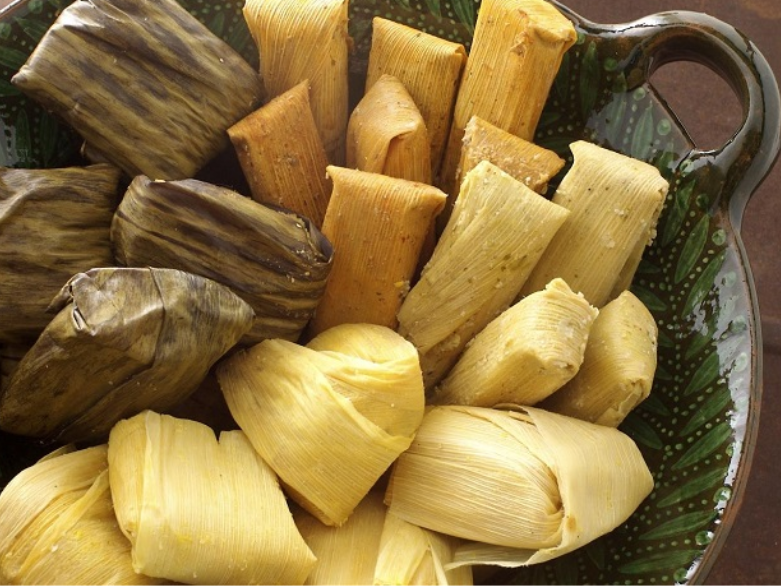
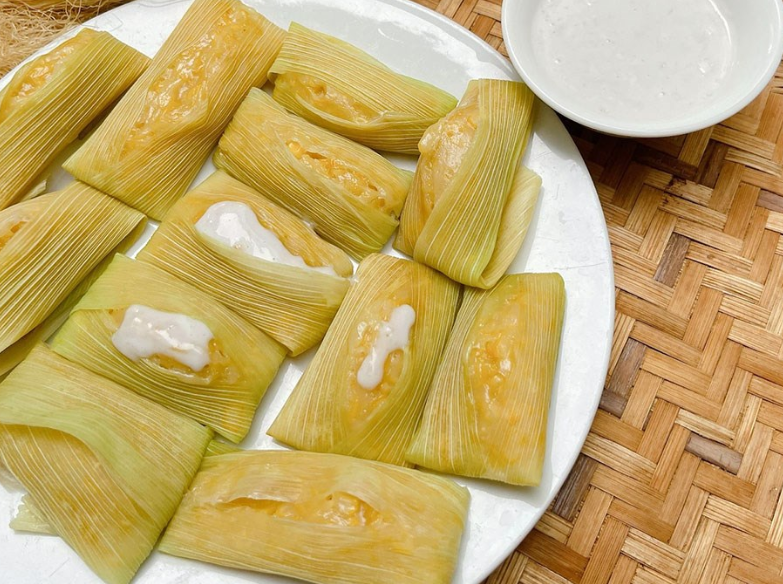
The cakes are wrapped in banana leaves or dong leaves and then steamed. (Source: Collected)
Besides grilling, some places also steam the cakes depending on the weather or preference. Whichever method is used, the corn cakes when cooked all achieve a soft and chewy texture, fragrant and rich with the scent of young corn blended with the aroma of the leaves, making it unforgettable for anyone who tastes it.
4. Guide to enjoying and preserving Sa Pa corn cakes
4.1. Enjoying Sa Pa corn cakes the "authentic" way like locals
To fully appreciate the flavor of Sa Pa corn cakes, enjoy them while they are still hot, fresh from the oven. At this time, the cake's crust is soft, the filling inside is chewy, and the sweet, nutty taste of young corn blends with the aroma of the leaves, creating a unique taste experience.
Locals often eat corn cakes with hot tea, or add a little sugar to taste, which enhances the sweetness and brings a warm, familiar feeling, just like the generations-old tradition of the highland people.
4.2. How to preserve Sa Pa corn cakes when buying as gifts
If you want to bring Sa Pa corn cakes home as gifts for relatives, keep the cakes in their original leaf wrapping, place them in a cool, dry place, away from direct sunlight or high humidity. This preservation method helps the cakes retain their flavor for about 1 to 2 days.
When you want to eat cakes that have been kept for a day or more, simply steam them again for about 5 to 10 minutes, and they will become softer and more fragrant. When choosing to buy, prioritize cakes with an even yellow color, not burnt edges, no strange smell, feel soft to the touch, and smell of young corn and banana leaves.
5. Where to buy delicious Sa Pa corn cakes
5.1. Sa Pa Night Market - a paradise of highland specialties
At Sa Pa Night Market, you will easily find many stalls selling traditional Sa Pa corn cakes at reasonable prices and guaranteed quality. The areas around the central district, Cau May street, and along Fansipan street also have quite a few famous corn cake shops, loved by locals and tourists alike.
5.2. Some ethnic minority villages
For a more authentic experience, you should visit villages like Cat Cat, Ta Van, and Ta Phin to enjoy Sa Pa corn cakes right where the ethnic communities live. Here, you can observe each step of the cake-making process, and even try your hand at the traditional preparation process.
Combining the enjoyment of corn cakes with exploring the villages and taking photos amidst the majestic and poetic mountain scenery will leave an unforgettable impression. The fresh air, hospitable people, and hot corn cakes will surely make your trip to Sa Pa more meaningful.
6. Suggested itinerary for exploring cuisine and entertainment in Sa Pa
6.1. Suggested one-day itinerary in Sa Pa
Start your day in Sa Pa with a fragrant cup of coffee in the center, accompanied by chestnut cakes or the familiar thick cakes of the highlands, and you will feel refreshed for the journey ahead.
For lunch, visit Cat Cat village to learn about the H'Mong culture and enjoy mountain specialties such as grilled stream fish and thang co. These dishes are not only appealing to the taste buds but also rich in tradition.
The afternoon is the ideal time to go up to Sun World Fansipan Legend, gaze out at the majestic Northwest panorama from Fansipan peak. When the town lights up, stroll around the night market, enjoy hot Sa Pa corn cakes, and then buy a few to take home as gifts, concluding a memorable day in this land.
Sa Pa corn cakes are not just a traditional dish but also represent the culture and hospitality of the people in the Northwest highlands. When you come to Sa Pa, don't forget to savor that warm flavor and create many cherished memories with your loved ones!