















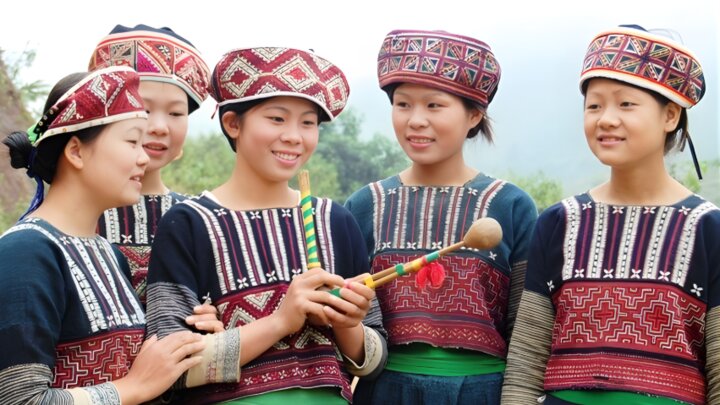
1. Introduction to the Sa Pa banana flower festival
1.1. Origins of the Sa Pa banana flower festival
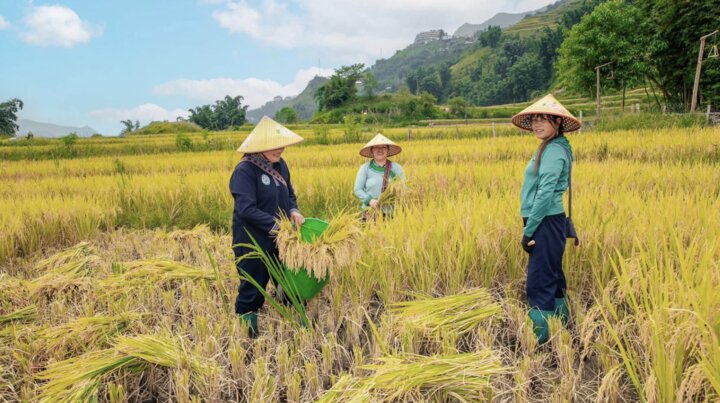
The Xa Pho people are one of the ethnic minority communities who have long resided in Sa Pa, alongside the Mong, Dao, Tay, and Giay ethnic groups. They are deeply connected to mountain farming, cultivating rice and corn, and raising livestock on high mountain slopes. From the foundation of that traditional agricultural culture, the Sa Pa banana flower festival emerged as a ritual to pray for a good harvest, rich in spiritual and belief elements.
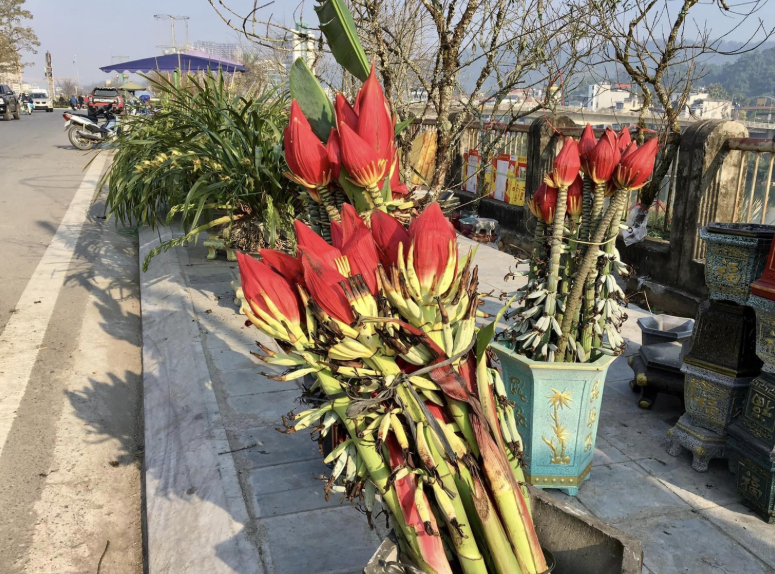
Red banana flower in Sa Pa banana flower festival . (Source: Collected)
Initially, the Sa Pa banana flower festival was only held within the small village, organized by the village chief or a shaman. Offerings were made to the deities to express gratitude after a bountiful harvest and to convey wishes for a favorable new crop. Banana flowers became an indispensable offering due to their familiarity and closeness in daily life, symbolizing the growth and reproduction of crops and livestock.
As Sa Pa became a famous tourist destination, the Sa Pa banana flower festival was widely introduced as a typical cultural value of the Northwest highlands. The ancient agricultural ritual gradually became known to the community, turning into a cultural event that attracted the attention of visitors from all directions.
1.2. Time and place of the festival
The banana flower festival of the Xa Phó people is held annually on the 9th day of the 9th lunar month, becoming an important milestone in the cultural and spiritual life of the Xa Phó ethnic community. This is the time when people perform rituals to pray for good harvests, prosperity, and happiness.
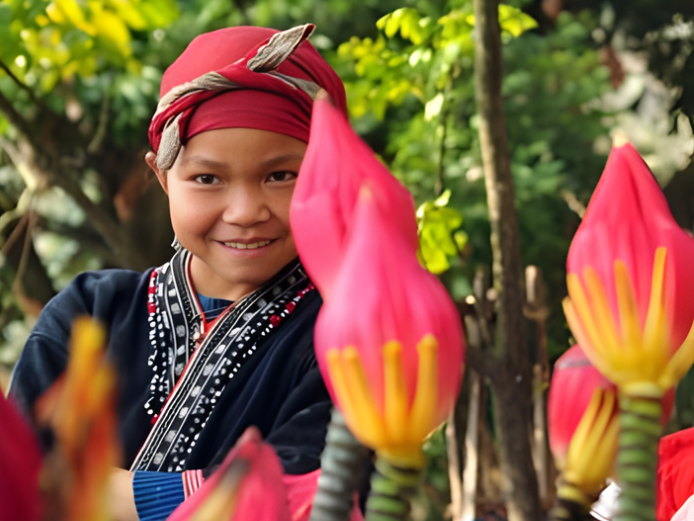
The festival takes place in the villages of the Xa Pho people. (Source: Collected)
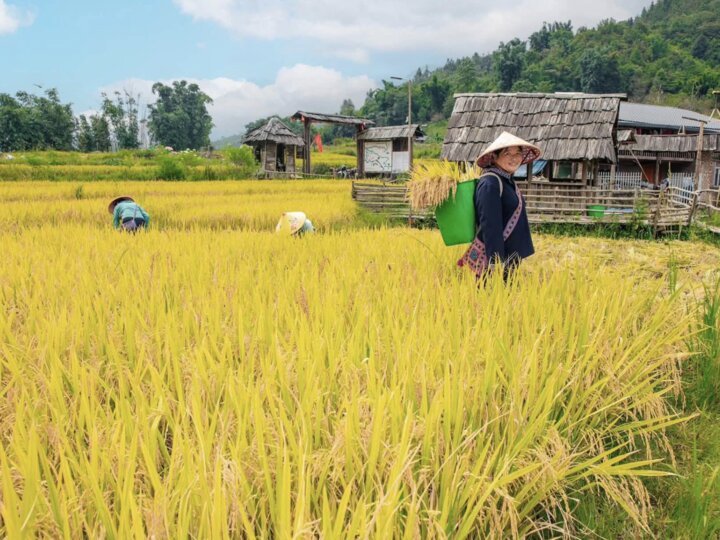
The festival takes place in the villages of the Xa Pho people in Lao Cai province, including some villages in Sa Pa. The venue is usually the land at the entrance of the village or the community living area, closely associated with the traditional living environment of the Xa Pho people. The villages where the festival is held are located amidst the Northwest mountains and forests, with traditional stilt houses, terraced fields, and characteristic natural landscapes. This village space contributes to creating the unique cultural nuances of the Banana Blossom Festival, reflecting the close relationship between people and the land, mountains, forests, and indigenous beliefs.
2. Profound Significance of the Sa Pa Banana Blossom Festival
2.1. Beliefs and Spirituality Connected to the Life of the Xa Pho People
The Sa Pa Banana Blossom Festival clearly reflects the Xa Pho people's philosophy of living in harmony with nature. In their spiritual life, land and water are crucial factors determining harvests and survival. The organization of rituals to pray for good harvests is not merely a prayer but also expresses the close relationship between people and traditional agriculture.
According to the Xa Pho people's beliefs, the banana blossom is a symbol used to send prayers to ancestors and deities. The overlapping layers of blossoms symbolize fertility, abundance, and prosperity. Each petal carries the wish for bountiful harvests, favorable weather, healthy crops and livestock, and protection from pests, diseases, and natural disasters.
The Sa Pa Banana Blossom Festival also serves as a spiritual thread connecting the community to its long-standing agricultural beliefs. Prayers are directed towards full granaries, healthy livestock, and the hope for peace and unity within the village. It is this spiritual value that has helped the Xa Pho people preserve their traditional cultural identity through generations.
2.2. Sa Pa Banana Blossom Festival – A Symbol of Community Solidarity
The spirit of community solidarity is clearly demonstrated through the way the Banana Blossom Festival is organized. Each family in the village contributes offerings such as rice, chicken, traditional wine, grilled forest birds, and fermented fish sauce to serve the rituals. The act of preparing offerings together signifies responsibility and reflects the strong bond and spirit of sharing among the families in the village.
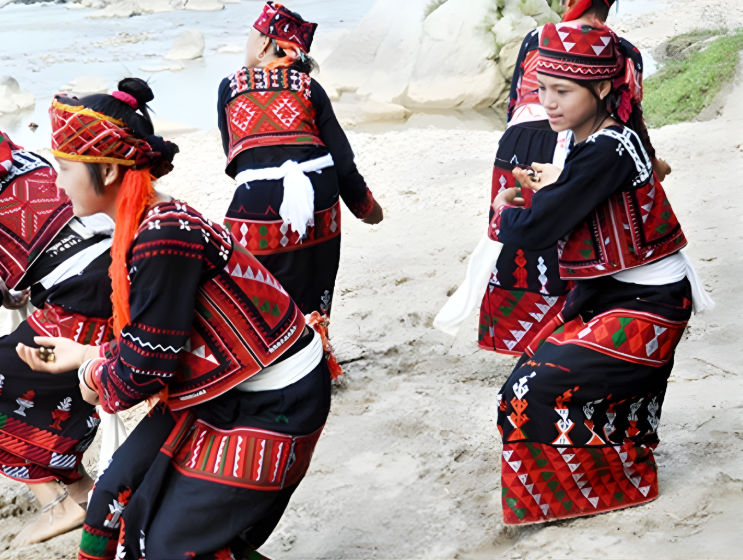
Sa Pa Banana Flower Festival plays the role of a spiritual thread connecting the community with ancient agricultural beliefs. (Source: Collected)
After completing the ritual, everyone gathers around the community meal, enjoying traditional dishes, singing, dancing, and chatting. The space where the entire village eats and lives together creates a friendly atmosphere, contributing to strengthening neighborly bonds and providing an opportunity for generations to exchange and pass on production experiences.
The Sa Pa Banana Flower Festival thus becomes a grand festival for the Xa Pho community. Everyone participates, contributes, and shares the fruits, creating motivation for the community to overcome difficulties and continue preserving traditional cultural values in modern life.
3. Unique rituals and activities in the Sa Pa Banana Flower Festival
3.1. Preparing offerings and erecting the banana tree
The preparation of offerings in the Sa Pa Banana Flower Festival is carried out by the families in the village together. Before the festival, each family brings offerings to contribute to the host family, including sticky rice, chicken, traditional wine, 3 grilled birds, fermented fish sauce, and chili salt. These offerings are prepared centrally at the host family's house to serve the ritual.
After the dishes are completed, the offerings are arranged on woven bamboo trays and brought to the land at the entrance of the village – where the main rituals take place. The arrangement of the offering trays in rows signifies solemnity and respect for ancestors and deities.
Besides preparing offerings, the Xa Pho people also erect a banana tree in the ritual area. A wild banana tree is carefully selected, surrounded by wild flowers, including red banana flowers, symbolizing luck and fertility.
3.2. Banana tree erection ritual and main ceremonies
The Sa Pa Banana Flower Festival is organized according to traditional, solemn, and sacred rituals. Before the host performs the ceremony, families light incense at their offering trays, praying to ancestors, land deities, forest deities, stream deities, and the deceased to witness the sincerity of the hosts.
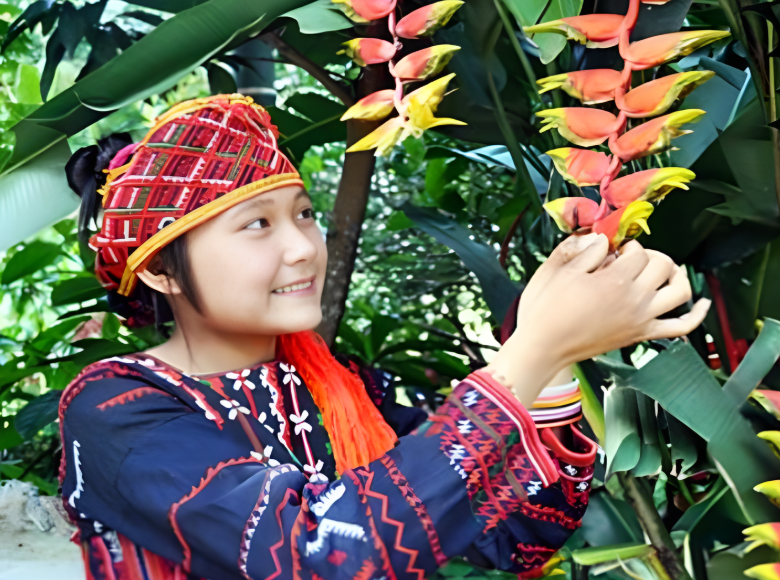
Red banana flower - a symbol of luck and fertility. (Source: Collected)
When the incense burns out, the host performs the ritual of bowing, asking permission to burn paper money, and signals the families to offer sacrifices. The dishes are then divided into two separate trays, one for men and male guests, and one for women, clearly showing the traditional customs in the community life of the Xa Pho people.
After the meal, the host and some young men perform the ritual of planting a banana tree in the ceremony area. This ritual symbolizes prayers for good harvests, a prosperous life, and divine protection for the entire village.
3.3. Harvest Dance, Ritual Performance, and Folk Games
The festival part of the Sa Pa Banana Flower Festival is lively with traditional harvest dances. Elders, youth, and couples participate in dancing, mimicking familiar agricultural actions such as plowing, harrowing, transplanting, harvesting, and reaping rice.
In addition, there are ritual performances reenacting hunting and gathering activities, reflecting the close relationship of the Xa Pho people with the mountains and forests. These dances not only create a joyful atmosphere for the festival but also express the hope for a new year with favorable weather and abundant harvests.
3.4. Communal Feast and Village Exchange
After completing the rituals, the banana flower festival continues with a warm communal feast. The dishes that were offered are brought out to be enjoyed together, including sticky rice, chicken, grilled birds, fermented fish sauce, and other local traditional products.
In a spirit of reunion, people chat, share production experiences, and tell each other stories of the village. The communal meal not only concludes the festival but also helps to strengthen relationships and consolidate the bond between families in the Xa Pho community.
4. Tips for Attending the Sa Pa Banana Flower Festival
4.1. Suggestions for Outfits and Gifts when Visiting Xa Pho Village
Choosing appropriate attire will make your journey to attend the Sa Pa Banana Flower Festival more comfortable and complete. The festival usually takes place when Sa Pa's weather begins to get chilly, especially in the early morning and late afternoon. Therefore, you should prepare warm clothes or windbreakers to keep warm while participating in outdoor activities.
When moving around the village, sneakers or soft-soled shoes are suitable choices, making it easier and safer to walk on steep, rough paths. Neat and convenient clothing will also help you be flexible when participating in community activities with local people.
During the attendance of spiritual rituals, visitors should prioritize polite and modest attire, avoiding overly short or revealing clothing. Dressing neatly shows respect for the customs and beliefs of the Xa Pho people, and also helps you easily integrate and receive a friendly welcome from the local community.
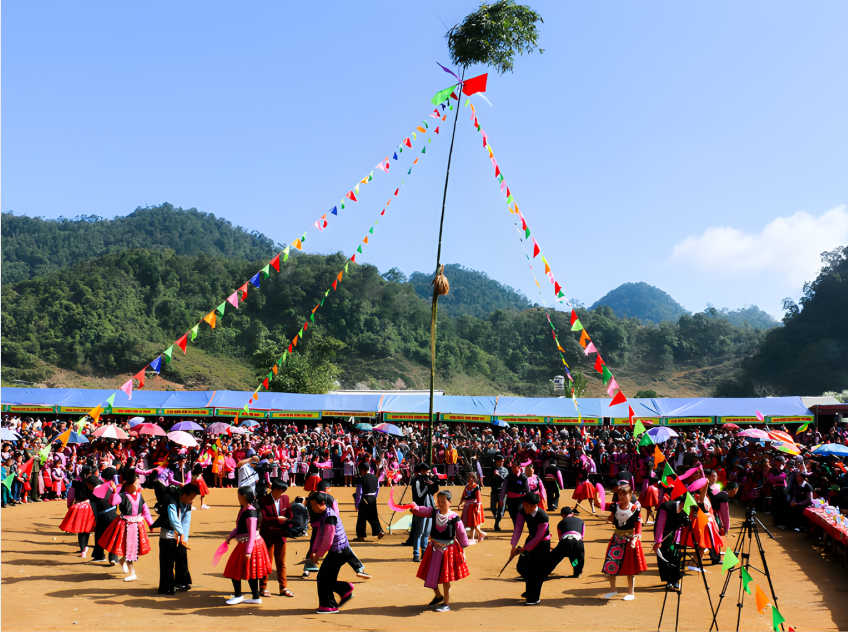
When attending rituals with spiritual elements, visitors should prioritize polite attire. (Source: Collected)
Regarding gifts, you can prepare small gifts such as candies or school supplies to give to children in the village. Additionally, choosing local handicrafts, traditional crafts, and souvenirs made by the local people themselves will contribute to supporting livelihoods, encouraging the community to continue preserving and promoting traditional crafts.
4.2. Notes on Customs, Photography, and Festival Regulations
Respecting local customs is an important principle when attending the Sa Pa Banana Blossom Festival. In the ritual space, visitors should note not to touch offerings such as banana blossoms or altars, and avoid standing in front of those performing the rituals. This is a sacred area, and maintaining a reserved and considerate attitude will show respect for the beliefs of the Xa Phó community.
When invited to drink or share a meal, you should accept the invitation with a respectful attitude. If you cannot drink alcohol, a symbolic sip to show your sincerity is appropriate. Participating in the community meal is an opportunity to immerse yourself in the daily life and understand the customs and traditions of the local people.
During photography, visitors should proactively ask for permission before taking pictures of elders, children, or solemn ceremonies. Avoid using direct flash during worship to prevent disrupting the ritual. Furthermore, adhere to general regulations such as maintaining cleanliness, not littering, not making noise, and avoiding crowding in the ritual area.
5. Suggestions for Participating in Other Unique Cultural Festivals in Sa Pa
Beyond the Sa Pa Banana Blossom Festival, your journey to explore Sa Pa will be more complete when you take the time to learn about and immerse yourself in the unique cultural festivals of this land. Each festival is a vivid slice of spiritual life, where people entrust their beliefs, aspirations, and preserve cultural values that have endured for generations.
5.1. Khèn Hoa Festival and Opening the Gates of Heaven at Fansipan
Amidst the majestic landscape of the Northwest mountains, the Khèn Hoa Festival and Opening the Gates of Heaven at Fansipan offer an experience that is both sacred and awe-inspiring. Held at Sun World Fansipan Legend, the festival is a delicate fusion of traditional beliefs and modern cultural tourism.
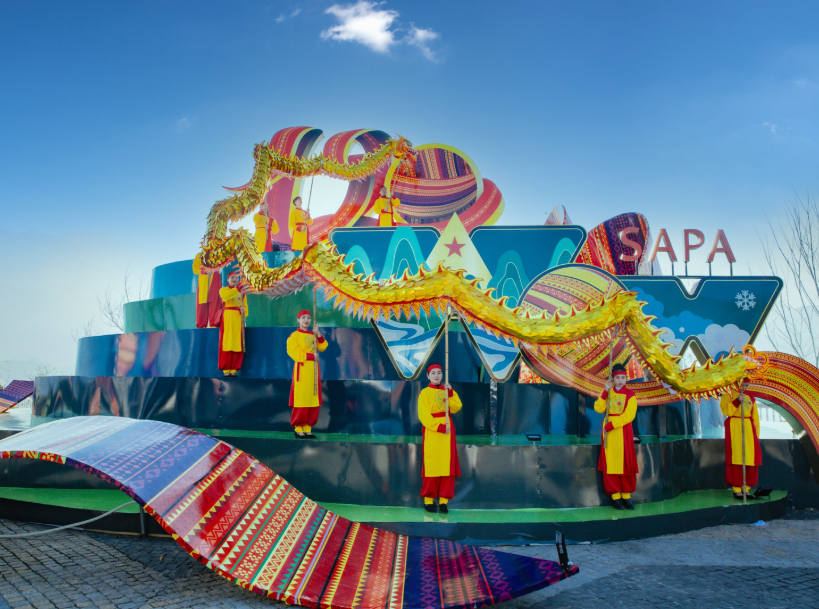
The Flower Khen Festival and Opening of the Sky Gate at Fansipan are held at Sun World Fansipan Legend . (Source: Collected)
The moment of offering incense and opening the sky gate on Fansipan peak - the place known as the "Roof of Indochina" - created a mystical space amidst clouds and sky. Below, lively khen and xoè dances at Ban May contributed to softening the solemn atmosphere, bringing visitors into the vibrant cultural world of the ethnic groups in the highlands.
5.2. The Jumping Tet Festival of the Red Dao people
Jumping Tet is one of the most spiritual and ritualistic festivals in Sa Pa. Held during the Lunar New Year, the festival is an occasion for the Red Dao people to express their reverence for their ancestors and to convey wishes for a peaceful and prosperous new year.
Fire dances and coal baths amidst resounding gongs and drums create a scene that is both mysterious and powerful. This festival requires serious participation and strict adherence to rituals, as each movement carries the meaning of connecting people with the spiritual world and ancestral roots.
5.3. The Roong Pooc Festival of the Giay people
Roong Pooc is the festival that marks the beginning of the new production season for the Giay people, clearly reflecting their agricultural mindset and belief in nature. Held at the beginning of the year, the festival is an occasion for the community to pray for favorable weather, bountiful harvests, and a prosperous life.
The festival atmosphere becomes vibrant with traditional dragon dances, symbolizing strength, prosperity, and a smooth start. Amidst the lively drumbeats and the cheers of children, Roong Pooc brings a feeling of joy, embodying the optimistic spirit and strong cohesion of the Giay community.
5.4. The Gau Tao Festival of the Hmong people
For the Hmong people, the Gau Tao festival is a joyous occasion, signifying blessings and peace for the entire community. Held in the first lunar month, the festival opens up a vibrant cultural space where faith and hope for the new year are clearly expressed. The resounding sounds of flower khen and colorful circle dances in traditional costumes create a lively festival scene.
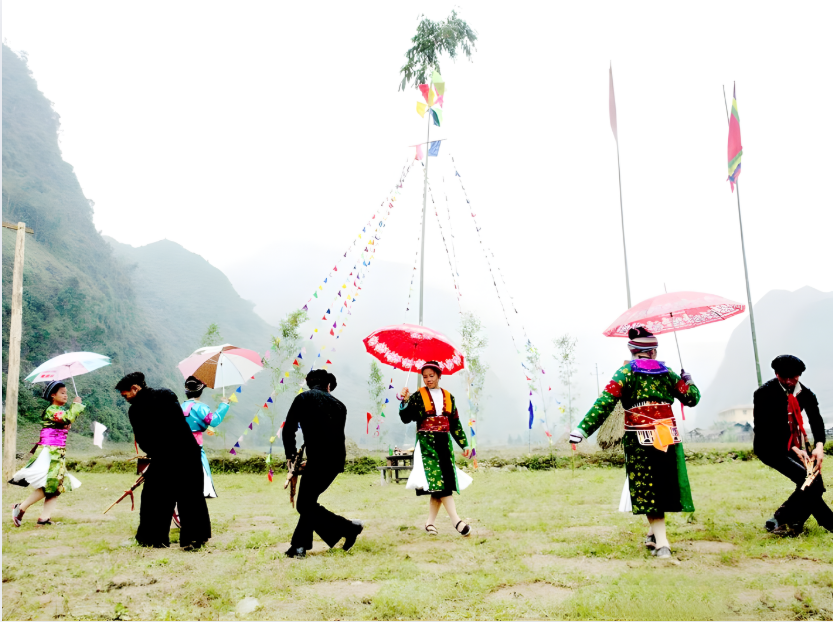
Festivals open up vibrant cultural activity spaces. (Source: Collected)
5.5. Sa Pa 5 Seasons Festival Chain
Unlike folk festivals tied to specific communities, the Sa Pa 5 Seasons Festival is a comprehensive picture of cultural and tourism activities taking place throughout the year. The festival chain is built as a “cultural flow”, taking visitors through each season with its own distinct nuances and emotions.
From the bustling atmosphere of spring, the vibrancy of summer, the romance of autumn to the warmth of winter, the 5 Seasons Festival helps Sa Pa maintain its year-round appeal. This is a suitable choice for those who want to combine nature exploration, cultural experiences, and feeling the local rhythm of life at different times.
Each festival in Sa Pa is a vivid slice of highland cultural life, where memories, beliefs, and community activities are preserved through generations. Through each ritual, dance, and communal meal, visitors gradually feel the strong bond between people and nature, with ancestors, and with the land they inhabit. It is these experiences that create Sa Pa's unique charm – a destination that invites listening, understanding, and empathy.
The Sa Pa Banana Flower Festival opens up a vibrant cultural canvas, where the spiritual world and the philosophy of living in harmony with nature of the Xa Pho people are expressed naturally and subtly. Through each ritual, the festival quietly encapsulates the spirit of solidarity, sharing, and cultural values that have been refined and nurtured over generations. Amidst Sa Pa's increasing vibrancy with many large-scale events, the Banana Flower Festival retains its unique position thanks to the rustic, pristine, and authentic nature of the local culture. Visit Xa Pho village – where visitors can fully experience the warmth and solidarity of the highland community!