















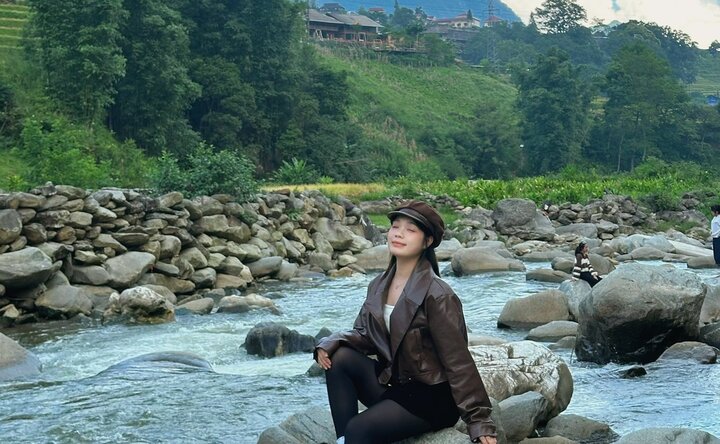
1. Where is Muong Hoa Stream? Overview of location and outstanding features
When Sapa is mentioned, people often immediately think of Fansipan, terraced fields, or misty villages. But for tourists who love nature and cultural depth, Muong Hoa Stream is the source that creates the enduring beauty of this land.
1.1. Geographical location and route of Muong Hoa Stream
Muong Hoa Stream is located in the communes of Lao Chai, Ta Van, Hau Thao, Muong Hoa, and Hoang Lien, in Sapa district, Lao Cai province. The stream is about 8–10 km southeast of Sapa town center, winding along the famous Muong Hoa valley. With a length of nearly 15 km, Muong Hoa Stream meanders through mountainsides, villages, and terraced fields, receiving water from over 22 small streams.
More than just a natural landscape, Muong Hoa Stream serves as an important natural irrigation system, providing water for the entire valley of terraced fields – a farming heritage of the ethnic people of Sapa for hundreds of years.
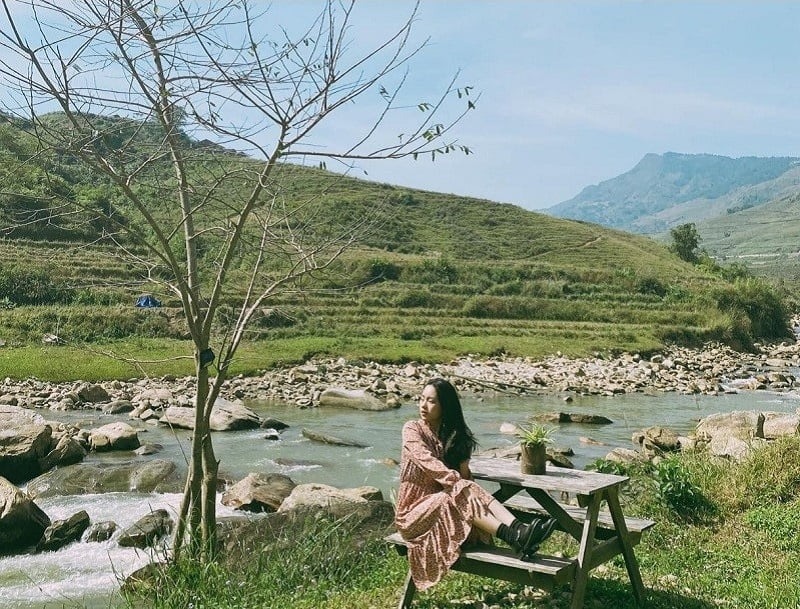
One of the reasons why Muong Hoa Stream always attracts tourists is that each season, the stream presents a different, unique appearance. (Source: Collected).
1.2. Picturesque landscape characteristics of Muong Hoa Stream
Viewed from above, Muong Hoa Stream resembles a soft green silk ribbon winding across the valley. The clear water, sometimes gentle, sometimes rushing over rocky rapids, reflects the sky, clouds, and the seasonal colors of the rice paddies. In the Ta Van and Lao Chai areas, visitors can easily find natural swimming spots where locals and tourists alike immerse themselves in the cool water during summer. For the local people, Muong Hoa Stream is a source of life. Its water nourishes rice, corn, and vegetables; its banks are places for community activities, where children play and adults wash clothes and chat. This deep connection has created a Muong Hoa that is both picturesque and intimate.
2. The natural beauty of Muong Hoa Stream through the seasons
2.1. Muong Hoa Stream during the water-pouring season (May-June)
From May to June, as the early summer rains begin, Muong Hoa Stream enters its water-pouring season. This is when the terraced fields are filled with water, their surfaces shimmering like giant mirrors reflecting the sky, clouds, and mountains.
Along the stream, the water flows more strongly, clear and cool. This season is particularly favored by photographers for the contrast between water, earth, sky, and the fresh green of newly planted rice. Trekking along Muong Hoa Stream during the water-pouring season offers a sense of spaciousness, wildness, and cinematic beauty.
2.2. Muong Hoa Stream during the ripe rice season (September-October)
If one had to choose the most beautiful time of year, many would not hesitate to name the ripe rice season. From September to October, the entire Muong Hoa valley is draped in a brilliant golden hue. The stream meanders through the ripe rice fields, reflecting the golden light, creating a poetic scene rarely found elsewhere. This is also the season when many agricultural festivals of the Mong, Dao, and Giay ethnic groups are held. Visitors to Muong Hoa Stream at this time can not only admire the scenery but also have the opportunity to immerse themselves in the festive atmosphere, enjoy harvest season cuisine, and experience the bustling life of the villages.
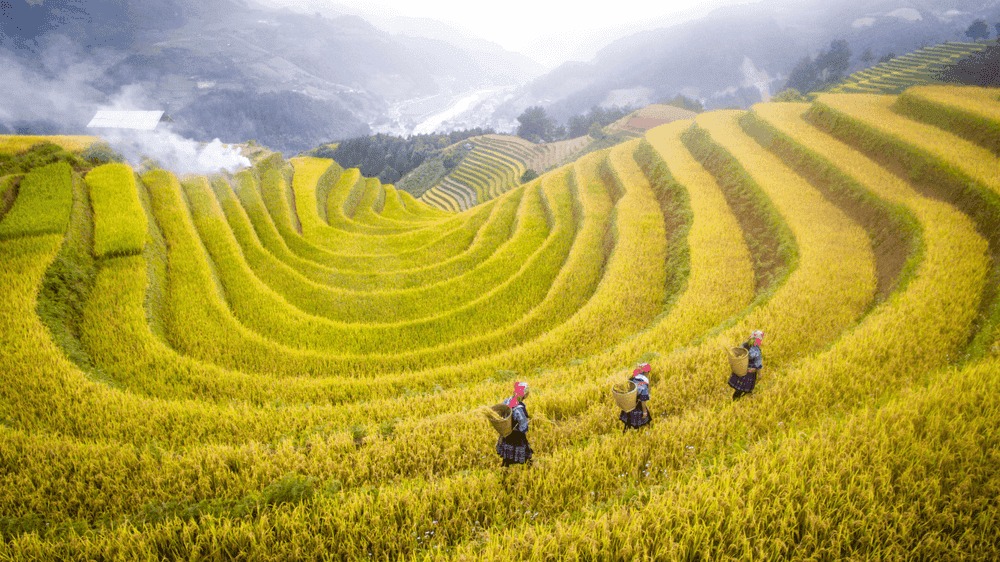
During the ripe rice season, the entire Muong Hoa valley is adorned in a brilliant golden hue. (Source: Collected).
2.3. Muong Hoa Stream in Spring and Late Year
In spring, Muong Hoa Stream becomes gentle with its clear water, fresh air, and wild flowers blooming along its banks. In late year, when Sapa is shrouded in mist and its characteristic cold, the stream still flows quietly, possessing a serene beauty, very suitable for relaxing getaways or light picnics with family or friends.
3. Cultural – Historical Significance of Muong Hoa Stream
Beyond its scenic beauty, Muong Hoa Stream is also a space that preserves many precious layers of Sapa's culture and history.
3.1. Sapa Ancient Stone Field and Prehistoric Imprints
Along Muong Hoa Stream lies the famous Sapa Ancient Stone Field, spread over an area of about 8 km² with nearly 200 large and small stones carved with mysterious drawings and symbols. Researchers believe these carvings date back thousands of years, reflecting the life, beliefs, and thinking of ancient residents.
The ancient stone field has been recognized as a national relic and has become an unmissable attraction when visiting Muong Hoa Stream. Amidst the majestic nature, these silent stones whisper from the past, making the exploration journey more profound.
3.2. Muong Hoa Stream and the Community Life of Ethnic Groups
Muong Hoa Stream is intimately connected with the lives of the Tay, Mong, Dao, and Giay ethnic groups living along the valley. The stream's water not only serves production but also features in many traditional rituals and customs.
Beside the stream, visitors can easily see women weaving brocade, children playing, and families gathering for meals. It is these everyday activities that create the very "authentic" charm of Muong Hoa tourism, distinguishing it from destinations that are purely for sightseeing.
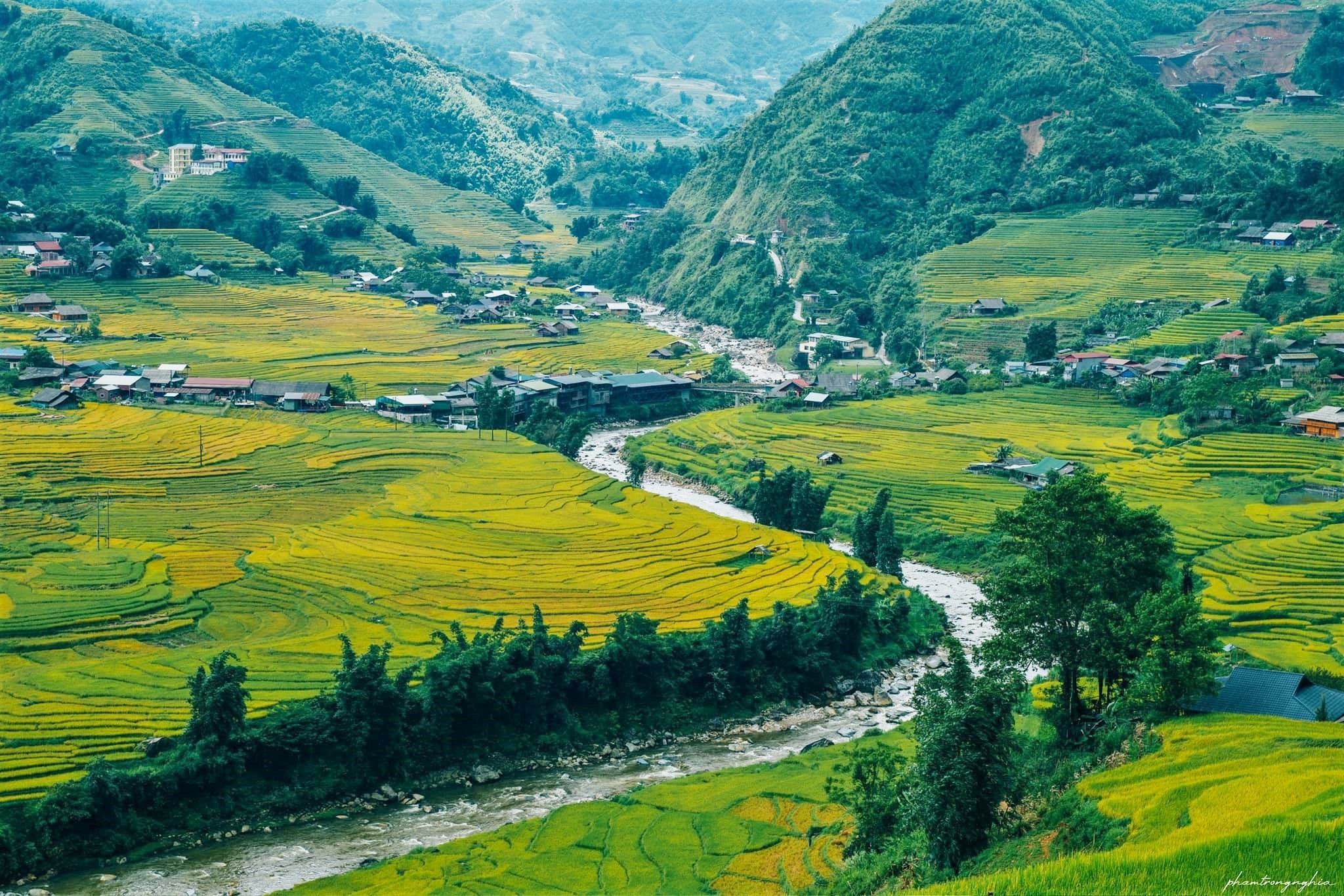
Along its nearly 15 km length, Muong Hoa stream is not only attractive for its natural scenery but also for the system of cultural and tourist symbols and highlights that have been associated with this valley for generations. (Source: Collected).
4. Detailed guide to Muong Hoa stream 2026
4.1. How to get from Sapa center to Muong Hoa stream
From Sapa town center, visitors can travel to Muong Hoa stream by motorbike or private car. The distance is about 8–10 km, passing through winding mountain passes, taking about 25–30 minutes. The road is quite good but requires attention during the rainy season due to slipperiness. Another interesting option is the Muong Hoa mountain train. With a price of about 100,000 VND for a round trip, visitors can travel conveniently while having the opportunity to admire the entire valley from above, which is very suitable for families with elderly people.
4.2. Suggested trekking routes for Muong Hoa stream
Trekking is the most ideal way to fully experience the beauty of Muong Hoa stream. The most popular route is Lao Chai – Ta Van – Ban Ho, with a length of 7 to 15 km depending on the itinerary. Along the way, visitors will pass through terraced fields, ancient rock fields, streams, villages, and many natural check-in points. For a safe and comfortable trekking trip, it is necessary to prepare specialized shoes, drinking water, and maintain good physical condition, especially for long routes.
4.3. Intra-regional transportation, electric vehicle service
In 2026, Sapa will continue to promote green transportation services. In some villages along Muong Hoa stream, there are electric vehicle services to support visitors' intra-regional travel, suitable for those who do not have enough stamina for long treks but still want to experience the scenery.
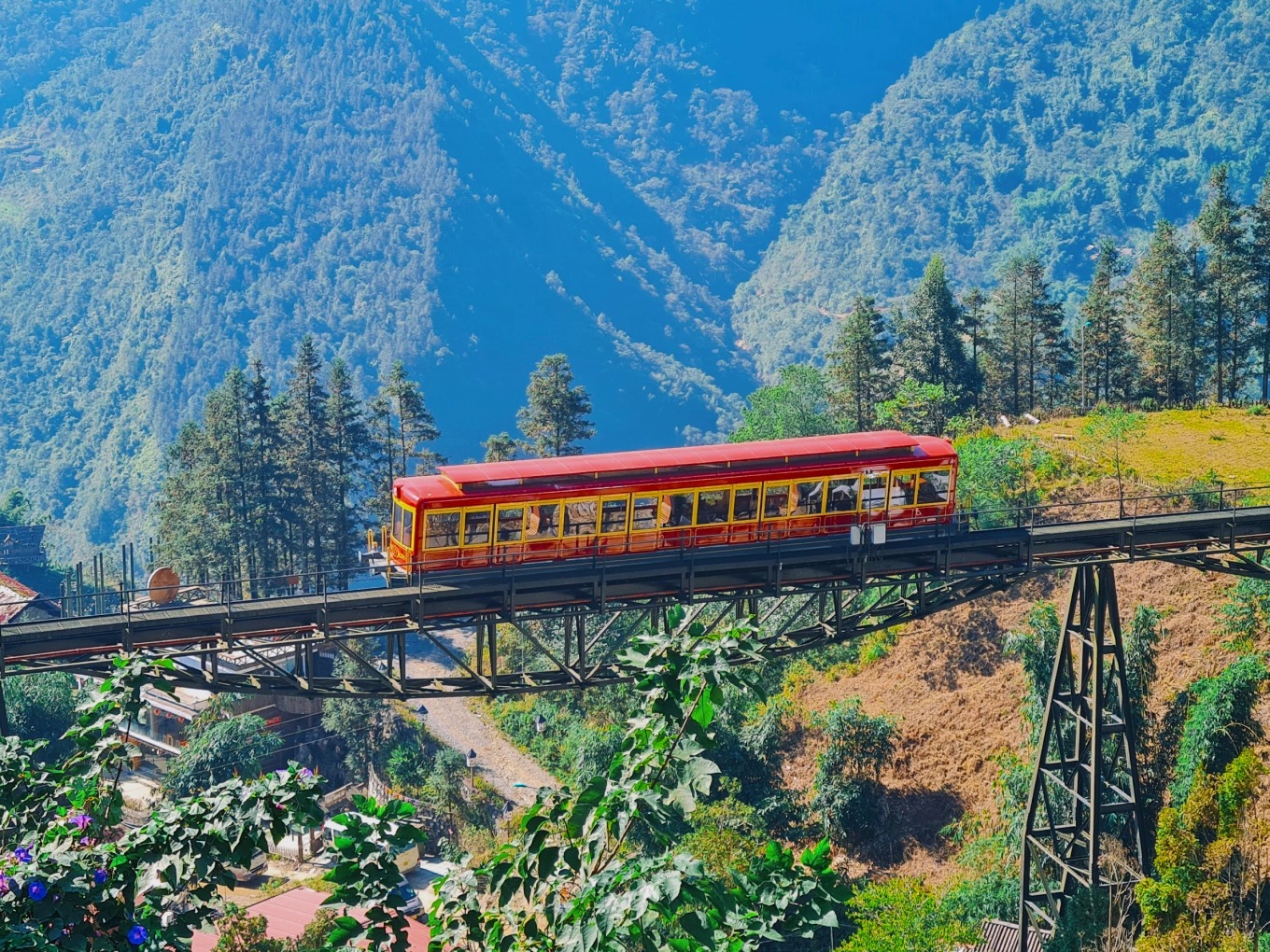
The experience of exploring Muong Hoa by mountain cog railway offers a completely different perspective, as visitors glide through lush green valleys, layer upon layer of terraced rice fields, and slowly and leisurely feel the beauty of the Muong Hoa stream from above. (Source: Collected).
5. Unmissable experiences at Muong Hoa stream 2026
5.1. Stream bathing, picnicking, and enjoying local cuisine
Stream bathing is one of the most beloved experiences when visiting Muong Hoa stream, especially on mild sunny summer days. The cool, clear water flowing over natural rocks provides a rare sense of relaxation and refreshment. The Ta Van and Lao Chai areas are considered to have safe terrain and gentle currents, suitable for both adults and children with supervision. After bathing, many visitors choose to picnic by the stream, spread a small mat, and enjoy the rustic dishes of the highlands. Fragrant five-colored sticky rice, stream fish grilled with bamboo, or fern salad picked from the forest offer a simple yet unforgettable flavor.
5.2. Visiting the Sapa ancient stone field with locals
The Sapa ancient stone field, located right by the Muong Hoa stream, is an unmissable stop for tourists who love exploring history and culture. Instead of just visiting and taking photos, accompanying locals or knowledgeable guides will make the trip more meaningful. The oral stories and how locals interpret the symbols carved on the stones open up many interesting perspectives on the lives of ancient residents. The space of the ancient stone field amidst terraced fields and the stream creates a feeling that is both sacred and intimate. Visitors can stroll leisurely, listen to the sound of the stream, and feel the intermingling of past and present.
5.3. Check-in at May Bridge, suspension bridges, and other photo spots
May Bridge has long been a symbol associated with the image of Muong Hoa stream. The rustic bridge, spanning the clear blue water, evokes a feeling of both fragility and romance, especially in the early morning when mist still blankets the valley. Each step on the bridge seems to slow visitors down, allowing them to better feel the peaceful beauty of Sapa's mountains and forests. Besides May Bridge, the small suspension bridges connecting the villages along the stream are also popular check-in spots for many tourists. Shots from above, where the stream winds through the terraced fields, always yield impressive frames. The ideal time for photography is early morning or late afternoon, when the sunlight is soft and the natural colors are most harmonious.
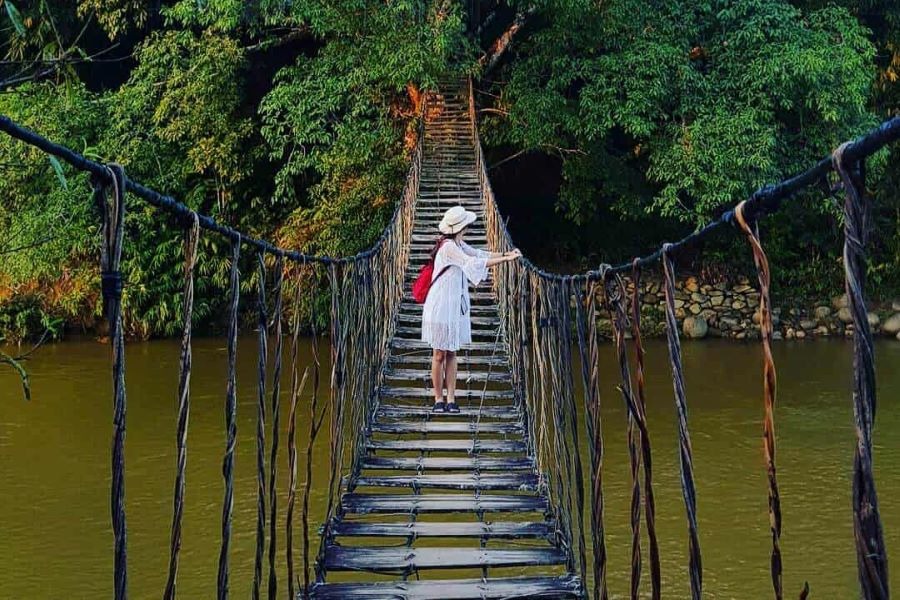
Cau May Sapa appears rustic and poetic amidst the Muong Hoa valley, where every step seems to touch the pristine beauty of the Northwest mountains and forests. (Source: Collected).
5.4. Explore riverside villages and stay in homestays
The journey to Muong Hoa stream would be incomplete if visitors missed the experience of exploring riverside villages such as Lao Chai, Ta Van, or Ban Ho. This is where the traditional way of life of the Mong, Dao, and Giay ethnic groups is preserved almost intact. Strolling through the villages, visitors can easily encounter images of rice fields, stilt houses, playing children, and very simple, everyday scenes. Staying in community homestays like Opal House or Ruá House offers an opportunity to immerse deeper into the local life. In the evening, gathering around the fireplace, enjoying a family meal, and listening to the host tell stories about the village makes the trip warm and memorable.
5.5. Participate in live shows and community activities
In recent years, live shows in Sapa have been increasingly well-invested, becoming unique cultural highlights for tourists. Programs like “Tata” or “Once Upon a Time in Sapa” recreate the life, festivals, and stories of the highland ethnic groups through music, lights, and natural landscapes. When organized near the Muong Hoa valley, these shows add more emotional depth for the viewers. Besides, many community activities such as learning to weave brocade, participating in village markets, or experiencing farming with locals are also favored by tourists. These experiences are not only entertaining but also help tourists better understand local cultural values.
6. Suggested itinerary for exploring Muong Hoa stream
6.1. 1-day itinerary: Touch the clouds at Fansipan – return to Muong Hoa stream
In the morning, visitors should dedicate time to Sun World Fansipan Legend , the ideal time to take the cable car is from 7:30 AM to 9:00 AM. At this time, the weather is usually stable, the visibility is good, and the clouds have not yet become too dense. The journey from Hoang Lien station takes visitors gliding over primeval forests, deep valleys, and the majestic Hoang Lien mountain range, creating an overwhelming feeling from the very first moments.
After reaching the Fansipan peak area, visitors can visit the spiritual complex, walk on stone steps, take photos, and enjoy the fresh air at an altitude of over 3,000 meters. Towards the end of the morning, return to the cable car station and travel back to Sapa center for rest and a light lunch before continuing the journey.
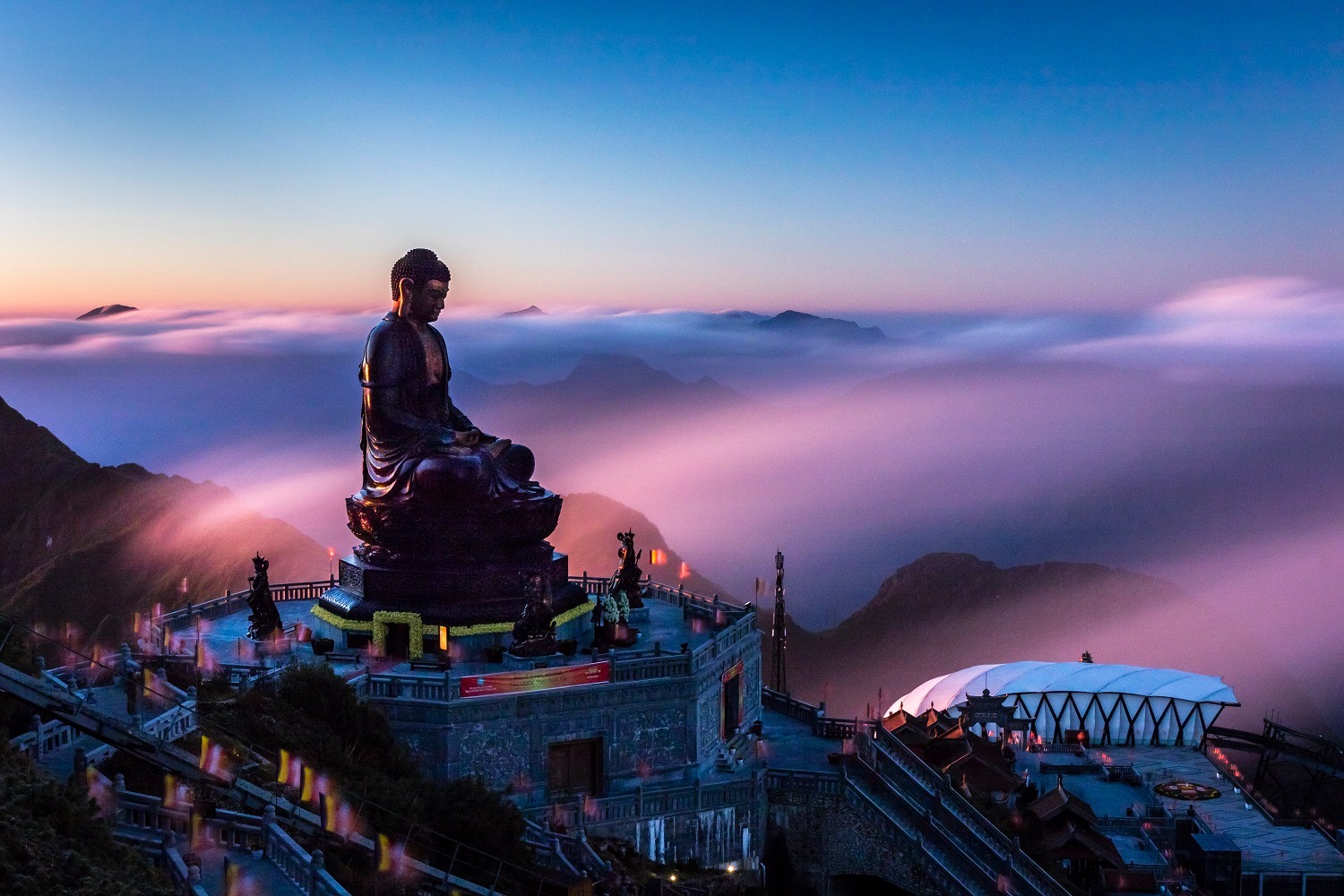
Sun World Fansipan Legend is the most prominent tourist - resort - spiritual complex in Sapa, where visitors conquer the peak of Fansipan at 3,143 m by a modern cable car system. (Source: Collected).
The afternoon is the right time to leave the vibrant pace of the tourist area and find the peaceful space of Muong Hoa stream. From Sapa town, visitors travel to Lao Chai or Ta Van village, starting a short walking journey along the stream. The gentle afternoon sun, the clear blue water, and the quiet atmosphere create a pleasant contrast after a lively morning at Fansipan. Ending the day by checking in at the Cloud Bridge or enjoying a gentle stream bath makes the trip complete, balancing "going high" with "returning deep".
6.2. 2-Day Itinerary: Majestic Fansipan – Slow living by Muong Hoa stream
With a 2-day itinerary, visitors have more time to experience each destination without being rushed. The first day should prioritize Sun World Fansipan Legend to ensure health and fully enjoy the experience. In the morning, travel early to the cable car station, explore Fansipan at a moderate pace, avoiding cramming too many activities into a short time.
After leaving the Fansipan area in the early afternoon, visitors travel directly to the Muong Hoa valley and check into a homestay in Ta Van or Lao Chai. The afternoon is for light activities such as walking along the stream, bathing in the stream, or simply sitting and resting on the porch, admiring the terraced fields and the leisurely flowing Muong Hoa stream. As sunset approaches, the valley becomes quiet, offering a very different feeling compared to the hustle and bustle of the town.
The evening at the homestay is the most memorable part of the journey. A family meal with traditional dishes, a cozy atmosphere, and everyday stories from the local people help visitors truly touch the "soul" of Muong Hoa. This is also a time to rest and recharge after a long day of travel.
On the morning of the second day, visitors wake up early, stroll around the village, feel the early morning rhythm of life, and explore the ancient stone field of Sapa located along the Muong Hoa stream. After breakfast, the journey continues with a visit to Ban Ho – an area that retains many pristine features, is less crowded, and is very suitable for those who love tranquility. Before returning to Sapa town, visitors can have lunch in the village and spend time buying some ethnic textile products as souvenirs for the trip.
Combining Sun World Fansipan Legend and Muong Hoa stream in a 2-day itinerary not only helps visitors fully explore the tourist icons of Sapa but also creates a balanced rhythm, from the majestic high-altitude experience to the slow moments by the stream. This is the way to make the Sapa trip in 2026 more profound and memorable.
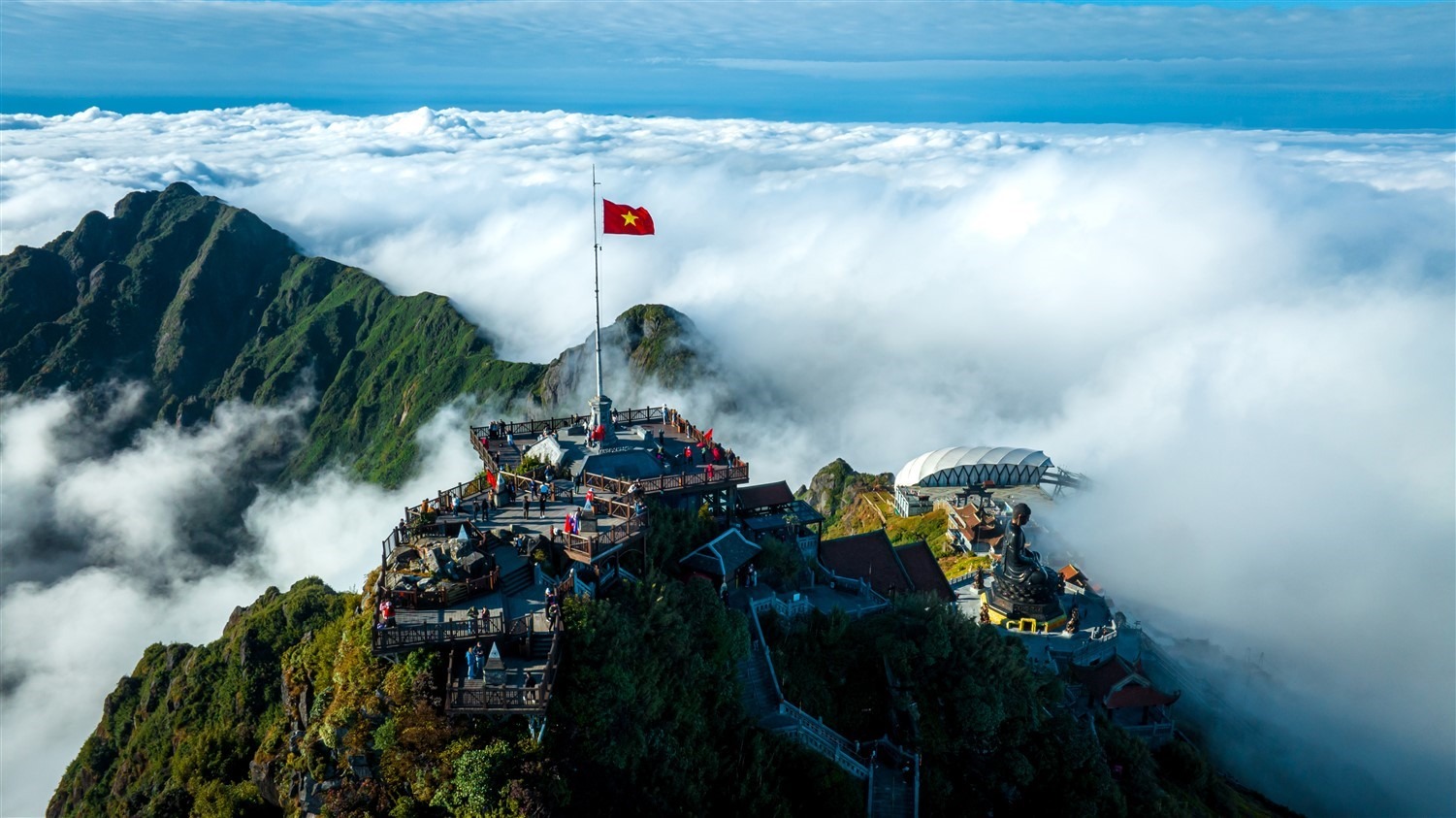
The journey to discover the “Roof of Indochina” at Sun World Fansipan Legend is an emotional cloud-touching experience, where every step amidst the sea of clouds and Hoang Lien mountains brings an unforgettable sense of conquest and pride. (Source: Collected)
7. Experiences and notes to remember when traveling to Muong Hoa Stream 2026
Although considered one of the most accessible destinations in Sapa, Muong Hoa Stream still retains the characteristics of natural tourism and highland villages. Thorough preparation and understanding some notes will help make the trip safe, complete, and in the true spirit of experience.
7.1. Ideal Time
Muong Hoa Stream is beautiful year-round, but each season offers a different experience. From May to June is the water pouring season, when the stream is full, the terraced fields sparkle, and the scenery has the unique beauty of the beginning of the farming season. September and October are the ripe rice season, considered the most ideal time to explore Muong Hoa Valley thanks to stable weather, vibrant scenery, and many cultural activities associated with the harvest.
Spring is when Muong Hoa Stream dons a gentle appearance, with fresh air and scattered wildflowers along the valley, very suitable for relaxing getaways. Conversely, July and August often have heavy rain, slippery dirt roads, and high stream levels, posing a risk of localized flash floods. Visitors should closely monitor weather forecasts and limit long treks on rainy days.
7.2. Health and personal item preparation
The journey to explore Muong Hoa Stream often involves walking, light uphill climbs, and traveling on dirt paths. Therefore, a pair of trekking shoes or sports shoes with good grip is essential. Clothing should prioritize lightweight, sweat-wicking materials, and a light jacket should be carried as Sapa's weather can change quickly during the day. Additionally, visitors should prepare drinking water and light snacks to replenish energy while moving. Sunscreen, hats, and long-sleeved shirts help protect the skin during prolonged outdoor activities. A small but very important detail is to bring personal trash bags, contributing to keeping the natural environment along Muong Hoa Stream clean and beautiful.
7.3. Notes when participating in outdoor activities
When bathing in the stream, visitors should only choose areas recommended by locals or guides, avoiding sections with strong currents or many submerged rocks. Adhering to signs, not swimming too far, and always observing the water level are essential for safety. During village visits, tourists should respect the customs and traditions of the local people, limit taking photos without permission, and maintain a polite and friendly attitude. Not littering, not making excessive noise, and not disturbing the natural landscape not only demonstrate responsible tourism awareness but also help preserve the sustainable value of Muong Hoa Stream.
8. What to eat at Muong Hoa Stream?
8.1. Grilled stream fish – The rustic flavor of Muong Hoa River
Grilled stream fish is a dish directly associated with Muong Hoa Stream and is considered a “must-try specialty” by many tourists. The fish are small, caught the same day, cleaned, then skewered with bamboo and grilled over charcoal, preserving the natural sweetness of the fish meat. When eaten, the fish is usually dipped in chẩm chéo sauce, a slightly spicy flavor mixed with the aroma of mac khen, creating a unique aftertaste. Visitors can enjoy grilled stream fish at homestays in Ta Van or Lao Chai villages, where hosts often prepare it in the traditional way. Some small eateries along the village road also serve this dish seasonally, suitable for lunch after trekking along the stream.
8.2. Five-colored sticky rice – A dish with cultural significance
Five-colored sticky rice is not only attractive for its eye-catching colors but also carries significant meaning in the spiritual life of the highland ethnic groups. The five colors of the sticky rice are created from natural forest leaves, symbolizing the five elements and the harmony between humans and nature. The sticky rice grains are chewy and fragrant, often eaten with grilled meat or sesame salt. When exploring Muong Hoa Stream, visitors can easily find five-colored sticky rice in meals at homestays in Ta Van or Ban Ho. In the early morning, some families also sell sticky rice wrapped in banana leaves, which is very convenient to carry during a walk along the stream.
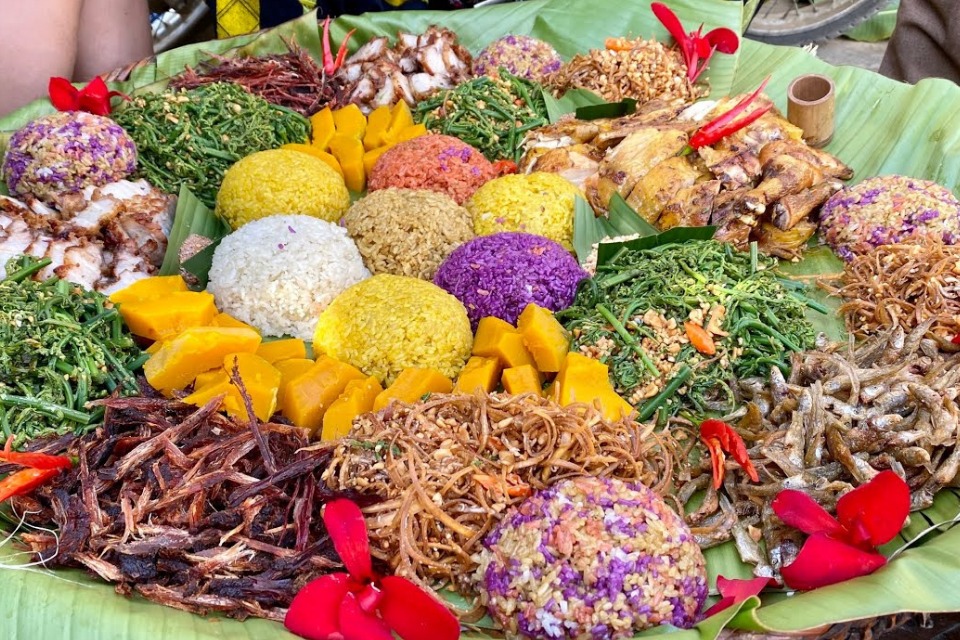
Five-colored sticky rice, stream fish, smoked buffalo meat,... are irresistible delicacies when visiting Sapa. (Source: Collected).
8.3. Goi rau don – The green taste of the mountains
Rau don is a wild vegetable that grows abundantly along streams and damp crevices, including the Muong Hoa stream area. The vegetable is picked young, blanched just right, then mixed with roasted peanuts, sesame seeds, spices, and sour bamboo shoot water, creating a refreshing and easy-to-eat salad. The slight crispness of the vegetable blends with the nutty taste of peanuts, giving a very "wild" sensation. This is an ideal choice for a light lunch or dinner after a day of much travel.
8.4. Thang co – A culinary experience for the adventurous
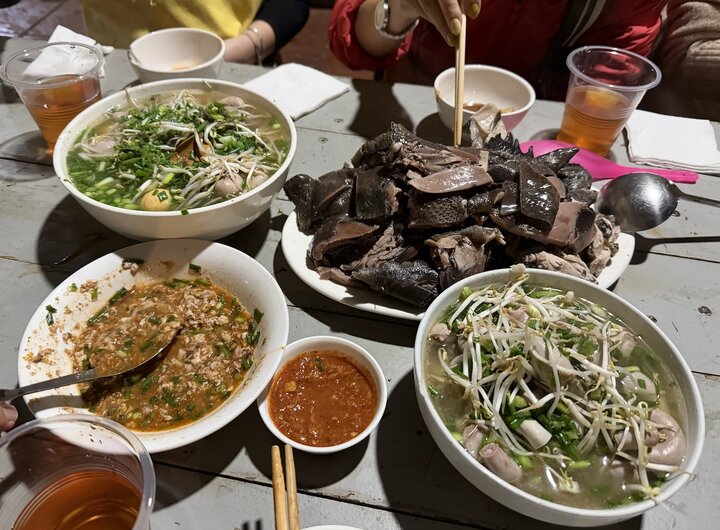
Thang co is a traditional, long-standing dish of the Mong people, imbued with the flavors and culinary style of the highlands. The dish is cooked from horse or beef meat and offal, combined with many characteristic spices such as cardamom, cinnamon, and star anise, creating a rather strong and distinctive flavor. For many tourists, thang co is not just a dish but also a cultural experience. To enjoy thang co authentically, visitors should seek out family-run eateries or large homestays in Ta Van, where the dish is cooked traditionally and is more suited to tourist palates. Some local markets near the Muong Hoa stream area are also ideal places to experience this dish in a local atmosphere.
8.5. Grilled meat with mac khen – The aroma of highland fires
Grilled meat with mac khen is a familiar dish in the evening meals of people living along the Muong Hoa stream. Local pork or free-range chicken is marinated with mac khen, hat doi, and various wild spices, then grilled over charcoal. The aroma wafting from the fire, combined with the cool Sapa air, creates an unforgettable culinary experience.
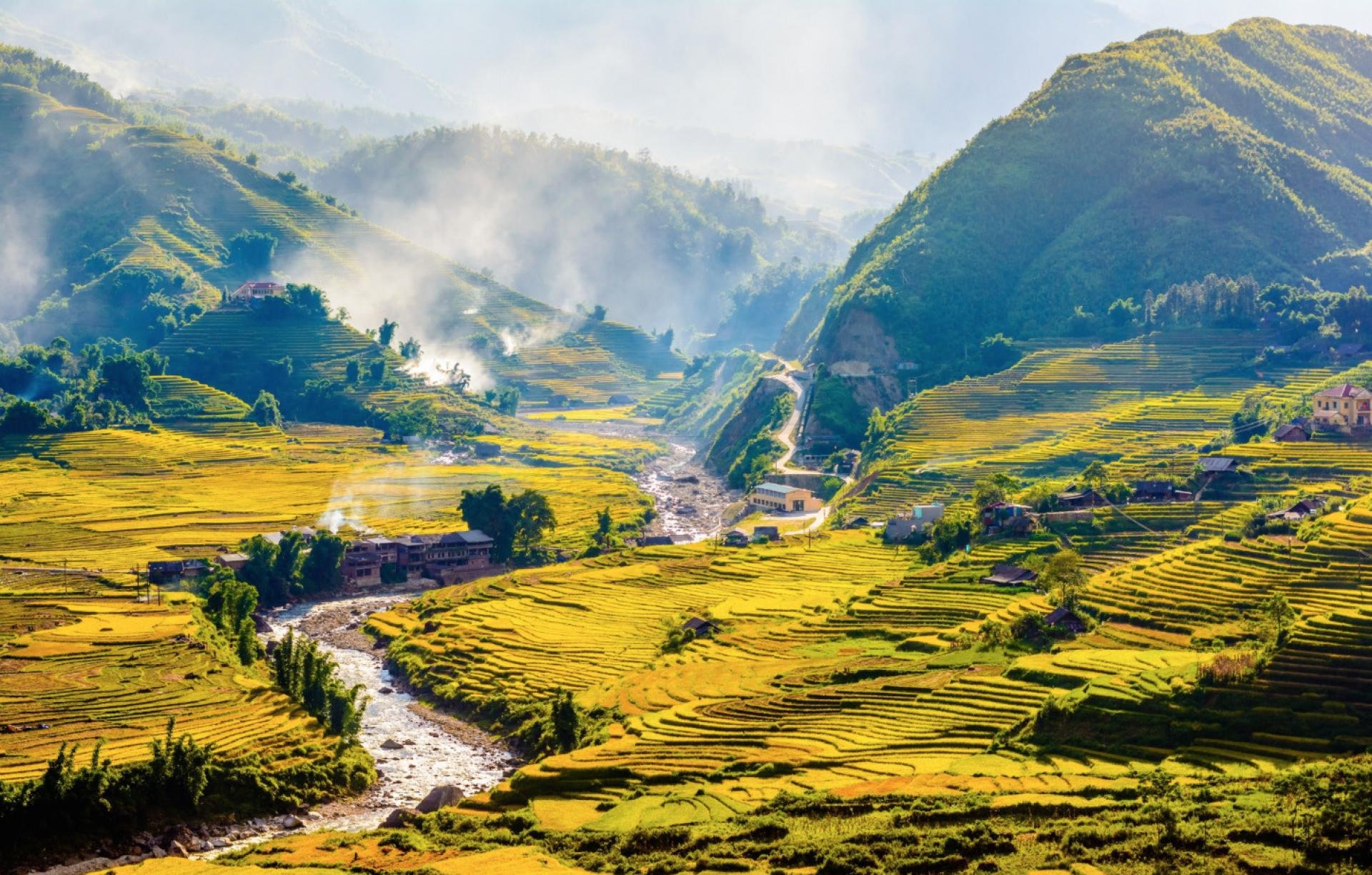
The stream flows gently through the valley, nourishing the terraced fields and intimately connected with the lives of generations of highlanders. (Source: Collected).
Muong Hoa Stream is not only a beautiful destination in Sapa but also a place that fully converges the quintessence of the Northwest mountains and forests, from natural landscapes, historical depth to local cultural life. Each season of the year, Muong Hoa Stream brings its own beauty, enough to captivate tourists even if they visit only once. When combining the exploration of Muong Hoa valley with modern experiences like Sun World Fansipan Legend, the journey to Sapa becomes more balanced and complete. The most important thing when coming here is to take time to go slowly, observe, and listen to the rhythm of village life by the stream. And when leaving Sapa, it is hoped that each tourist will carry not only beautiful photos, but also the awareness of preserving the pristine beauty of Muong Hoa Stream for future journeys.