















1. Introduction to Sa Pa and the appeal of tourist attractions

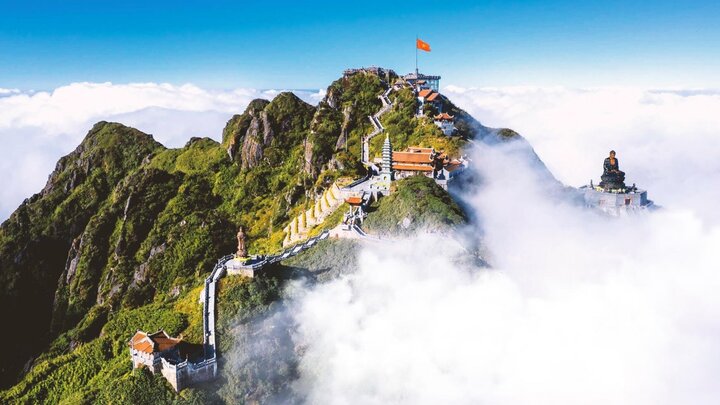
Sa Pa stands out with the majestic natural beauty of the Northwest mountains.
(Source: Collected)
Sa Pa is a prominent destination in the Northwest region, where majestic natural beauty, characteristic climate, and diverse cultural identities of ethnic minorities converge. This unique interplay creates a strong attraction for the attractions in Sa Pa, making tourists always want to return to explore many times.
1.1. Why are the attractions in Sa Pa always captivating to tourists?
Sa Pa is likened to a symphony between majestic nature and unique highland culture. This beautiful town in Lao Cai province is located at an average altitude of 1,500 – 1,800 m, on the slopes of the Hoang Lien Son mountain range, thus enjoying a cool and pleasant climate year-round. In the early morning and late afternoon, the Sa Pa valley is often covered in a mystical mist, giving it the poetic name 'city of mist'. The temperature in Sa Pa is about 8-10°C lower than in the lowlands, with mild summers and deep cold winters, often with frost and snow blanketing the mountain peaks at night.
The highlight of Sa Pa's attractions also lies in the cultural diversity of its ethnic minorities. The H'Mong people are distinguished by their dark blue attire, the Red Dao by their vibrant red headscarves, along with the Tay and Giay communities living in traditional wooden houses or ancient rammed-earth houses. Tourists can participate in highland markets, enjoy the sound of the khen (flute), and admire exquisite brocade products preserved through generations.
Sa Pa's natural landscape also boasts spectacular beauty: Fansipan peak at 3,143 m, deep valleys, winding terraced fields, and white waterfalls like Silver Waterfall or Love Waterfall. In particular, the Sa Pa ancient stone field with hundreds of sandstone slabs carved with mysterious patterns has been recognized as a national relic, marking the ancient civilization of the Northwest mountains.
1.2. Ideal times to explore the attractions in Sa Pa
Sa Pa offers a different experience each season. From March to May, the weather is clear with gentle sunshine, ideal for cloud gazing and panoramic views from Fansipan, Ham Rong Mountain, or O Quy Ho Pass. This is also the time when peach blossoms, plum blossoms, and azaleas bloom profusely throughout the Hoang Lien Son range, especially around Sun World Fansipan Legend, creating a vibrant and romantic scene.
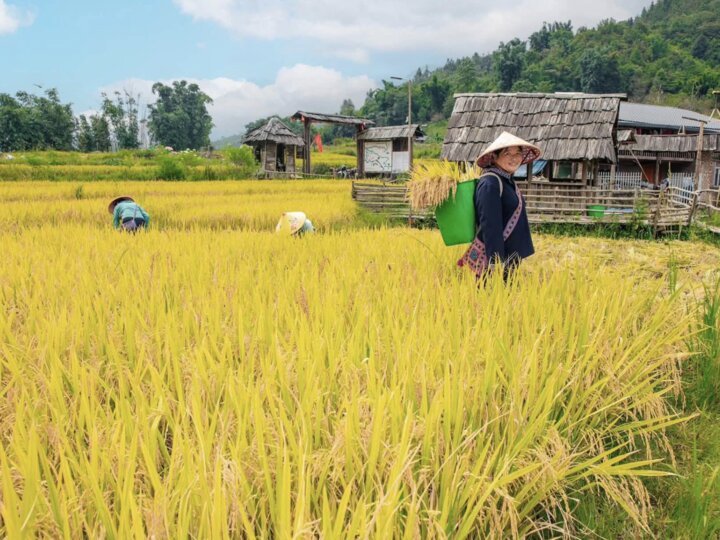
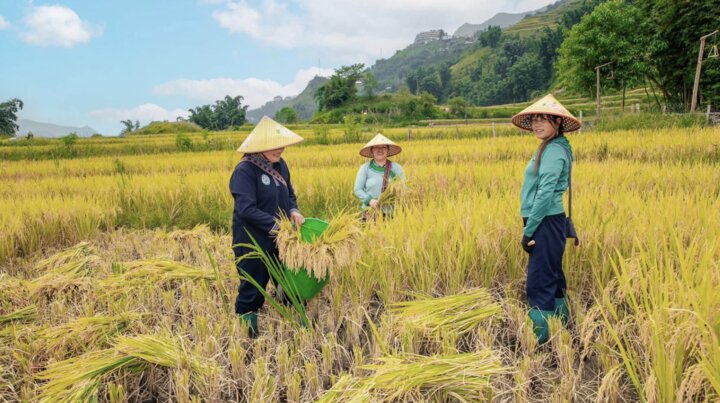
From September to October, Sa Pa enters its golden rice season, making Muong Hoa Valley and the villages of Lao Chai, Ta Van, and Cat Cat appear draped in a shimmering golden robe. The autumn air is cool and less rainy, perfect for trekking, exploring villages, and experiencing local culture.
If you want to experience a Sa Pa winter, you should visit from December to February. During this time, high peaks like Fansipan or O Quy Ho are sometimes covered in frost and rime. Thick fog blankets the Stone Church and Sun Plaza, creating a mystical scene, completely different from other seasons, offering a truly unique and unforgettable Sa Pa experience.
2. Top 15 Hottest Attractions in Sa Pa
Sa Pa boasts a rich system of attractions, harmoniously combining majestic nature, highland cultural identity, and modern tourist facilities. Here are the top 15 hottest attractions in Sa Pa to help you easily plan your exploration of Sa Pa's beauty.
2.1. Fansipan Peak
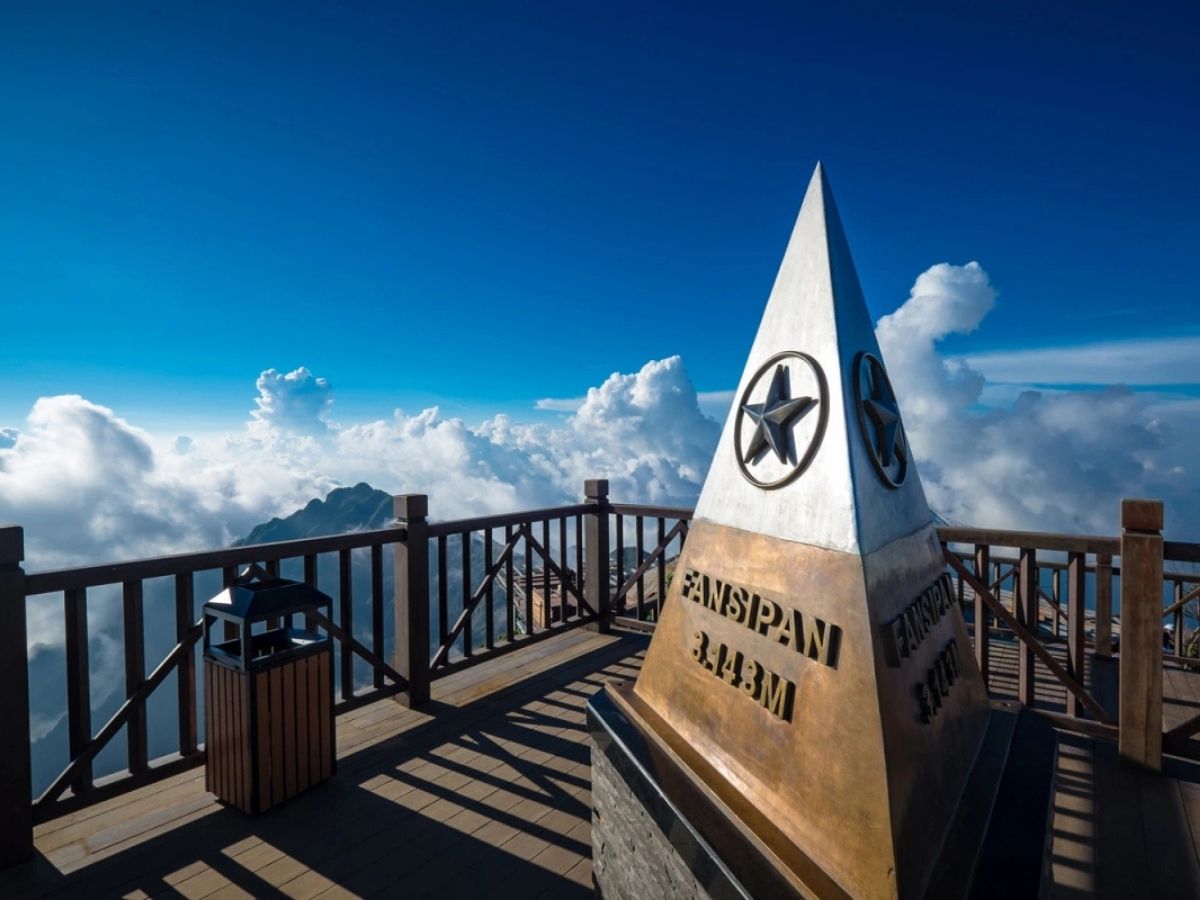
The feeling of standing on the roof of Indochina is impressive. (Source: Collected)
Fansipan Peak, at 3,143 m, is known as the “roof of Indochina” and is an unmissable icon when visiting Sa Pa. Thanks to the Sun World Fansipan Legend system, the journey to conquer Vietnam’s highest peak becomes easy and suitable for all ages.
The trip begins with the Fansipan cable car, crossing the Muong Hoa valley, where visitors can admire the winding terraced fields and the majestic Hoang Lien Son mountain range. At the final station, you can choose a mountain climbing train or walk up the stairs to reach the summit. The moment of standing at the 3,143 m milestone, watching the clouds drift lazily below your feet, will surely be a memorable experience in your Sa Pa exploration journey.
Fansipan Peak also features a unique spiritual complex, including Bao An Zen Monastery at an altitude of 1,604 m and Bich Van Zen Monastery at 3,037 m, with Buddha statues and Arhats harmoniously integrated with nature. This is an ideal stopover for both sightseeing and contemplation, feeling the peace amidst the vast mountains.
2.2. Sa Pa Stone Church
Nestled amidst the mist, Sa Pa Stone Church stands out with its classic Gothic architecture, making it one of the most beloved check-in spots in Sa Pa. Located right in the town center, next to the square, the church attracts attention with its high dome, bell tower, and vibrant stained-glass windows.
The square in front of the stone church is always bustling with cultural activities, especially on weekend evenings when the Sa Pa night market opens. Visitors can enjoy grilled dishes, browse ethnic textile stalls, and watch traditional art performances. The shimmering yellow lights reflecting on the ancient walls create a romantic scene, perfect for a stroll, taking souvenir photos, and experiencing the unique atmosphere of Sa Pa's nightlife.
2.3. Ham Rong Mountain
Just a few minutes' walk from the town center, Ham Rong Mountain opens up a vibrant space like a fairy garden. The path up the mountain leads through orchid gardens and peach blossom gardens, interspersed with the Thach Lam stone garden featuring unique natural rock formations.
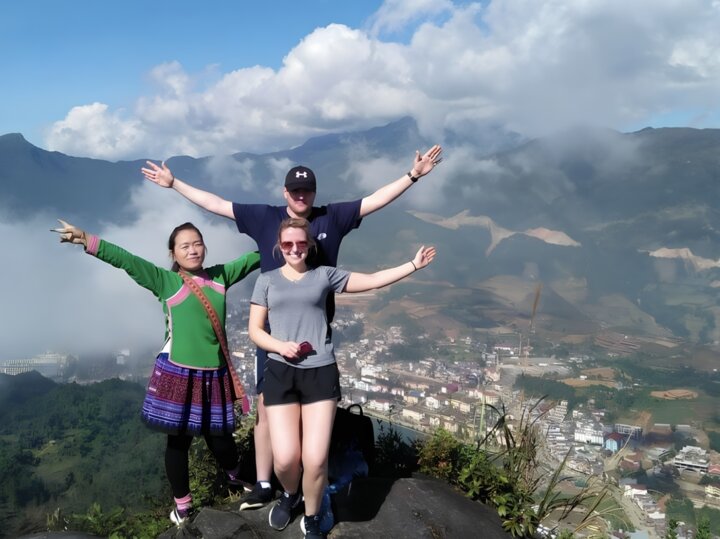
From the summit, visitors can admire the panoramic view of Sa Pa, seeing red rooftops mixed with the green of the forest, and in the distance, the Hoang Lien Son mountain range stretching between the clouds and sky. On cloudy days, the swirling white mist creates a mythical landscape. With its convenient location and beautiful scenery, Ham Rong Mountain is an ideal choice for couples taking wedding photos, families picnicking, or anyone wanting to enjoy a panoramic view of Sa Pa town.
2.4. Silver Waterfall
On the road towards O Quy Ho Pass, Silver Waterfall appears like a white silk ribbon cascading down from a height, creating a cool mist that brings a pleasant feeling to visitors even on hot sunny days.
Around the waterfall, there are resting spots and refreshment stalls. The best time to admire Silver Waterfall is late spring and early summer, when the water flow is strong and the scenery is more vibrant. Visitors should wear shoes with good grip when moving on the slippery stone steps caused by the waterfall's mist to ensure safety.
2.5. O Quy Ho Pass
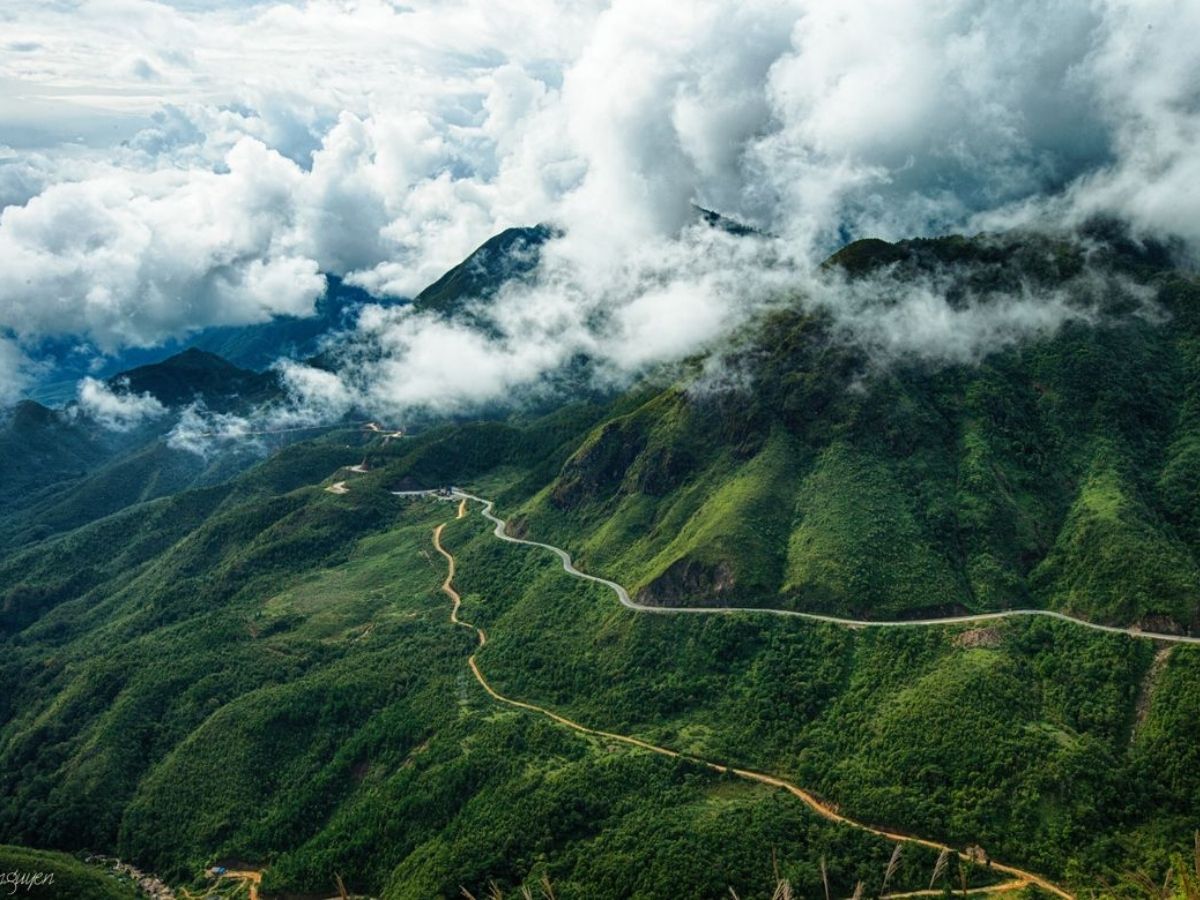
Majestic landscapes appear from the high mountain passes. (Source: Collection)
With a length of nearly 50 km, O Quy Ho Pass belongs to the group of “four great mountain passes” of Vietnam, connecting Lao Cai and Lai Chau. The winding bends amidst the mountains near Sa Pa have become an ideal spot for cloud hunting and admiring the majestic Northwest scenery.
The summit of the pass is covered in clouds year-round, creating a dreamy, enchanting scene. Along the way, there are many stops to enjoy hot drinks and admire the panoramic mountain and forest views. In the afternoon, the golden sunlight spreads across the mountains, creating a vibrant scene perfect for photography.
Visitors can travel by motorbike, taxi, or car to explore O Quy Ho Pass. It is advisable to prioritize days with favorable weather for safety and to easily capture beautiful moments. Many people combine the journey to Silver Waterfall – Love Waterfall – O Quy Ho Pass in a single day to optimize their Sa Pa travel experience.
2.6. Love Waterfall
Located in the Suoi Vang area, about 10 km from Sa Pa town center, Love Waterfall is associated with the legend of romantic love among ethnic minorities. The path to the waterfall winds through lush pine forests, the babbling sound of the stream, and the fresh air create an unforgettable romantic scene.
At the foot of the waterfall, large rocks and natural cascades are ideal spots for taking beautiful photos, especially during the high water season when the clear stream stands out against the green of the forest. This is considered one of the wonderful Sa Pa check-in points for nature lovers.
2.7. Muong Hoa Valley
The nature here creates a picturesque scene. (Source: Collected)
Muong Hoa Valley, stretching about 15 km southeast of Sapa, is home to famous villages such as Lao Chai, Ta Van, and Hau Thao. The Muong Hoa Stream meanders through terraced rice fields, interspersed with villages, creating a picturesque natural scene characteristic of the Northwest highlands.
The most outstanding feature of the valley is the ancient rock field of Sapa, where hundreds of sandstone slabs are carved with mysterious patterns and characters, holding high historical and archaeological value. When exploring the valley, visitors can also experience homestays with local people, participate in agricultural activities, learn to weave brocade, and discover local life – offering practical and memorable experiences of Sapa's culture.
2.8. Cat Cat Village
Just about 2–3 km from the center of Sapa, Cat Cat village is an ideal stop for tourists who want to explore the village life of Sapa. Located in San Sa Ho commune, the village still retains its traditional architecture with wooden houses with plank roofs and stone-paved paths winding throughout the village. At the same time, it preserves the characteristic handicrafts of the H'Mong people such as brocade weaving, blacksmithing, and silver carving.
The highlight of Cat Cat village is Tien Sa Waterfall (also known as Cat Cat Waterfall) with its clear blue stream, suspension bridge, and water wheel and mill scenes stretching along both banks. Mountain-view cafes and ethnic costume rental services for photos have created a unique attraction, allowing tourists to relax and capture impressive souvenir photos.
Visitors also have the opportunity to directly observe the exquisite manual craftsmanship of local artisans and purchase unique souvenirs that represent the indigenous culture of the highlands.
2.9. Ta Phin Village
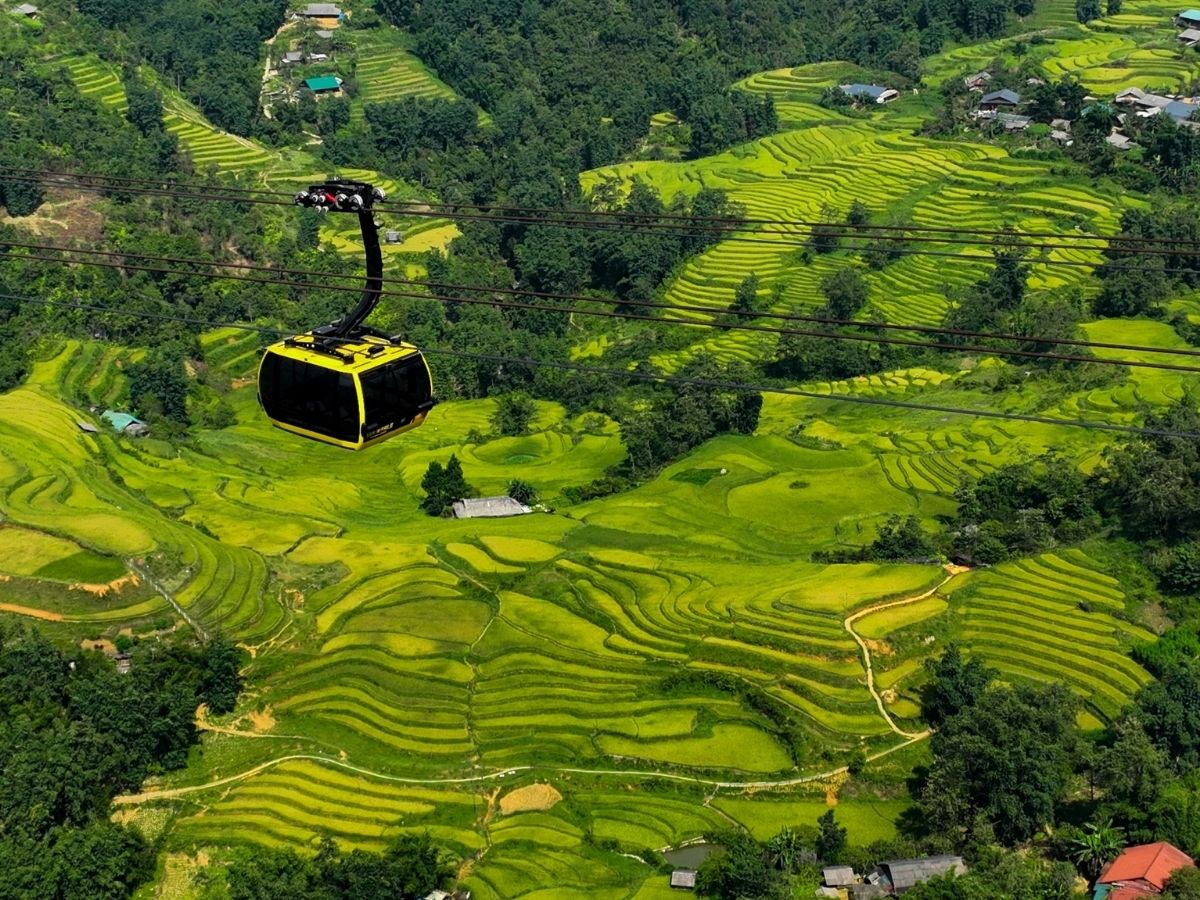
Terraced fields create the characteristic landscape of the village. (Source: Collected)
More than 10 km from the center of Sa Pa town, Ta Phin village is home to the Red Dao ethnic community with many unique customs and cultural features. The village scenery is a harmonious combination of terraced fields, traditional wooden houses, and majestic rocky mountains in the distance.
A prominent experience in Ta Phin is the traditional herbal bath of the Red Dao people, using local herbs for health care and relaxation. Visitors often choose this activity to recover energy after their Sa Pa exploration journey.
Near the village is the Ta Phin cave with uniquely shaped stalactites, an interesting stop for those who want to combine nature exploration with learning about local culture.
2.10. Coc San Area
Located in Bat Xat district, near Sa Pa, Coc San area stands out with its wild landscape, little affected by commercial tourism. Coc San stream flows through natural rock layers, forming small waterfalls and unique caves, offering a close and peaceful nature experience.
Here, visitors can enjoy the fresh air, pristine scenery, and gentle exploration activities, very suitable for those seeking tranquility, relaxation, or an experience of nature that has not been exploited much. Coc San area is an ideal destination for those who want to combine nature exploration and a complete Sa Pa tourism experience.
2.11. May Bridge Sa Pa
May Bridge Sa Pa is a unique bamboo bridge spanning the stream in Muong Hoa valley, connecting Ta Van and Lao Chai villages. Made entirely from bamboo and rattan, the bridge harmonizes perfectly with the surrounding nature, creating a peaceful and rustic scene characteristic of Sa Pa villages.
In the morning, when a thin mist covers the stream, the bridge becomes picturesque, attracting many tourists and photographers who love to capture mountain scenery and artistic landscapes. This is one of the ideal Sa Pa attractions for nature and photography experiences.
2.12. Sa Pa Sky Gate
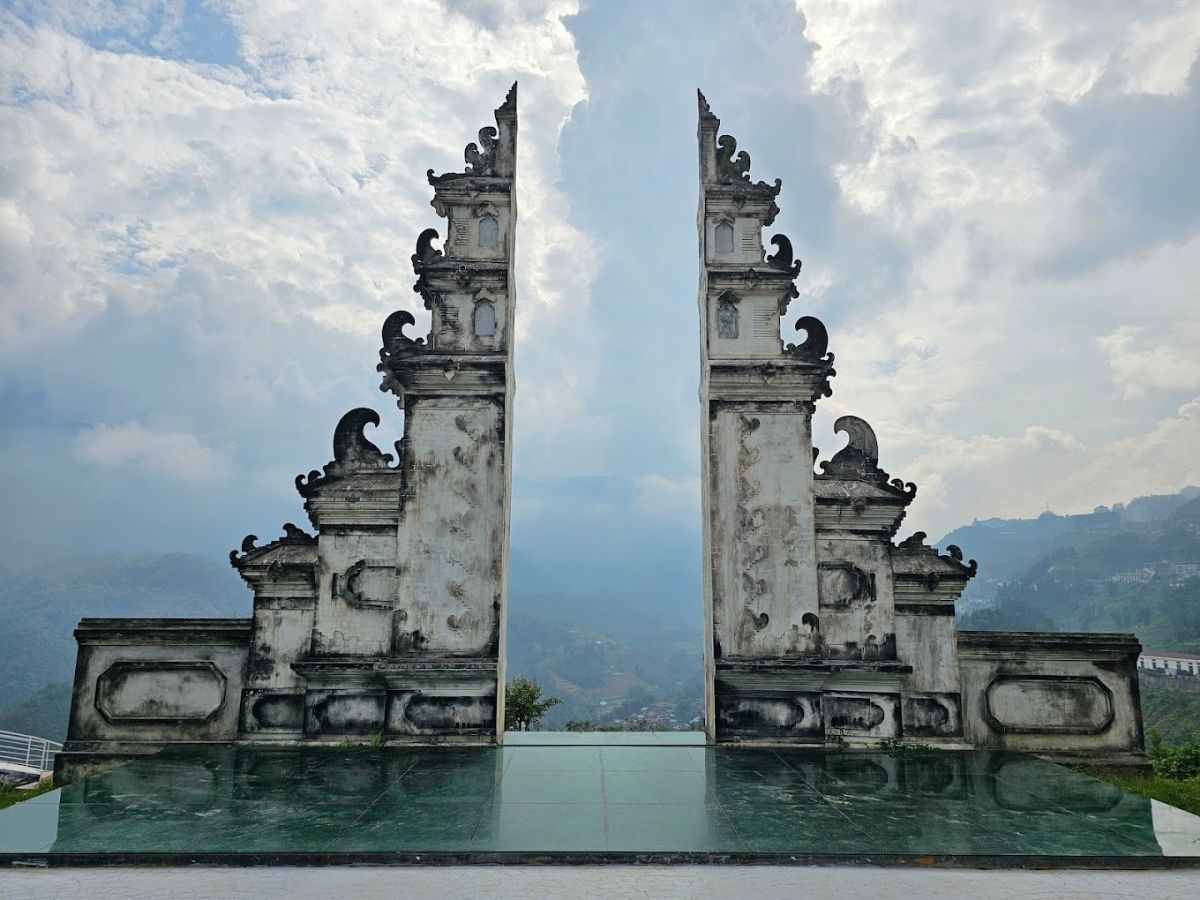
An ideal place to capture unique natural photos. (Source: Collected)
Cong Troi Sapa is located on the mountain pass, opening up a spectacular view encompassing the entire Hoang Lien Son mountain range and the lush green valleys below. From here, visitors can admire the winding roads along the mountainside like soft silk ribbons, blending with the floating sea of clouds.
The ideal time to visit is at dawn or dusk, when the sunlight creates brilliant color effects on the mountains and forests. Cong Troi Sapa is also a favorite spot for many photographers to capture magical natural moments.
2.13. Rose Valley (Sau Chua ancient rose garden)
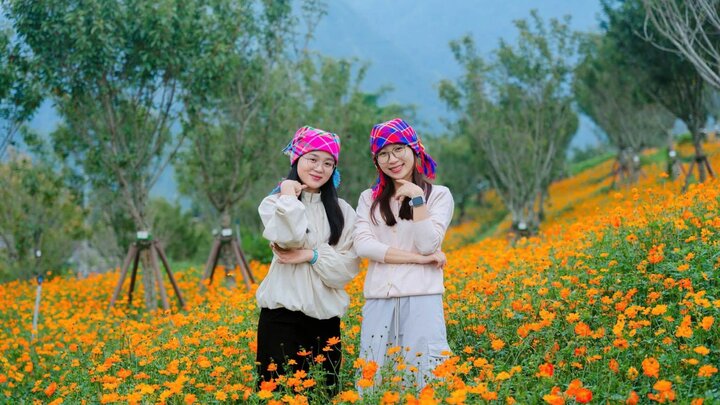
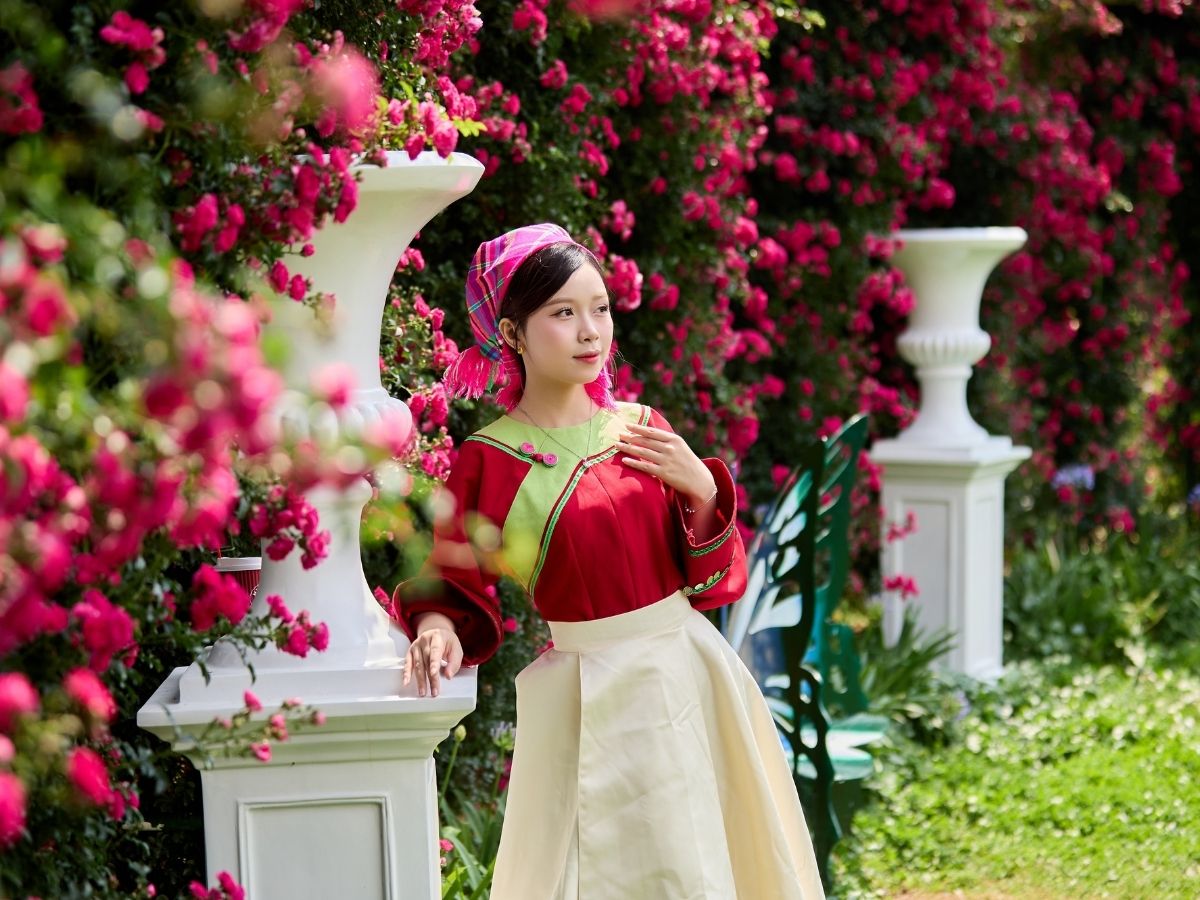
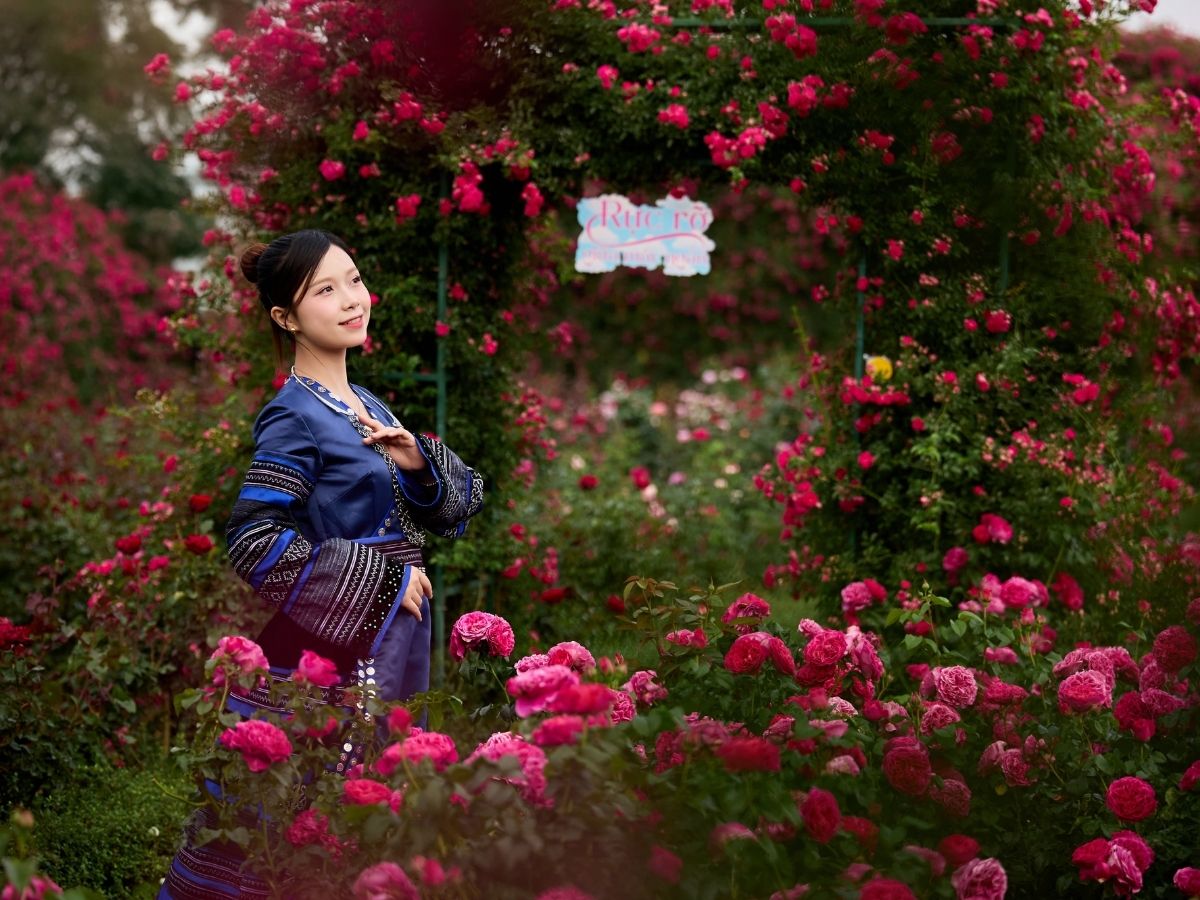
Rose Valley, spanning over 8 hectares, is an ecological tourist area cultivating nearly one million ancient rose bushes along with temperate plants such as peach blossoms, plum blossoms, and crisp persimmons. The landscape is harmoniously designed with wooden stilt houses and walking paths winding around naturalistic miniatures.
Each blooming season, the valley is vibrant with colors, becoming a favorite check-in spot, a place for relaxation, and enjoying the fresh air. Rose Valley Sapa is particularly attractive to young people and couples wanting to experience a romantic space amidst the Northwest mountains.
2.14. Sapa Ancient Stone Field
Located in Muong Hoa valley, the Sapa Ancient Stone Field stretches out with hundreds of sandstone slabs carved with mysterious patterns and characters. This is a famous archaeological site with high historical value, attracting researchers as well as tourists wishing to learn about the ancient civilization of the Sapa region.
This area has been recognized as a national monument, harmoniously combining tourism and scientific exploration. The Sapa Ancient Stone Field is a vivid testament to the long-standing culture of the Northwest people.
2.15. Swing Sapa and Sun Plaza
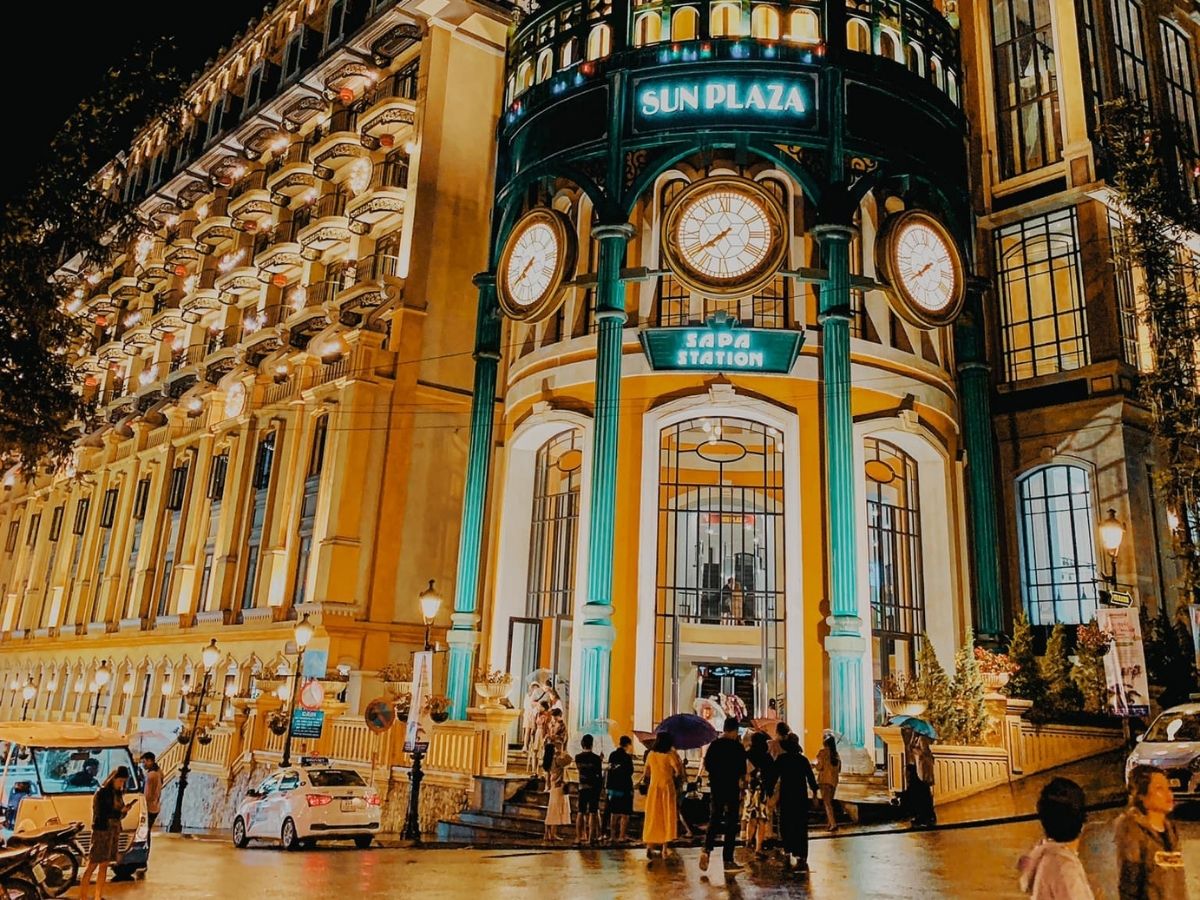
Swing Sa Pa contributes to making the trip more memorable. (Source: Collected)
Swing Sa Pa is a prominent 'Instagrammable' spot featuring a large swing, a "giant hand", and a Bali-style infinity pool, becoming a check-in paradise for young people who love traveling to Sa Pa.
Meanwhile, Sun Plaza Sa Pa is located right in the center, next to the square and the stone church, serving as a modern commercial and entertainment complex and also the Muong Hoa train station. Its unique European architecture and convenient services make Sun Plaza a familiar background in many travel photos, as well as a convenient stop when exploring the center of Sa Pa.
3. Suggested 2-day, 1-night itinerary for a complete experience of Sa Pa attractions
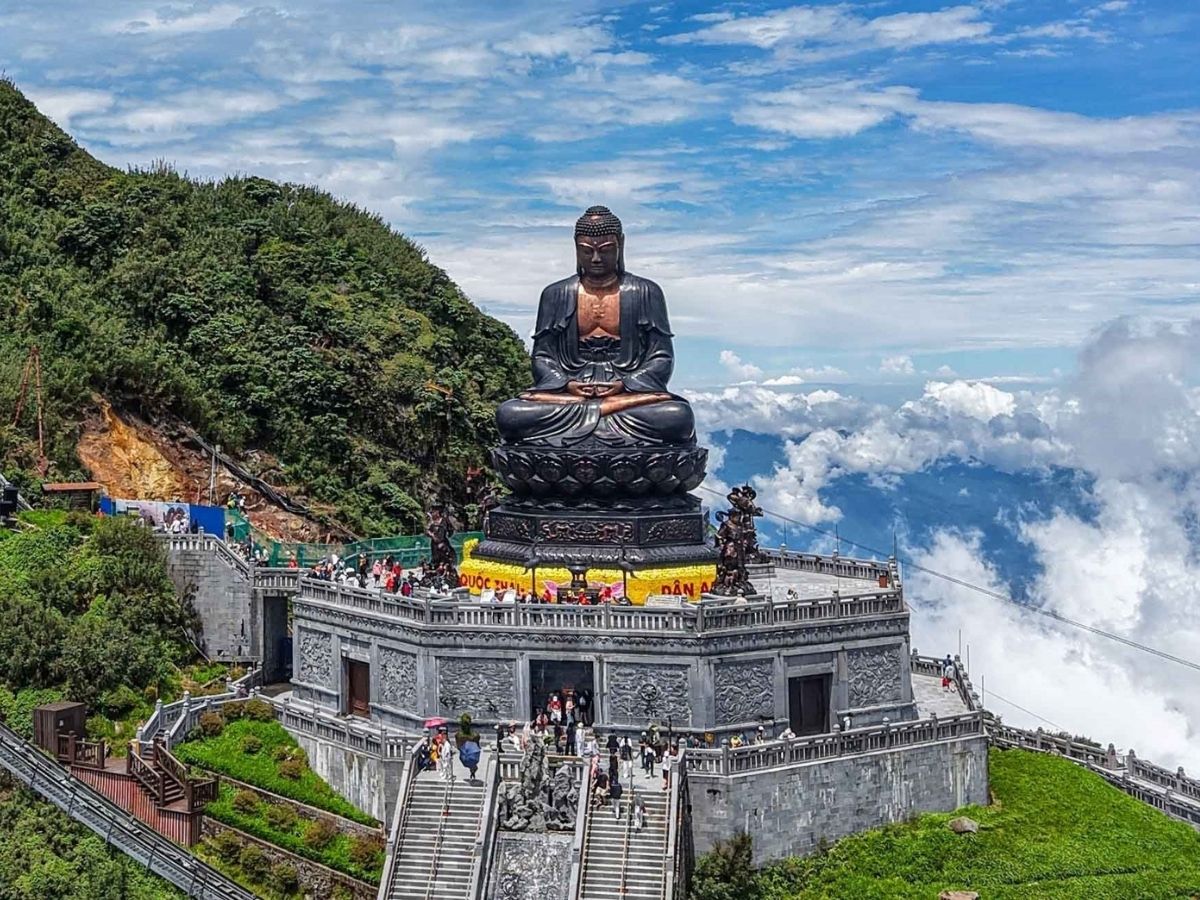
Travel experiences in Sapa always leave a deep impression. (Source: Collected)
With a short amount of time but still wanting to fully explore the natural beauty and culture of Sapa, a 2-day, 1-night itinerary is a very reasonable choice. A scientific arrangement will help you conquer the highlights while having time to rest and fully enjoy the atmosphere of the mountain town.
Day 1: Start the morning with a journey to conquer Fansipan peak – the “Roof of Indochina” – at Sun World Fansipan Legend tourist area. Visitors take the cable car across Muong Hoa valley to admire the terraced fields stretching out and the majestic Hoang Lien Son mountain range, then continue by mountain train or walk to the 3,143m summit. At the top, you can visit the spiritual complex including Bao An Zen Monastery and Bich Van Zen Monastery, check in at the Fansipan coordinate marker, and admire the beautiful floating sea of clouds. In the afternoon, return to the center of Sapa, spend time visiting Sun Plaza, the central square, and the ancient stone church. This is an ideal time to enjoy coffee, try local grilled specialties, and feel the unique pace of life of the highland people. In the evening, visit the bustling Sapa night market, where ethnic textiles, agricultural products, and unique cuisine are sold, an unmissable experience when exploring the town center.
Day 2: Early in the morning, start by climbing Ham Rong Mountain, admire the panoramic view of the center from above, and visit the flower garden and Thach Lam stone garden with uniquely shaped rocks. If the weather is favorable, this is also an ideal spot for cloud hunting for photography enthusiasts. In the afternoon, move to Cat Cat village, explore Tien Sa waterfall, the suspension bridge, and the traditional crafts of the H'Mong people. Visitors can experience wearing ethnic costumes for photos and enjoy coffee with a majestic mountain view. If time permits, continue the journey to explore Muong Hoa valley, visit Cau May (Cloud Bridge), the ancient stone field, and learn about the mysterious stories associated with the land of Sapa.
4. Experience Tips for Attractions in Sapa
Sun World Fansipan Legend offers majestic views of the mountainous landscape.
(Source: Compiled)
To ensure a smooth and complete exploration of Sa Pa, it is essential to grasp practical experiences beforehand. From weather, clothing, to transportation and behavior at attractions, each small note contributes to helping you enjoy a safer and more memorable journey.
The weather in Sa Pa changes quickly and unpredictably, so preparing suitable clothing is extremely important. Regardless of the season, you should bring a light jacket or warm coat, a scarf, and a hat to cope with the erratic temperatures. In winter, a thick warm coat, gloves, and thermal socks are essential items to combat the biting cold at high points like Fansipan or O Quy Ho Pass.
To travel safely and conveniently when exploring Fansipan, Ham Rong Mountain, villages, and terraced fields, sports shoes or trekking shoes with non-slip soles are the optimal choice. Additionally, suitable footwear will help you easily pose and take impressive photos amidst the majestic natural scenery.
For photo outfits, bright colors or warm tones often create a beautiful contrast with the lush green mountain backdrop. The service of renting ethnic costumes in Cat Cat, Ta Van, or Ta Phin villages is increasingly popular, offering an immersive experience with local culture and unique, unforgettable photos.
Regarding transportation, a rented motorbike is a flexible option, allowing you to easily stop along the way to take photos or admire the scenery. Taxis, intra-city electric cars, or motorbike taxis are also convenient means of transport, especially for tourists unfamiliar with navigating mountain passes.
Many travel companies in Sa Pa organize affordable day tours to Fansipan, O Quy Ho Pass, and Cat Cat village. Before heading to high-altitude areas, check the weather forecast to choose days with less rain, good visibility, and ensure safety during your journey.
Upon first arriving in Sa Pa, your body needs time to adapt to the altitude. Visitors should rest, eat lightly, and avoid overexertion on the first day. On mountain peaks, the weather can suddenly turn cold and windy, so bringing a windbreaker, water, and snacks is essential.
When visiting villages like Cat Cat, Ta Phin, or Ta Van, always respect the local way of life. Ask for permission before taking close-up photos, especially of children and the elderly. At the same time, maintain cleanliness, do not litter at scenic spots, on passes, in forests, or near waterfalls and streams to protect the natural environment for future generations.
Hopefully, the list of top attractions in Sa Pa will inspire your exploration journey. From majestic mountain routes to unique cultural villages, each destination offers an unforgettable "travel" experience. We wish you an energetic trip, many beautiful memories, and a complete discovery of Sa Pa's charm.