















1. Introduction to the Fansipan Cable Car Station
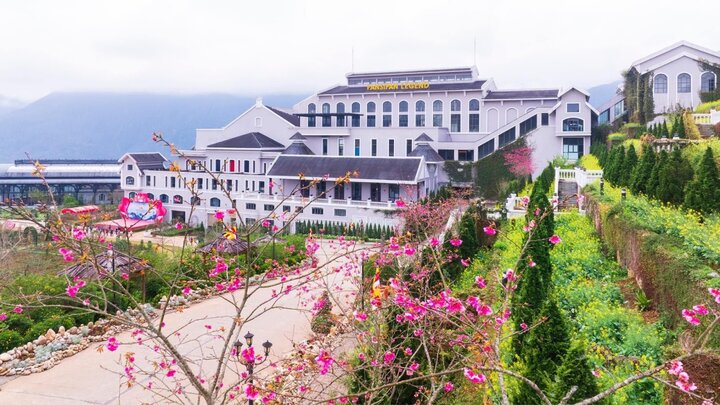
Located within the Sun World Fansipan Legend tourist complex, the Fansipan cable car station is located about 3km from the center of Sa Pa, easily accessible by taxi, electric car, or the Muong Hoa mountain train. This is the starting point of the journey to conquer Fansipan peak, known as the “Roof of Indochina” with a height of 3,143 m. From the vast space of the Hoang Lien Son mountain range, the station appears as a work that harmonizes humanity and nature, tradition and modernity.
Upon arrival, visitors will be impressed by the magnificent scale, exquisite architecture, and lush surrounding landscape. Not just a place for cable car boarding and alighting, the station also serves as an independent attraction, where visitors can rest, admire the scenery, take photos, and feel the vibrant tourist life of Sa Pa.
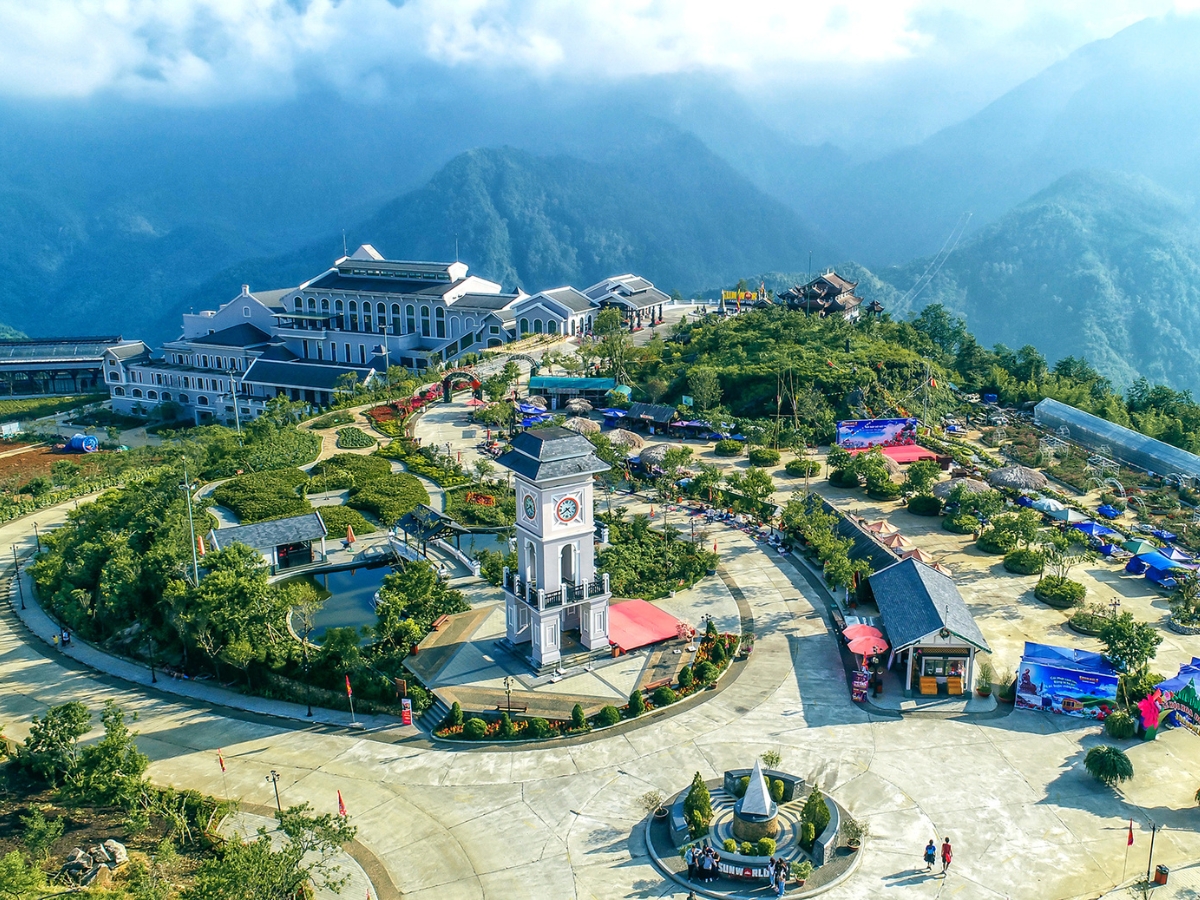
Panorama of the Fansipan cable car station complex from above (Source: Collected)
2. Unique architecture of the Fansipan cable car station
2.1. Traditional design style combined with modern
Inspired by the culture of the Northwest region, the Fansipan cable car station is designed with many brocade patterns and local motifs, expressed through wooden columns, curved tiled roofs, and large window frames. The main materials are wood, stone, and glass, creating a sense of closeness to nature while ensuring sturdiness and sophistication. Every detail evokes the image of highland villages, where ethnic cultural beauty is honored and preserved through exquisite and warm decoration.
Accompanying the traditional elements are modern design highlights, a high dome system for natural lighting, and a load-bearing steel frame structure that makes the space airy, along with waiting areas and service areas conveniently arranged according to international standards. Soft yellow light, warm earthy tones combined with reflective glass bring a luxurious look, creating a feeling that is both classic and contemporary. It is this harmonious combination that has helped the Fansipan cable car station become a unique architectural symbol of Sa Pa, where past and present meet amidst the clouds and skies of the Northwest.
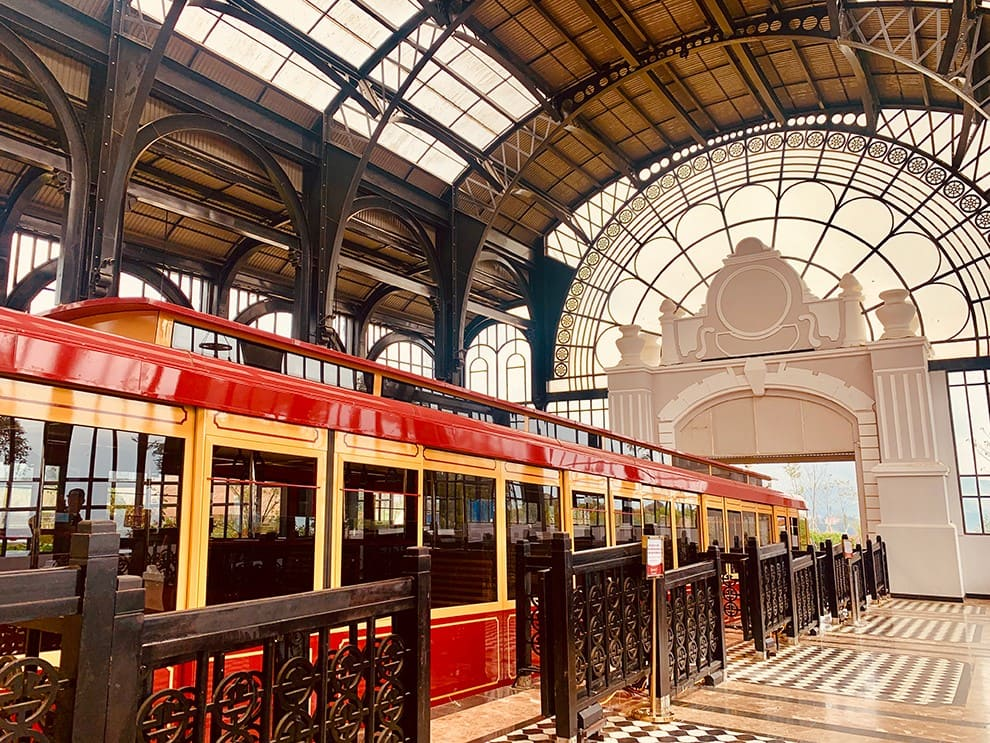
Interior space of the Fansipan cable car station (Source: Collected)
2.2. Artistic check-in point amidst the clouds and sky of Sa Pa
The main hall space with its high dome and exquisite hanging lamp system is where tourists often stop to capture impressive photos. From the balcony facing Muong Hoa valley, the scenery of drifting clouds and layered mountains combined with the warm yellow tones of the architecture creates a perfect backdrop for every frame. Regardless of the time of day, the light and mist all contribute to creating a Fansipan "painting" with its own unique flavor.
It's not just a place for photos; the check-in area also offers an artistic experience. Every corner is intentionally designed, from the stairs, corridors to the path leading to the balcony, all inspiring creativity. For those who love photography or want to capture memories in Sa Pa, the Fansipan cable car station is definitely a must-visit stop.
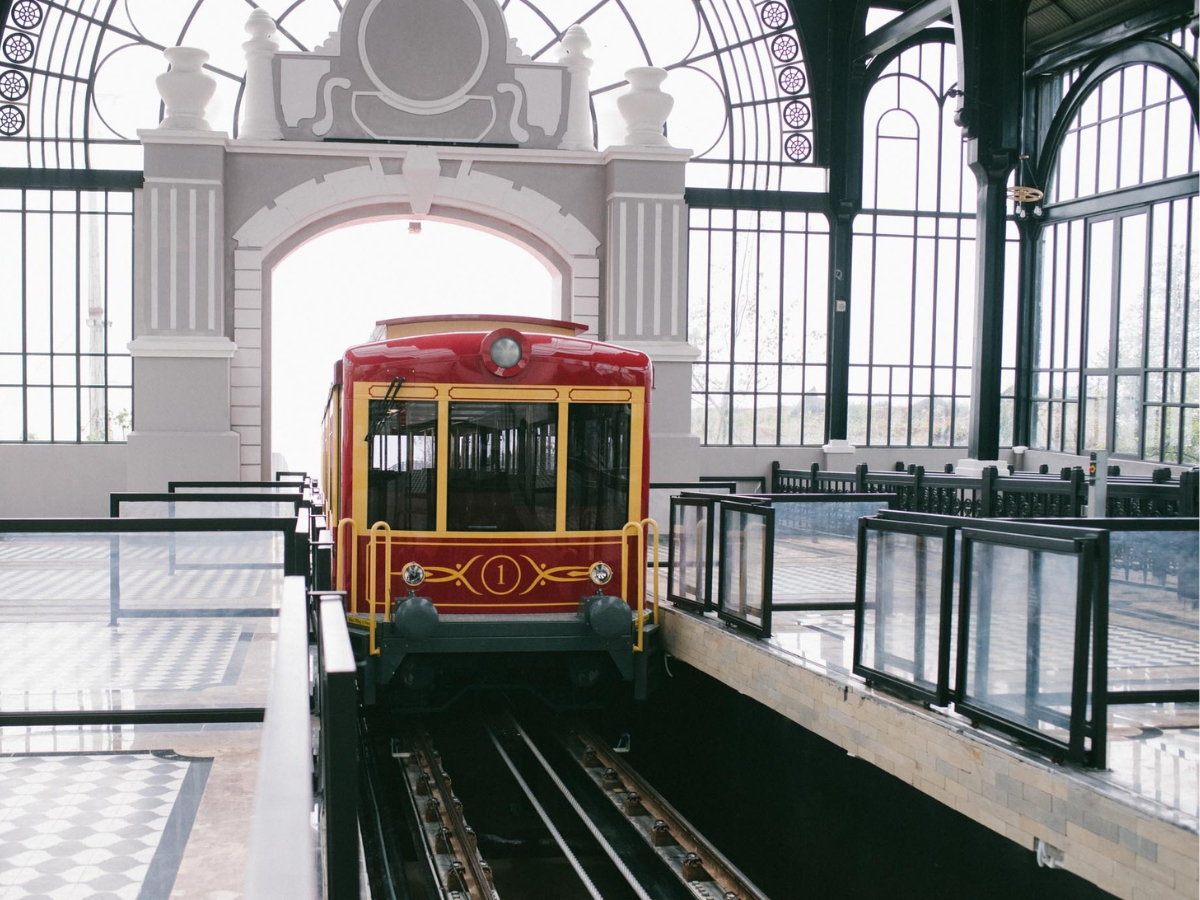
A beautiful check-in corner inside the station (Source: Collected)
3. System of stations at Fansipan cable car station
3.1. Sa Pa Station
Sa Pa Station is located right inside the Sun Plaza building, which is likened to a prominent architectural symbol in the center of Sa Pa. This is the first departure point of the Fansipan exploration journey, directly connecting to the Muong Hoa mountain climbing train line. The convenient location allows tourists to easily travel from the town center without taking much time, while also enjoying the bustling atmosphere of the mountain town.
Not only a departure point, Sa Pa Station is also a true work of art. It features a strong classic European style with high domes, large glass windows, and characteristic yellow-blue tones. The interior space is exquisitely decorated with classic patterns, evoking a sense of luxury yet warmth. Here, visitors can take photos "check-in" in the grand hall, enjoy coffee, or shop for local specialties before departing for Muong Hoa station.
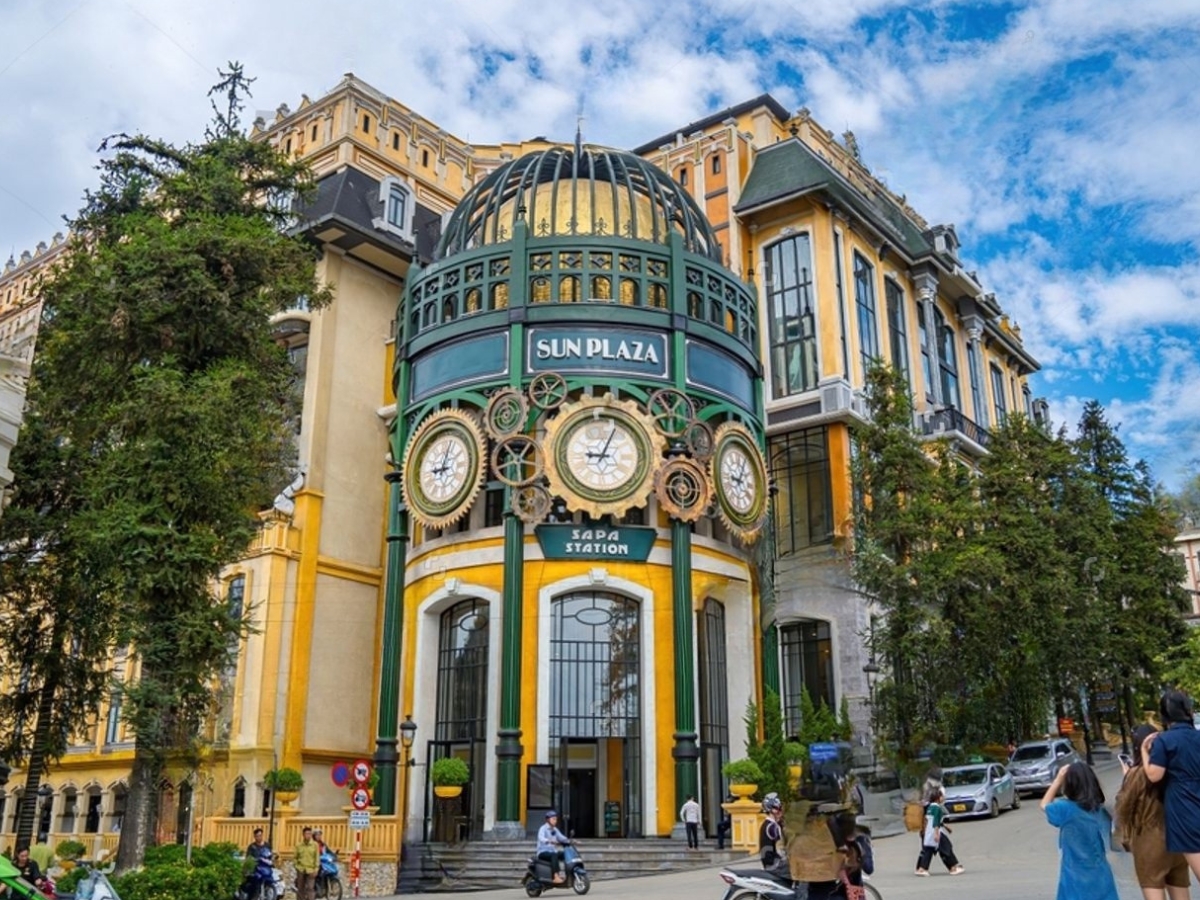
Classic European scenery in front of Sapa station (Source: Collected)
3.2. Muong Hoa Station
Located at the end of the Muong Hoa mountain railway line, Muong Hoa Station is considered the "gateway" to the Fansipan cable car line. From Sapa Station, the train will take tourists across the poetic Muong Hoa valley to get here, taking only about 6 minutes to travel. The station's location is amidst majestic nature, where rolling mountains embrace the valley of golden terraced fields all year round.
With classic French architecture, Muong Hoa Station expresses class and sophistication with a high ceiling design, large glass dome roof, curved iron frame system, and tall glass windows offering a wide view outside to the patterned floor system, decorative pillars, and the red-gold color of the train cars. Especially, when stopping at Muong Hoa Station, tourists can admire the largest ancient rose garden in Vietnam along with myriad colorful flowers in full bloom..
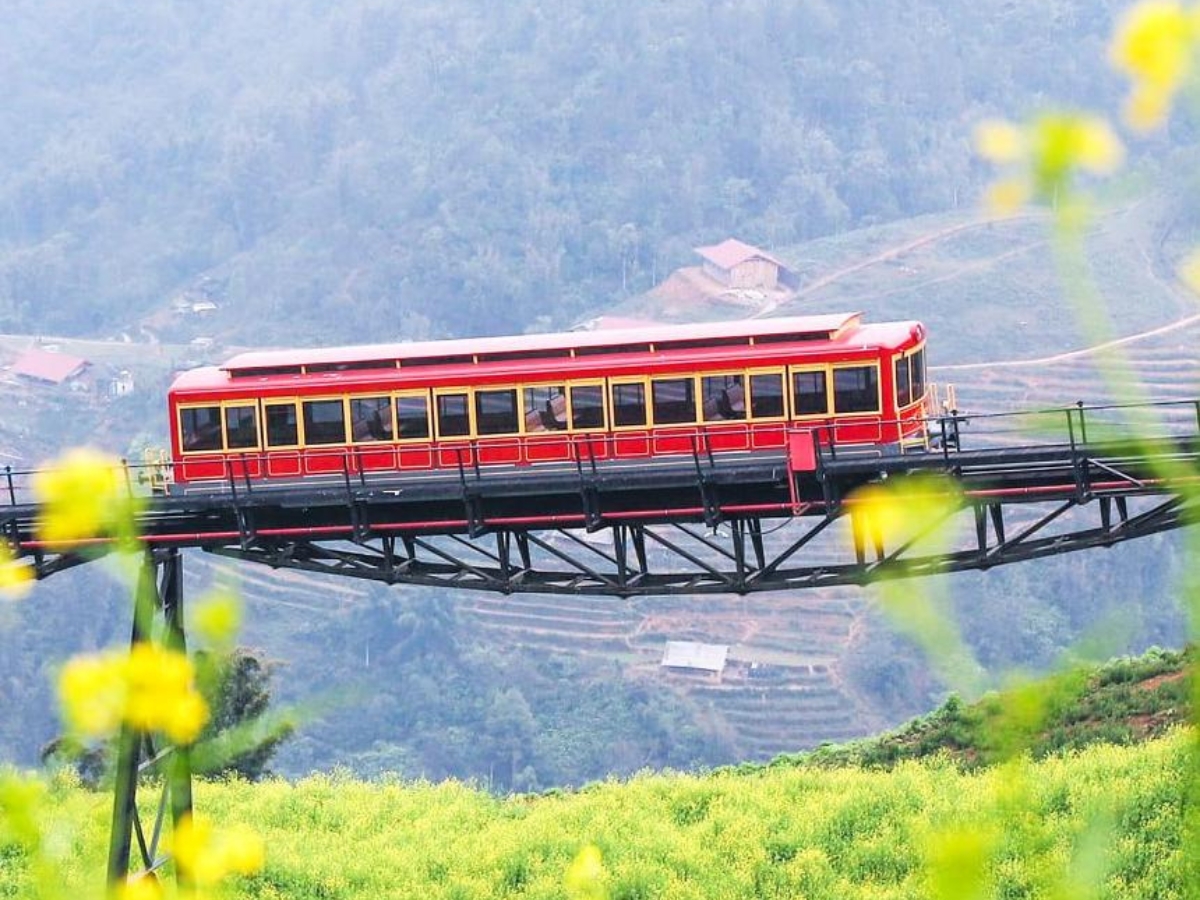
Muong Hoa Cogwheel Train (Source: Collected)
3.3. Hoang Lien Station
Hoang Lien Station is located at an intermediate altitude, between the cable car route connecting Muong Hoa Station and Fansipan Station. It is surrounded by the lush Hoang Lien forest, a primeval forest renowned for its diverse ecosystem and fresh air. Thanks to this special location, upon arriving at Hoang Lien Station, visitors can best feel the transformation of nature: from the bright golden sunlight of the valley to the misty, cold fog of the highlands.
The architecture of Hoang Lien Station features a strong blend of modern and indigenous styles. Dark tiled roofs, grey stone walls, and large wooden frames create a sturdy appearance, harmonizing with the mountain landscape. From Hoang Lien Station, visitors can admire the panoramic view of the majestic Hoang Lien Son mountain range and Muong Hoa valley from an ideal altitude, feel the characteristic cool air, and take photos amidst the floating sea of clouds, an experience beloved on the journey to conquer the "roof of Indochina".
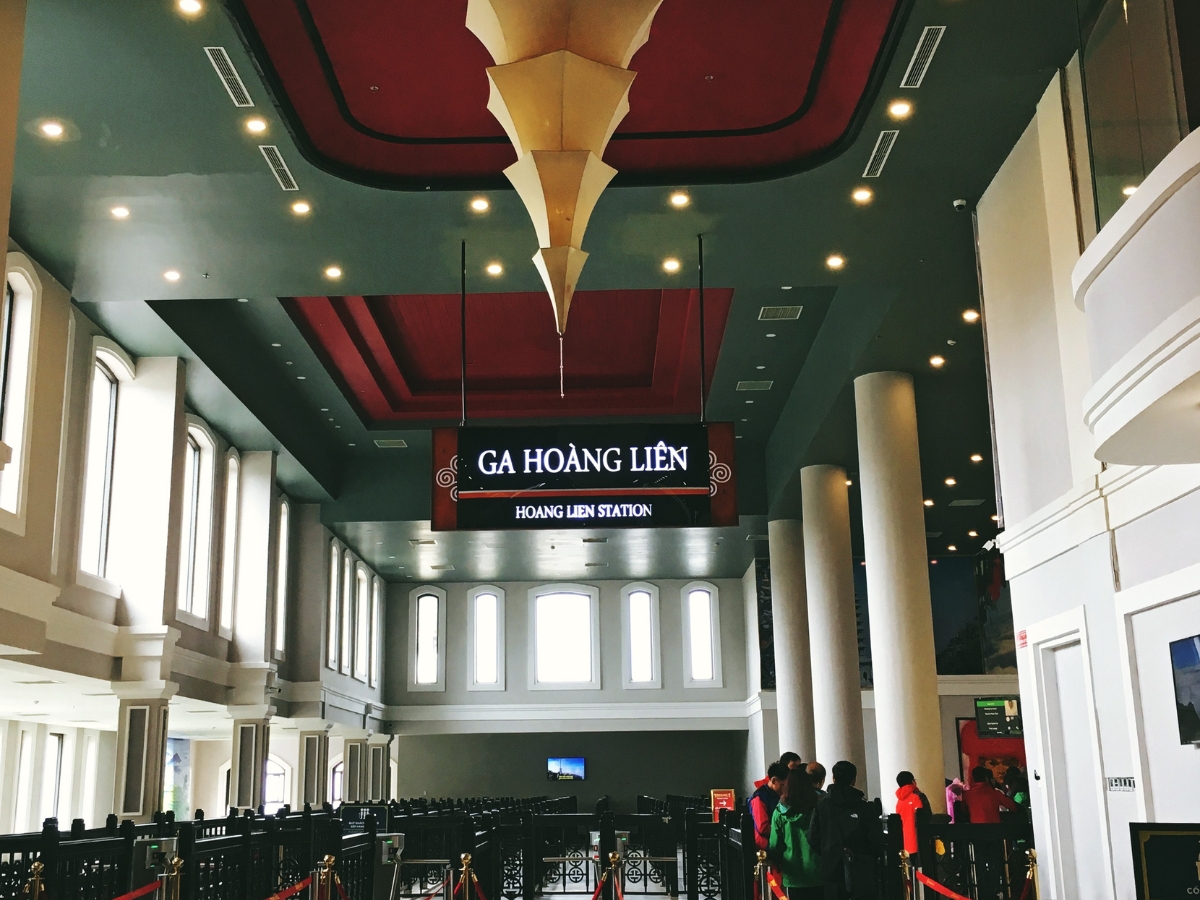
Unique architecture inside Hoang Lien Station (Source: Collected)
3.4. Fansipan Station
Fansipan Station is the most important destination in the station system, located at an altitude of over 3,000m above sea level, very close to the Fansipan peak area. This is the final stop of the cable car route to Fansipan peak, opening up a journey to explore the magnificent cultural - spiritual complex on the Northwest sky peak. This location is often covered by mist and white clouds, creating an incredibly special, ethereal, and mystical scene.
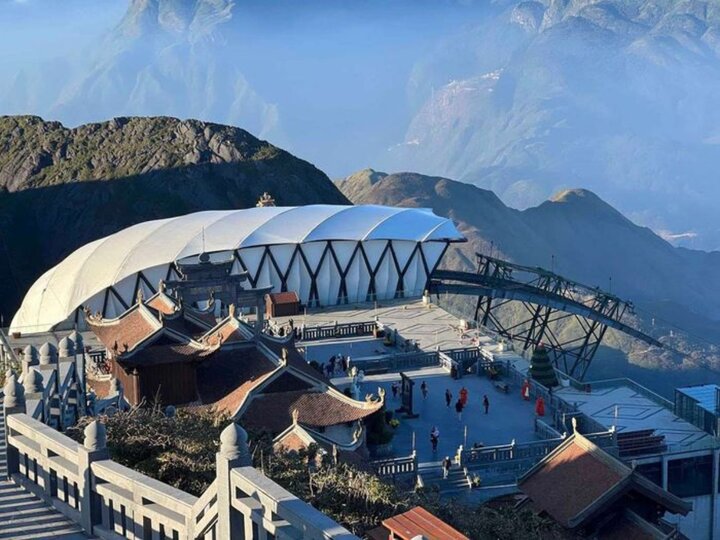
Fansipan Station like a "giant leaf embracing a bird's nest" amidst the Northwest mountains and forests
(Source: Collected)
The architecture of Fansipan Station is a blend of modern design style and the inspiration of Tay Bac nature. The structure is shaped like a giant leaf embracing a "bird's nest", a symbol of the care and protection of the Hoang Lien mountains. At the station, visitors can admire spiritual structures with the architecture of ancient Vietnamese pagodas from the 16th century, or gaze at the majestic natural scenery amidst the vast Hoang Lien mountains. Besides, the system of restaurants and cafes at the station are also ready to serve the needs of rest and dining on the journey to conquer Fansipan peak.
3.5. Do Quyen Station
Do Quyen Station is located on the route leading to Fansipan peak, where it is covered year-round by vibrant azalea forests. In spring, azaleas bloom vibrantly across the mountainside, creating a picturesque and poetic scene. This is an ideal stopover for visitors to rest, sightsee, and feel the cool air of the high mountains.
The architecture of Do Quyen Station has a rustic appearance, blending into the Hoang Lien mountains. The gray stone walls, dark brown tiled roofs, and large wooden columns create a warm space, close to nature. Amidst the blooming azaleas in spring, the small yet prominent structure serves as a peaceful resting point on the journey to conquer the sky peak. Here, visitors can visit Ha Pagoda (Thanh Phong Zen Monastery) to pray for peace for their family and themselves.
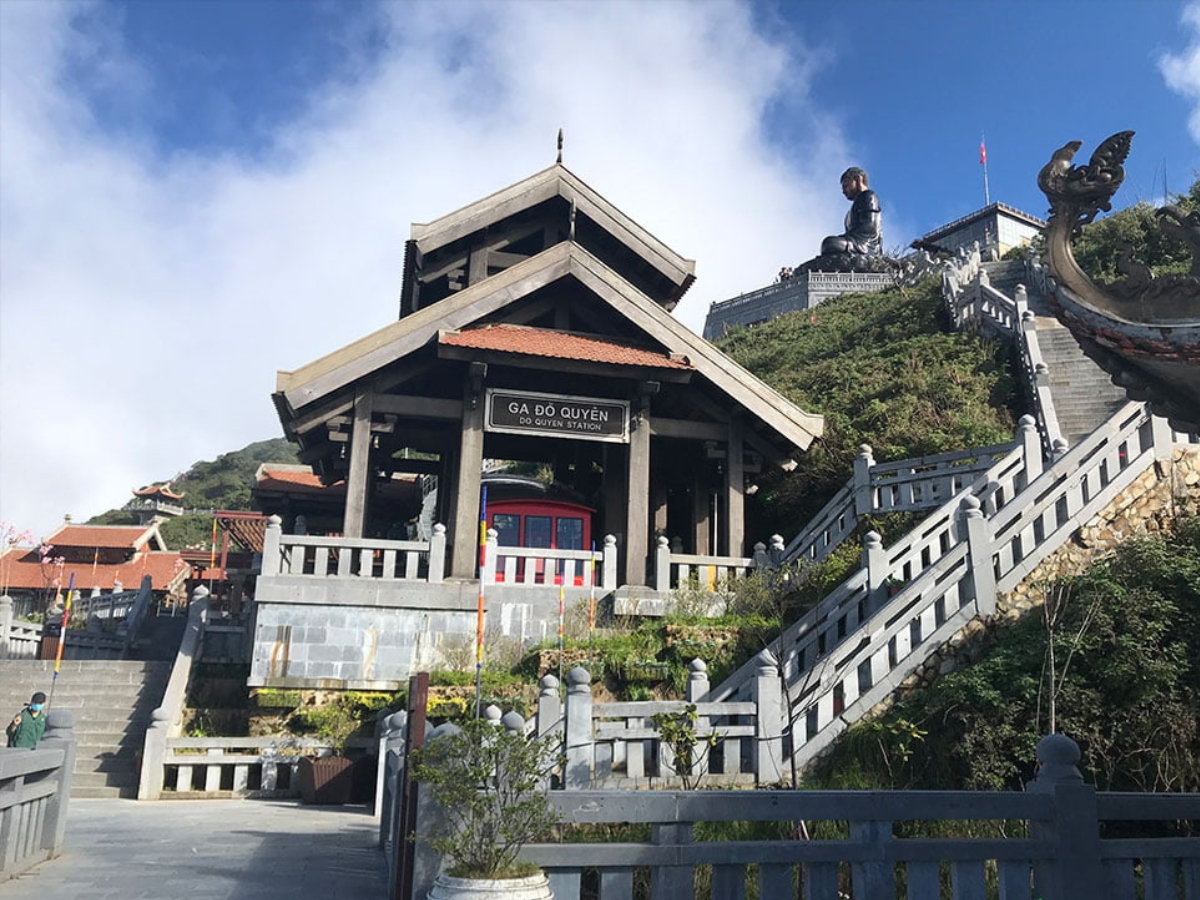
Do Quyen Station is nestled at the foot of the Great Buddha statue (Source: Collected)
3.6. Truc May Station
Located just 50 steps from Fansipan peak, Truc May Station is the final station in the Fansipan cable car system, surrounded by lush green bamboo forests, evoking a sense of peace amidst the vast Hoang Lien mountain range. Here, visitors can breathe the thin, cool air of the high cloud layer and feel the grandeur of the Northwest mountains and forests more clearly.
The architecture of Truc May Station is minimalist yet sophisticated, using bamboo, wood, and stone as primary materials to honor its rustic beauty. The open space, facing the valley and bamboo forest, makes this a favorite "check-in" spot for many tourists. From the station's balcony, you can cast your eyes over the Hoang Lien Son mountain range, enjoy the feeling of standing amidst a "sea of clouds", an unforgettable moment before reaching the Fansipan summit.
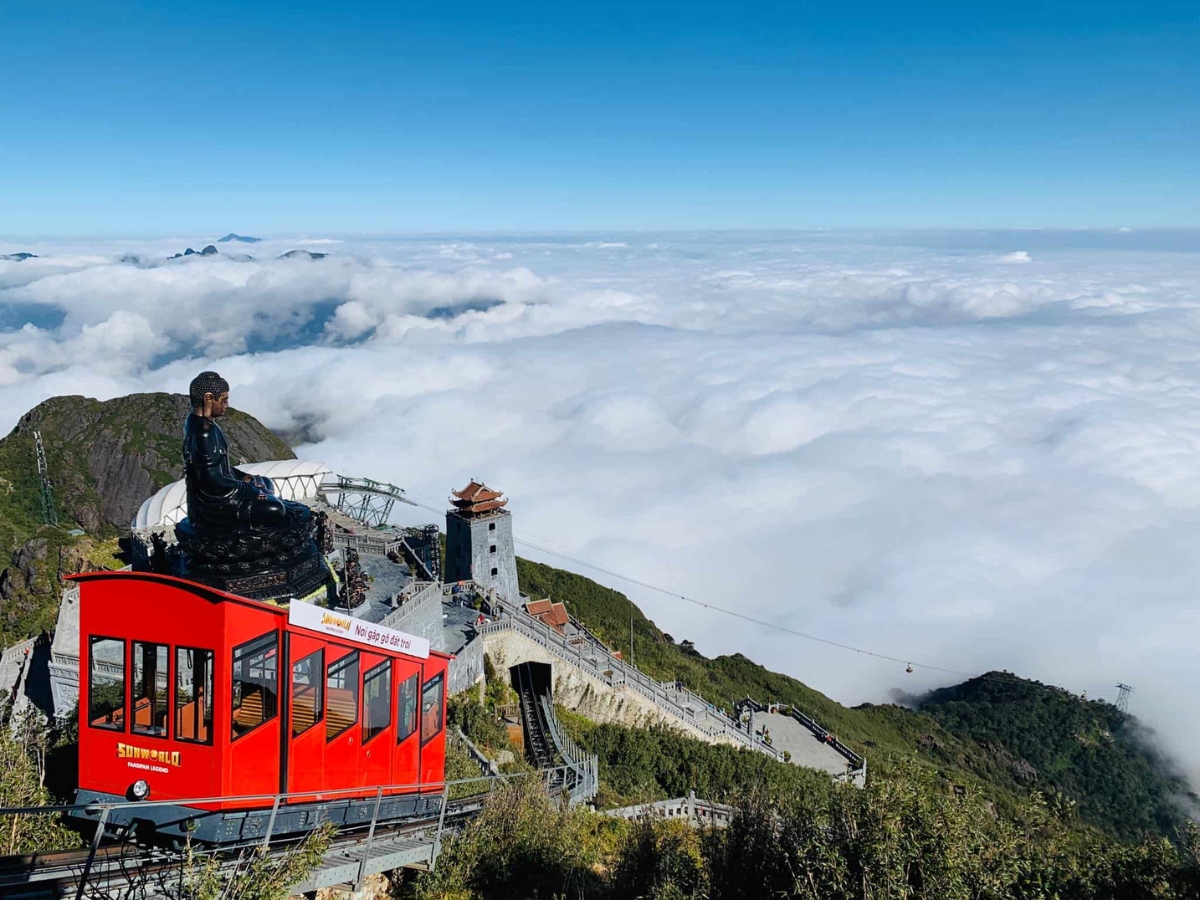
Admire the majestic nature from Truc May station (Source: Collected)
4. Journey of discovery from Fansipan cable car station
4.1. Experience the world record cable car route
The Fansipan cable car route is 6,292.5m long, recognized by Guinness World Records as the world's longest three-rope cable car route in 2016 when it first opened. It only takes about 15 minutes to travel, visitors can reach the Indochina peak instead of having to climb for 2 days as before.
On the journey, the cable car takes visitors across Muong Hoa valley, amidst fluffy white clouds. Every moment in the cabin is a vivid picture: golden terraced fields, deep green Hoang Lien primeval forest, and soft clouds drifting lazily around the mountainside. The feeling of floating amidst the clouds is both majestic and peaceful – a rare experience in the journey to explore Tay Bac.
Upon reaching the Fansipan peak at an altitude of 3,143m, visitors can hunt for the mystical sea of clouds, check-in at the sacred milestone marking the "Roof of Indochina", worship the largest bronze Amitabha Buddha statue in Vietnam, and admire the panoramic view of the miniature Sa Pa town below. Every moment at the summit brings a feeling of pride and peace amidst the vast sky and clouds.
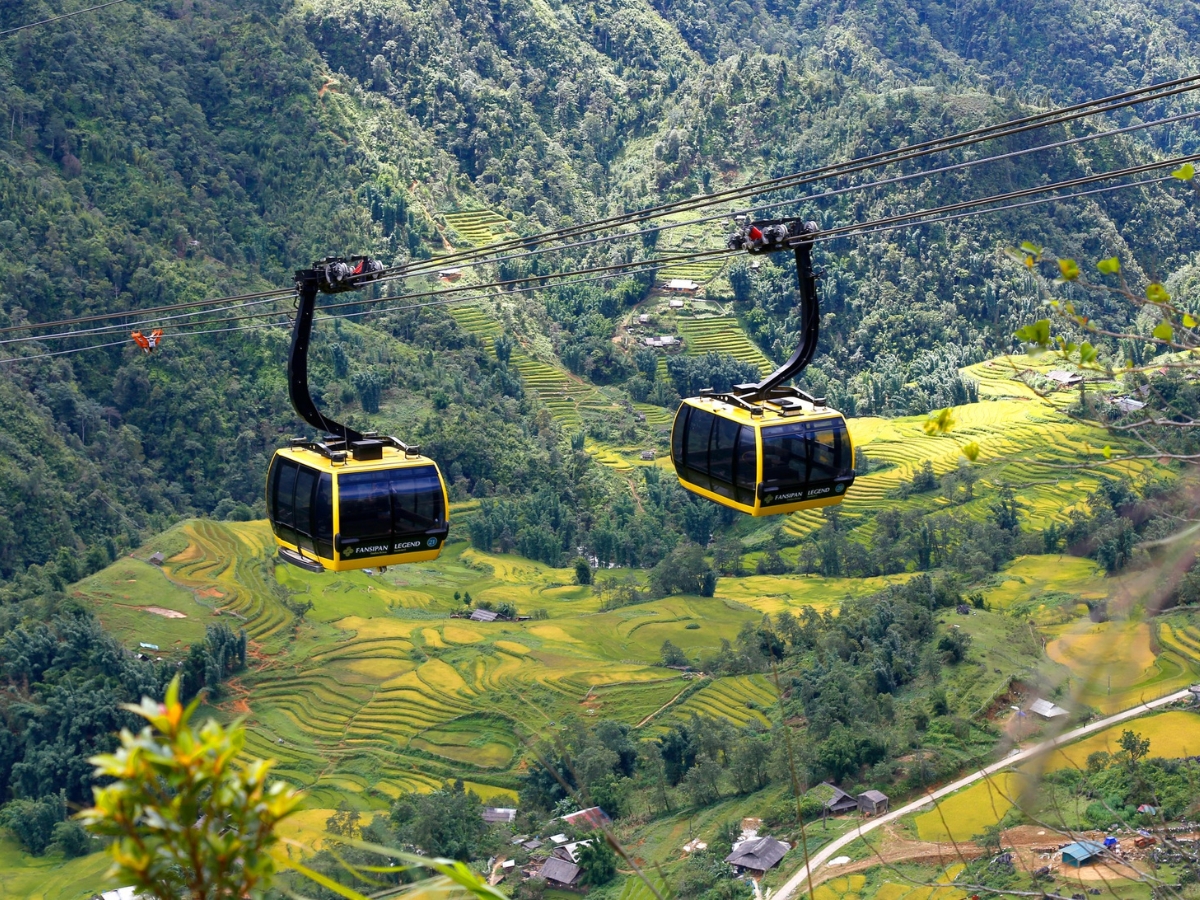
Experience taking the cable car to the top of Fansipan (Source: Collected)
4.2. Cultural Experience at Ban May
Right at the entrance area of the station, Ban May recreates the characteristic cultural space of the ethnic minorities in the highlands. Visitors can admire wooden houses, looms for weaving brocade, and enjoy lively khen and xoè dance performances. The vibrant space of ethnic costumes, the melodious sound of the khen, and the smoke from the kitchen make this place like a “living village” amidst modern Sapa.
Not only observing, but visitors can also participate in experiential activities such as making sticky rice cakes, weaving fabric, or trying on ethnic costumes for photos. Every small detail is recreated authentically, helping visitors better feel the spirit of the Northwest culture, rustic yet full of life.
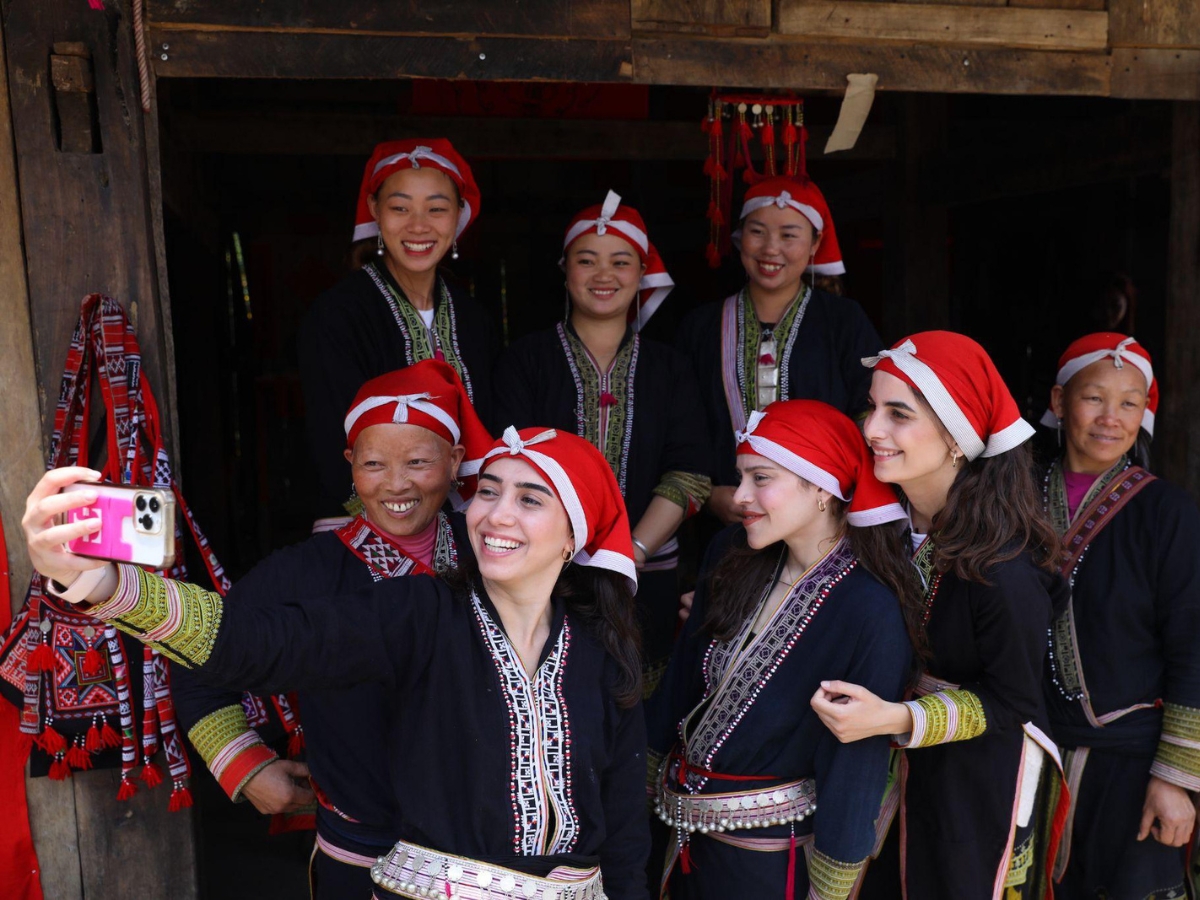
Foreign tourists enjoy experiencing the ethnic culture of the Northwest at Ban May (Source: Collected)
4.3. Spiritual Cultural Complex Experience
From an altitude of nearly 3,000 m, the spiritual cultural complex on Fansipan peak appears majestically amidst a sea of clouds, like a “Buddha's realm in the sky”. The entire complex is built in the ancient Vietnamese pagoda architectural style, following the mountain's contours, resting on rocky slopes, blending with the majestic nature. Each gracefully curved pagoda roof, each moss-covered stone step, all contribute to bringing the breath of Buddhist culture to the sky-high peak of the Northwest. Amidst this space, the prominent feature is the Great Amitabha Buddha statue made of bronze, over 21 m high, a work recognized as the tallest bronze Buddha statue in Asia, symbolizing benevolence and the aspiration for noble spiritual values.
Stepping through the Tam Quan gate, visitors feel like they have entered a serene realm, where the temple bells chime amidst the mist. The Arhat path leading to the summit is adorned with 18 bronze Arhat statues, each with a different appearance and expression, symbolizing the profound philosophies of Buddhism. From here, visitors can visit Kim Son Bao Thang Pagoda, Bich Van Zen Monastery, or the Bell Tower,... This is not just an experience of admiring beautiful scenery, but also a journey to find inner peace amidst the white sea of clouds of the “Roof of Indochina”.
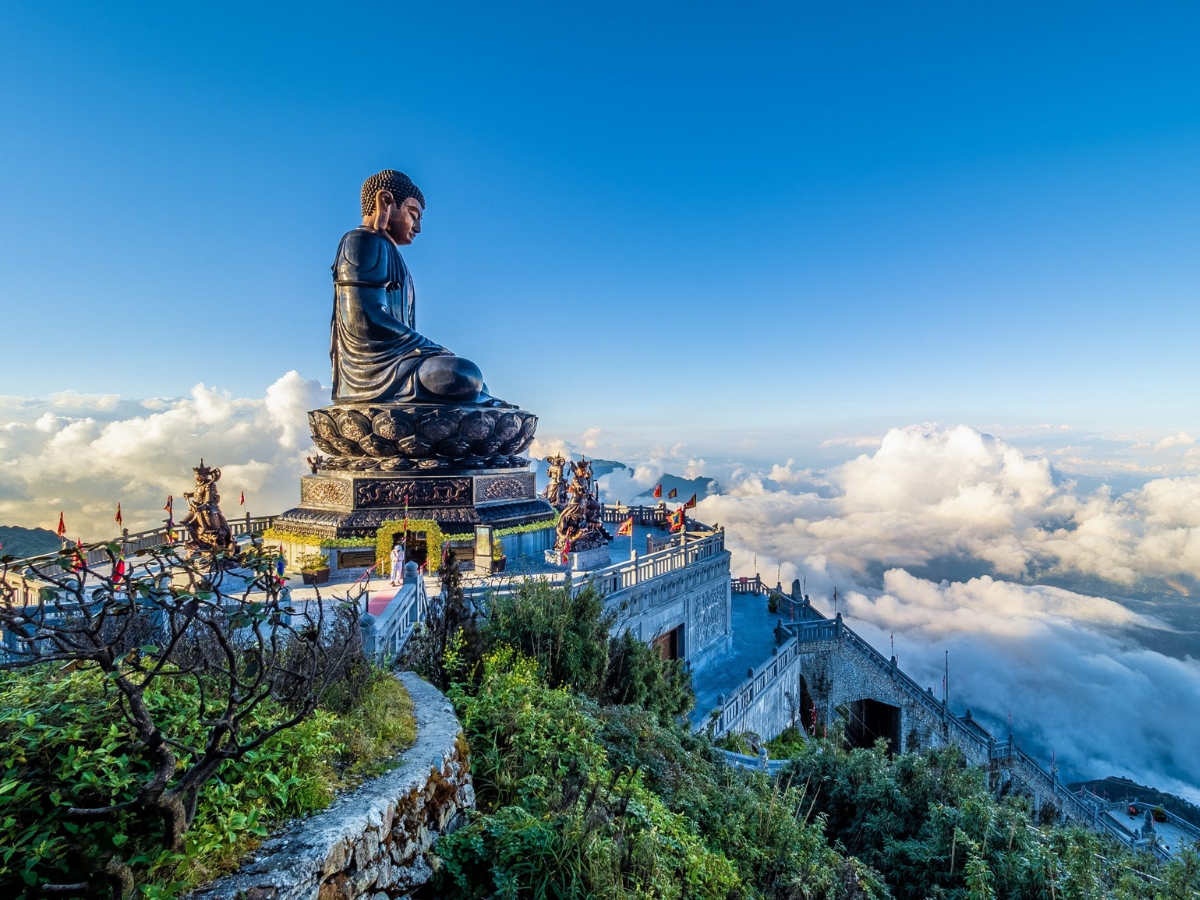
Great Amitabha Buddha statue on Fansipan peak (Source: Collected)
4.4. Rich and Diverse Northwestern Culinary Experience
After the journey to conquer the "Roof of Indochina", stopping at Sun World Fansipan Legend tourist area, visitors can enjoy the quintessence of Northwestern cuisine at four famous restaurants: Van Sam Buffet, Do Quyen restaurant, Hoa Hong restaurant, and Ban May evening buffet. Each place has its own style, from modern, cozy spaces to rustic, intimate decorations, but all aim to bring the full local flavors to diners.
The menu here gathers dozens of characteristic specialties of Sa Pa and the Northwestern highlands such as grilled mountain pork, crispy fried stream fish, Thang Co, hill chicken, stir-fried wild vegetables with garlic, five-colored sticky rice... Especially, the dishes are all prepared from fresh ingredients, combining rustic flavors with sophisticated presentation. It's not just about cuisine, but also a journey to discover culture through each dish, where every flavor tells a story about the mountains and forests, and the simple yet warm people of the Northwest.
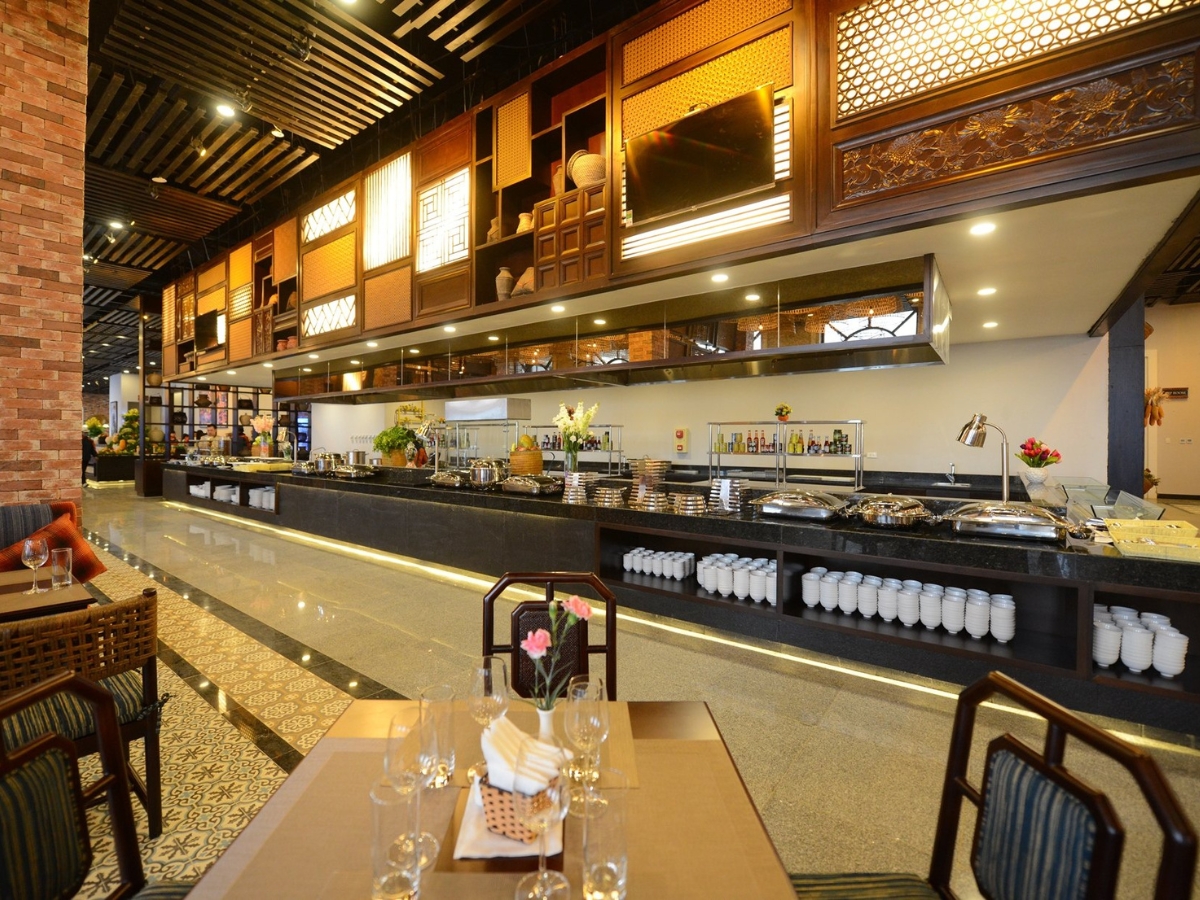
A cozy corner inside Van Sam restaurant (Source: Collected)
5. Tips for a complete journey
To make the journey of exploring the Fansipan cable car station complete, choosing the right time is the first factor not to be missed. Each season in Sa Pa has its own beauty: spring is vibrant with rhododendron flowers, summer is cool amidst a sea of drifting clouds, autumn has clear skies and gentle sun, and winter is the "cloud hunting paradise" for those who love the magical scenery of snow-covered mountains and forests. No matter when you visit, Fansipan still retains its unique charm, sometimes brilliant, sometimes serene, but always captivating visitors.
From the center of Sa Pa, the journey to Fansipan cable car station is also very convenient. Visitors can choose a taxi, electric car, or experience the Muong Hoa mountain train. Before setting off, don't forget to prepare thoroughly to fully enjoy the trip. A warm jacket, comfortable sports shoes, a small bottle of water, and a camera will be an indispensable "quartet" of companions. On the summit of Fansipan, the weather can change quickly, so a light jacket or scarf will help you stay warm when the wind blows through the mountainside.
Additionally, it is advisable to start early to have time to fully experience everything from taking the cable car, visiting the spiritual complex, to enjoying the highland cuisine. When everything is well prepared, the journey to the "Roof of Indochina" will not just be a sightseeing trip, but also a journey to find peace and tranquility amidst the clouds and sky of the Northwest.
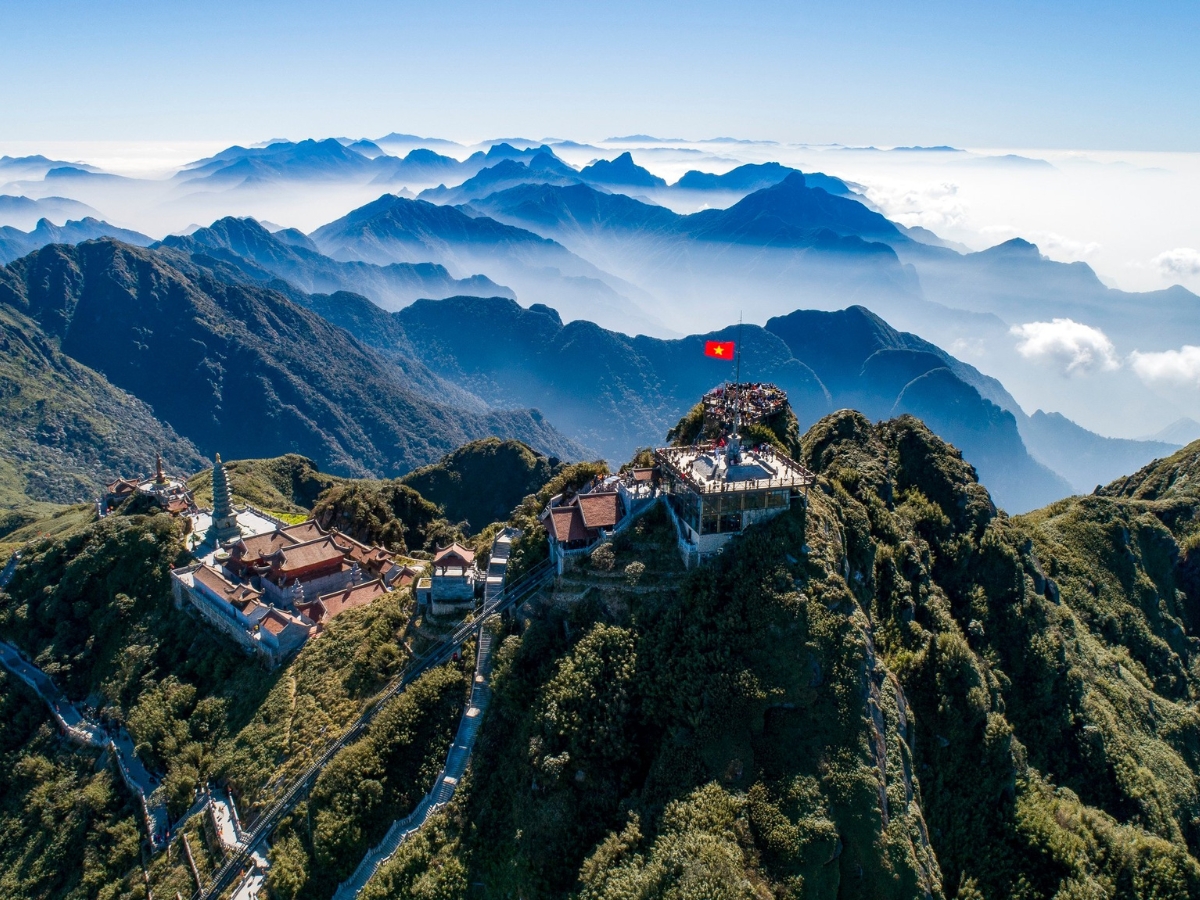
Fansipan amidst the clouds and sky of the Northwest (Tay Bac) (Source: Collected)
The journey to Fansipan Cable Car Station is not just a journey to conquer altitude, but also a journey to rediscover the beauty of nature, culture, and national pride. Amidst the clouds and sky of Sa Pa, each visitor will feel the magical blend between people and the Northwest mountains and forests (Tay Bac) - where every moment becomes an unforgettable memory on the "Roof of Indochina".