














1. Introduction to Mu Cang Chai Market Fair
1.1 History and cultural significance of the market fair
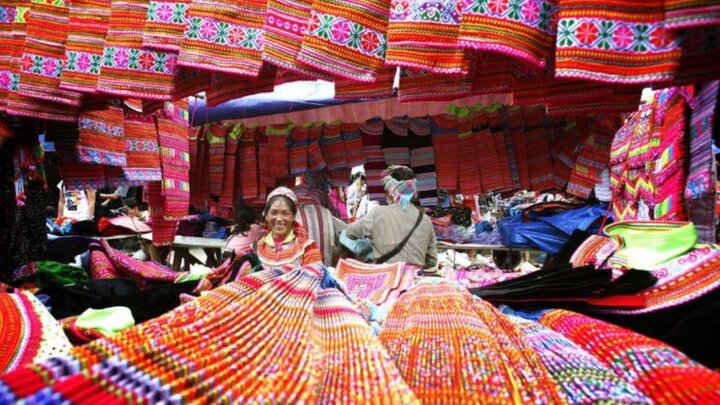
Mu Cang Chai periodic market formed early, closely associated with the long-standing life of the Mong, Thai, Dao people in Yen Bai. (Source: Collected)
The Mu Cang Chai periodic market was formed very early, closely linked to the long-standing life and cultivation of the Mong, Thai, and Dao ethnic groups in the high mountainous region of Yen Bai. In the rugged terrain, villages were often scattered on mountainsides, separated by winding passes and deep valleys. Therefore, the periodic market emerged as an essential need, becoming a common meeting point for people to exchange agricultural products, daily necessities, and update information from neighboring areas.
Over time, the Mu Cang Chai periodic market has not only played an economic role but also carries a deep cultural significance. The market is where people don their most beautiful traditional costumes, bring products made by their own hands, and meet friends and relatives after many days apart. For many young couples in the highlands, the periodic market is also a space for courtship, where glances and casual conversations can initiate lasting relationships.
What is special about the Mu Cang Chai periodic market is that despite many changes in modern life, traditional living customs are still preserved relatively intact. Stories shared over cups of corn wine, lively conversations in ethnic languages, or simply the image of the elderly patiently selecting bundles of wild vegetables… all create a market atmosphere that is both rustic and deeply local.
1.2 Locations of prominent periodic markets in Mu Cang Chai
When mentioning Mu Cang Chai periodic markets, tourists often think of a system of markets distributed in many different areas, each with its own character, reflecting the daily life of the surrounding resident communities.
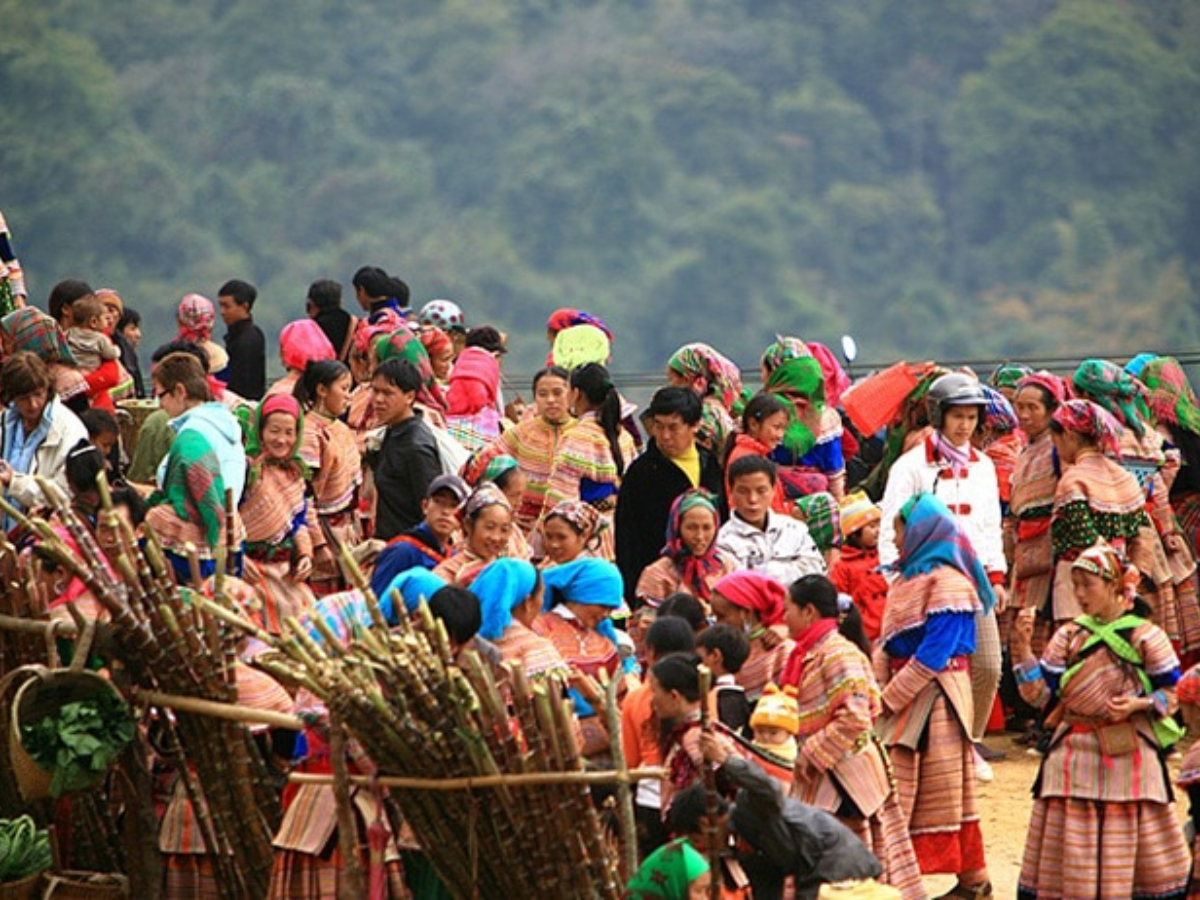
Kim Intersection Market serves as a transit point, concentrating many agricultural products from the people of the Mu Cang Chai region. (Source: Collected)
Kim Intersection Market is considered an important transit point, a place where many local agricultural products are gathered. Thanks to its convenient location, the market often attracts people from many nearby and distant villages, creating a bustling atmosphere right from early morning. Here, visitors can easily see images of baskets of corn, sweet potatoes, and wild vegetables displayed simply by the roadside, carrying the breath of highland life.
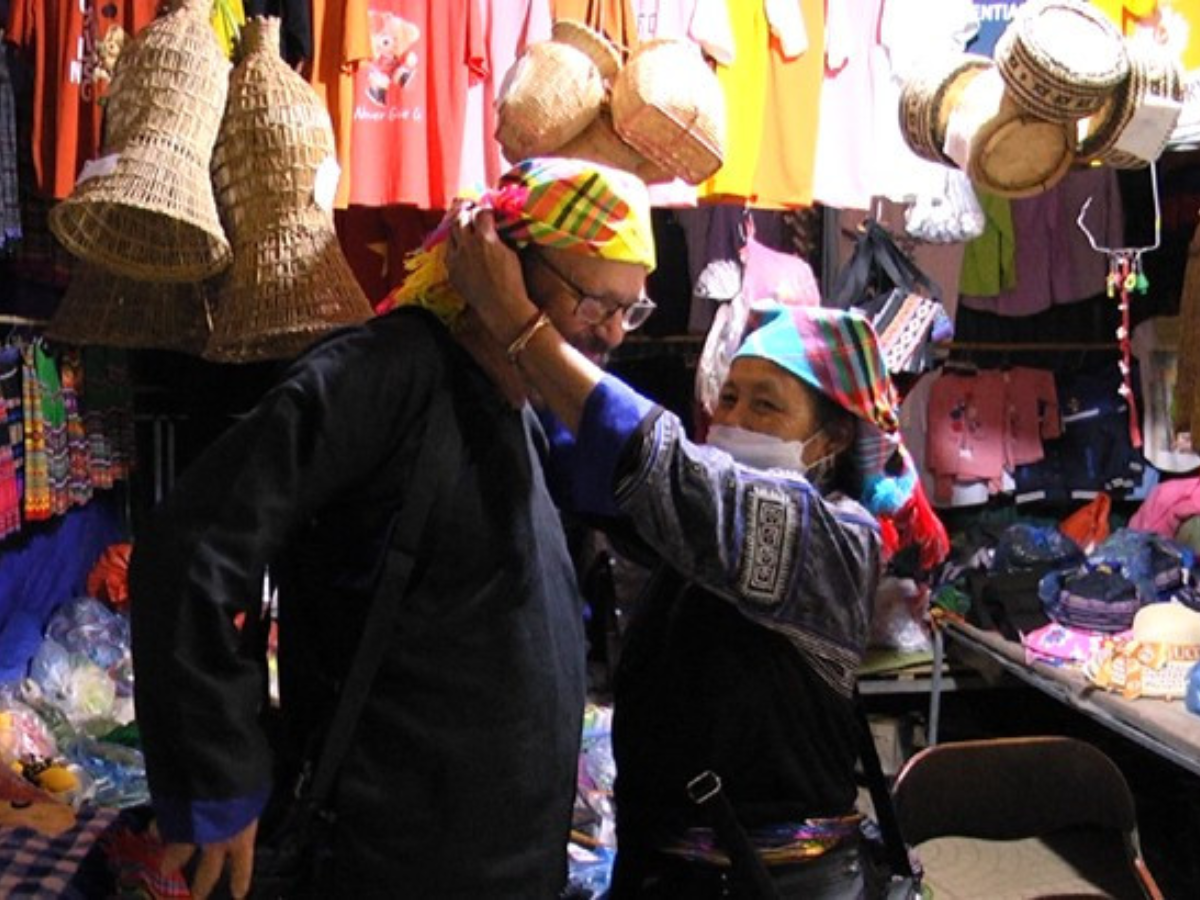
Mu Cang Chai district market is large-scale, and is the busiest trading place in the entire area. (Source: Compiled)
Mu Cang Chai district market is the largest and busiest market in the area. Not only local residents but also traders from neighboring districts come here for each market session. The diversity of goods, from agricultural products, food, household items to traditional costumes, makes the district market an ideal stop for tourists who want to fully explore the highland life.
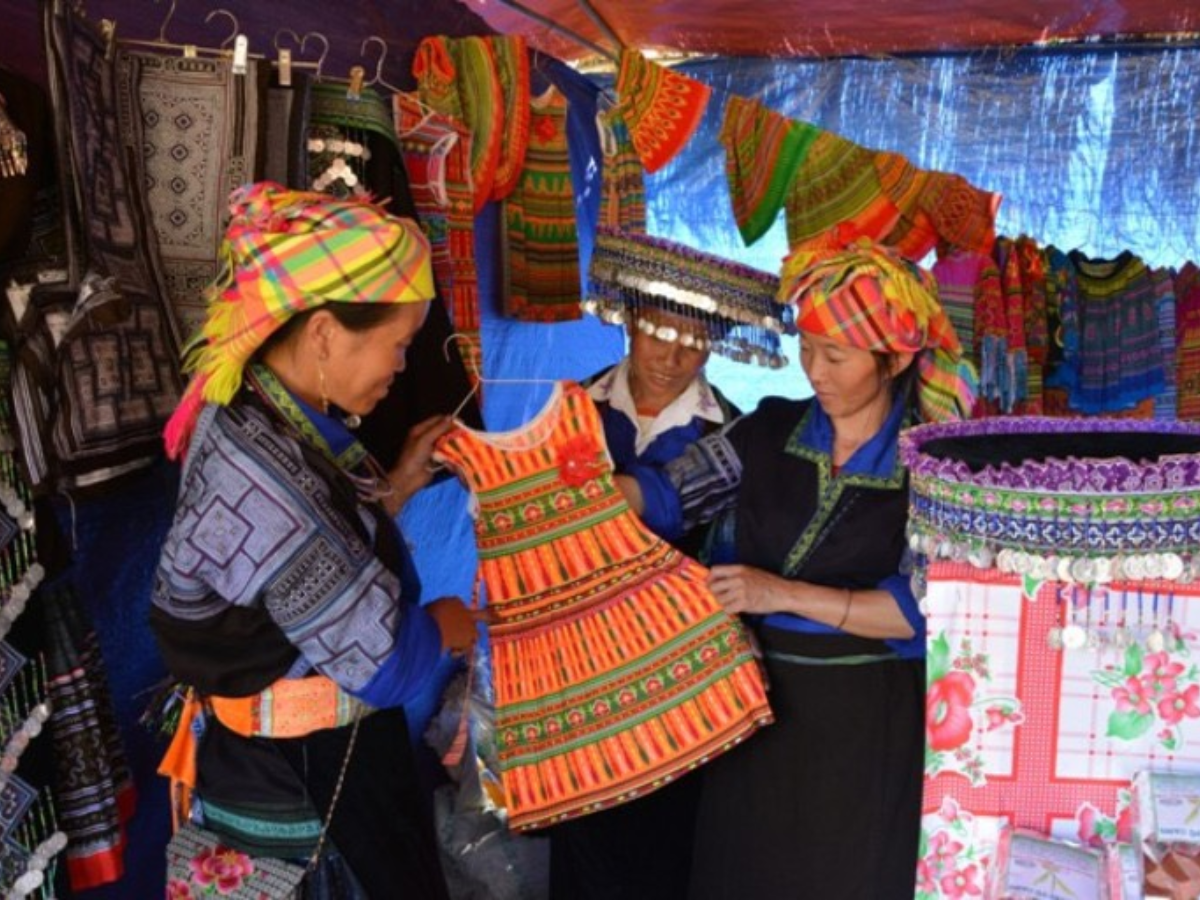
Khao Mang Market impresses with its rustic, simple, and very close atmosphere to the local people. (Source: Collected)
Meanwhile, Khao Mang Market offers a very different beauty, more simple and familiar. The market is associated with the daily lives of people in remote and distant villages, where the habits of buying, selling, and chatting still maintain a slow, leisurely pace. For many tourists, it is precisely this rustic charm that is the most attractive point of the Mu Cang Chai market session.
1.3 Time of Mu Cang Chai Market Session
Unlike markets in the plains that operate daily, the Mu Cang Chai market session usually takes place on fixed days of the week or according to traditional session cycles. This creates a unique characteristic, making each market session eagerly awaited by the people as a familiar event.
Typically, major market sessions are held on weekends, when people have more time to travel from distant villages to the center. Some special sessions even coincide with local festivals or traditional days, making the market atmosphere even more lively and bustling.
For tourists, learning the schedule of the Mu Cang Chai market session in advance is essential to not miss this unique cultural experience. Because each market session not only differs in scale but also offers very specific aspects of daily life, depending on the time and the participating community.
2. Cultural Experience at Mu Cang Chai Market Session
2.1 Early Morning Market Atmosphere
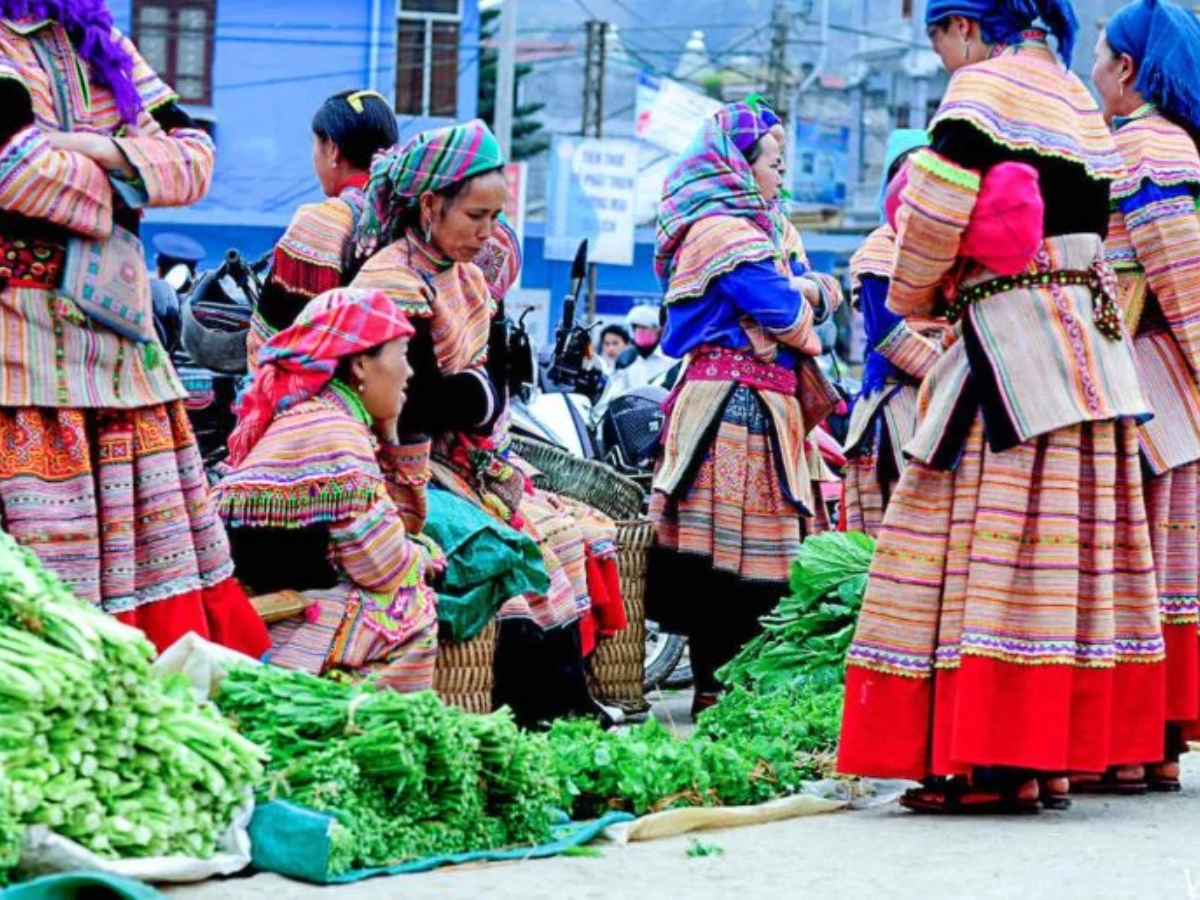
The early morning at Mu Cang Chai market is most beautiful when mountain mist still covers the hillsides. (Source: Collected)
One of the most beautiful moments when visiting Mu Cang Chai market is the early morning, when mountain mist still blankets the hillsides. From dawn, the small paths leading to the market begin to bustle with footsteps, laughter mingling in the cool highland air.
The image of people wearing vibrant traditional costumes stands out against the deep green mountains and forests, creating a lively picture of daily life. Brocade skirts and tops, headscarves, rattan baskets… all contribute to the unique and unmistakable characteristics of the Mu Cang Chai market.
For tourists, simply strolling around the market, listening to the cheerful conversations, and observing how people exchange goods is enough to clearly feel the slow but warm rhythm of life in the Northwestern mountains.
2.2 Community Activities and Cultural Exchange
Mu Cang Chai market is not just a place for buying and selling; it is also a vibrant space for cultural exchange and community activities. During major market days, visitors can witness traditional musical instrument performances, folk games, or exchanges deeply imbued with ethnic identity.
For people living in villages far from the center, the market is a rare occasion to meet, exchange news, and maintain community ties. Everyday stories, sharing about harvests, families, or work are told over warm cups of corn wine, creating a uniquely intimate atmosphere.
It is these simple exchange activities that contribute to making Mu Cang Chai market a lively cultural space, where community values are prioritized, far exceeding the meaning of an ordinary market.
2.3 Cultural Intersection of Highland Ethnic Groups
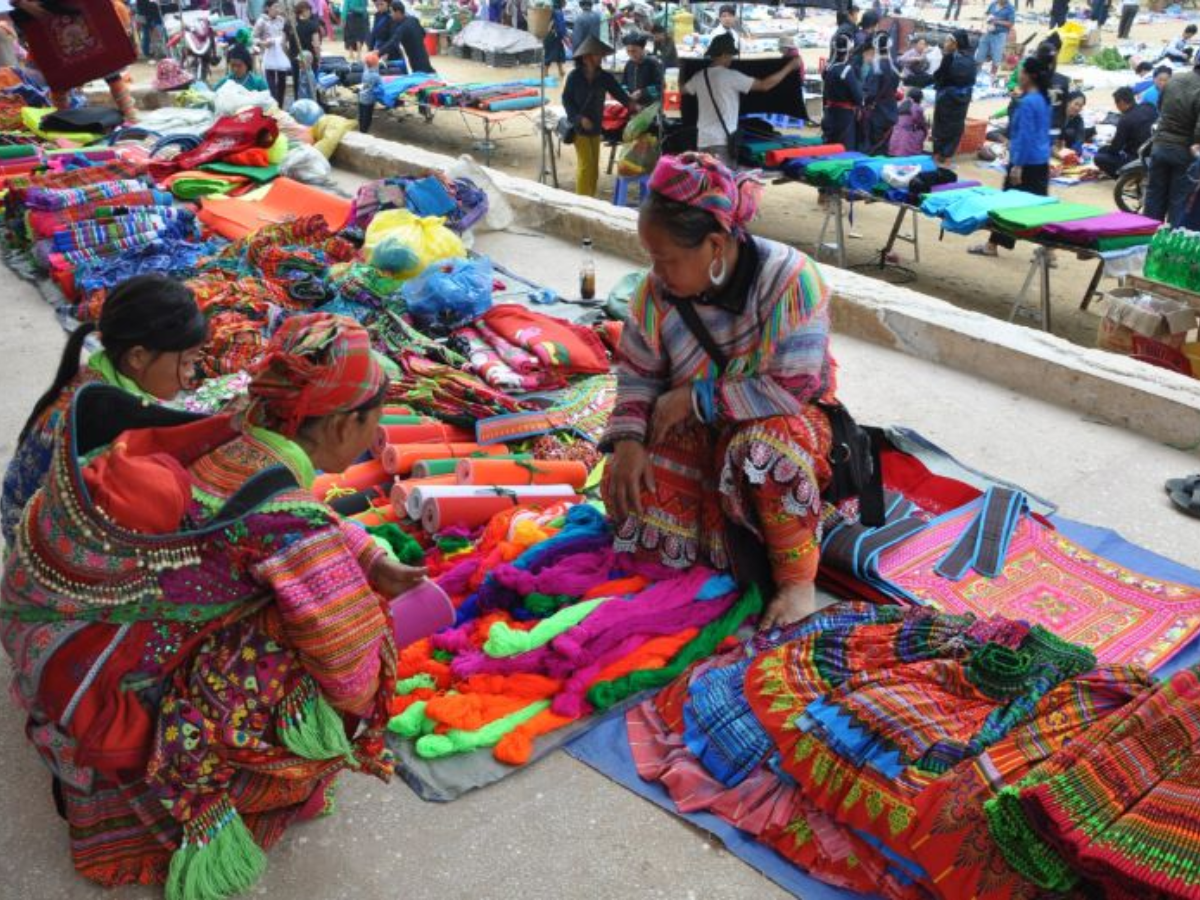
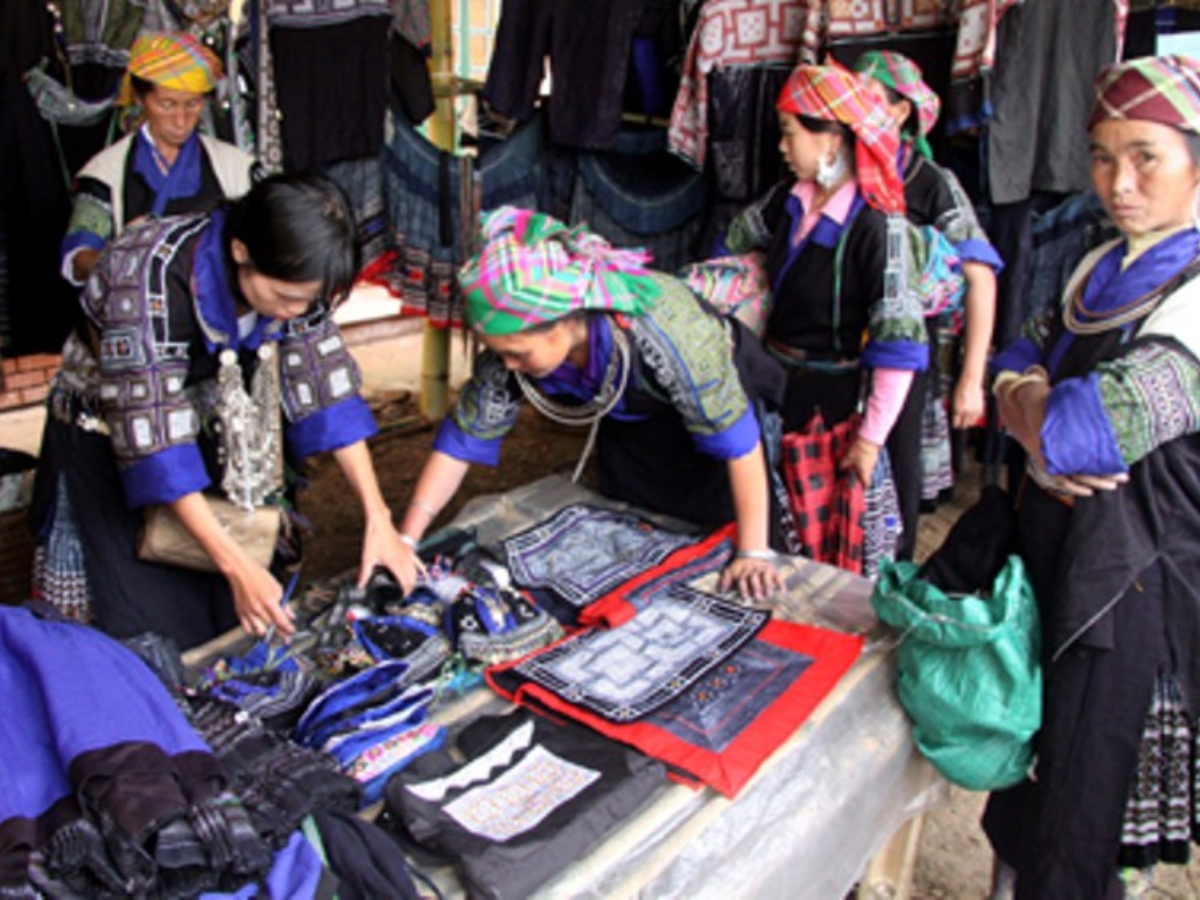
Mu Cang Chai market is notable for the cultural intersection of Mong, Thai, and Dao people living together. (Source: Collected)
Another distinctive feature of the Mu Cang Chai market lies in the cultural intersection among various ethnic groups. The presence of Mong, Thai, Dao people… is not only reflected in their costumes and languages but also imprinted on every product sold at the market.
Each small stall carries its own story about the customs, traditions, and lives of the community behind it. From hand-woven brocade fabrics, characteristic agricultural products to traditional dishes, all create a colorful picture, clearly reflecting the highland's cultural identity.
In the context of increasingly strong modernization, the Mu Cang Chai market still plays an important role in preserving and spreading traditional cultural values, helping tourists understand more about the people and life here.
3. Specialties and Cuisine at Mu Cang Chai Market
3.1 Characteristic Highland Dishes
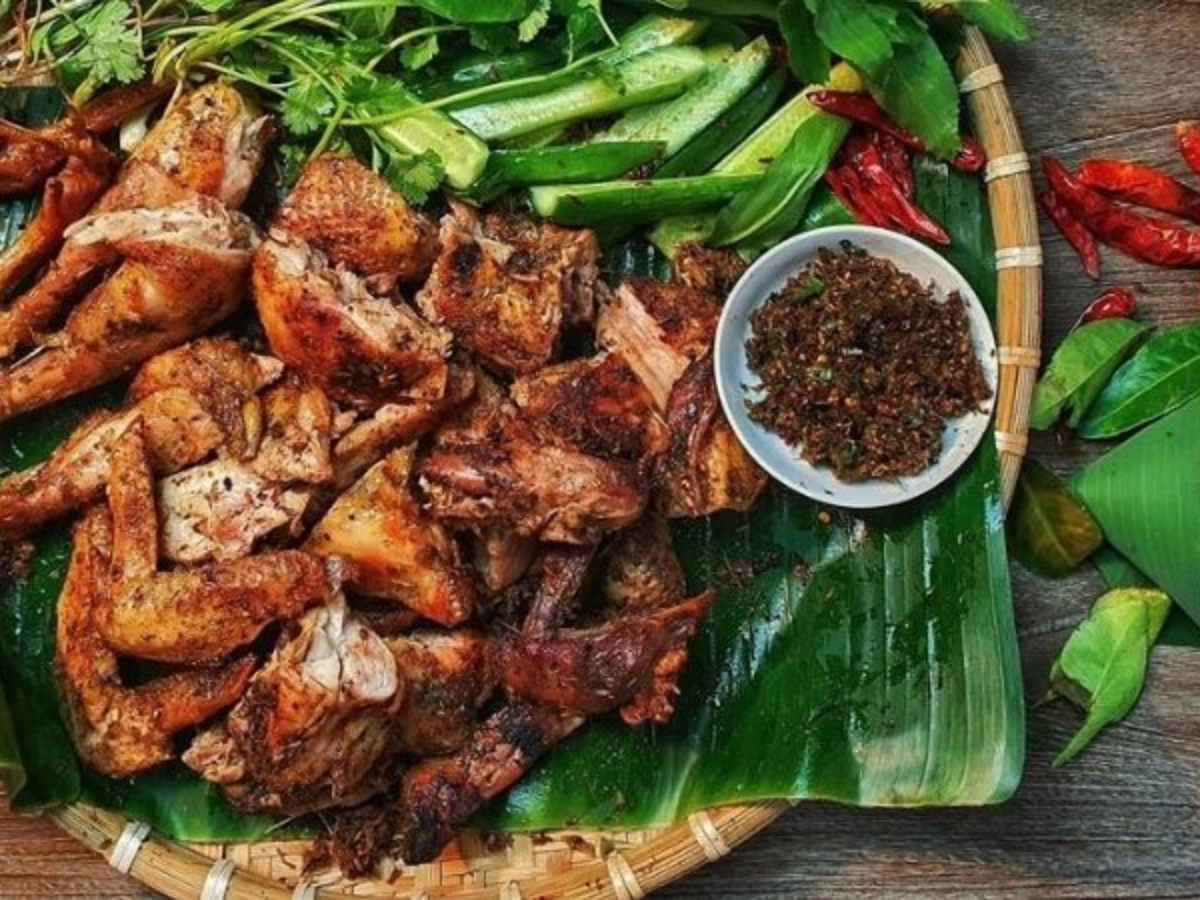
Local cuisine is an important highlight, contributing to the unique character of the Mu Cang Chai market. (Source: Collected)
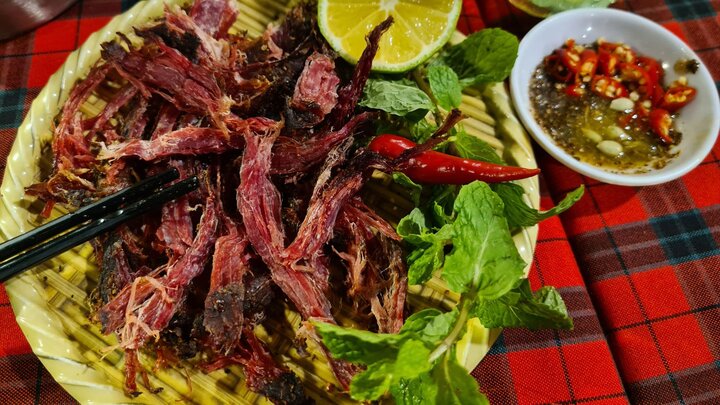
Cuisine is always an indispensable part when mentioning the Mu Cang Chai market. Right from the entrance of the market, the aroma of grilled meat, five-colored sticky rice, or hot corn cakes is enough to make visitors unable to resist.
Dishes such as fried cakes, black chung cakes, grilled sticky rice, bitter bamboo shoots, or grilled chicken are not only attractive for their flavor but also for their preparation methods that bear the imprint of the Northwest mountains. Each dish is associated with the living habits and natural conditions of the local people, creating a very unique characteristic for the highland cuisine.
3.2 Local agricultural product stalls
Besides cuisine, agricultural product stalls at the Mu Cang Chai market also attract the attention of many tourists. Forest honey, apple wine, fermented rice wine, or seasonal wild vegetables are all products associated with the traditional farming life of the people.
What makes these products attractive is not only their natural quality but also the story behind each item. It is the diligent labor on the fields, the experience passed down from generation to generation, creating sustainable value for local agricultural products.
3.3 Culinary experience at the market
Enjoying cuisine right at the Mu Cang Chai market offers tourists a different experience. The dishes are prepared fresh and hot amidst the bustling market atmosphere, making the flavors seem richer.
Sitting in a corner of the market, savoring a bowl of thang co, a cup of corn wine, or a piece of hot grilled sticky rice, listening to the surrounding laughter, visitors can easily feel the closeness and sincerity of the highland people. It is these moments that leave a deep impression on many people when they leave Mu Cang Chai.
4. Mu Cang Chai market in community tourism development
4.1 Role of the market in local tourism
In recent years, the Mu Cang Chai market has increasingly become an important highlight in the journey to explore the Yen Bai mountainous region. Not only does it diversify experiences for tourists, but the market also plays a connecting role between tourism and the local community.
Through visiting and shopping at the market, tourists have the opportunity to directly access the life, culture, and products of the local people. This not only brings stable income to the community but also contributes to raising awareness of preserving traditional values.
4.2 Festivals and events associated with the market
Many cultural festivals and local events in Mu Cang Chai are often organized concurrently with major market days. This is an opportunity for people to introduce their cultural beauty, traditional arts through performances, folk games, and special rituals.
The combination of markets and festivals not only enriches the local cultural life but also creates a strong attraction for domestic and international tourists, contributing to bringing the image of Mu Cang Chai closer to the tourism community.
5. Suggested itinerary for visiting Mu Cang Chai combined with the market
A day exploring Mu Cang Chai will be more complete if it starts with a visit to the Mu Cang Chai market in the morning. This is the busiest time of the market, suitable for tourists to experience shopping, enjoy cuisine, and immerse themselves in the local living atmosphere.
After a morning exploring the market, tourists can move on to visit nearby villages, learn about the local life, and admire the traditional wooden houses nestled on the mountainside. The afternoon is the ideal time to admire the endless terraced fields, concluding the journey with relaxing moments amidst the majestic nature.
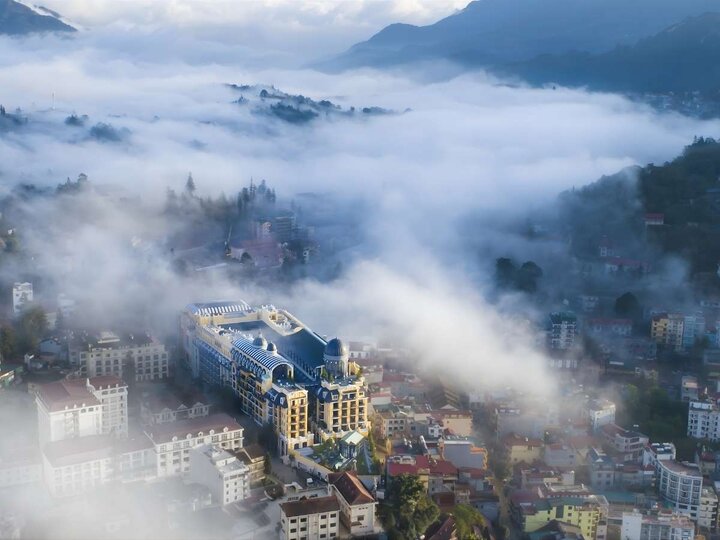
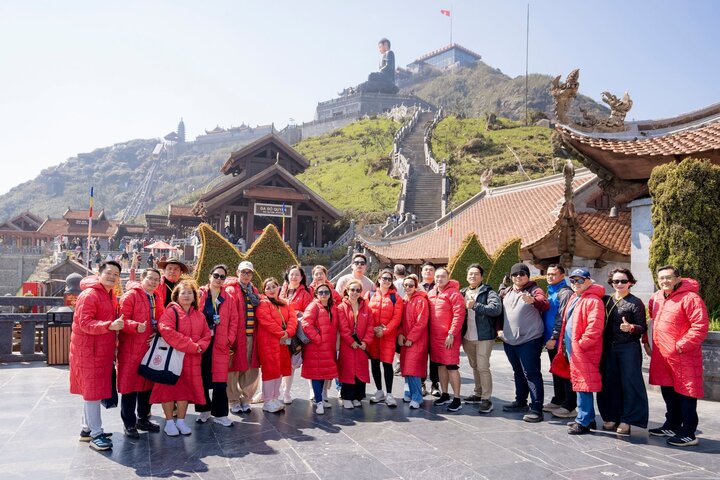
To enrich the journey, tourists can combine visits to famous destinations in the Northwest, among which Sun World Fansipan Legend is an attractive extended suggestion, offering an experience of exploring nature and unique culture on the journey to conquer the northern mountains.
For tourists who love experiential travel and cultural exploration, the Mu Cang Chai market is a must-visit destination when coming to the Northwest. It not only offers authentic and close experiences but also contributes to promoting community tourism, helping to preserve and spread the precious traditional values of the highlands. Visiting the Mu Cang Chai market, each tourist not only brings back specialty gifts but also keeps unforgettable emotions about the people, culture, and simple beauty of the Yen Bai mountains in their hearts.