















1. Nature's phase transitions to a vibrant state in Sapa tourism in June
1.1. Manifestations of the water-pouring season through each layer of rice terraces
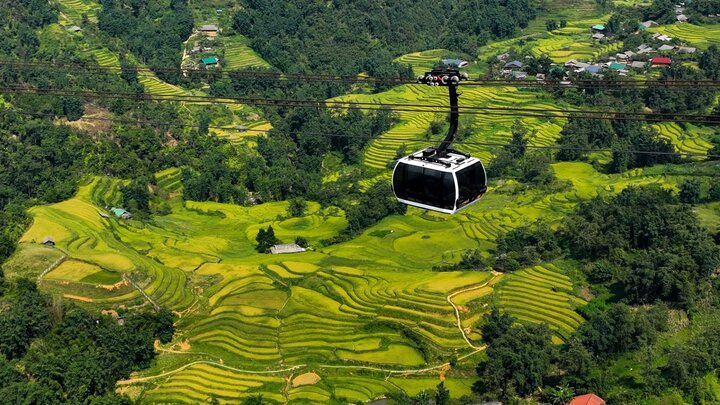
When choosing Sapa tourism in June, you will easily notice the terraced rice fields beginning to be irrigated by water from streams high above down to the lower terraces. The water flowing through each terrace creates continuous movement, making the landscape no longer static but vibrant at different times of the day. This is the period when people prepare the land for the new rice crop, creating a picture of labor closely linked with nature, which is very characteristic.
Sapa weather in June is quite warm, cloudy, and has scattered rain. (Source: Collected)
Observe closely, and you will see that each terraced field is like a separate "water reservoir", clearly reflecting the terraced terrain of the mountainous region. When water is retained on each layer of the field, the entire area seems to be covered with a layer of sparkling light, especially clear in the early morning or late afternoon. These small changes make first-time visitors clearly feel the dynamics of the highland agricultural ecosystem.
In reality, this is also the time when people start planting rice in the fields, creating continuous activities across the mountainside. You can encounter groups of people working with their own rhythm, from leading water, preparing the soil, to planting young rice seedlings. This not only adds depth to the landscape but also makes the trip more authentic and intimate.
1.2. The combination of fresh green and reflective water surfaces
A special feature when experiencing Sapa tourism in June is the blend of the fresh green color of young rice and the layer of water covering the terraced fields. As the rice seedlings begin to grow, they form soft green stripes standing out against the water reflecting the sky. This combination makes the landscape constantly change, with no two viewpoints being exactly the same as the previous one.
The water surface acts as a natural mirror, clearly reflecting the colors of the sky, clouds, and surrounding mountains. As the light changes, the colors on the fields shift from light green to dark green or silvery hues, creating a very captivating visual effect. This is why many people spend a long time standing at one spot to observe the changes moment by moment.
In reality, you should choose high vantage points to see the panoramic view, as the color contrast will be much clearer than when standing at the bottom of the fields. From above, the stacked layers of fields form soft curves like a hand-drawn painting. This allows you to clearly feel the harmony between nature and human hands.
1.3. The role of light in highlighting the landscape
The experience of Sapa tourism in June will be more complete if you pay attention to how the light changes throughout the day and directly affects the landscape. In the early morning, soft sunlight shines through the thin mist, creating a hazy effect, making the entire terraced fields look like they are covered with a layer of silver mist. This is the ideal time for photography or simply enjoying the scenery in a quiet atmosphere.
As the sun rises higher, stronger light highlights the contrast between water, soil, and young rice, allowing you to see every small detail on the field surface clearly. The water areas reflecting sunlight become sparkling, giving the impression that the entire valley is moving with the light. This is the appropriate time to clearly observe the structure of the terraced fields and the activities of the local people.
In the late afternoon, the light turns warm, casting a light yellow hue over the entire landscape, bringing a relaxing and comfortable feeling. At this time, the field layers reflect the sunset sky, creating a scene very different from daytime. The continuous change of light is what makes the scenery never become boring.
2. Things not to be missed when traveling to Sapa in June
2.1. Admiring the flooded terraced fields – a characteristic beauty of Sapa in June
One of the experiences that many tourists are interested in when visiting Sapa in June is admiring the terraced fields during the flooding season. At this time, young rice seedlings begin to green the hillsides, creating a fresh look for the highland landscape. The terraced fields reflect the sky and white clouds, giving the feeling of stepping into a vibrant natural painting amidst the mountains and forests.
The terraced fields are arranged in successive layers, alternating between water surfaces and green patches, creating a harmonious scene between nature and cultivation. Tourists often choose to come early in the day to clearly feel the movement of light on the fields. This experience is suitable for both walking and photography.
Areas like Muong Hoa valley, Lao Chai village, and Ta Van village have large areas of terraced fields, easily accessible via trails. The light in the early morning or late afternoon creates a clear reflection effect on the water surface of the fields. The fresh atmosphere and the backdrop of mountains contribute to a complete visit.
2.2. Experiencing the Fansipan cable car and the high-altitude landscape
Experiencing the Fansipan cable car is an activity chosen by many tourists when visiting Sapa in June. The cable car system takes tourists to a high altitude, offering a panoramic view of the Northwest mountains and forests. The morning is usually favorable for observing the landscape clearly.
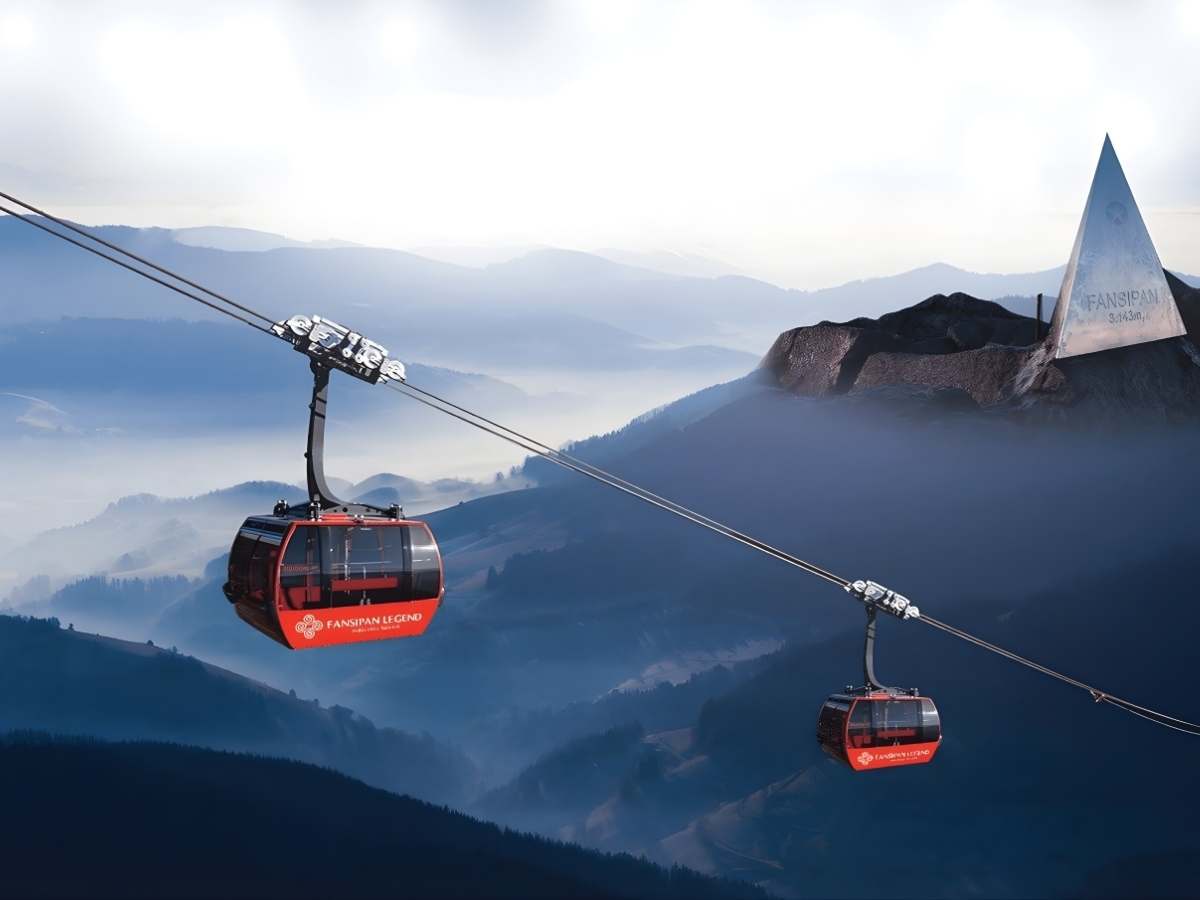
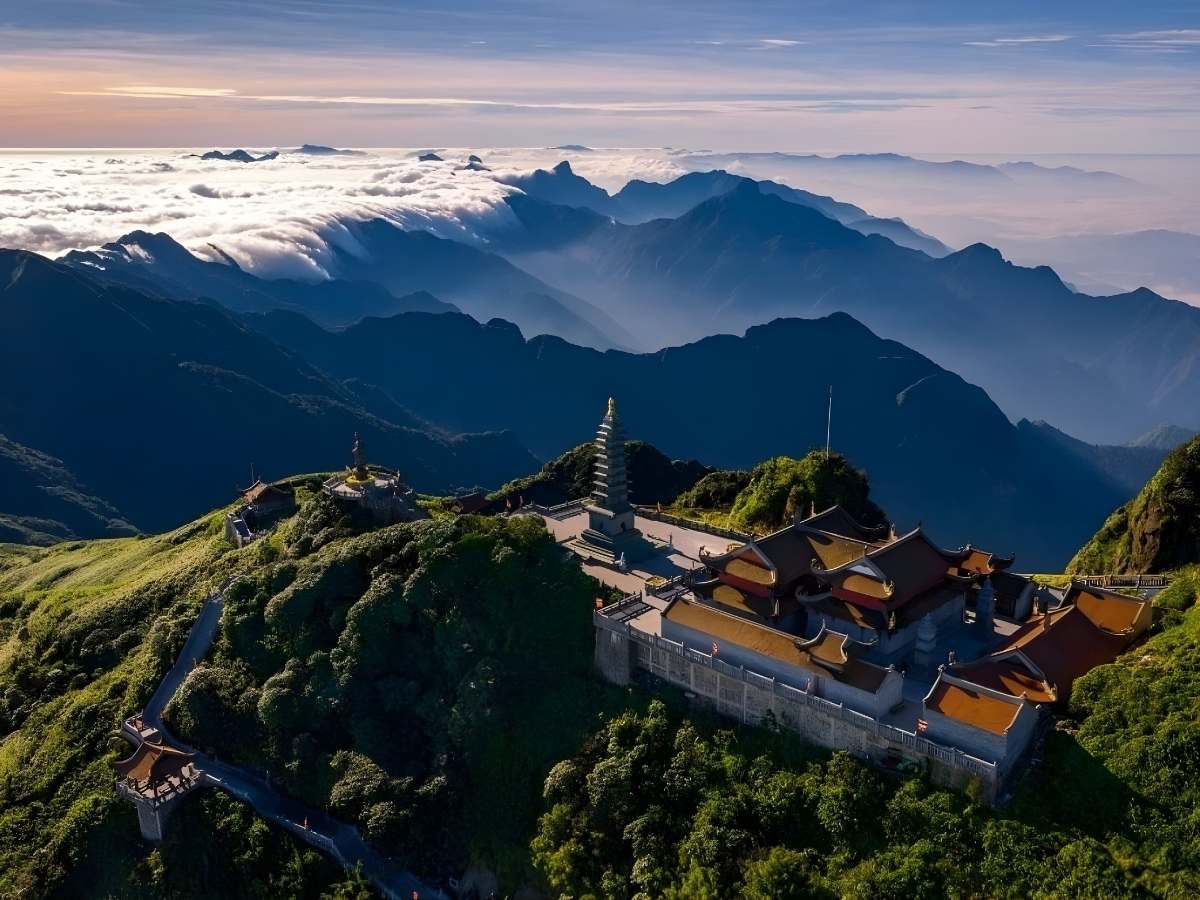
The Fansipan cable car route takes tourists to admire the mountains, forests, and magical sea of clouds. (Source: Collected)
From above, the space opens up with a sea of clouds, valleys, and successive mountain ranges. When the weather is clear, the scenery appears clear and has depth. Many tourists spend time admiring the view and capturing natural scenes. The Sun World Fansipan Legend complex offers the experience of conquering Fansipan with a modern cable car system, opening up a panoramic view of the Northwest mountains and forests in the cool air of early summer.
2.3. Exploring villages and local life
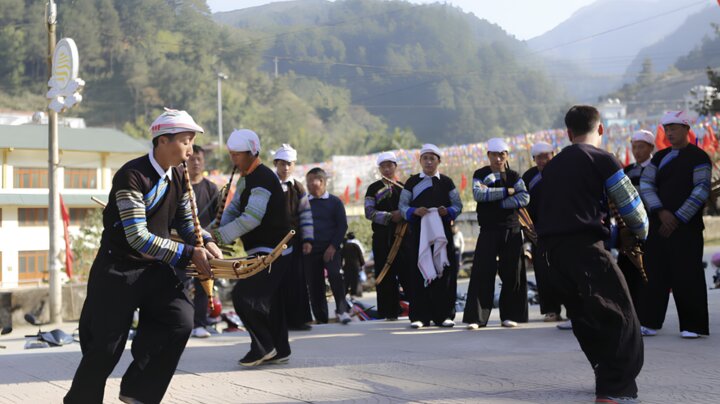
Villages around Sa Pa, such as Cat Cat, Ta Phin, and Lao Chai, are the long-standing homes of the H'Mong, Dao, and Tay communities. This area still preserves many traditional cultural aspects tied to highland life. June is a suitable time to observe the daily activities of the local people.
When visiting the villages, tourists can witness scenes of water being channeled into rice paddies in preparation for transplanting seedlings. Some activities like brocade weaving, family life, and local customs still take place regularly. This experience makes the exploration journey more intimate.
Community-based tours allow tourists to interact directly with the local people. Through these interactions, many stories about culture, customs, and daily life are shared naturally. Enjoying food prepared by the locals is also a worthwhile stop.
2.4. Enjoying Sa Pa cuisine in the cool weather
Sa Pa's cuisine in June is associated with the cool climate in the early morning and evening. Many local dishes are chosen to suit the transitional weather. The dining atmosphere, therefore, feels warm and pleasant.
Familiar dishes such as salmon hot pot, thang co, or local pork often appear on the menus of many eateries. Wild vegetables and local spices contribute to the distinctive flavors. Tourists can easily find these dishes in the central area of the town.
Besides main courses, Sa Pa also offers seasonal fruits like Tam Hoa plums, Tai Nung pears, and French peaches. These are products that often come into season early in June. The culinary experience, therefore, contributes to completing the journey of exploring the highland culture.
3. Notes on weather and Sa Pa travel tips for June
3.1. Notes as Sa Pa enters the rainy season
June is when Sa Pa begins its rainy season, so short rain showers may occur more frequently, often in the afternoon. The weather changes throughout the day, requiring tourists to pay attention when planning their sightseeing itinerary. Having weather information helps to be more proactive in outdoor activities.
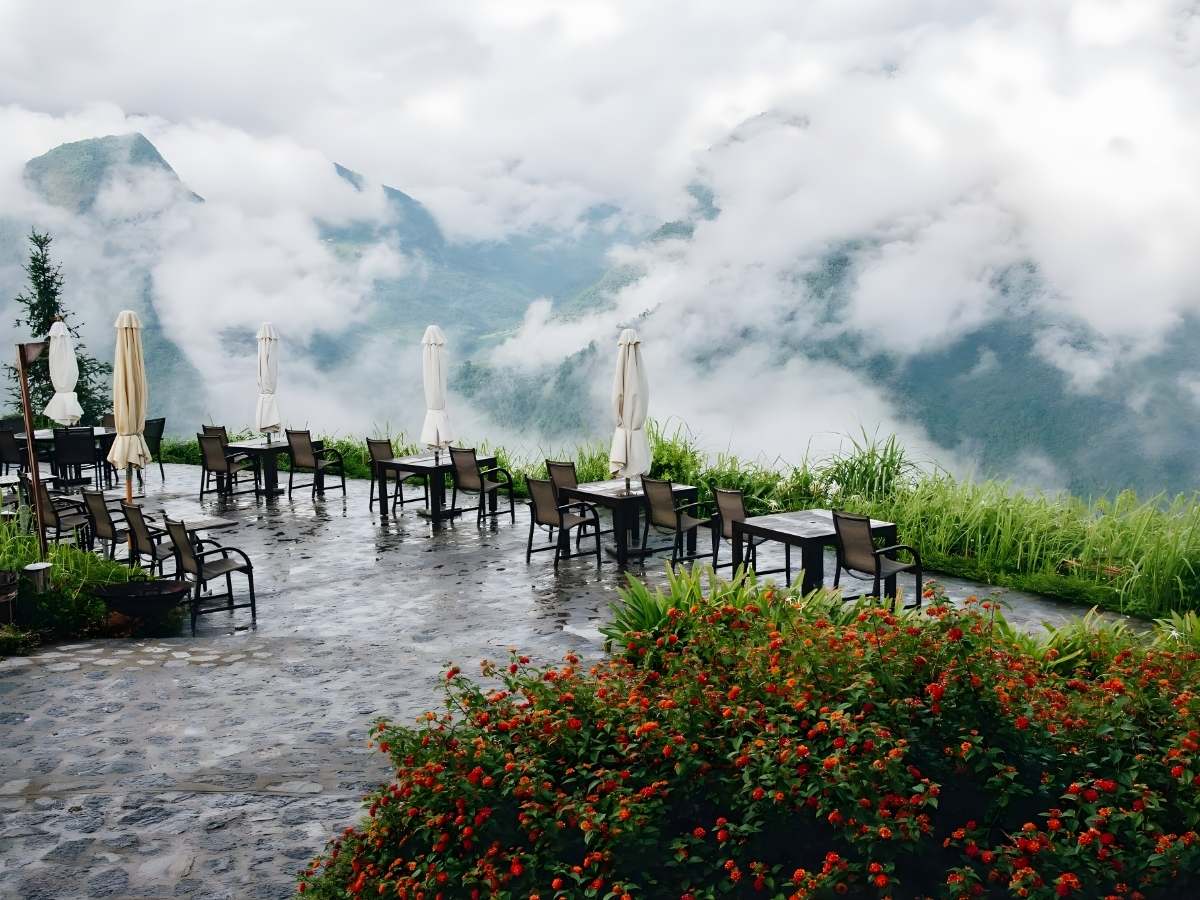
The rainy season in Sapa is quite wet, so tourists need to be careful when moving. (Source: Collected)
Early season rains can make trekking trails and mountainous areas slippery. When moving on steep terrain, tourists should walk slowly and observe the road surface carefully. This is especially important for walking routes far from the center.
In the early morning and late afternoon, fog may appear thicker at high points. Visibility in some mountainous areas or trails may be limited. However, rain usually does not last all day, so outdoor activities remain flexible when the weather is stable.
3.2. Prepare necessary clothing and items
Due to temperature differences between day and night, clothing for Sapa travel in June should be prepared in layers. A light jacket or windbreaker helps keep warm in the early morning and evening. This choice makes it easy to adjust according to the weather during the day.
Footwear should prioritize types with good grip for convenient movement on trails or wet paths. When there is light rain, the rocky dirt roads easily become slippery, affecting walking. Comfort and safety should be prioritized.
In addition, items such as umbrellas, lightweight raincoats, and waterproof bags for electronic devices should be carried. Sun protection items like hats, sunglasses, and sunscreen are still necessary when moving outdoors at noon. Drinking water and snacks also help maintain energy throughout the day.
3.3. Experience in choosing a reasonable itinerary
When building a Sapa itinerary for June, mornings are usually suitable for outdoor activities. The weather is more stable at this time, convenient for sightseeing and walking. Many tourists prefer to explore the scenery during this time frame.
The afternoon can be dedicated to activities near the town center. Visiting culinary spots, resting at homestays, or indoor attractions helps limit the impact of rain showers. This arrangement creates a balance for the trip.
A flexible itinerary with buffer time makes it easy to adjust when the weather changes. Not scheduling too many attractions in a day brings a more comfortable feeling. The experience is therefore lighter and less pressured.
4. Guide to planning a 2-day, 1-night Sapa trip in June
Day 1: Depart from the starting point in the morning and arrive in Sapa town around noon, then check in and rest. In the afternoon, tourists can spend time visiting Cat Cat village and strolling around the nearby terraced fields. The small paths in the village offer a quiet space, suitable for walking and capturing the natural scenery.
In the evening, the Sapa night market is a familiar stop to explore local cuisine. Dishes like Thang Co, salmon hot pot, or grilled items are often served in the cool mountain air. Eating early helps the body adapt better to the night weather.
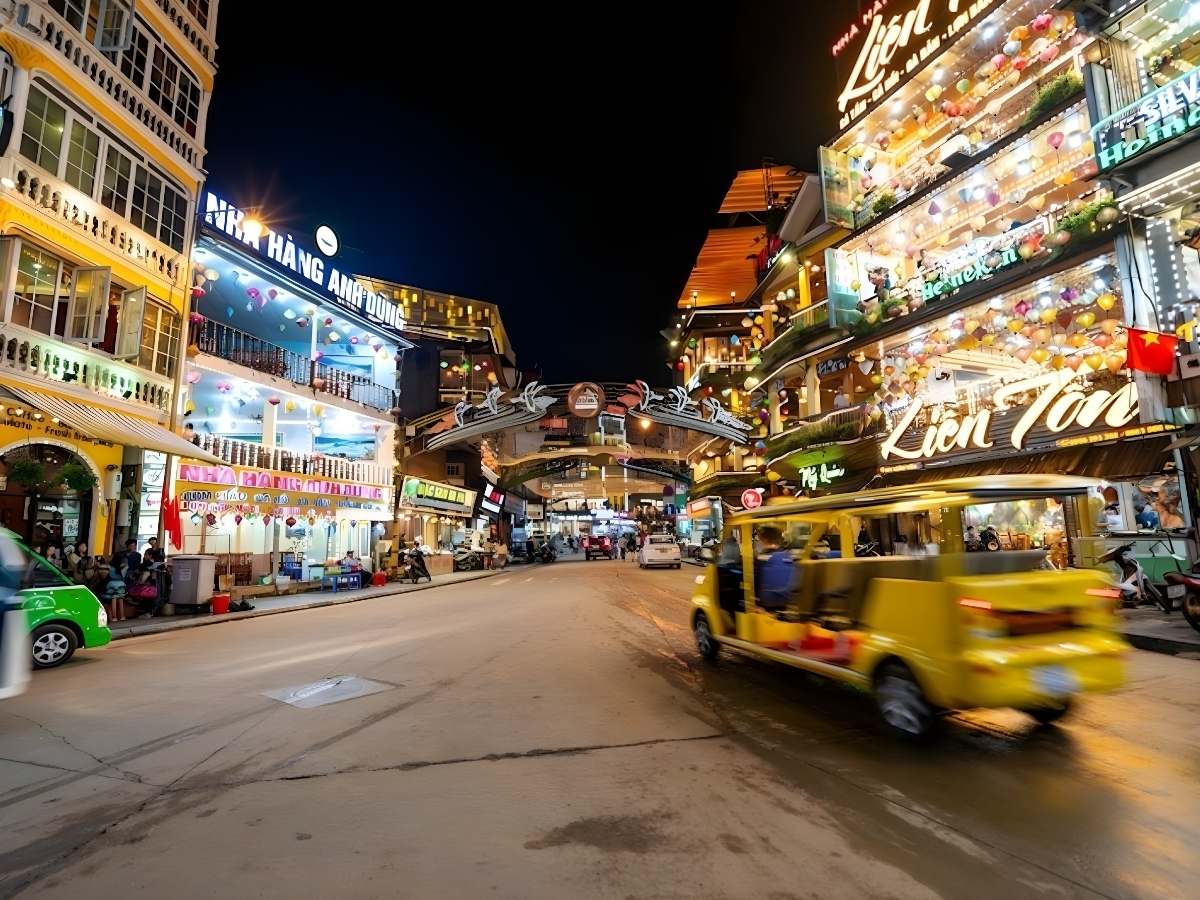
Tourists visit and shop at the bustling night market street during a 2-day, 1-night trip to Sa Pa. (Source: Collected)
Day 2: Start the day with a visit to Sun World Fansipan Legend, experiencing the cable car and mountain train to the area near Fansipan peak. From above, visitors can observe the vast mountain and forest landscape and the sea of clouds when the weather is favorable. The visit here usually lasts until late morning.
Afterward, the journey continues to Muong Hoa Valley with Lao Chai and Ta Van villages. Visitors can walk to admire the lush green terraced fields and learn about the local culture and life. In the afternoon, before leaving Sa Pa, stopping at a local coffee shop helps to relax and admire the town from a different perspective.
Traveling to Sa Pa in June is a suitable choice for those seeking cool weather, fresh scenery, and a slow-paced highland life. With proper preparation and a flexible itinerary, a trip during this time helps visitors effectively avoid the heat, while also having the opportunity to explore nature and learn about local culture gently. Plan early to fully enjoy the beauty of Sa Pa in June and discover unique experiences amidst the Northwest nature.