















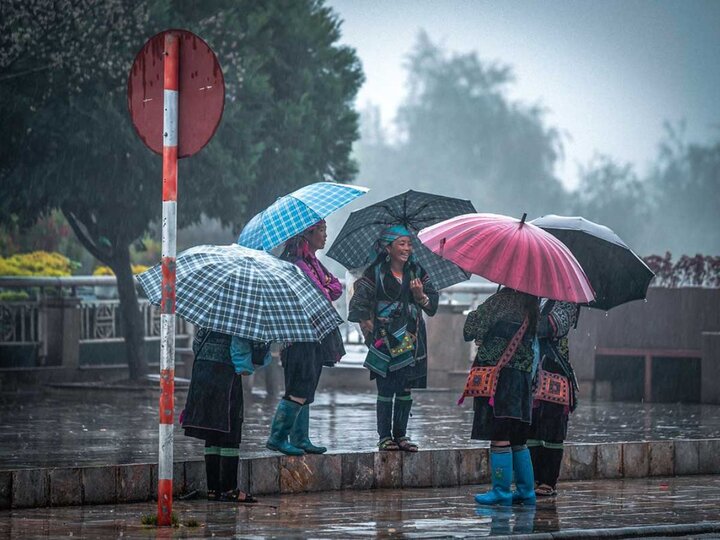
1. Does Sa Pa have rain in the summer?
The answer is yes, but rain does not always affect the travel itinerary. In fact, from May to August is the period when Sa Pa enters summer and also the rainy season of the Northwest region. Rainfall is usually concentrated in June, July, and August, mainly in the form of short showers in the afternoon or evening. Thanks to the high mountainous terrain and mild climate, the average temperature in Sa Pa during summer only ranges from about 18–25°C, which is much more pleasant than in lowland cities.
For tourists who are first learning about whether Sa Pa has rain in the summer, it should be noted that the weather here often changes quite rapidly during the day. The morning can be sunny and clear, but by the afternoon, fog or light rain may appear. However, these rains contribute to the characteristic scenery of the "town in the clouds", making the mountains and forests greener and the air fresher.
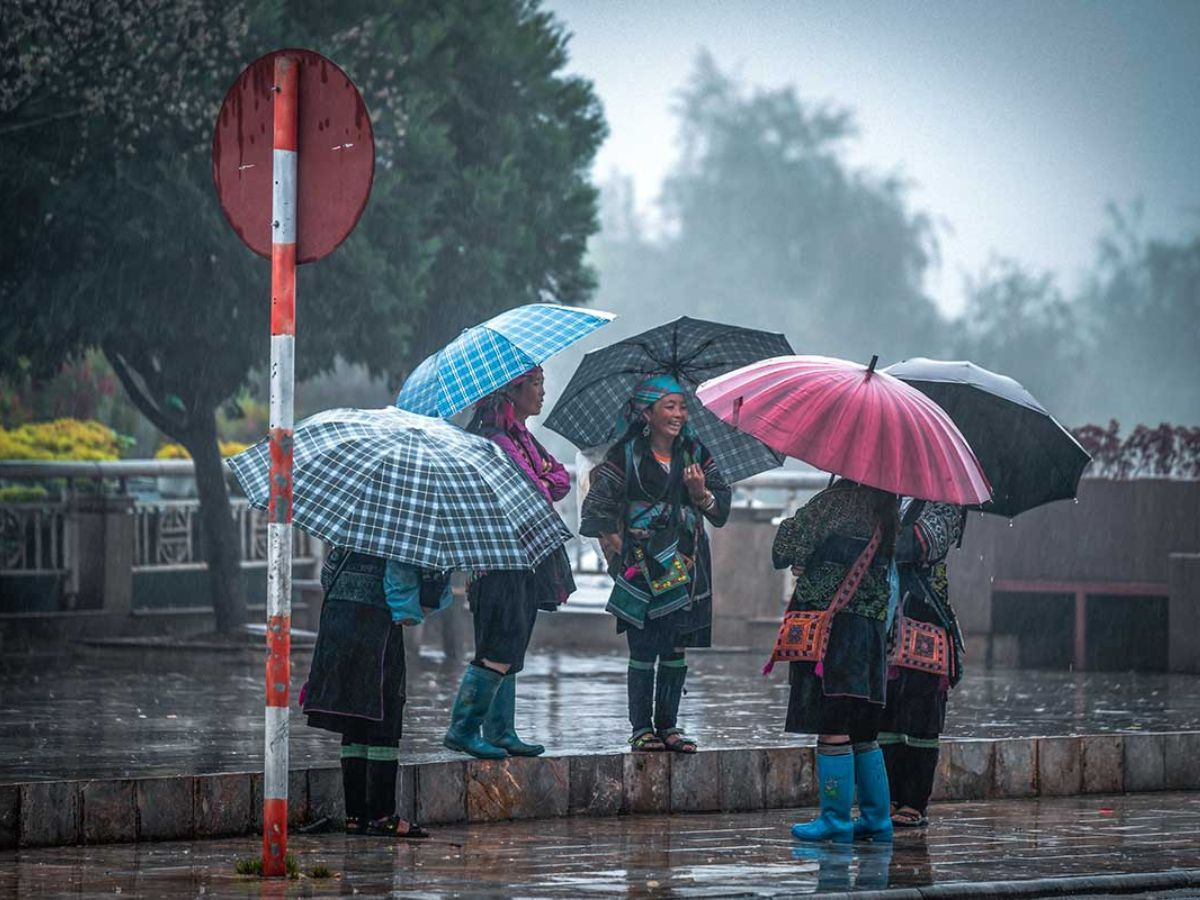
Sa Pa in summer occasionally experiences light rain showers
Despite the rain, summer is still considered one of the beautiful times to explore Sa Pa. This is the season of vast green terraced rice fields in Muong Hoa valley, Ta Van village, or Lao Chai. After the rain showers, white clouds often appear densely around the mountainsides, creating a mystical scene much loved by photography enthusiasts. If you plan wisely and prepare raincoats, folding umbrellas, or non-slip shoes, you can fully enjoy your trip even during the rainy season.
Generally, if you are wondering whether Sa Pa has rain in the summer, the answer is yes, but the rain usually doesn't last all day. Instead, visitors will experience a green, cool, and vibrant Sa Pa – completely different from the beauty of winter or the ripe rice season at the end of the year.
2. Pros and cons of traveling to Sa Pa in the summer
Even though it's the rainy season, summer still attracts a large number of tourists thanks to its pleasant weather and lush natural scenery. Understanding the pros and cons below will help you decide if this is the right time for your trip.
2.1. Advantages: Cool weather, rare lush scenery
One of the biggest reasons why many tourists choose Sa Pa in the summer is its pleasant climate year-round. While many northern localities often record temperatures above 35°C during the summer months, Sa Pa maintains an average temperature of around 18–25°C. The cool air day and night allows tourists to comfortably sightsee, relax, and participate in outdoor activities without worrying about intense heat.
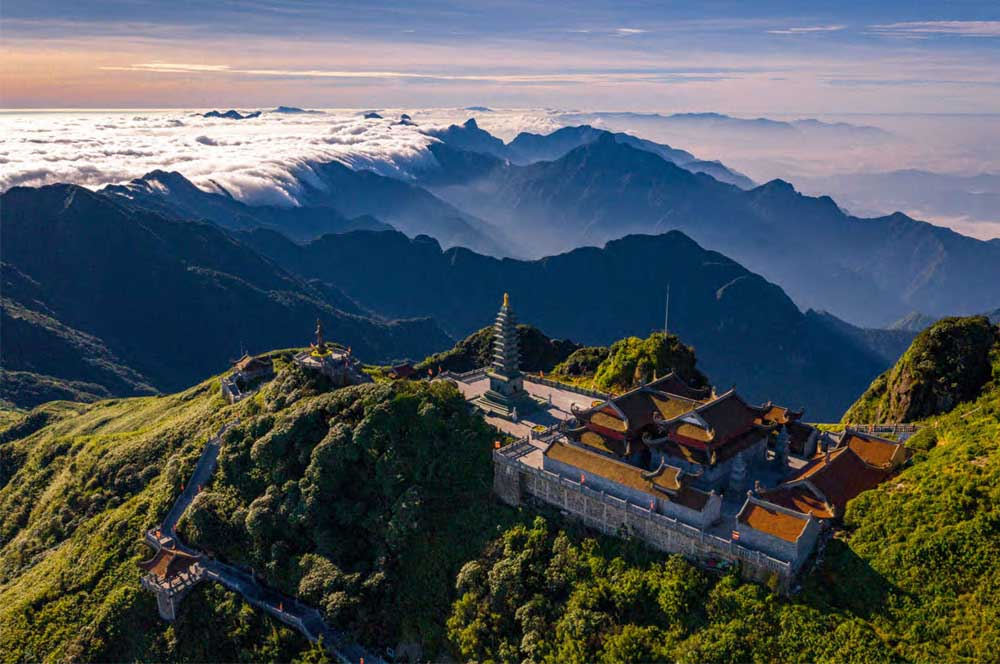
Summer rains help make the weather cool and pleasant
Summer is also the time when Sa Pa's nature dons its freshest beauty of the year. The terraced fields in Muong Hoa valley, Lao Chai, or Ta Van are covered in the green of young rice and trees. After the rains, white clouds often drift around the mountainsides, creating a scene that is both majestic and poetic. This is also an ideal season for tourists to experience trekking through ethnic villages, cloud hunting on Fansipan peak, or simply enjoying the fresh air amidst the mountains and forests of the Northwest.
2.2. Disadvantages: Sudden rains can affect sightseeing schedules
Besides the advantages in weather and scenery, summer in Sa Pa also has some limitations that tourists should consider. As this is the peak season for rain, short showers or thunderstorms can appear unexpectedly, especially in the afternoon and evening. This sometimes disrupts outdoor activities such as trekking, taking photos at scenic spots, or exploring villages located far from the town center.
Furthermore, during prolonged heavy rain, some mountain roads or dirt paths leading to villages can become slippery, making travel difficult. Visibility at cloud-hunting and scenic viewpoints may also be limited by dense fog. However, these inconveniences usually do not last long and can be completely overcome by monitoring the weather forecast before the trip, choosing suitable transportation, and preparing necessary items such as raincoats, non-slip shoes, or waterproof bags for electronic devices.
2.3. Should you visit Sa Pa in the summer?
The answer depends on the experience you are looking for. If you love cool weather, fresh natural scenery, and do not mind the short rains characteristic of high mountainous regions, summer is a time well worth exploring Sa Pa. This is when tourists have the opportunity to admire the lush green terraced fields stretching across the hillsides, immerse themselves in the simple life of ethnic communities, and enjoy the rare fresh air.
For those seeking an answer to the question "Does Sa Pa rain in the summer?", it can be seen that rain is a characteristic part of the weather here at this time of year. However, instead of diminishing the destination's appeal, the rains contribute to the unique beauty of this highland town. By planning flexibly and preparing thoroughly, tourists can still enjoy a complete summer trip to Sa Pa with many memorable experiences.
3. Unmissable experiences when traveling to Sa Pa in the summer
Although it is the rainy season in the Northwest mountains, summer is still chosen by many tourists to explore Sa Pa thanks to its cool climate and rare lush natural scenery. The rains usually only last for a short time, in return, tourists will admire a vibrant Sa Pa with immense green terraced fields, dense sea of clouds, and fresh air. If you are researching "Does Sa Pa rain in the summer?" and wondering whether to visit at this time, the following experiences will be a convincing answer.
3.1. Conquer Fansipan and hunt for sea of clouds in summer
When mentioning Sa Pa, one cannot miss the journey to explore Fansipan – the highest mountain in Vietnam and Indochina with an altitude of 3,143 m. Summer is one of the beautiful times to conquer this peak because the weather is relatively pleasant, the temperature is cool, and the green natural scenery stretches across the Hoang Lien Son range.
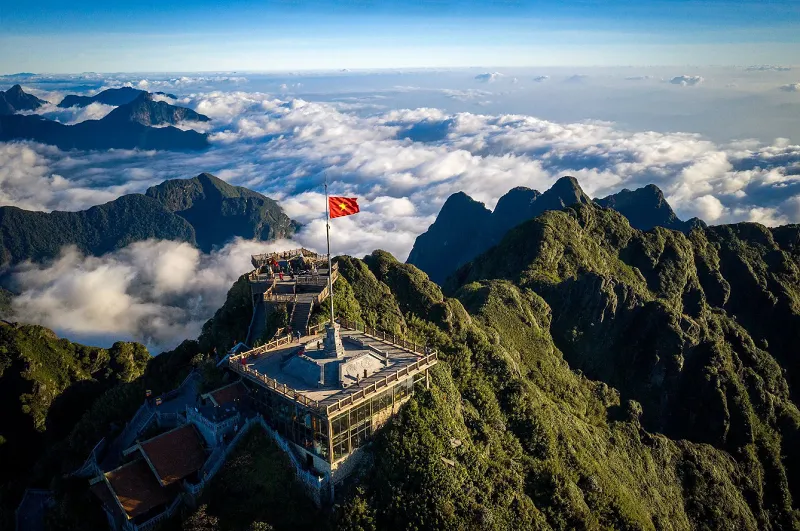
Beautiful sea of clouds scenery on Fansipan peak in summer
From the modern cable car system, visitors can admire the panoramic view of Muong Hoa valley, villages nestled on the mountainside, and mountain ranges stretching to the horizon. Especially, after summer rains, the Fansipan peak area often appears a white sea of clouds covering spiritual structures and mountainsides, creating a spectacular scene like a fairyland. Moments of clouds weaving through Buddha statues, stupas, or Fansipan's heaven's gate are experiences that impress many visitors and make them want to return.
Besides sightseeing, visitors can also explore the spiritual cultural complex on the mountaintop, enjoy the feeling of standing amidst the clouds, and capture unique photos that are not always possible at other times of the year.
3.2. Trekking through Muong Hoa valley and admiring the lush green terraced fields
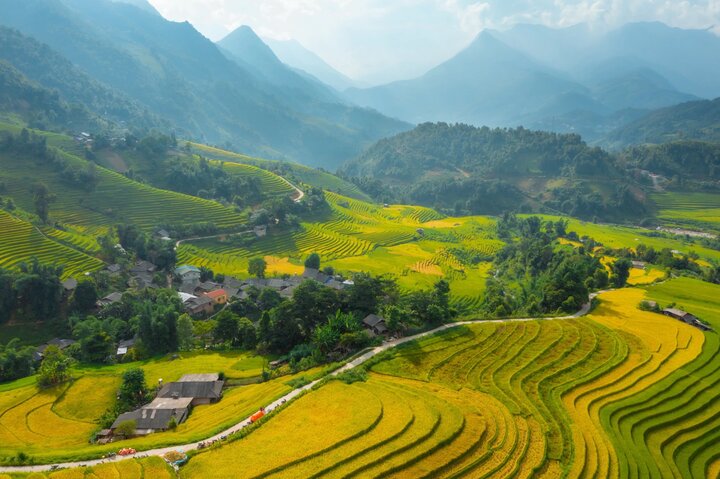
If autumn is the famous golden season of Sa Pa, then summer is when nature adorns itself with vibrant green. Muong Hoa, Lao Chai, and Ta Van valleys are now covered by lush green terraced fields stretching from the foot of the mountains to the high hillsides.
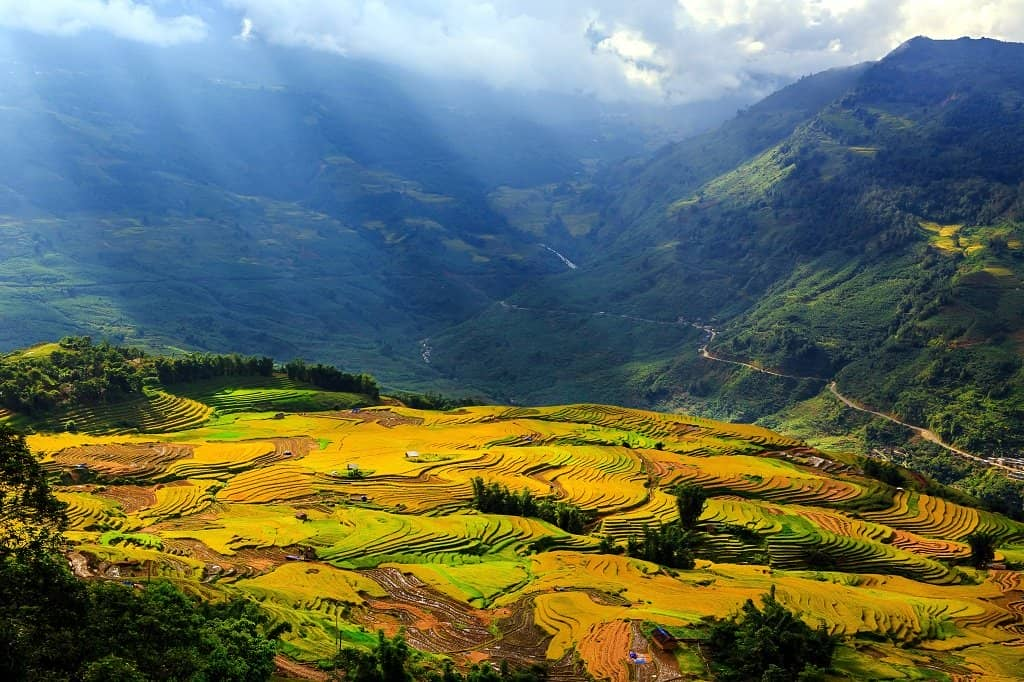
Peaceful natural scenery in Muong Hoa Valley
This is the ideal time to participate in gentle trekking activities through villages and valleys. Along the way, visitors can admire the young rice fields, small streams winding through the paddies, and the simple working scenes of the local people. The fresh air after the rain makes the scenery more vibrant, while also bringing a rare sense of relaxation.
Unlike the hustle and bustle of the town center, the trekking routes in Muong Hoa allow visitors to immerse themselves completely in nature. This is also an opportunity to clearly feel the characteristic beauty of the Northwestern mountains and understand why Sa Pa is always considered one of the most beautiful natural destinations in Vietnam.
3.3. Explore Cat Cat village and experience highland cultural life
Cat Cat village is one of Sa Pa's most famous ancient villages, attracting a large number of tourists thanks to the harmonious combination of natural landscapes and ethnic cultural identity. In summer, this area becomes particularly attractive with lush green vegetation, stone-paved paths winding through mountains and hills, and check-in spots covered with vibrant flowers and foliage.
Strolling through the village, visitors have the opportunity to explore the traditional houses of the H'Mong people, learn about brocade weaving, silver jewelry making, and other age-old handicrafts of the local ethnic community. Interspersed with the village scenery are waterfalls, small streams, and giant water wheels, creating a landscape that is both poetic and distinctly highland.
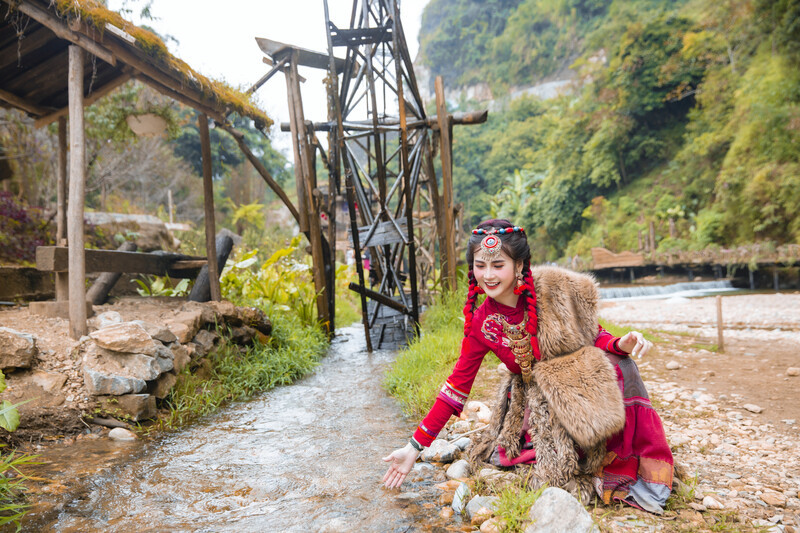
Tourists experience wearing ethnic costumes at Cat Cat Village
Besides sightseeing, many tourists also enjoy the ethnic art performances organized in the village. The dances, the sound of khen (traditional flute), and folk games offer a unique cultural experience, making the trip not just about admiring the scenery but also a journey to discover the life and traditions of the Northwestern people.
3.4. Experience the Muong Hoa mountain train and explore May Village
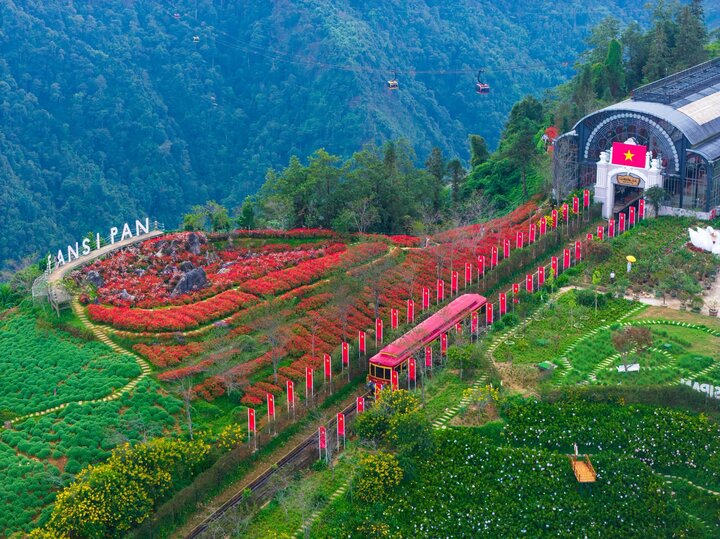
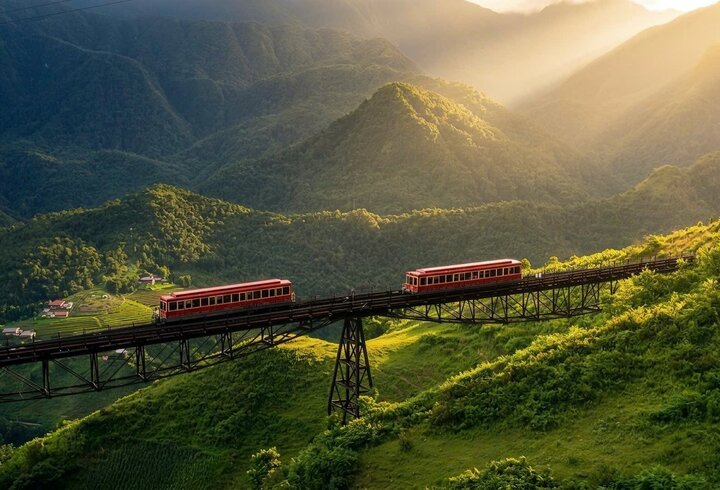
One of Sa Pa's current signature experiences is the journey on the Muong Hoa funicular. The train line is designed in a classic European style, taking tourists from the town center to the Fansipan cable car station area through the most beautiful landscapes of the Muong Hoa valley.
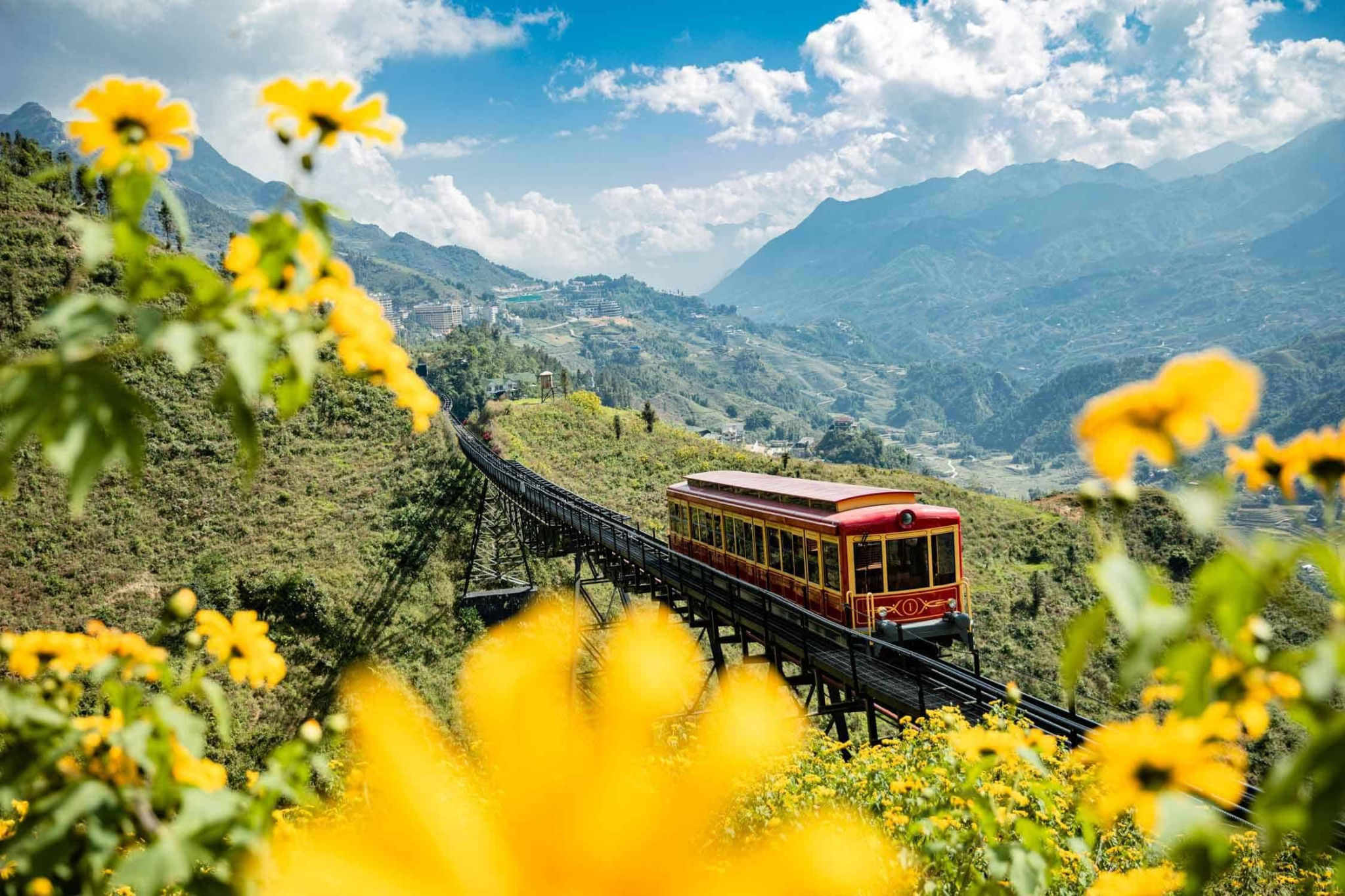
Muong Hoa funicular takes tourists across the majestic nature of the Tay Bac (Northwest)
Through the wide glass windows, visitors can admire the panoramic view of rolling mountains, highland villages, and long green fields. This is a suitable experience for the whole family, the elderly, and tourists who want to sightsee gently without having to move too much.
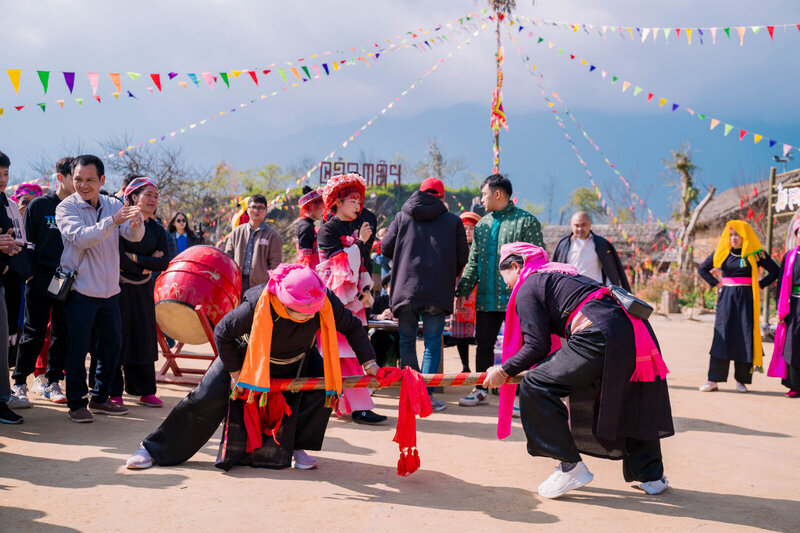
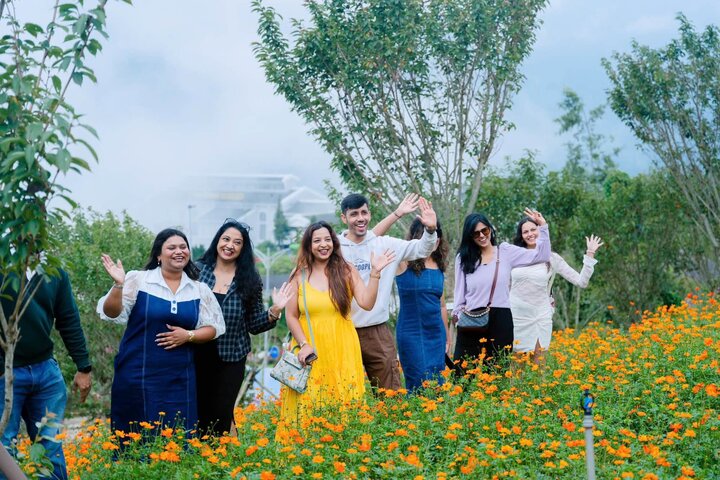
Tourists enjoy traditional games at May Village
Besides, the May Village area, located near the train station, is also an attractive stopover in the summer. This is a cultural space that recreates the life of many ethnic groups in the Northwest highlands with traditional houses, handicraft activities, folk games, and art performances. Tourists can enjoy local cuisine, learn about customs and traditions, and feel the characteristic festival atmosphere of the mountain ethnic groups in a convenient and accessible space.
3.5. Enjoy Highland Cuisine and the Cool Atmosphere of Sa Pa
Another experience that makes many tourists love Sa Pa in the summer is the feeling of enjoying the cool weather amidst the hot days of the North. In the early morning or evening, the temperature can drop significantly, creating a rare pleasant atmosphere in the summer.
This is also a great time to explore the unique cuisine of the Northwest highlands. After a day of sightseeing, there's nothing more enjoyable than savoring a hot salmon hot pot or sturgeon hot pot amidst the chilly weather. Additionally, specialty dishes such as wild boar, black chicken, bamboo-tube rice, thang co, or grilled dishes at the Sa Pa night market are also flavors that many tourists love.
More than just a simple dining experience, Sa Pa's cuisine also reflects the culture and lifestyle of the local ethnic communities. Sitting by the charcoal stove, enjoying hot dishes in the characteristic mist of the highland town is a moment that makes many people clearly feel the beauty and charm of Sa Pa in the summer.
So, does Sa Pa have rain in the summer? The answer is yes, especially during the months from June to August. However, most of the rain in Sa Pa usually occurs for a short period and does not diminish the destination's appeal. On the contrary, the rain contributes to the fresh atmosphere, lush scenery, and the beautiful sea of clouds characteristic of the Northwest mountains.
If you love cool climates, green nature, and unique indigenous cultural experiences, summer is still a very worthwhile time to explore Sa Pa. Just follow the weather, prepare suitable clothing, and have a flexible itinerary, and you can fully enjoy a memorable trip with special experiences from Fansipan, Muong Hoa valley, Cat Cat village to the attractive highland cuisine. Sa Pa may have rain in the summer, but it is precisely because of this that it possesses a unique beauty that makes many tourists want to return many times.