
















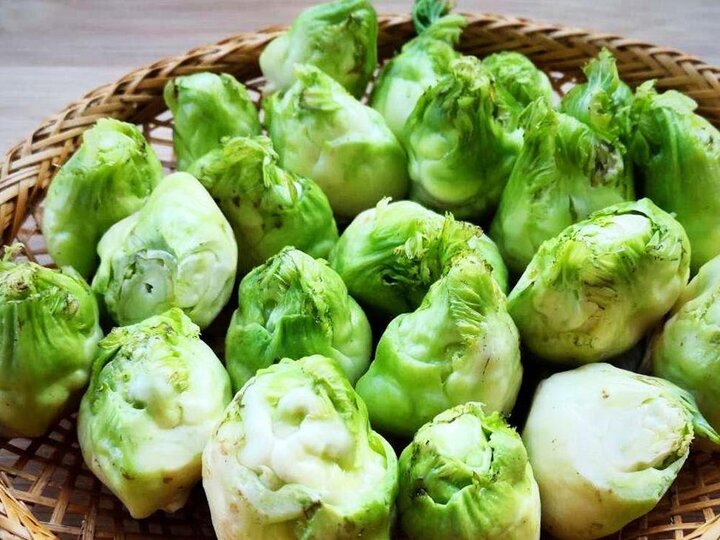
1. Introduction to Sa Pa Stone Sprouts
Sa Pa Stone Sprouts are a characteristic mountain vegetable found only in the Northwestern highlands, appearing frequently in villages around Sa Pa town. Stone sprouts are small, lush green, and typically grow naturally on rocky areas and high hillsides under a year-round cool climate. Thanks to this, the vegetables absorb many nutrients from the soil and atmosphere, creating a unique flavor that is hard to find in other vegetables.
Not only a familiar vegetable for local people since ancient times, Sa Pa Stone Sprouts are also associated with many village stories and the culinary traditions of the highlands. Locals often harvest stone sprouts during the rainy season, when the leaves are young and crisp, to cook in soups, stir-fry, or serve as an accompaniment to other specialties to enhance the flavor and nutritional value of meals.
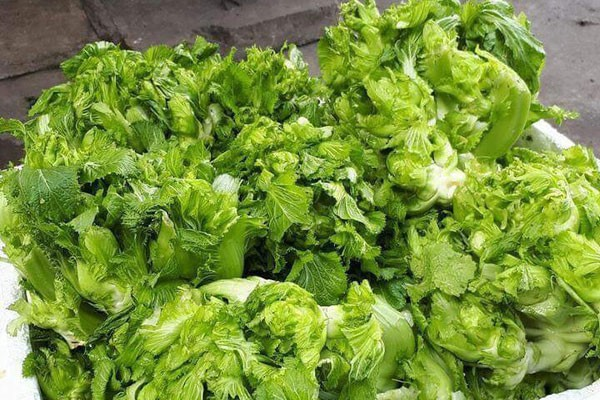
Stone sprouts are a specialty vegetable of Sa Pa (Source: Collected)
What makes Sapa stone sprouts so appealing is their refreshing, crunchy texture and a distinct mild aroma, often described by locals as "the sweet taste of the mountains." Stone sprouts are not only a rustic dish in family meals but also frequently appear in vegetable soups, stir-fries with garlic, or hot pot dips, creating a fresh and delicate flavor.
The image of Sapa stone sprouts is often associated with the simplicity and rustic charm of the Northwest mountains and is sought after by many tourists as a unique culinary experience. Visiting Sa Pa and savoring stone sprouts will help you understand more about the local culinary culture: fresh – clean – simple, yet full of nutrients.
2. Nutritional Value and Benefits of Sapa Stone Sprouts
2.1. Outstanding Nutritional Components of Sapa Stone Sprouts
Sapa stone sprouts are considered one of the high-mountain vegetables rich in nutritional value, thanks to their natural growth in a cold climate and mineral-rich rocky soil. The vegetable contains abundant fiber, vitamin C, vitamin A, along with essential minerals such as calcium, iron, and potassium – nutrients vital for the body's daily functions.
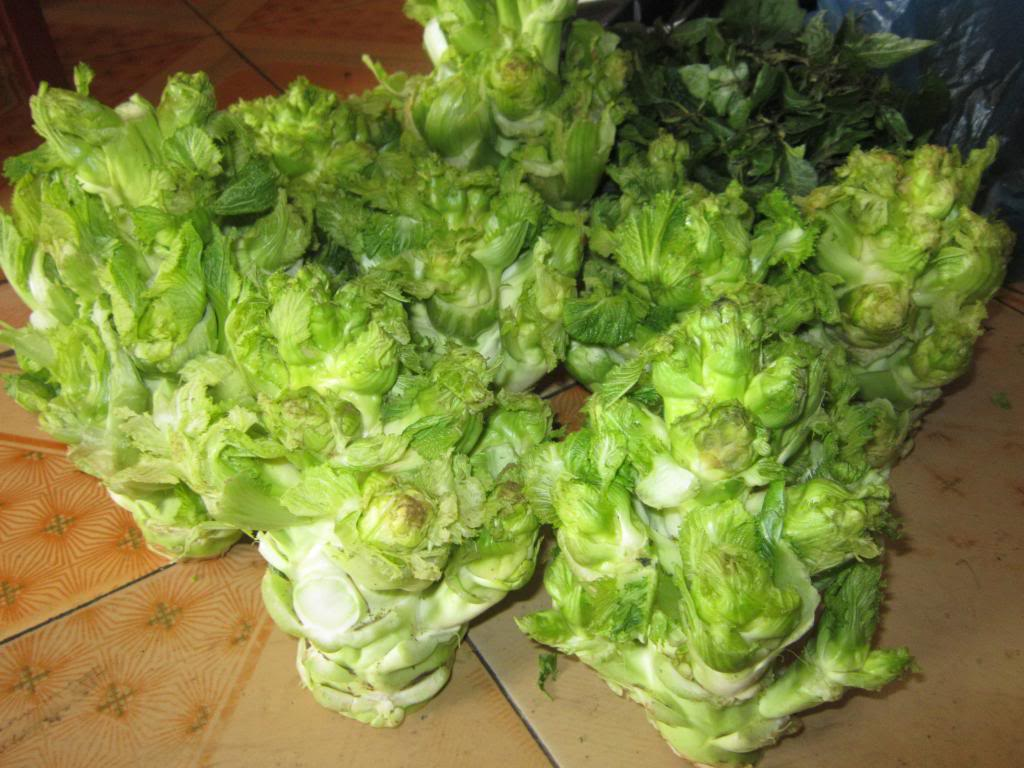
Nutrients in Sa Pa stone sprouts are very good for health (Source: Collected)
Especially, Sa Pa stone sprouts also have a relatively high content of natural antioxidants, helping to protect cells from harmful agents. Thanks to their young, crispy, and juicy leaf structure, the vegetables are not only easy to prepare but also retain good nutritional content after cooking.
2.2. Health benefits from Sa Pa stone sprouts
Supplementing Sa Pa stone sprouts into daily meals helps support the digestive system thanks to their abundant fiber content, contributing to improved bowel function and reducing constipation. The vegetables have a refreshing, mild taste and are easy to eat, making them very suitable for people needing a light diet or recovering from illness.
Besides, Sa Pa stone sprouts are also trusted by many as a vegetable that helps cool the body, detoxify, and support the immune system. When used regularly and prepared correctly, this vegetable not only contributes to overall health improvement but also makes meals more balanced and healthier.
3. Delicious dishes from stone sprouts
3.1. Boiled Sa Pa stone sprouts
Boiling is the simplest way to fully appreciate the natural flavor of Sa Pa stone sprouts . However, to keep the sprouts crisp, sweet, and not mushy, they must be boiled correctly. After washing, the sprouts should only be put into boiling water, cooked over high heat for about 20–30 seconds, and then immediately removed.
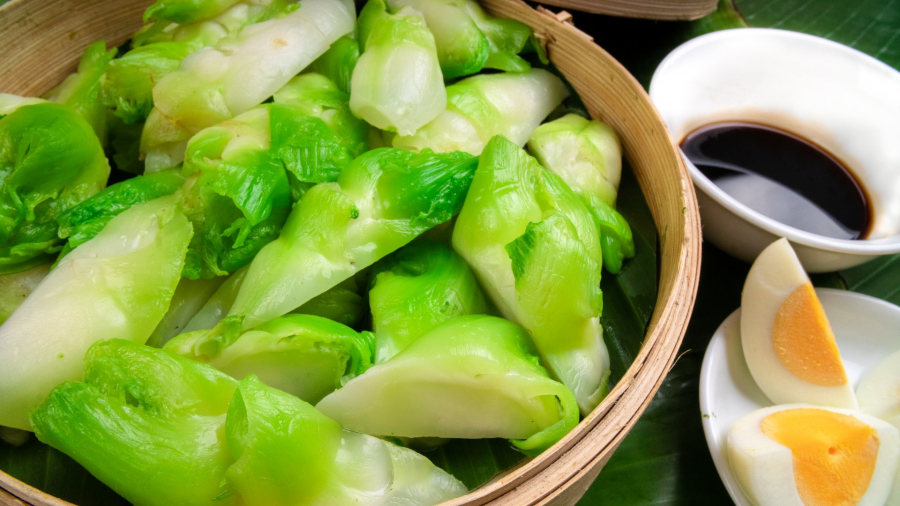
Boiled Brussels sprouts are the most commonly prepared dish (Source: Collected)
Thanks to quick boiling, Sapa Brussels sprouts still retain their fresh green color, crisp texture, and characteristic delicate sweetness. This boiled vegetable dish is very suitable for dipping with mam kho quet, egg fish sauce, roasted sesame and peanut salt, soy sauce, or chili garlic fish sauce, offering a light yet flavorful meal.
3.2. Sapa Brussels sprouts stir-fried with meat
Sapa Brussels sprouts are delicious when stir-fried with meats like pork, beef, or buffalo meat due to their good ability to absorb flavors. The natural sweetness of the vegetables combined with the rich taste of the meat makes the dish appealing without needing too many seasonings.
When preparing, the vegetables should be cut into bite-sized pieces. After the meat is stir-fried until almost cooked, add the vegetables and stir-fry quickly for about 1 minute before turning off the heat. The result is a stir-fried dish of Sapa Brussels sprouts with a fresh green color, crisp vegetables, a mild sweetness, not greasy, and very appetizing.
3.3. Pickled Sapa Brussels sprouts
Thanks to their thick and firm stems, Sapa Brussels sprouts are very suitable for pickling. Pickled vegetables have a high crispness, a mild sour taste combined with the spiciness of chili and the pungent aroma of garlic, making meals more stimulating to the palate, especially when served with fried or braised dishes.
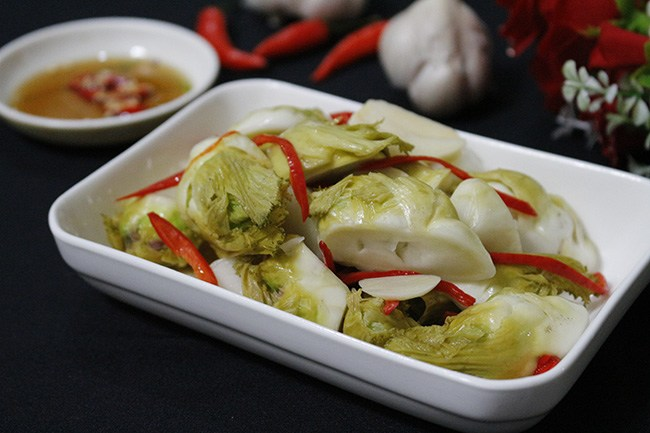
Salted stone sprouts offer a harmonious combination of crispness and mild sourness (Source: Collected)
To pickle Sa Pa stone sprouts, the vegetables are usually lightly sun-dried until slightly wilted, then cut into pieces and washed clean. The vegetables are soaked in a mixture of salt water, vinegar, and sugar that has been boiled and cooled, with added garlic and chili, then fermented for about 2–3 days before consumption. The finished product is a pickled vegetable dish that is crispy, moderately sour, and very easy to eat.
4. Notes on using and preparing Sa Pa stone sprouts
4.1. How to choose fresh and delicious Sa Pa stone sprouts
When buying Sa Pa stone sprouts, choose bunches with firm stems, fresh green leaves, smooth leaf surfaces, and no yellowing or bruising. Fresh sprouts typically have crisp stems, feel firm to the touch, and have no unusual odor. This is an important factor in ensuring the dish retains its characteristic sweetness and crispness after preparation.
Additionally, good Sa Pa stone sprouts are usually harvested when the sprouts are young and of moderate size. Avoid choosing overly mature sprouts, as their stems will be tough and fibrous, reducing their flavor when cooked. If possible, purchase sprouts from local markets or reputable stores to ensure freshness and safety.
4.2. Notes on preparing Sa Pa stone sprouts
Due to their natural growth on rocky soil, Sa Pa stone sprouts often have soil and sand clinging to their roots and leaf crevices. When preparing them, trim off the old roots, gently separate the leaves, and rinse them multiple times under running water to ensure they are completely clean. Thorough preparation helps make the dish clean, delicious, and hygienic.
However, do not soak Sa Pa stone sprouts in water for too long, as this will cause them to lose their crispness and natural sweetness. After washing, let the sprouts drain well and cook them immediately to preserve their fresh mountain flavor.
4.3. How to cook Sa Pa stone sprouts to retain nutrients
When cooking Sa Pa stone sprouts, the most important principle is to cook them quickly and avoid overcooking. Whether boiled, stir-fried, or added to hot pot, the sprouts only need to be cooked until just tender to retain their beautiful green color, crispness, and natural nutrients.
Additionally, it is advisable to limit the use of excessive oil or strong seasonings when cooking Sa Pa stone sprouts. Light seasoning helps preserve their refreshing, mild flavor and highlights the unique characteristics of this highland vegetable, while also being healthier.
4.4. Some notes when consuming Sa Pa stone sprouts
Although Sa Pa stone sprouts are generally considered a healthy vegetable, individuals with sensitive digestive systems should consume them in moderation the first time to allow their bodies to adapt. The sprouts should be eaten fresh and not kept for too long after preparation.
Furthermore, Sa Pa stone sprouts should be stored in the refrigerator's cool compartment and consumed within 2–3 days to ensure freshness and quality. Avoid storing them in damp places or at high temperatures, as this will cause them to spoil quickly and affect the taste of the dish.
Not only is it a rustic vegetable from the Northwest mountains, but Sa Pa stone sprouts are also highly valued for their nutritional content and positive health benefits. From their natural growing conditions, distinct refreshing flavor, to simple yet refined preparation methods, this vegetable has become a unique highlight in Sa Pa's cuisine.
Understanding how to select, prepare, and cook Sa Pa stone sprouts not only helps the dish retain its crispness and sweetness but also ensures safety and optimal nutritional value. If you have the chance to visit Sa Pa or wish to enrich your family's meals, don't miss out on this specialty vegetable that carries the essence of the mountains.