















1. What is Sapa Dao Cake?
Sapa Dao Cake, also known as Banh Pau Co, belongs to the traditional cake group of the ethnic minorities in Lao Cai in general and Sapa in particular. When visiting Sapa, you will easily encounter this cake in many local markets, specialty stores, or on the street vendor carts of the local people year-round.
At first glance, Sapa Dao Cake has a small, delicate shape, resembling tiny pillows, carefully wrapped in fresh banana leaves. Each cake is about the size of a fist, and the naturally light green banana leaf wrapping makes the cake stand out among the colorful stalls at Sapa market.
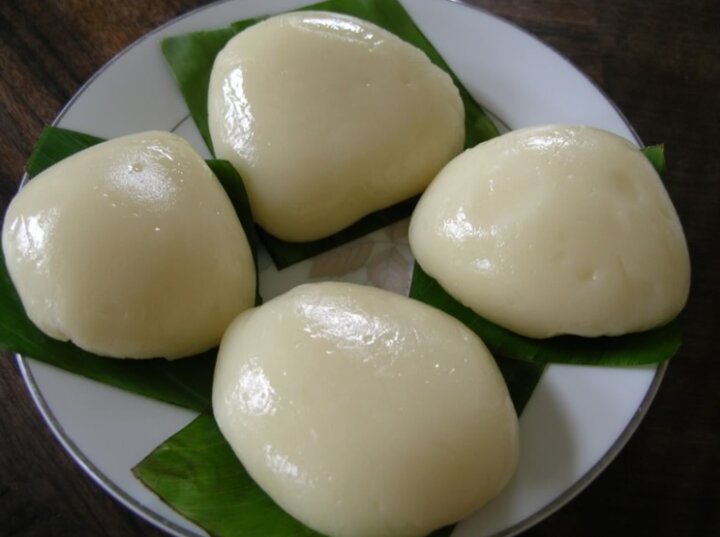
The most unique feature of this cake is its flavor, which is hard to find elsewhere. When you open the leaves, you will see a smooth, ivory-white cake layer, emitting a light fragrance. Taking the first bite, the chewy texture of glutinous rice blends with the cool, slightly nutty taste of arrowroot starch, creating a special sensation. Sapa Dao Cake is not overly sweet, not cloying, and is perfect for enjoying at any time of the day.
The way to enjoy it is also very flexible. You can eat the cake immediately after opening the banana leaves, or dip it in a little honey to enhance the sweetness. Many people also like to pair the cake with a cup of hot tea on cool mornings in Sapa, bringing a feeling of closeness, warmth, and a distinct highland character.
2. Origin and cultural significance of Sapa Dao Cake
2.1. Dao Cake in daily life in Sapa
The story of Sapa Dao Cake is closely tied to the rhythm of life of the highland people through many generations. The cake usually appears most during the harvest season from June to October each year, when arrowroot tubers are in season and glutinous rice has been harvested.
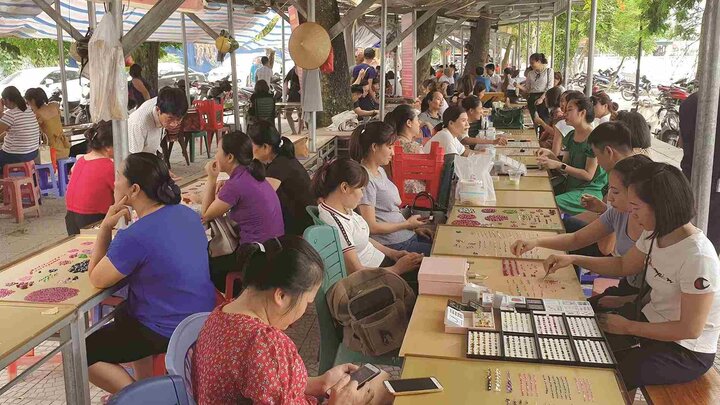
The story of Sapa dao cake is closely tied to the rhythm of life of the highlanders. (Source: Collected)
In villages like Ta Van, Lao Chai, Cat Cat, making dao cake is a familiar part of daily life. Ethnic women often wake up early in the morning to prepare the cakes, then bring them to the market or tourist areas to sell to visitors. This is not only a stable source of income but also an opportunity for them to introduce the unique culinary characteristics of their homeland to friends from all over the world.
The use of dao root – a root that is easy to grow and adapts well to cold climates – as the main ingredient is a testament to the creativity and ability of mountain dwellers to utilize nature. This also reflects the wisdom and long-standing experience of the indigenous people in harmonizing with the environment.
2.2. Cultural significance and traditional customs
Sapa dao cake is not just a simple snack but also carries deep cultural value. On holidays, weddings, and family gatherings, dao cakes often appear as gifts expressing the hospitality and affection of the local people.
In important spiritual ceremonies, dao cakes are also chosen to offer to ancestors with the wish for good harvests and a peaceful family. This shows the special place of the cake in the spiritual life of the ethnic people of the Sapa region.
Tourists visiting the villages, when invited by the host to enjoy dao cakes, will feel the respect and openness of the people, creating an opportunity for cultural exchange and understanding. As a result, Sapa dao cake has become a bridge connecting tourists and locals, contributing to introducing the image of the friendly and hospitable Sapa region.
3. Ingredients and traditional method of making Sapa dao cake
3.1. Main ingredients: Dao flour, glutinous rice flour, banana leaves
The characteristic flavor of Sapa dao cake comes from the selection of local ingredients. The first ingredient is dao flour, made from fresh dao root – a root that only grows in high mountainous areas, with a unique nutty and refreshing taste.
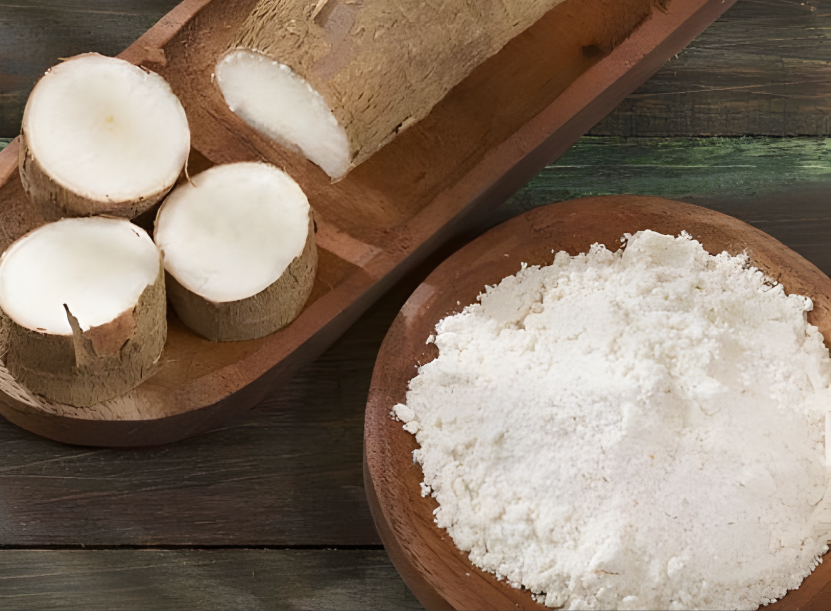
Dao powder ingredient used to make cakes. (Source: Collected)
Dao root is harvested when ripe, washed clean, then finely ground with water to obtain a fine powder. This root not only brings a unique flavor but also helps the cake retain moisture and not become dry after steaming.
The next ingredient is glutinous rice, chosen from sticky, evenly-grained varieties with high clarity. After being washed thoroughly, the glutinous rice is ground into a fine powder, mixed with water to form a moderately thick batter. According to traditional experience, the ratio of dao powder to glutinous rice powder is 2 parts dao to 1 part glutinous rice, so the cake retains the flavor of dao while ensuring the stickiness of the glutinous rice.
Banana leaves used to wrap the cakes are fresh, lush green leaves, without any bruises. Besides protecting the cake, banana leaves also add a natural aroma, helping the cake retain moisture and stay fresh longer.
3.2. Process of making Sa Pa Dao cake
The processing of Sa Pa Dao cake is a combination of many meticulous steps passed down through generations. First, the dao root and glutinous rice, after being finely ground into a liquid batter, are filtered through a cloth to remove fibers, retaining only the fine powder.
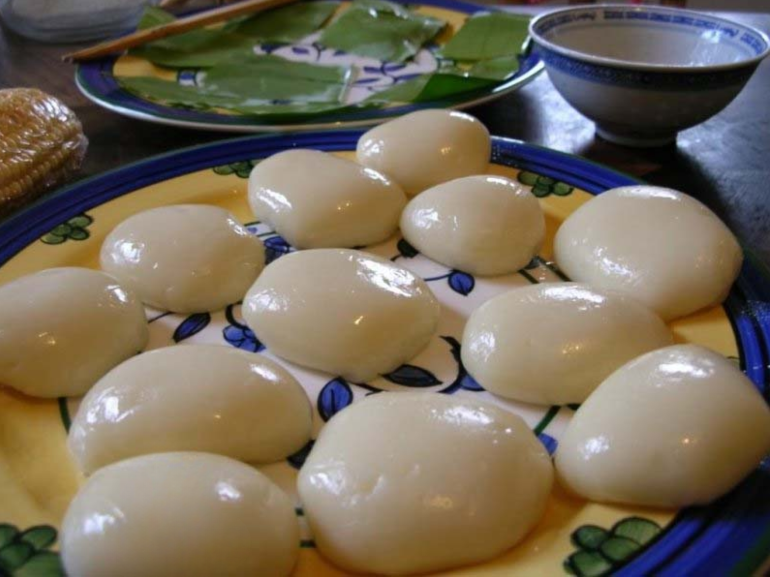
Next, the dao powder and glutinous rice powder are mixed evenly in the appropriate ratio, with a little salt added to enhance the cake's flavor. The batter is off-white, smooth, and moderately sticky, making it easy to shape. The baker will roll the dough into small balls the size of a rice bowl, shape them round, and smooth the surface. Each dough ball is placed on a washed banana leaf, carefully wrapped, and tied with a string or dried banana fiber.
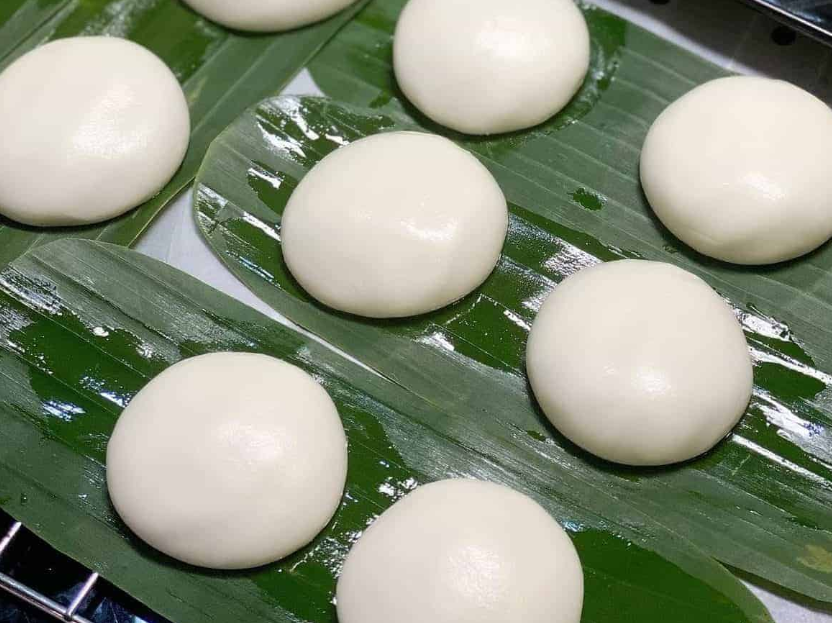
The flour mixture is ivory white, smooth, and moderately chewy. (Source: Collected)
The final step is steaming the cake for about 20-25 minutes until it is evenly cooked. At this point, Sa Pa Dao Cake has a beautiful ivory white color, a smooth surface, a light aroma of banana leaves mixed with the characteristic flavor of sticky rice and dao.
3.3. What makes Sa Pa Dao Cake special compared to other types of cakes?
The biggest difference of Sa Pa Dao Cake is its main ingredient – the dao root – which only grows well in cool, chilly climates like Sa Pa. Thanks to this, the cake has a unique flavor, hard to find elsewhere.
While traditional sticky rice cakes (banh day) often have a rich sweet taste, dao cake offers a refreshing, light feeling, not causing satiety even when eaten in large quantities. The chewiness of the sticky rice combined with the cool, nutty taste of the dao creates a palate experience that is both novel and familiar.
Regarding preservation, Sa Pa Dao Cake can be kept for many days without spoiling thanks to the properties of the dao root and the traditional banana leaf wrapping method. This is very convenient for those who want to buy the cake as a gift after their trip. The ways to enjoy the cake are also very diverse. Besides enjoying it hot, the cake can be eaten cold, dipped with honey, sugar, or fried until crispy for a change of taste, offering many attractive options for every palate.
4. How to preserve Sa Pa Dao Cake
A prominent strength of Sa Pa Dao Cake is its ability to maintain quality and flavor for many days. Thanks to the properties of the dao root and the traditional wrapping method, the cake can be preserved for about 3-4 days, even longer if stored properly.
The most important thing when preserving the cake is to place it in a dry, airy place and avoid direct sunlight. Absolutely do not leave the cake in a damp or humid place as it can easily lose its delicious taste.
When buying the cake as a gift, you should keep the banana leaf wrapper on, do not unwrap the cake before use. You can place absorbent paper or dry newspaper layers between the cake layers to absorb excess moisture. Do not use sealed plastic bags to store the cake as they easily create humidity, affecting the quality.
When consuming, Sa Pa Dao Cake can be eaten directly at normal temperature or steamed again for 3 to 5 minutes to regain its softness and chewiness as when freshly made. If you detect any strange smell or mold spots on the cake, it should be discarded to ensure health.
5. Reference price for Sa Pa Dao Cake and notes when buying as a gift
The price of Sa Pa Dao Cake is suitable for most tourists, ranging from 15,000 to 25,000 VND per piece depending on size and place of purchase. At traditional markets like Sa Pa Market, Coc Ly Market, or Bac Ha Market, prices are usually softer compared to specialty stores located within tourist areas.
To choose a quality Sa Pa Dao Cake, you should carefully observe the banana leaf wrapper. Fresh banana leaves will have a natural green color, not wilted or yellowish-brown. Cakes that are tightly wrapped, not watery or loose, are usually of good quality.
Try to smell the aroma of the cake through the leaves. A delicious Sa Pa Dao Cake will have a light banana leaf aroma mixed with the characteristic taste of dao and sticky rice, with no strange or sour smell. If you notice a burnt or fermented smell, you should reconsider before buying.
Choosing to buy the cake in the morning or when it has just been made will ensure freshness and deliciousness. Ask the seller about the time it was made, prioritizing those made on the same day.
Additionally, choosing to buy cakes from reputable sellers, trusted by many tourists, or recommended by locals will give you more peace of mind about the quality. The ethnic women vendors in Sa Pa are usually friendly, willing to share information about the origin and how the cake is made with customers, creating a friendly and trustworthy atmosphere.
6. Some other outstanding specialties of Sa Pa worth trying
Besides Sa Pa Dao Cake, this Northwest region also has many other attractive specialty cakes. 'Páu plậu' sticky rice cakes are made from glutinous rice pounded into thin pieces, which can be eaten with sugar or fried until crispy for a change of taste, offering an unforgettable flavor.
Chestnut Cake
Chestnut cake is a combination of a sweet, nutty mashed chestnut filling inside with a soft wheat flour crust. This cake is commonly found at the Sa Pa night market, favored by many tourists for its natural sweetness and rich nutrition. The price of chestnut cake ranges from 40,000 to 50,000 VND per box (containing 8 - 10 pieces) depending on the size.
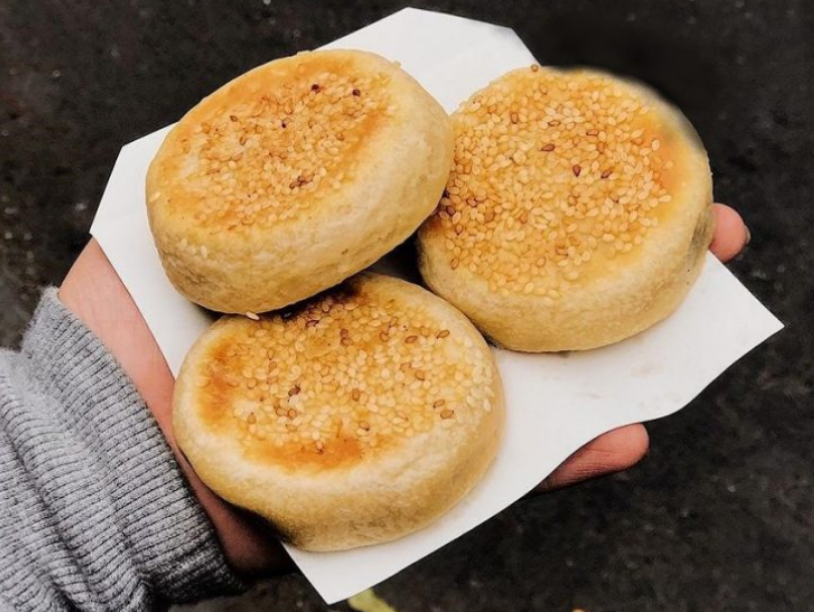
Chestnut cake is popular in Sa Pa. (Source: Collected)
Banh chung den
Banh chung den gets its characteristic color from nuc nac tree charcoal, combined with fragrant black pork, bringing a dish with spiritual significance, usually only appearing on important holidays and Tet.
Corn cake is made from fresh young corn steamed in banana leaves, creating a characteristic chewy texture. Giay cake with grilled pork paste is an interesting creation combining chewy giay cake with delicious grilled pork paste. Each cake carries its own cultural story and unique flavor, contributing to the diverse culinary landscape of Sa Pa.
Banh dao Sa Pa is not just a snack but also a symbol of the culture and people of the highlands. The chewy, fragrant, and refreshing taste of the cake will always evoke memories of the Northwest region in the minds of every tourist. Don't forget to visit Sa Pa to experience and preserve special memories in this mountainous region!