















1. Overview of Lao Chai – Ta Van Village
1.1. Geographical location and distance to Sa Pa center
Lao Chai – Ta Van village lies peacefully in the poetic Muong Hoa valley, belonging to Ta Van, Sa Pa, Lao Cai province. The two villages nestle between the majestic Hoang Lien Son mountain range and Ham Rong mountain, creating a spacious, pristine natural space, separate from the bustling urban rhythm.
From the Stone Church area of Sa Pa, tourists only need to travel about 11–12 km along Cau May road, then turn into Muong Hoa road to reach Lao Chai – Ta Van village. The route is not too long, suitable for day trips or short stays, and at the same time opens up impressive scenery with terraced fields stretching on both sides, changing colors with the seasons.
The terrain here forms a gently curving valley, true to the meaning of the name “Ta Van” in the Mong language. With the Hoang Lien Son mountain range behind and the clear Muong Hoa stream in front, the village offers a sense of peace and harmony, becoming the long-standing living space for many ethnic minority communities in the highlands.
1.2. Tourism significance and unique features compared to other villages
Tourism in Lao Chai – Ta Van village offers visitors the opportunity to immerse themselves in a slow and authentic local life, clearly distinct from the vibrant atmosphere of the central Sa Pa area. It is this pristine and simple nature that has led the place to be introduced by South China Morning Post (SCMP – one of Hong Kong's oldest and most reputable English-language dailies) as among the top 6 most beautiful villages in Asia, representing a rustic beauty rich in cultural depth. These are all villages located on hillsides with spectacular views, and local people depend on farming techniques that have existed for hundreds of years.

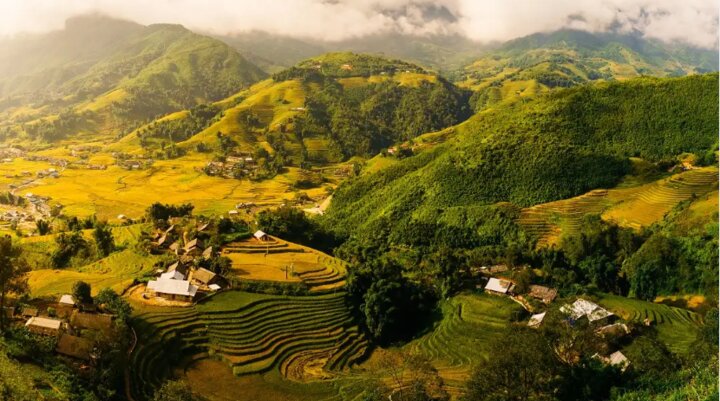
Lao Chai – Ta Van offers visitors the opportunity to immerse themselves in the slow and authentic local life. (Source: Collected)
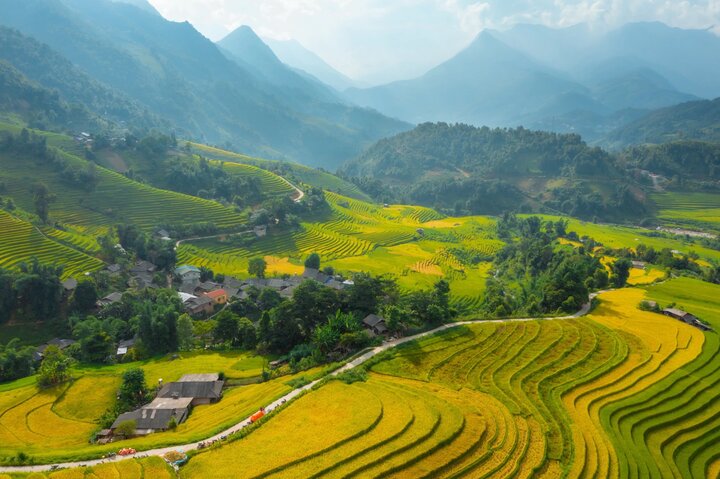
The highlight of Lao Chai – Ta Van lies in the terraced rice fields stretching across Muong Hoa valley, changing their appearance with each season of the year. Not only outstanding in scenery, Lao Chai – Ta Van is also home to many ethnic minorities, forming a diverse and rich cultural tapestry.
Traditional wooden stilt houses nestled among the terraced fields, flickering firelight in warm homes, the sound of flutes and laughter echoing in daily life… all create a peaceful rhythm, leaving a deep impression on those seeking a closer Sa Pa.
2. Guide to safely traveling to Lao Chai – Ta Van
2.1. Starting the journey from Sapa center
The journey from Sapa town center to Lao Chai – Ta Van village is quite convenient, suitable for both day trips and short getaways. Starting from the Sapa Stone Church area, visitors travel along Cau May street, then turn into Muong Hoa road to head towards the valley of the same name.
The route is about 11–12 km long, mostly upgraded, and can be traveled by motorbike or car. However, this road has many narrow bends and steep sections, especially the path leading up to Lao Chai village , so drivers need to maintain a moderate speed, focus on observation, and prioritize safety when traveling.
Along the route, the scenery opens up with successive terraced fields, green forests, and the clear Muong Hoa stream flowing along the mountainside. After passing the Ta Van checkpoint for about 1 km, visitors will reach Lao Chai village ; from here, continue for a few hundred meters to reach Ta Van village . As soon as you arrive, the quiet atmosphere of the village with the sound of the stream, the forest wind, and the slow pace of life will gradually replace the hustle and bustle of the central area.
2.2. Suggested popular transportation methods
Joining a professional tour is a suitable option for travelers who prioritize convenience and safety. Trekking tours or community-based tourism often include transportation, local guides, and a reasonable itinerary, suitable for groups of friends, families, or first-time visitors to Sa Pa.

Motorbike transport is favored by many young travelers thanks to its flexibility. (Source: Collected)
Motorbikes are a favored mode of transport for many young travelers due to their flexibility and the ability to stop and admire the scenery at will. Rental prices range from 120,000–150,000 VND/day. Before setting off, travelers should carefully check the brakes and tires and prepare standard helmets and raincoats to ensure safety in mountainous weather conditions.
For large groups or travelers with a lot of luggage, cars or taxis are more convenient options. Additionally, motorbike taxis originating from the Sa Pa Stone Church area or major hotels are also flexible options; travelers should negotiate the price before departing.
For those with good physical strength and a love for activity, bicycles offer a closer experience with nature. The cycling distance ranges from 7–12 km, which is not too long but has many steep sections, so it is necessary to prepare drinking water, protective gear, and consider your physical fitness before choosing this mode of transport.
3. Exploring the Nature and Scenery of Lao Chai – Ta Van
3.1. The Beauty of Terraced Fields
The terraced fields are the most prominent landscape feature of the Lao Chai – Ta Van villages, contributing to the unique beauty of the entire Muong Hoa Valley. The fields are gently curved along the hillsides and mountain slopes of the Hoang Lien Son range, stretching from high to low levels, harmonizing with the natural terrain and almost retaining their original pristine state.
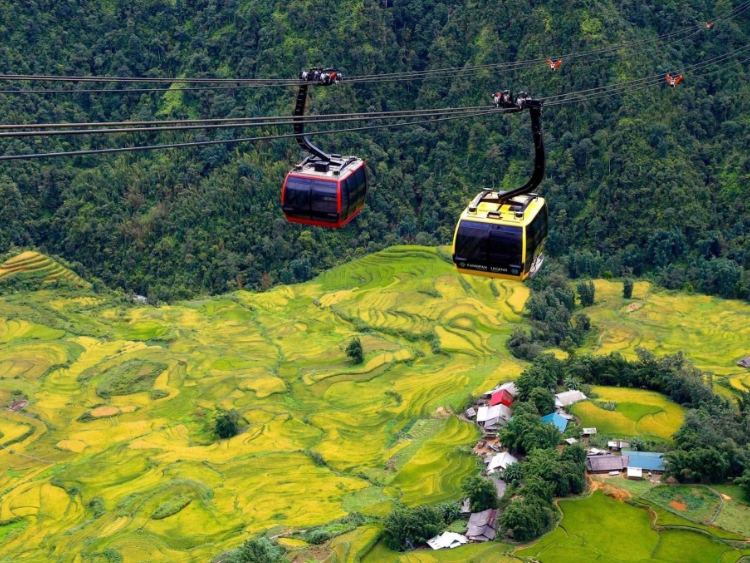
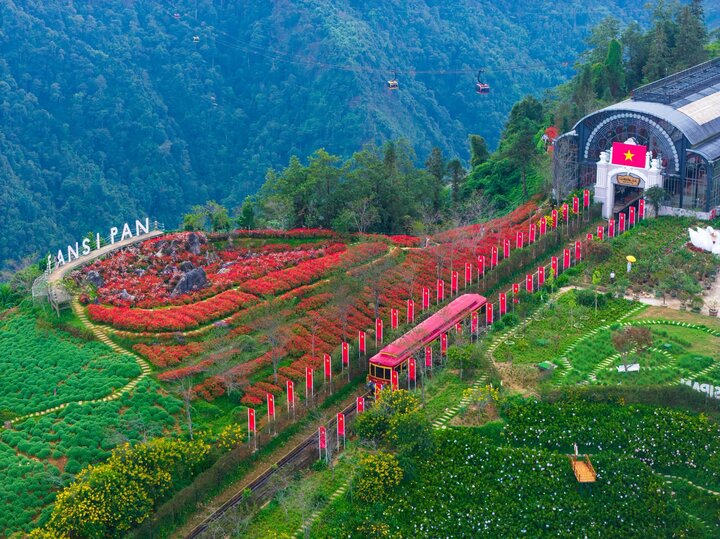
The modern cable car system helps shorten travel time, taking tourists from Muong Hoa valley to near the Fansipan peak. (Source: Collected)
From above, the terraced rice field landscape appears with greater depth and rhythm, especially when tourists travel through the valley by the Muong Hoa train or the Fansipan cable car line crossing the mountainside of Sun World Fansipan Legend. This expansive view allows you to take in the gentle curves of the rice paddies, interspersed with villages and small streams winding through the valley, offering a serene and relaxing sightseeing experience.
During the water-pouring season, the fields shimmer like large mirrors reflecting the sky and surrounding mountains, creating a dreamy, poetic atmosphere. Around July – early August, the fresh green color of rice covers the valley, bringing a sense of newness and vitality. This is the ideal time to stroll among the terraced fields, listen to the sound of water flowing through each paddy bund, and feel the peaceful agricultural rhythm of the local people.
The ripe rice season is considered the most vibrant period of the year, when the entire Lao Chai – Ta Van area is adorned with a warm, golden hue. The scent of ripe rice drifts through the air with the wind, and the terraced fields stretch across the valley, blending with the majestic mountain scenery of the Northwest. It is this simple beauty, untouched by industrial production, that makes the terraced fields here leave a deep impression on many tourists.
3.2. Check-in at the unique Cau May Bridge
Cau May Bridge is one of the characteristic check-in spots in the Lao Chai – Ta Van area, spanning the gentle Muong Hoa stream and connecting to the terraced fields and surrounding villages. The bridge is handcrafted from rattan, wooden planks, and natural bamboo, possessing a rustic beauty that is close to the nature of the Northwest mountains. Over time, the image of Cau May Bridge appearing amidst mist and white clouds has become the inspiration for the poetic name of this location.
To reach the new Cau May Bridge in Ta Van village, tourists can start from Lao Chai village, following the Muong Hoa stream for about 3 km of trail. The bridge is about 20 years old and is located in a rather secluded spot, suitable for those seeking a quiet resting place, experiencing the sensation of walking on a swaying bridge, and fully enjoying the pristine natural space.
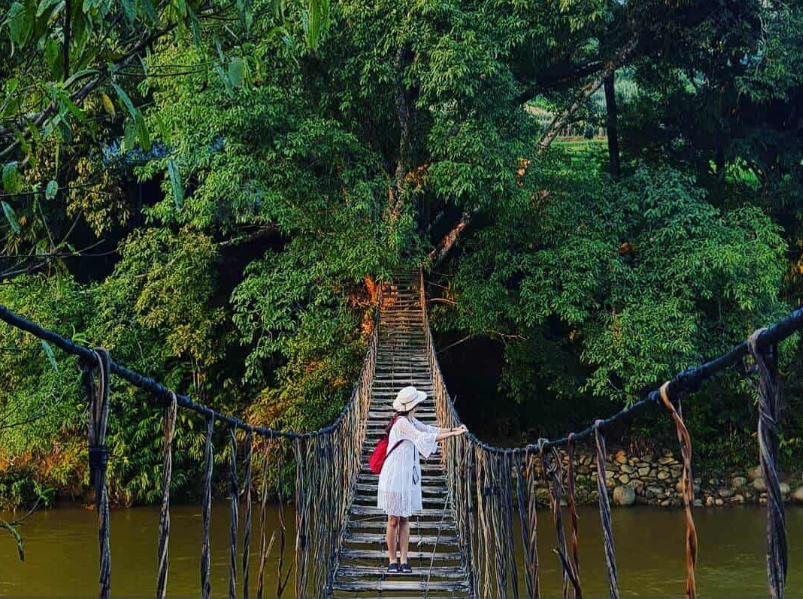
Cau May (May Bridge) is one of the characteristic check-in spots of the Lao Chai – Ta Van area. (Source: Collected)
Along the stream section between Lao Chai and Ta Van , the scenery opens up many beautiful photo opportunities. From the bridge, visitors can gaze at the winding Muong Hoa stream below, the sprawling terraced fields, and the deep green mountains and forests in the distance. A photo angle many suggest is standing about one-third of the way across the bridge, aiming your camera towards the ancient tree on the other side of the stream to create depth in the picture.
The ideal time to check in at Cau May is in the morning, when the light is soft, the air is cool, and the crowds are not yet too large. Additionally, the late afternoon hours offer a tranquil atmosphere, suitable for emotionally rich photos. To stand out against the lush green natural background, visitors can choose light-colored outfits or rent traditional costumes from homestays in the village. During the rainy season, be mindful to move slowly and wear shoes with good grip as the wooden bridge surface can be slippery.
4. Experience Local Culture in Lao Chai – Ta Van Villages
4.1. Visit the Ancient Village of Ta Van Giay in Sa Pa – Ta Van
Ta Van Giay village is considered the oldest village in the Ta Van area, with a history of formation about 300 years ago, associated with the process of the Giay people coming to reclaim land and establish the village in the Muong Hoa valley. Through many generations, the community here has preserved many traditional customs, practices, and ways of life, creating a characteristic cultural depth for the highland villages of Sa Pa.
The Giay people live concentrated in Ta Van Giay, while the H'Mong people mainly reside in Lao Chai village and the Dao people are scattered among some households, contributing to enriching the cultural tapestry of the entire Lao Chai – Ta Van region. Each ethnic group brings its own unique values, from language, costumes to traditional crafts. In particular, the Giay people also preserve the craft of making handmade silver jewelry, along with meticulously finished traditional costumes, demonstrating skill and sophistication in their cultural life.
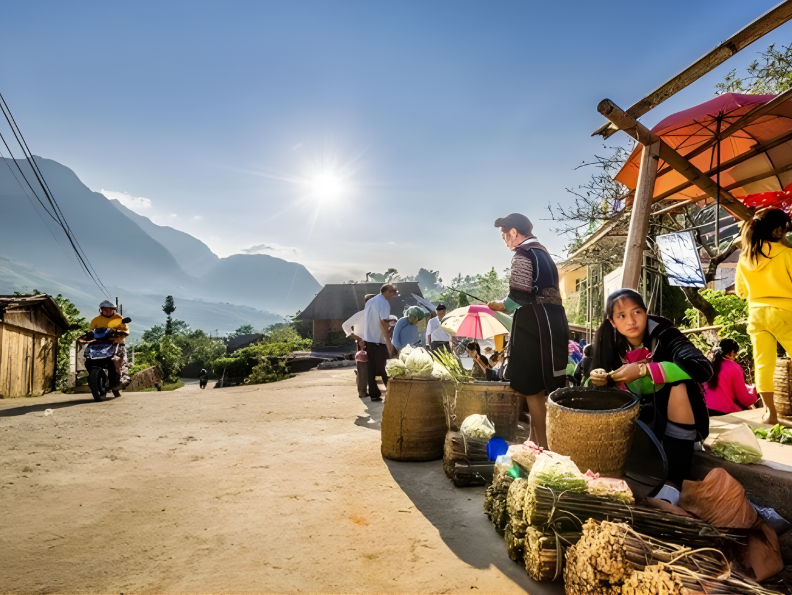
Ta Van Giay village has a history of about 300 years. (Source: Collected)
The village's architectural space is highlighted by traditional wooden stilt houses, with roofs made of tiles or leaves, and raised foundations to prevent moisture and adapt to the mountainous climate. The kitchen is usually located in the center, where family members gather after a day of labor, light the fire to cook, chat, and share daily life, creating a warm and intimate atmosphere.
Community life in Ta Van Giay is closely tied to agricultural production on terraced fields, from growing rice, corn to seasonal vegetables. When staying at homestays in the village, visitors have the opportunity to participate in daily activities with the locals such as transplanting rice, harvesting, animal husbandry, weaving, or indigo dyeing. These authentic experiences not only help to better understand local life but also bring a sense of slowness and peace amidst the traditional mountainous landscape.
4.2. Homestay experience, cooking with local families and traditional crafts
Choosing to stay at homestays managed by local residents in Lao Chai – Ta Van village will help visitors fully enjoy the highland life. Most of these homestays are traditional wooden stilt houses, located along the terraced fields, offering panoramic views of the valley and majestic mountains. Private rooms are equipped with basic amenities, combined with clean bathrooms, creating a sense of both closeness and comfort.
One of the most popular experiences for tourists is cooking with local families. You will participate in preparing ingredients and cooking specialty dishes such as grilled chicken, local pork, grilled stream fish, wild vegetables, five-colored sticky rice, etc. Stories about life and folk customs will also be shared in a cozy atmosphere, leaving unforgettable memories of life in the mountains.
Besides, visitors can also experience weaving and embroidering H'Mong patterns, being guided on how to use a loom, choose threads, embroider traditional motifs, and explore the indigo dyeing process to create characteristic dark blue fabrics. This is an opportunity to feel the skill and sophistication in local cultural life. Additionally, depending on the season, visitors can join locals in the fields to plant or harvest rice, or care for vegetables, offering a truly close-to-nature experience.
4.3. Participating in highland markets in the village
The highland market in Lao Chai - Ta Van village is a familiar cultural gathering point, attracting the interest of many tourists when visiting Muong Hoa valley. More than just a place for buying and selling, the market also brings a bustling atmosphere, clearly reflecting the daily life and long-standing customs of the ethnic minorities living in the area.
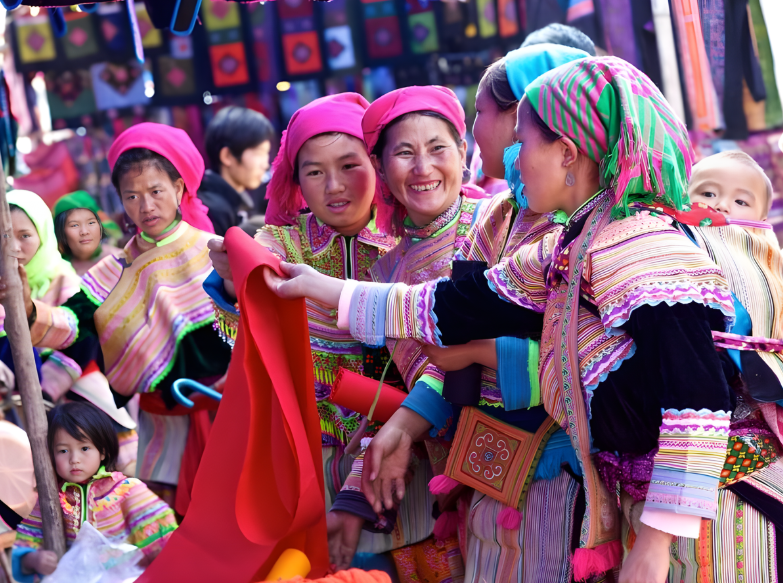
Strolling through the market, visitors can easily feel the authenticity and closeness through the conversations of ethnic people. (Source: Collected)
The market primarily sells brocade products, traditional handicrafts, and souvenirs bearing the distinct cultural imprint of the Northwest. Alongside these are stalls of local agricultural products, from seasonal vegetables to "home-grown" produce, which many tourists choose as gifts.
The market usually takes place on weekends, which is the ideal time for visitors to immerse themselves in the most vibrant atmosphere of the market, observe the trading of goods, enjoy local cuisine, and capture colorful everyday life moments. It is precisely this simplicity, rustic charm, yet rich identity that makes the market here an unforgettable experience in the journey to explore the Northwest highlands.
5. Tips and Notes for Visiting Lao Chai Ta Van Village
Choosing appropriate attire is extremely necessary when trekking in Lao Chai Ta Van village. You should wear sports shoes or specialized walking shoes with good grip to avoid slipping. Long pants and long-sleeved shirts will help you protect yourself from insects and dirt when moving on the terraced fields, as well as protect your skin from the sun or wild branches.
The weather in Sa Pa is cool year-round, and it can get chilly at night, so preparing a light jacket or scarf is essential. For visitors coming from hot climate regions, it is advisable to rest for 1-2 days to allow your body to adapt to the temperature change, avoiding fatigue or heatstroke. Additionally, a small bag to hold your phone, camera, drinking water, along with personal items like motion sickness medication and mosquito repellent will make your journey more convenient.
During your interaction with the local people, visitors should maintain a polite attitude and respect local customs. When you want to take photos with the locals, especially the elderly or children, asking for permission beforehand shows thoughtfulness and goodwill.
For photography enthusiasts, the ideal times to take pictures are early morning from 6 AM to 8 AM and in the evening during sunset. Shots from high angles, by the stream, on the terraced fields, or in front of traditional stilt houses will help capture the serene beauty of the highland village.
Lao Chai Ta Van village is not just a destination but a journey to discover the deep essence of the Northwest region. The blend of majestic nature, multi-ethnic culture, and the sincere hospitality of the people creates a unique experience unlike anywhere else in Sa Pa. Let Lao Chai Ta Van village be an indispensable stop on your Sa Pa 2025 itinerary!