















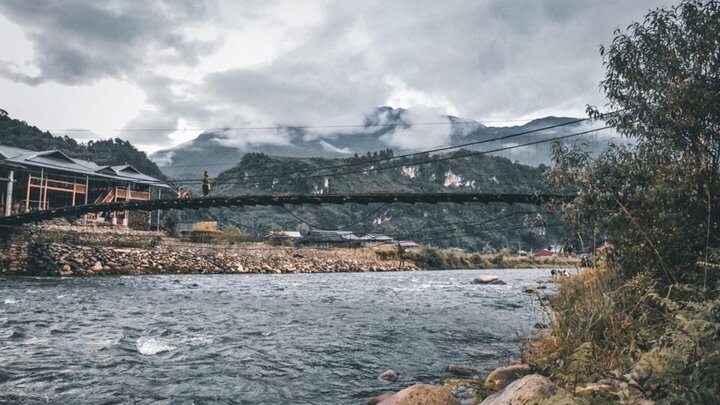
1. Mu Cang Chai – Sapa Itinerary Overview
1.1 Location and distance between Mu Cang Chai and Sapa
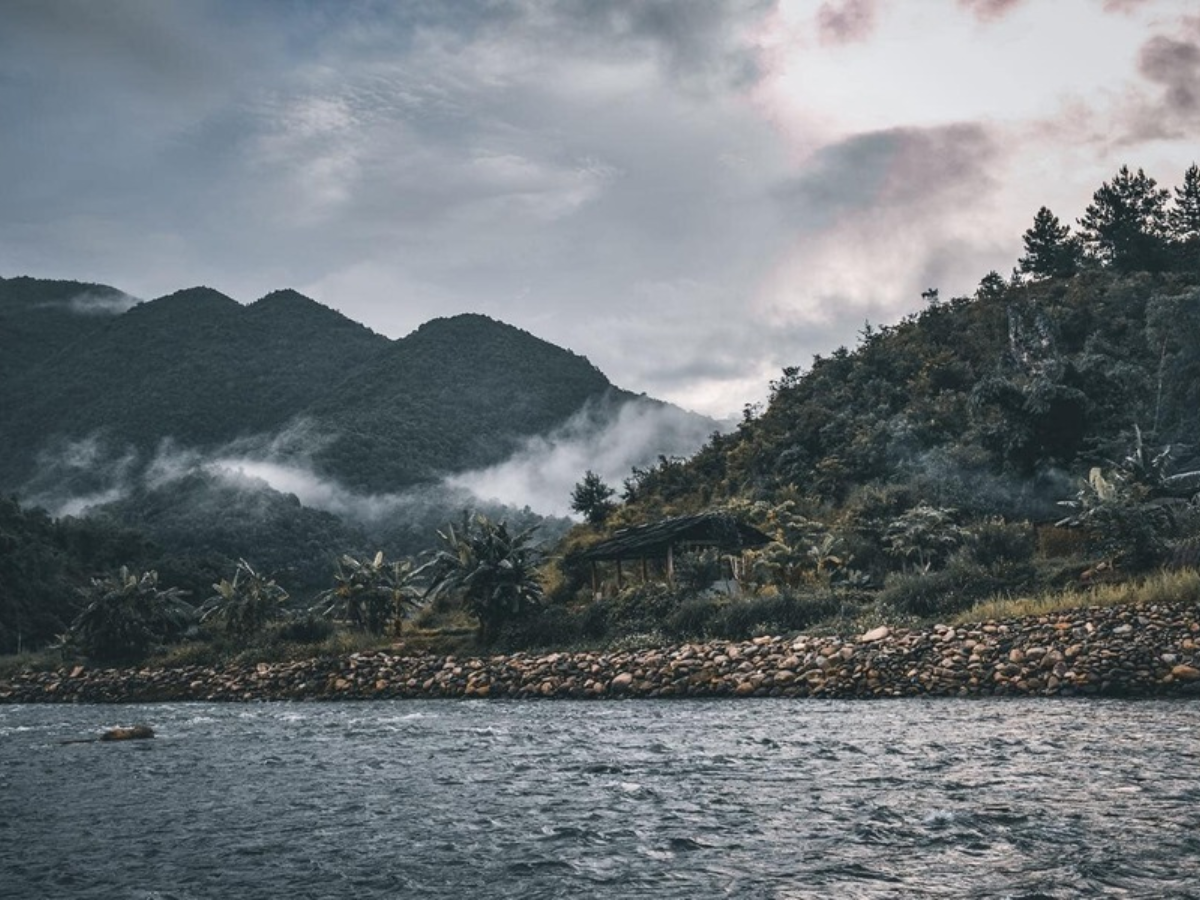
Mu Cang Chai is located in the western part of Yen Bai province, about 280–300 km from Hanoi depending on the route. (Source: Collected)
Mu Cang Chai is located in the western part of Yen Bai province, about 280–300 km from Hanoi depending on the route. This is a land famous for its terraced fields stretching across high mountain slopes, recognized as a special national scenic spot. During the water-pouring season or the ripe rice season, the entire valley transforms into a vibrant painting, making it hard for anyone who sets foot there to look away.
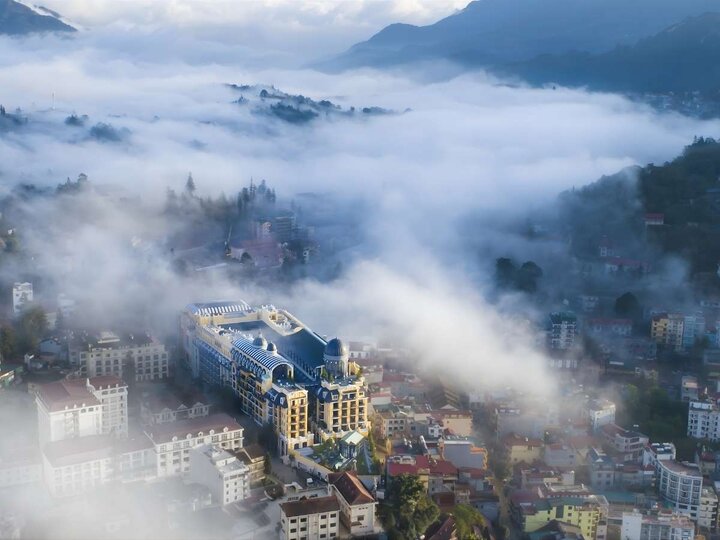
Meanwhile, Sapa is in Lao Cai province, and has long been a northern highland tourist center. Located at an altitude of over 1,500m above sea level, Sapa has a cool climate year-round, misty fog, and ethnic villages hidden in the valleys.
The distance between these two destinations ranges from 150 to 160 km, depending on the route you choose. Although not too far, the road connecting Mu Cang Chai and Sapa passes through many famous mountain passes, creating a journey that is both challenging and memorable.
1.2 Highlights of the Journey
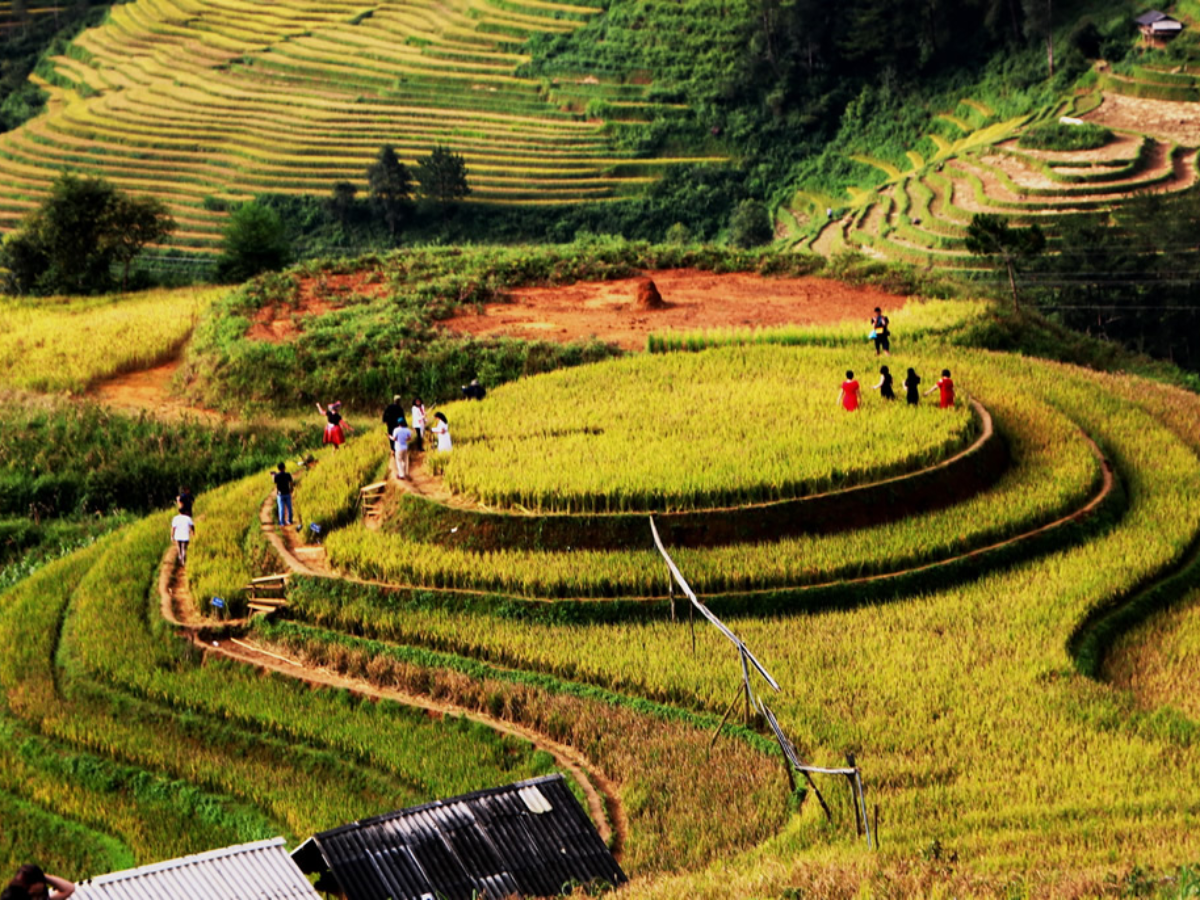
La Pan Tan, Che Cu Nha, and Doi Mam Xoi (Raspberry Hill) create vibrant, winding terraced fields during the ripening rice season in September-October. (Source: Compiled)
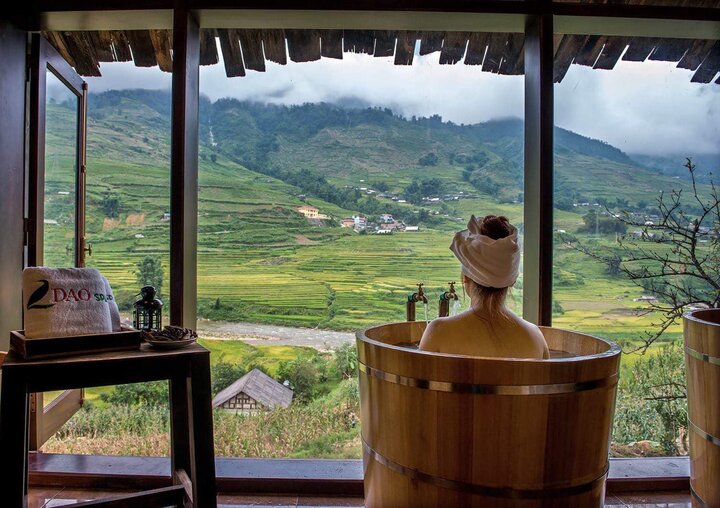
The biggest highlight of the Mu Cang Chai Sapa itinerary is the terraced fields. In Mu Cang Chai, areas like La Pan Tan, Che Cu Nha, and Doi Mam Xoi (Raspberry Hill) form layer upon layer of winding fields, especially vibrant during the ripening rice season in September-October.
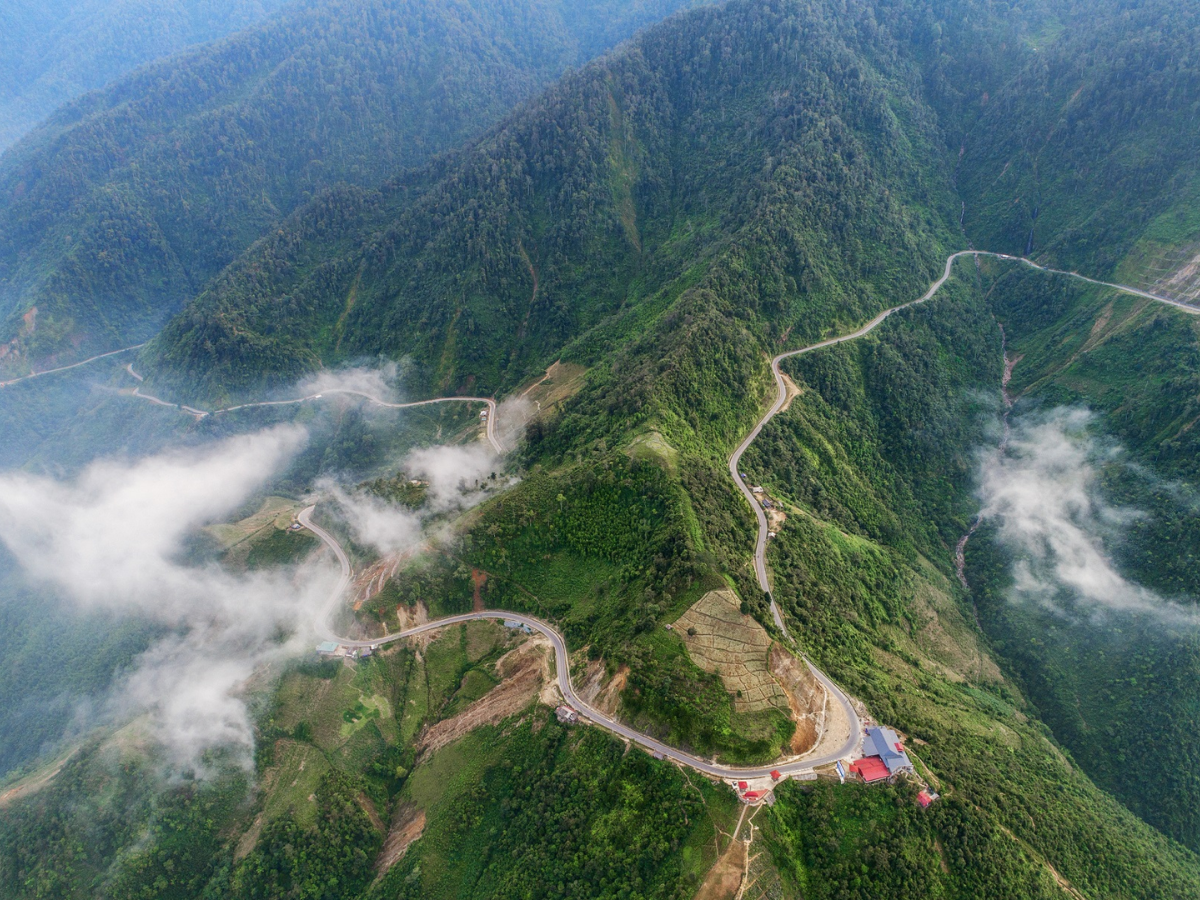
The journey takes travelers to conquer Khau Pha Pass and O Quy Ho Pass, part of the four great mountain passes of Northern Vietnam. (Source: Collected)
In addition, the journey also takes you to conquer famous mountain passes such as Khau Pha Pass and O Quy Ho Pass – two of the "four great mountain passes" of Northern Vietnam. The winding roads amidst seas of clouds and rolling mountains create a breathtaking and unforgettable landscape.
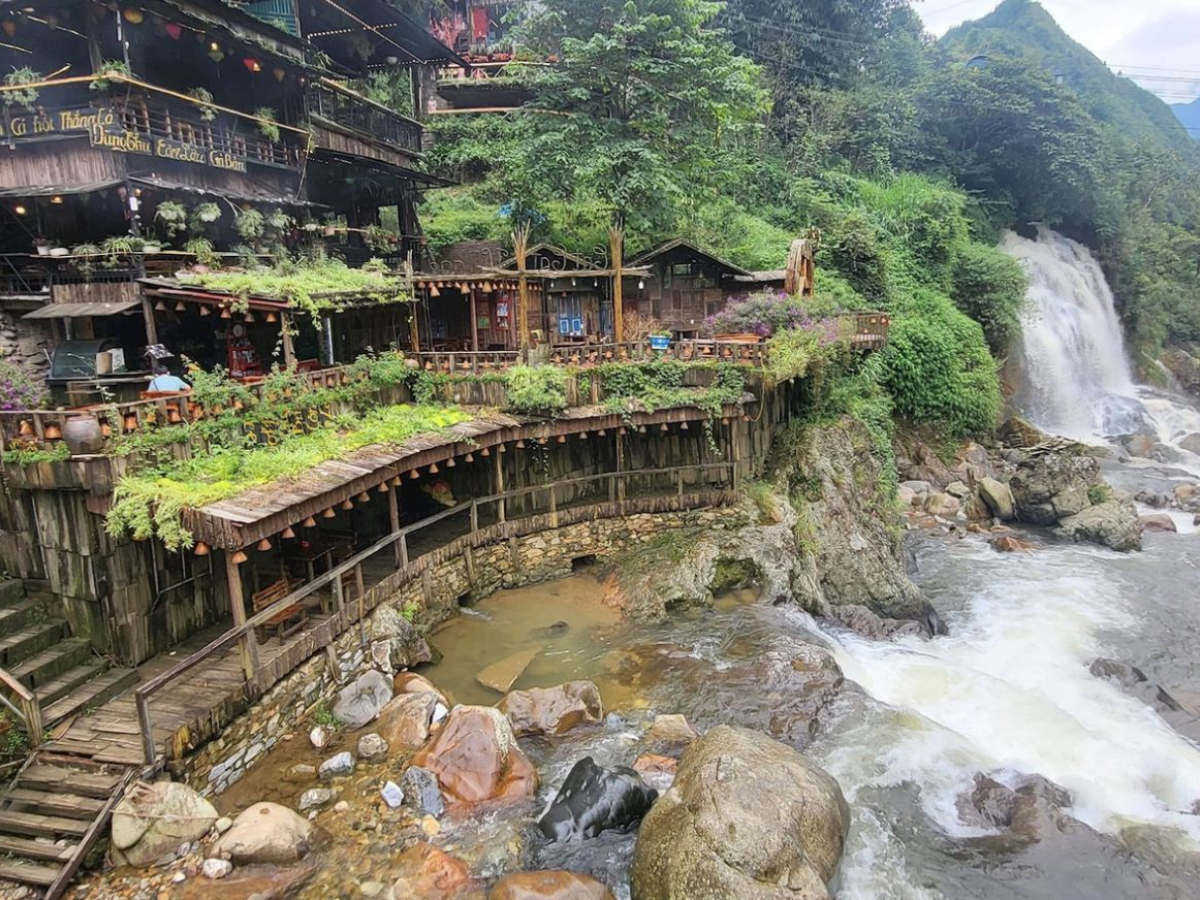
When visiting Sapa, tourists can explore Cat Cat Village, the Stone Church, and take the cable car to the top of Fansipan. (Source: Collected)
Upon arriving in Sapa, tourists can explore villages like Cat Cat Village, wander around the central area with the Sapa Stone Church, or experience the cable car to the top of Fansipan – the "Roof of Indochina".
2. How to Travel for the Mu Cang Chai - Sapa Itinerary
2.1 Traveling from Hanoi to Mu Cang Chai
Most tourists start the Mu Cang Chai Sapa itinerary from Hanoi. You can choose to travel by bus, limousine van, private car, or motorbike if you want to experience the Northwest route more fully.
The popular route is the Noi Bai – Lao Cai expressway, then turn onto National Highway 32 to pass through Nghia Lo, Tu Le, and then to Mu Cang Chai. The total average travel time is about 7–8 hours. If you leave early from 5–6 AM, you can reach Tu Le by noon to rest and eat before continuing your journey.
This route is relatively easy to travel compared to many other passes in the Northwest, but there are still sharp turns and long slopes. Therefore, if you are driving yourself, you should check your vehicle carefully before the trip and ensure you are in good health.
2.2 Traveling from Mu Cang Chai to Sapa
The distance from Mu Cang Chai to Sapa is about 159 km, usually taking 4–5 hours depending on weather conditions and stops. This is considered the most beautiful part of the Mu Cang Chai Sapa itinerary, as you will pass through Khau Pha Pass, Than Uyen, and O Quy Ho Pass.
Each turn reveals a different landscape. Sometimes it's a vast golden rice valley, other times it's towering rocky mountains amidst the clouds. Along the way, you can stop at high points to admire the panoramic view of the valley or take souvenir photos. However, pay attention to safety, park in designated areas, and observe surrounding traffic carefully.
3. Mu Cang Chai - Sapa 4 Days 3 Nights Itinerary
3.1 Day 1: Hanoi – Tu Le – Mu Cang Chai
The first day of the Mu Cang Chai Sapa itinerary should start early in the morning. Before the city gets crowded, you leave Hanoi, heading towards the Northwest. The further you go, the more the urban landscape gives way to lush green mountains.
Arriving in Tu Le around noon, you can stop to enjoy local specialties such as sticky rice, grilled meat, and stream fish. Tu Le Valley during the ripe rice season has a gentle beauty with golden rice fields at the foot of the mountains.
In the afternoon, the journey continues over Khau Pha Pass. Looking down from above, the terraced fields appear like steps leading to the sky. This is the ideal time to stop the car to admire the scenery and breathe in the fresh air.
Arriving in Mu Cang Chai in the late afternoon, you check into a homestay or a small hotel in the town. In the evening, the highland air is cool, perfect for enjoying a cozy local meal and resting after a long journey.
3.2 Day 2: Explore Mu Cang Chai – Travel to Sapa
On the second morning, you spend the entire time exploring the famous terraced rice fields. La Pan Tan is home to Mam Xoi hill – the symbol of Mu Cang Chai's terraced fields. Seen from above, the round, full fields resemble a golden "mam xoi" (sticky rice tray), standing out amidst the mountains.
Che Cu Nha offers a more wild and less crowded beauty. Small dirt paths winding through villages bring you closer to the life of the H'Mong people. Children play by the eaves of houses, adults tend to the fields, all creating a simple picture of daily life.
In the early afternoon, you leave Mu Cang Chai to continue the Mu Cang Chai Sapa itinerary. Along the way, stop at O Quy Ho Heaven's Gate to admire the sea of clouds if the weather is favorable. The feeling of standing between the border of Yen Bai – Lao Cai, with rolling mountains in front and Fansipan peak hidden in the clouds in the distance, is truly impressive.
Arriving in Sapa in the evening, you check into your hotel. In the evening, you can stroll around the central square, enjoy grilled dishes, and visit the night market to feel the highland atmosphere at night.
3.3 Day 3: Visiting Sapa
The third day of the Mu Cang Chai Sapa itinerary is dedicated to Sapa's characteristic experiences. In the morning, you can visit Cat Cat Village – one of the oldest villages of the H'Mong people. The stone-paved path leading down to the village winds its way, with traditional wooden houses and small, charming fields on either side.
If you love conquering heights, you can choose the cable car to the top of Fansipan, part of the Sun World Fansipan Legend tourist area. The modern cable car system shortens the time to conquer the "Roof of Indochina" to about 15–20 minutes. From the summit, the sky, clouds, and mountains blend to create a majestic landscape.
Additionally, you can visit the Sapa Stone Church – an ancient architectural work in Gothic style, located right in the town center. In the afternoon, sitting at a small cafe overlooking the valley, feeling the slow pace of life in Sapa is also a worthwhile experience.
3.4 Day 4: Sapa – Hanoi
On the last morning of the Mu Cang Chai - Sapa itinerary, you can wake up early to stroll around town, breathe in the cool air, and watch the clouds drift lazily over the mountains.
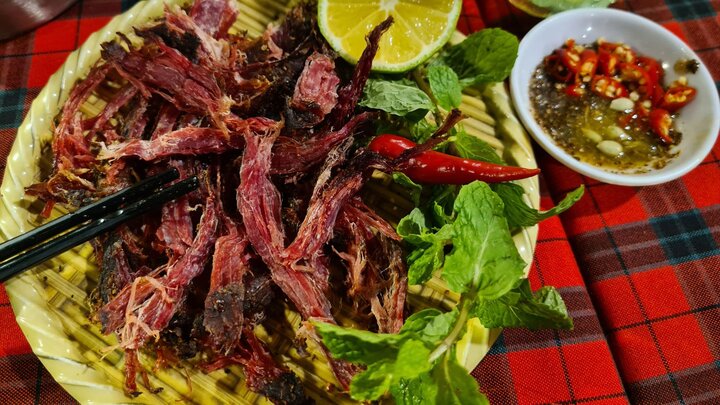
After breakfast, spend some time buying local specialties like dried buffalo meat, apple cider vinegar, and cardamom as souvenirs. Then, depart for Hanoi via the Lao Cai – Noi Bai expressway, concluding the 4-day, 3-night journey full of experiences.
4. Highlight Experiences in the Mu Cang Chai - Sapa Itinerary
4.1 Mu Cang Chai Terraced Fields
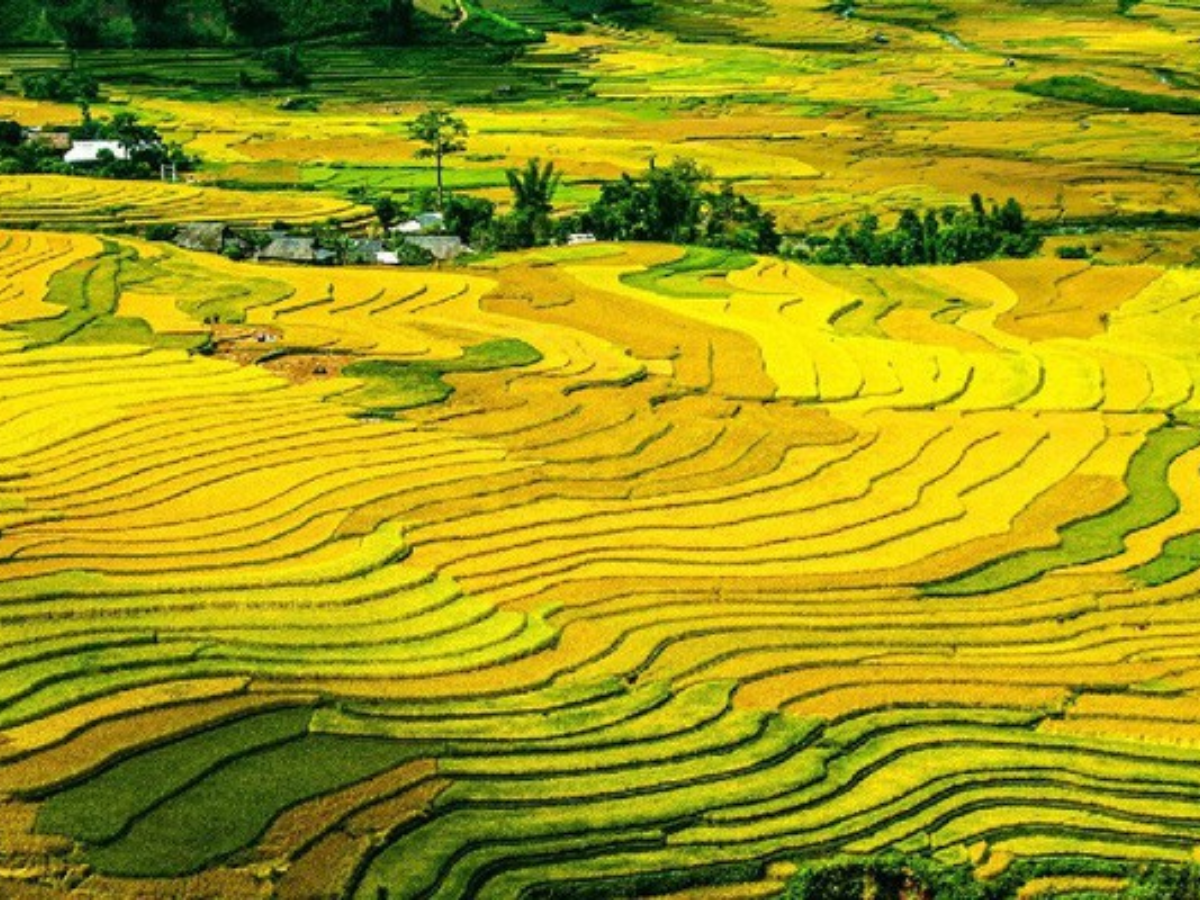
Mu Cang Chai terraced fields are beautiful during the water-flooding season in May-June and vibrant yellow during the rice harvest season in September-October. (Source: Collected)
Terraced fields are the soul of the Mu Cang Chai Sapa itinerary. During the water-flooding season around May-June, the fields shimmer, reflecting the sky. By the rice harvest season in September-October, the entire mountainside is adorned in a vibrant yellow cloak.
Each period offers a different beauty, but all demonstrate the human ingenuity in transforming steep mountain terrain into terraced rice fields.
4.2 Khau Pha Pass and O Quy Ho Pass
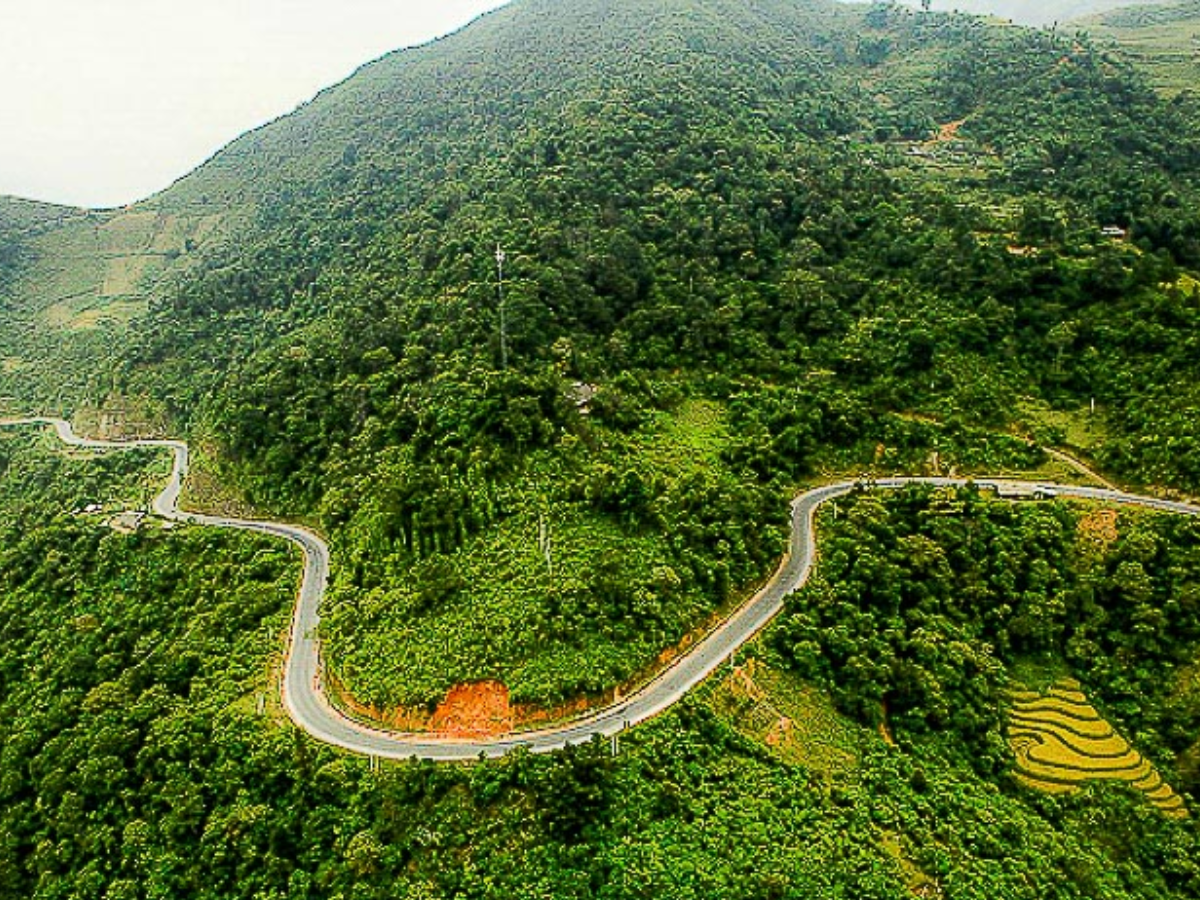
Khau Pha Pass is famous for its hairpin bends and wide views down to the valley. (Source: Compilation)
Khau Pha Pass is famous for its hairpin bends and expansive views down to the valley. On beautiful sunny days, you can see layers of terraced rice fields stacked upon each other.
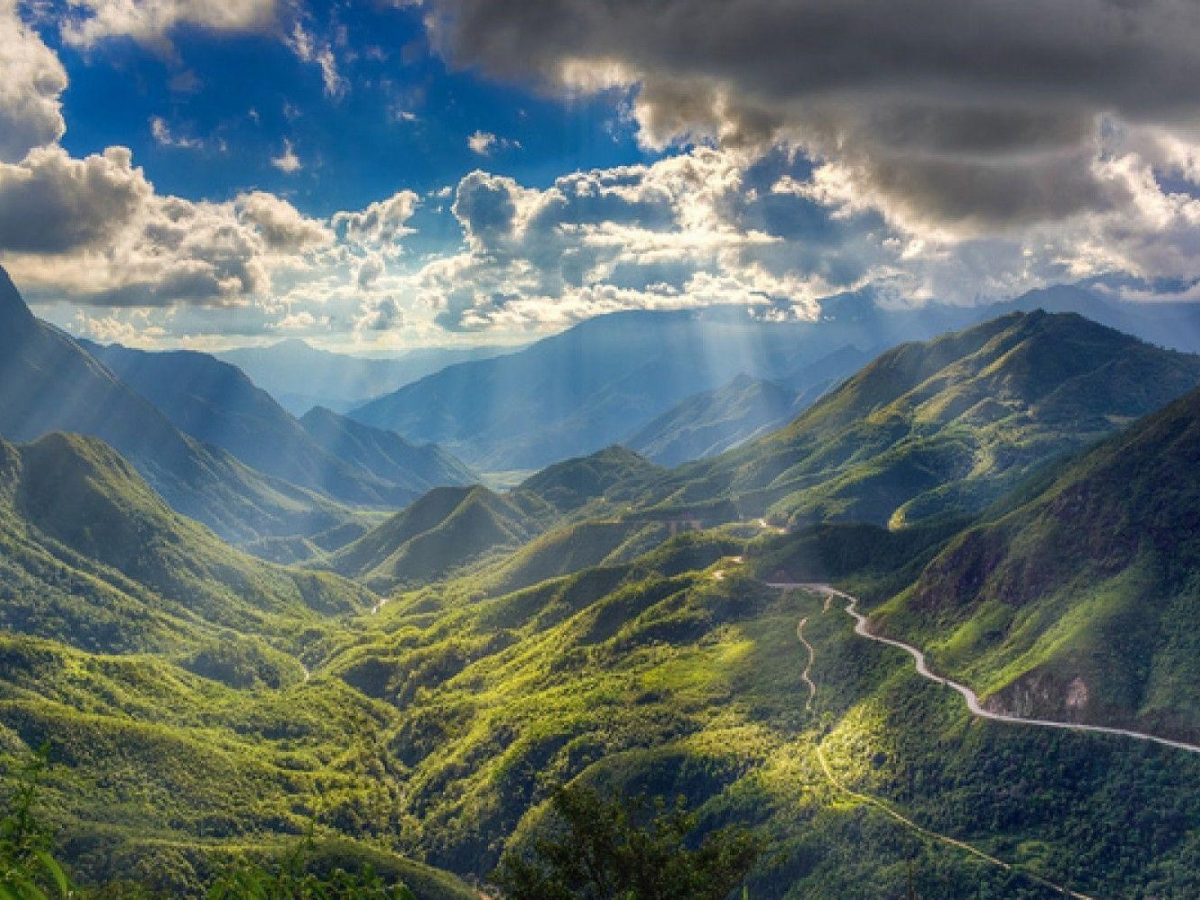
O Quy Ho Pass impresses with its great height and scenery that changes along each section of the road. (Source: Compiled)
O Quy Ho Pass again impresses with its height and scenery that changes along each section of the road. Sometimes, the sun shines brightly on the Lai Chau side, while other times, thick fog blankets the Sa Pa side. This is an ideal place for cloud hunting and capturing panoramic views of the Northwest.
4.3 Sa Pa and Sun World Fansipan Legend
Sa Pa is not only known for its cool climate but also for its blend of tradition and modernity. Ethnic villages coexist with hotels, cafes, and restaurants serving tourists.
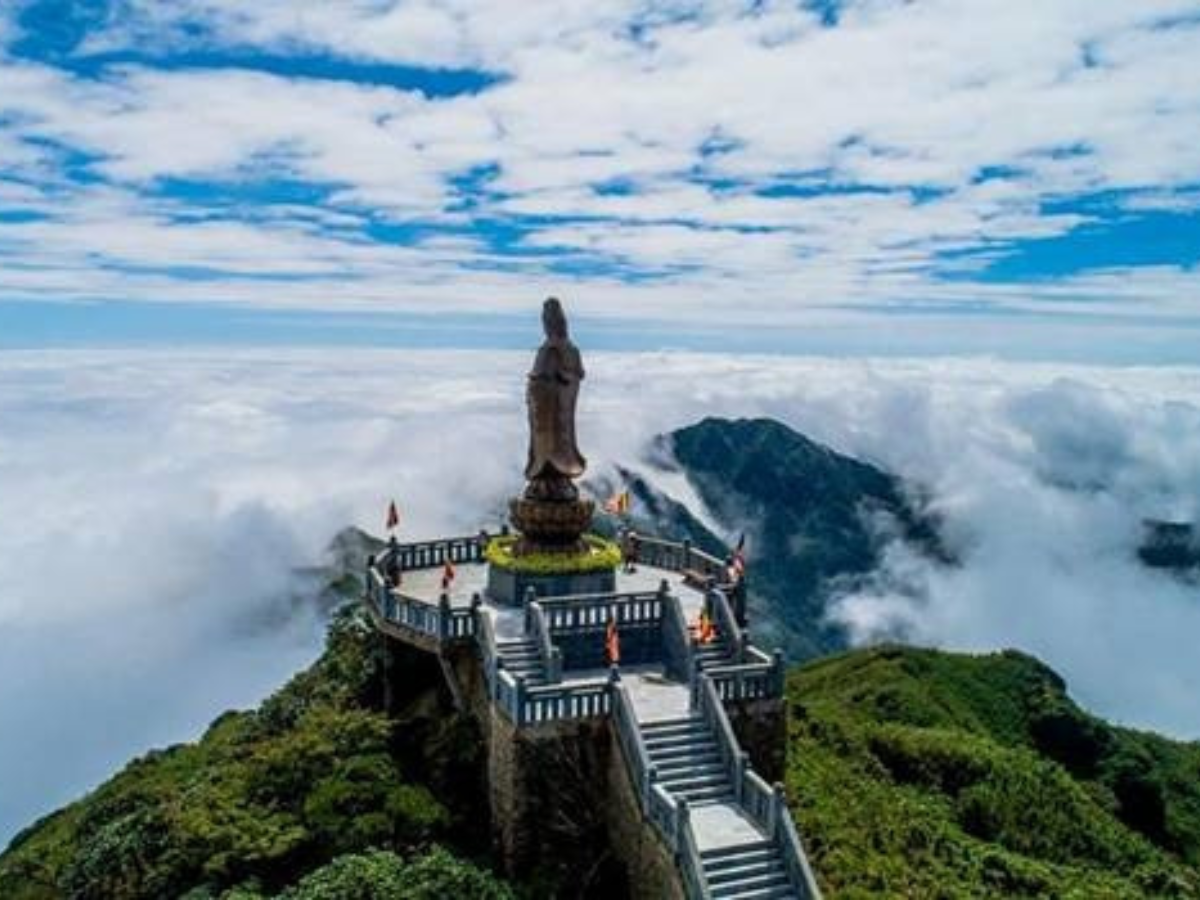
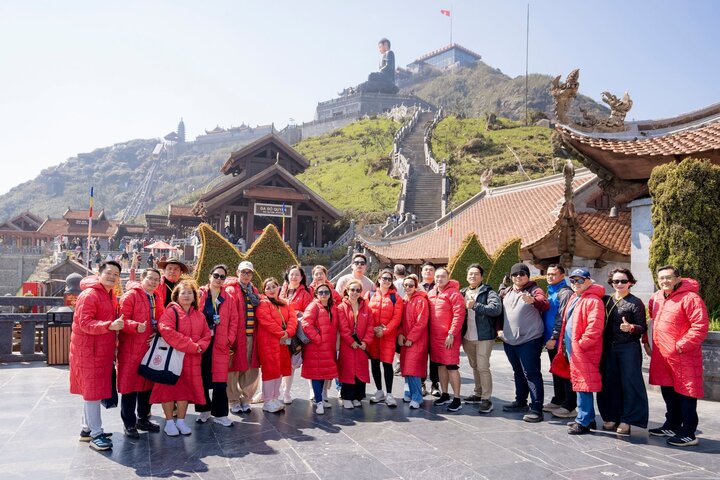
Sun World Fansipan Legend resort attracts tourists with its cable car, spiritual complex, and seasonal festivals. (Source: Compilation)
Sun World Fansipan Legend resort contributes to enriching the experience in Sa Pa. From the cable car system, spiritual complex to seasonal festivals, this place attracts a large number of domestic and international tourists.
The Mu Cang Chai Sapa itinerary is a harmonious combination of natural exploration and highland resort. In 4 days and 3 nights, you will travel through golden terraced fields, conquer majestic mountain passes, and touch the clouds on the Fansipan peak. If you are looking for a trip that is challenging enough yet relaxing enough, the Mu Cang Chai Sapa itinerary is definitely a worthwhile choice for the upcoming Northwest travel season.