















1. Overview of Putaleng Trekking
1.1. Where is Putaleng Peak?
Putaleng Trekking leads you to Putaleng peak, located in Ta Leng commune, Tam Duong district, Lai Chau province, belonging to the majestic Hoang Lien Son mountain range of Northwest Vietnam. With an altitude of 3,049m above sea level, Putaleng is the third highest mountain in Vietnam, only after Fansipan and Pu Si Lung, once known as the “second roof of Indochina”. This mountain is famous not only for its height but also for its rugged terrain, with diverse paths ranging from primary forests to steep rocky slopes, making the climb an attractive challenge for those passionate about trekking and exploring nature.
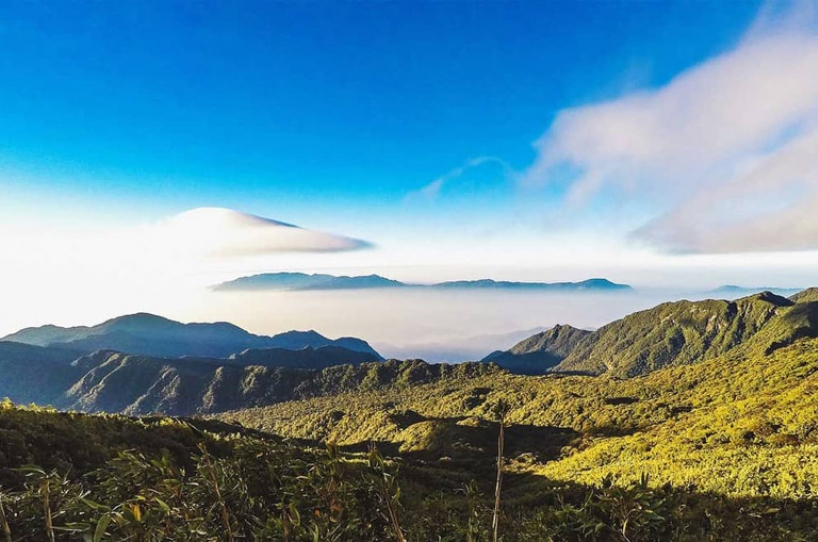
Majestic natural scenery on Putaleng peak (Source: Collected)
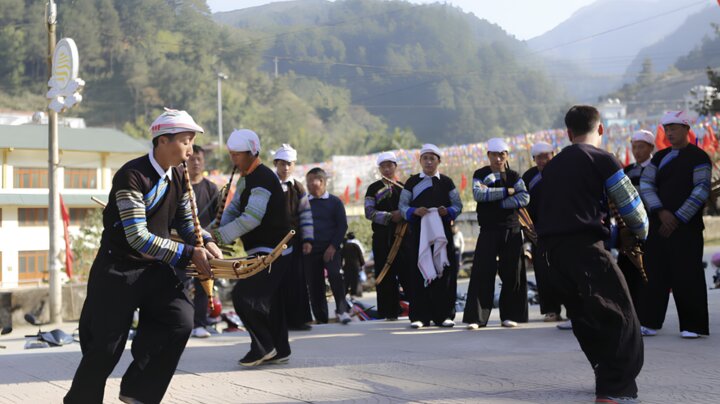
The special geographical location of Putaleng also offers unique experiences: from the villages of the H'Mong and Dao ethnic groups along the way, visitors can observe local life and culture; meanwhile, the majestic mountain scenery, lush green valleys, and babbling streams create a journey that is both challenging and exciting. It is this combination of terrain challenges and wild nature that has made trekking Putaleng one of the most famous and sought-after trekking routes in the Northwest.
1.2. Natural Features & Landscape of the Area
The highlight of trekking Putaleng is its diverse nature and wild landscape. Along the route, visitors will pass through dense primeval forests with ancient trees hundreds of years old, their lush green canopies covered in moss, creating a space that is both mysterious and refreshing. Not only forests, but you will also encounter maple forests, ancient tea hills, and many wild flowers, notably the vibrant rhododendron forests, especially during the blooming season (from February to April), when the entire mountainside is dyed in brilliant pink, red, and white hues like a vivid natural painting.
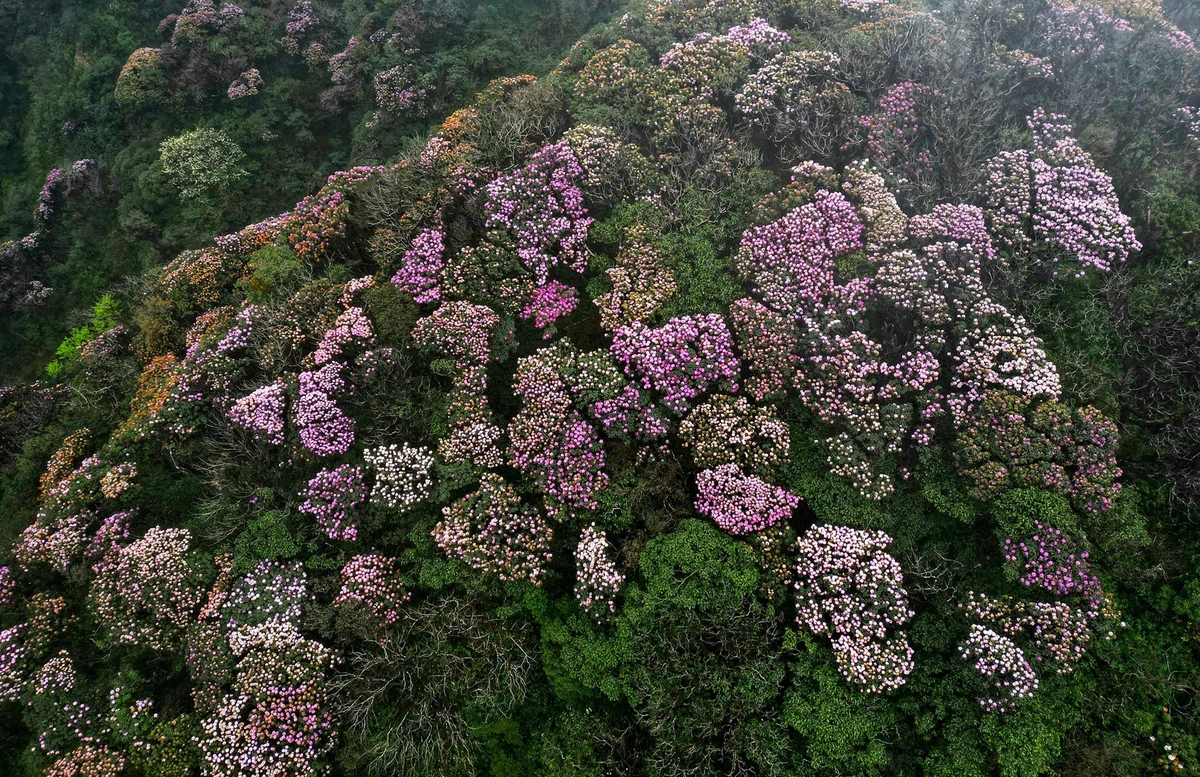
Rhododendron forests bloom along the routes to conquer Putaleng peak (Source: Collected)
On the way up, crystal-clear streams babble over rocks, creating ideal resting spots, bringing a refreshing feeling after steep climbs. The peaceful atmosphere mixed with challenging steep paths makes trekkers feel both close to nature and need to focus on overcoming them. These landscapes are not only aesthetically beautiful but also a "meditative" experience amidst the mountains and forests, making any trekker want to stop, breathe, and admire the beauty here.
1.3. What makes trekking Putaleng attractive to tourists
Trekking Putaleng attracts tourists with its perfect combination of physical challenge, nature experience, and local culture. The first point is the challenge of conquering the "second highest roof of Indochina," with steep terrain, treacherous trails, and a distance of about 25–30 km. This journey requires good physical fitness, basic mountaineering skills, and patience, but in return, you will experience the feeling of conquering the majestic peak and seeing the panoramic view of Hoang Lien Son from above.
Second is the pristine and diverse ecosystem, where primeval forests, springs, bamboo, wildflowers, ancient tea trees, and rhododendron forests blend together, creating a trekking route that is both challenging and enchanting. Tourists can chase clouds in the early morning, watch the sunset on the mountaintop, or stop by babbling streams, feeling the peace of the Northwest mountains.
In addition, the journey passes through H'Mong and Dao villages, offering opportunities to experience unique culture: enjoy local cuisine, chat with residents, and learn about customs and traditions. It is this combination of challenge, majestic nature, and local culture that makes trekking Putaleng an ideal destination for trekkers seeking an adventurous yet rich experience.
2. Difficulty Level and Suitable Participants for Trekking Putaleng
2.1. Accurate Difficulty Assessment of the Putaleng Route
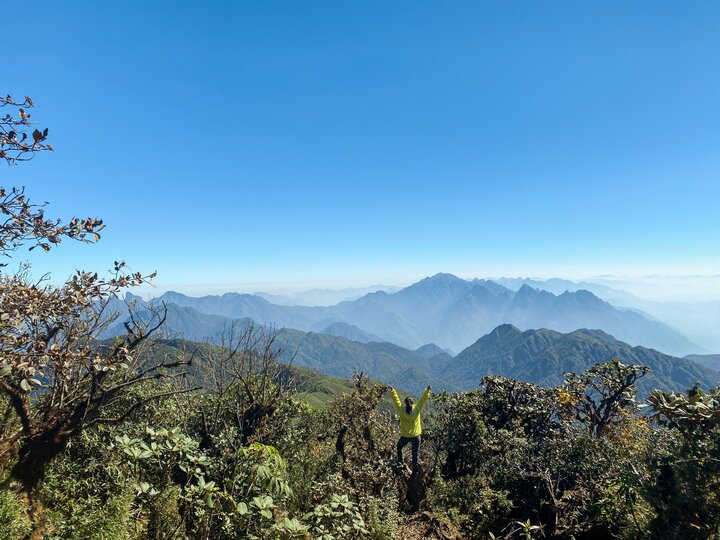
The trekking Putaleng route is considered one of the most challenging trekking routes in the Northwest, suitable for those with prior mountaineering experience. The entire route is about 25–30 km long, usually completed in 2–3 days with many diverse challenges. You will encounter steep sections where gripping ropes or trees is necessary, interspersed with slippery rocky slopes when it rains or in dense fog.
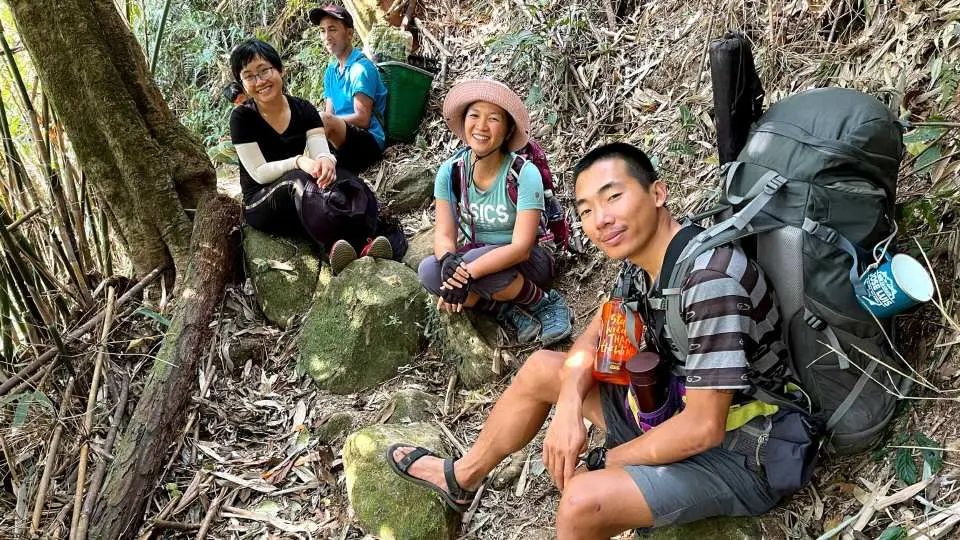
Trekking Putaleng is suitable for those with mountain climbing experience (Source: Collected)
Not only steep and rocky, the path also goes through dense primeval forests, small streams, and high mountain meadows, requiring good orientation skills and high endurance. Especially, some sections near the summit are continuous steep climbs, requiring patience, basic climbing techniques, and good balance. The weather on Putaleng also changes erratically: strong sun during the day, fog and cold wind in the evening, so the Putaleng trekking journey is not only a physical challenge but also requires careful preparation of clothing and equipment.
With this length, terrain, and weather conditions, Putaleng is not for beginners or those who lack confidence in their health, but for experienced and adventurous trekkers, it is a great opportunity to challenge themselves and admire the wild mountain scenery.
2.2. Who should – and should not – conquer Putaleng?
Trekking Putaleng is most suitable for those with good health, stable physical fitness, and who have medium to advanced trekking or mountain climbing experience. Those who enjoy experiencing wild nature, cloud hunting, admiring rhododendrons, and exploring local culture will find great value from this trip.
Conversely, people with cardiovascular or blood pressure problems, or limitations in long-distance walking, as well as beginners who lack experience with steep climbs, should reconsider or go with a professional guide. Additionally, children under 12 years old or elderly individuals with poor health should not attempt this route alone, as the rugged terrain and long distance can be dangerous.
For experienced trekkers, trekking Putaleng is a great opportunity to test their limits, practice climbing skills, and enjoy unique natural scenery, from primeval forests and springs to blooming rhododendron forests. Therefore, choosing the right participants and preparing carefully before the journey is key to a safe and memorable Putaleng experience.
3. Detailed Putaleng Trekking Routes
3.1. Ho Thau – Ta Leng Route
The Ho Thau route is a popular choice for those who want to explore nature and rhododendrons on Putaleng. The journey begins from Ho Thau village, following a babbling stream, passing through lush terraced fields and ethnic villages. Trekking Putaleng in this direction offers a feeling of both challenge and relaxation, with steep sections and piled-up rocks, requiring trekkers to maintain balance and endurance.
The average time for the Ho Thau – Ta Leng route is about 8–10 hours for one day, depending on physical fitness and pace. Along the way, visitors pass through primeval forests, springs, and areas of bamboo and ancient trees. Especially in spring, the rhododendrons bloom, creating a majestic landscape. This route is ideal for trekkers who want to climb, take photos of "cloud hunting," and admire the Northwest mountain scenery.
3.2. Ta Leng – Si Thau Chai Route
The Ta Leng – Si Thau Chai route is longer and more challenging, suitable for experienced trekkers with good health. The journey involves continuous steep sections, slippery rocky slopes, and dense forests, requiring basic climbing skills and patience. Along the way, you will encounter rhododendrons, bamboo, springs, and diverse vegetation, offering a wild nature experience.
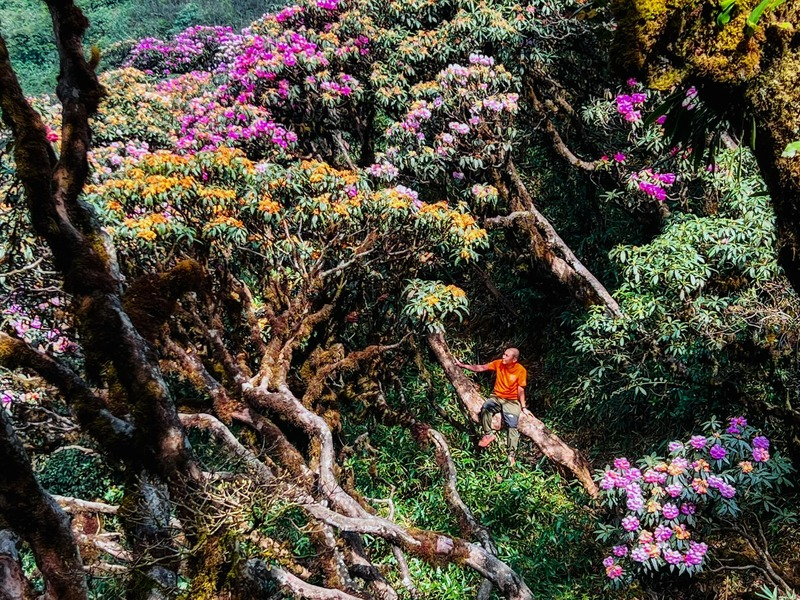
Natural scenery like a fairy garden on the Ta Leng - Si Thau Chai route (Source: Collected)
The average time to complete this route is 10–12 hours for one day, or trekkers can split it into 2 days, staying overnight in tents or village homestays to reduce pressure. This route is also attractive because you can ascend from Ta Leng and descend via Si Thau Chai, reducing the difficulty while enjoying the mountain scenery, cloud hunting, and admiring the sunset on the mountainside.
3.3. Si Thau Chai – Giang Ma Route
The Si Thau Chai – Giang Ma route is less popular but an excellent choice for trekkers who want to explore Putaleng in its wild and private state. The journey is long and passes through many undeveloped primary forests, offering a feeling of immersion in nature. Trekking Putaleng in this direction requires caution on slippery rocky sections, steep climbs, and small streams, but in return, you get unique natural landscapes with few visitors, very suitable for trekkers seeking a private experience.
The average time to complete the Si Thau Chai – Giang Ma route is about 9–11 hours; trekkers need to prepare adequate equipment, snacks, and drinks. Along the way, you will pass through maple forests, spring streams, ancient tea hills, and rhododendron flowers, creating a vibrant natural picture. This route offers a slow-paced trekking Putaleng experience, allowing you to enjoy the scenery and the tranquility of the mountains.
3.4. Giang Ma – Ho Thau Route
The Giang Ma – Ho Thau route is a closed loop, ideal for trekkers who want to experience Putaleng comprehensively. The journey begins from Giang Ma, passing through rhododendron forests, ancient tea hills, and small streams, combining trekking with exploring local culture. Trekking Putaleng in this direction requires good health due to many steep sections, but in return, you can experience the full beauty of the mountain without returning on the same path.
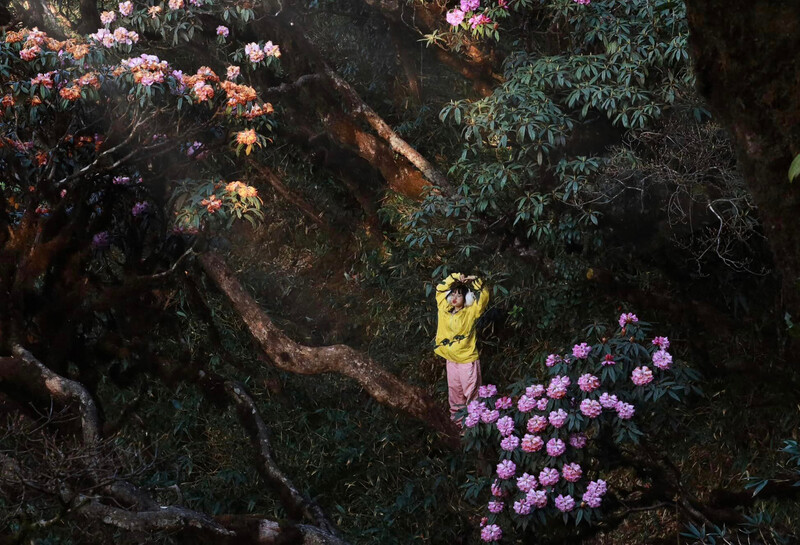
Rhododendron forests add pink hues to the trail conquering Putaleng peak (Source: Collected)
The average time to complete the Giang Ma – Ho Thau route is 10–12 hours, which can be divided into 2 days with stays at village homestays to enjoy the scenery and avoid fatigue. Along the way, you will see dense primeval forests, babbling streams, high mountain grasses, and many ideal spots for cloud hunting and sunset viewing. This is the perfect route for trekkers who want to challenge themselves, experience the scenery, and explore local culture, making it a complete journey of trekking Putaleng .
4. Ideal Time for Trekking Putaleng
4.1. Best Season for Trekking Putaleng
The most ideal time for trekking Putaleng is in spring, from February to April, when rhododendron forests bloom all over the mountainsides. At this time, the route is not only beautiful with vibrant red and pink colors but also has cool weather, not too cold during the day, suitable for climbing and camping activities. Additionally, autumn (September–November) is also a good choice with dry weather, light winds, fresh air, and expansive mountain views, convenient for cloud hunting, sunset watching, and photography.
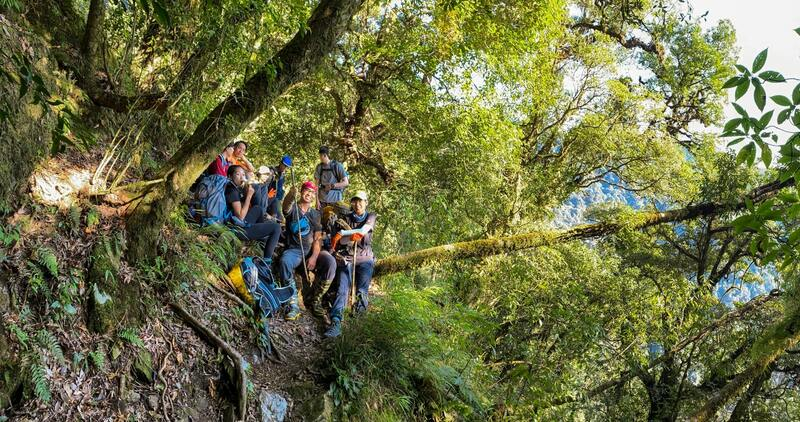
Spring and autumn are the ideal times for trekkers to conquer Putaleng peak (Source: Collected)
Trekkers visiting during the beautiful season need to prepare suitable clothing, bring sun protection clothing, wide-brimmed hats, and sunglasses. **Trekking Putaleng** during this time helps you fully enjoy the natural landscape, from primeval forests, springs to ancient tea hills, while minimizing risks caused by bad weather. The beautiful season is also an opportunity to meet many other trekkers, exchange experiences and experience local culture through the villages along the way.
4.2. When should you avoid going to Putaleng?
Conversely, you should **avoid trekking Putaleng** during the rainy season, usually from May to August, when heavy rains are frequent, steep paths are slippery, and streams can rise, causing danger. Leeches and insects also appear more during the rainy season, making the trekking experience uncomfortable. The winter period (December – January) can bring frost, thick fog, and cold winds, creating slippery sections that are very dangerous if you do not have specialized equipment.
To ensure safety, trekkers should check the weather forecast before going and avoid days with heavy rain, storms, or thick fog. Choosing the right season and time not only makes **trekking Putaleng** safe but also optimizes the experience: easy movement, no fear of slipping, and the ability to fully admire the scenery, from blooming azaleas to a sea of clouds floating on the mountaintop.
5. Important Preparations for Trekking Putaleng
5.1. List of essential items for trekking Putaleng
A successful **trekking Putaleng** journey requires careful preparation from clothing to personal gear. Anti-slip, breathable trekking shoes that support the ankle are mandatory, along with specialized socks to prevent blisters. Clothing should be chosen for breathability, water resistance, windbreakers, and layered thermal wear for easy adjustment according to the weather. A 30-40 liter backpack is sufficient for carrying essentials, along with trekking poles to reduce pressure on knee joints on steep sections.
Additionally, you need to prepare a basic medical kit (bandages, antiseptic, personal medications), quick, high-energy snacks, and enough drinking water for the entire day's hike. If camping overnight, bring a tent, sleeping bag, flashlight, and basic cooking utensils. Thorough preparation not only ensures safe **trekking Putaleng** but also enhances comfort, allowing you to fully enjoy the natural scenery without interruption.
5.2. Experience in physical training before the trip
To cope with the length and steep terrain of **trekking Putaleng**, physical training before the trip is extremely important. Trekkers should focus on endurance and leg strength, with exercises such as hiking, climbing stairs, squats, planks, and cardio exercises like running or cycling. The ideal training period is 2–3 months before the trip, maintaining 3–5 sessions per week for the body to adapt to the intensity of long-distance trekking.
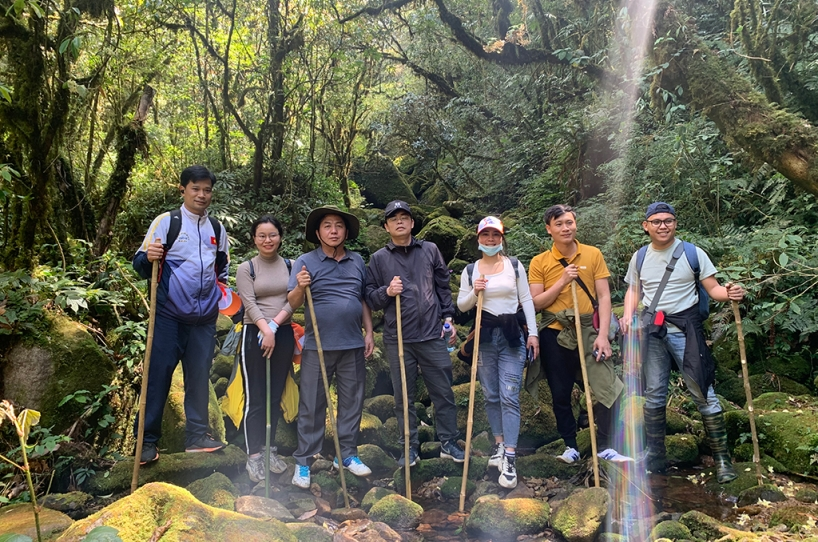
Trekker should train their health and prepare their equipment carefully to fully conquer Putaleng peak (Source: Collected)
Besides muscle and endurance, you should also practice carrying a heavy backpack, about 7–10 kg, to get used to the luggage weight when trekking. This helps reduce fatigue and the risk of injury during the journey. Trekker should also try climbing hills and mountains near home with similar terrain, both to train skills for steep paths and improve orientation and balance, all of which are necessary for a safe and effective trekking Putaleng journey.
5.3. Role of porters and local guides when trekking Putaleng
Hiring porters and local guides is an important preparation step when trekking Putaleng, especially for trekkers visiting Lai Chau for the first time. Local guides will guide you along a safe route, prevent you from getting lost, and introduce local culture, customs, and beautiful viewpoints. Porters help carry heavy loads, reducing backpack pressure, allowing you to focus your energy on climbing and enjoying nature.
Choosing reputable services is crucial: you should hire experienced guides who are familiar with the terrain, and trustworthy porters, ensuring the safety of your belongings and luggage. The support of porters and guides not only increases safety but also makes the trekking Putaleng experience more comfortable, reduces stress, saves time, and optimizes the enjoyment of the mountain scenery.
Trekking Putaleng is not just a simple mountain climbing journey but also an experience combining physical challenge, exploration of wild nature, and immersion in local culture. From the long trails, steep terrain, primeval forests, springs to the vibrant rhododendron seasons, this journey offers trekkers the proud feeling of conquering the “second highest roof of Indochina”.
For a successful and safe trip, choosing a suitable route, determining the best time, preparing adequate luggage, training physical fitness, and hiring local porters and guides are indispensable factors. With careful preparation and an adventurous spirit, every step on trekking Putaleng is an opportunity to experience, enjoy the beauty of the Northwest, and create unforgettable memories in life.